 JIMPOCHEM
1 / 2
| Item | Specifications |
|---|---|
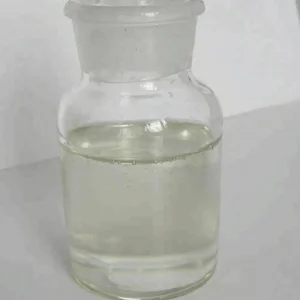
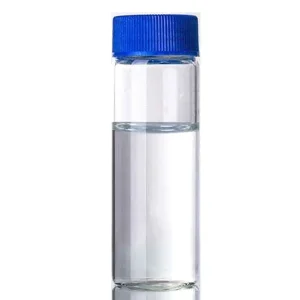
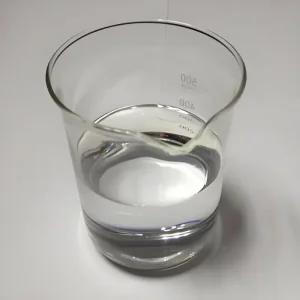
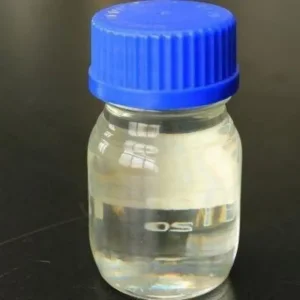
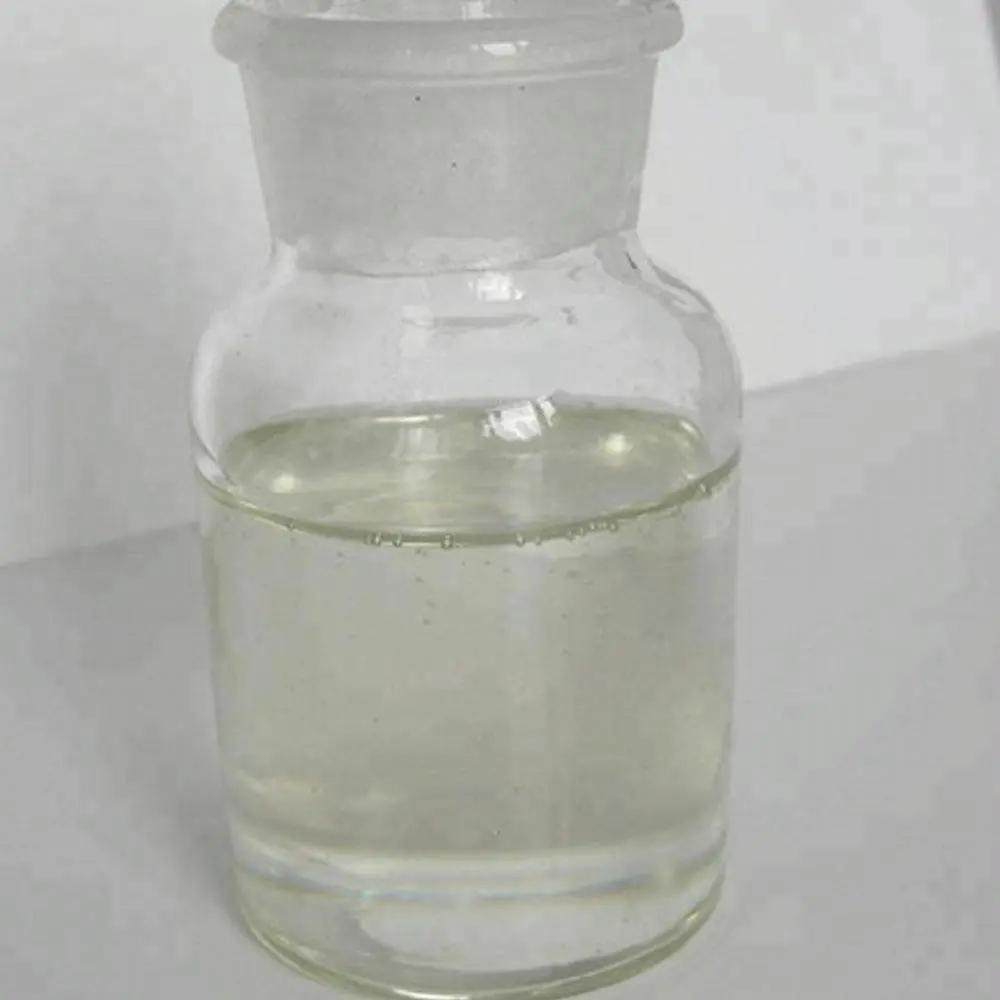
| Appearance | Colorless or light yellow liquid |
| Odor | Little special smell. |
| Assay w/% | ≥50.0 |
| Chroma | ≤150 |
Inhibits pathogenic bacteria, retains moisture to tenderize meat, and extends shelf life. Suitable for ham, sausages, and ready-to-eat meats, with a typical dosage of 2%–4%.
Maximum usage in raw wet noodle products is 2.4 g/kg (per GB 2760). It improves gluten strength, retards staling, and maintains moisture.
Regulates pH and stabilizes flavor. It can replace part of the salt to reduce sodium intake, making it suitable for yogurt, fruit juices, and sauces.
Used to correct metabolic acidosis, as a buffer in peritoneal dialysis fluids, and in the treatment of hyperkalemia accompanied by arrhythmia.
Found in Ringer's solution and Compound Sodium Lactate and Glucose Injection, used for rehydration in cases of dehydration and electrolyte imbalance.
Serves as an ingredient in intestinal disinfectants, bladder irrigation solutions, and oral care liquids.
Acts as a humectant (in creams, lotions, serums), keratolytic agent, and pH adjuster. It is suitable for dry and sensitive skin, helping to improve absorption efficiency.
Used in shower gels, shampoos, and soaps as a moisturizer and pH adjuster; it enhances foam stability and prevents soap cracking.
Functions as an anti-calculus and gum care ingredient, suitable for toothpaste and mouthwashes.
Acts as a builder to soften hard water and reduce scale formation, suitable for laundry detergents and dishwasher detergents.
Used as a component in electrolytes to regulate pH and ion composition, thereby improving plating quality.
Serves as a buffer and chelating agent in organic synthesis and water treatment to stabilize reaction systems.
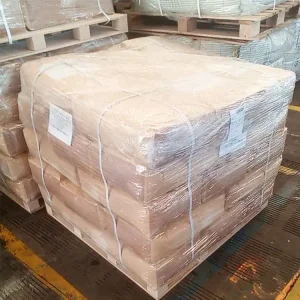
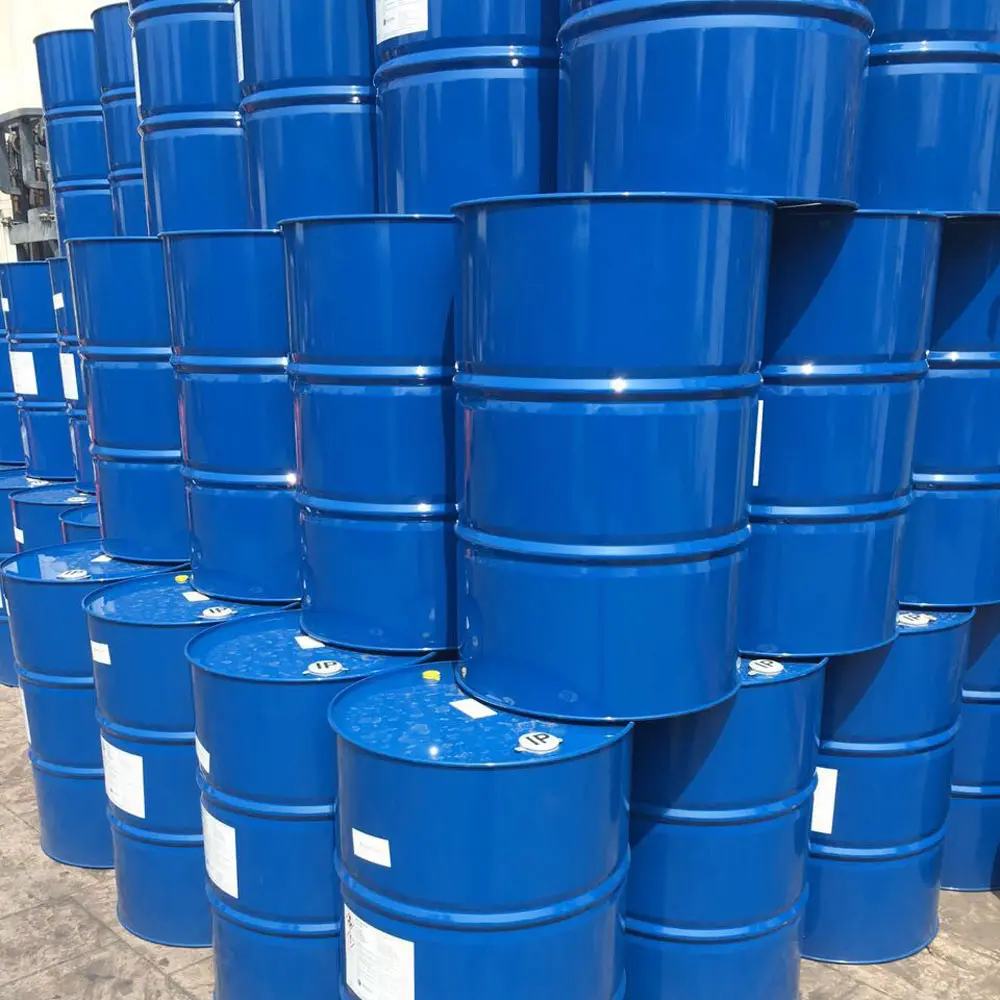
200kg/drum
Stored in a cool dry ventilated place away from fire, heat, light, acids, and food materials.
Sodium Lactate is an organic acid salt produced by neutralizing lactic acid with sodium hydroxide or potassium hydroxide. It is a colorless to slightly yellowish liquid that is hygroscopic and miscible with water.
Standard specifications include an Assay w/% of ≥ 50.0, Chroma of ≤ 150, a colorless or light yellow appearance, and little special odor.
In the food industry, it serves to inhibit pathogenic bacteria and extend shelf life in meat products (2%–4% dosage), improves gluten strength in raw wet noodles (up to 2.4 g/kg), and helps regulate pH and stabilize flavor in dairy and beverages.
It functions as an effective humectant, pH adjuster, and keratolytic agent in creams, lotions, and serums. It also enhances foam stability in soaps and personal care products.
In pharmaceuticals, it is utilized to regulate acid-base balance (correcting metabolic acidosis), act as a buffer in peritoneal dialysis fluids, and replenish electrolytes in solutions like Ringer's injection.
Sodium Lactate is supplied in 200kg/drum packaging. It must be kept in a cool, dry, and ventilated area away from fire, heat, light, acids, and food products.