 JIMPOCHEM
1 / 2
| Item | Specifications |
|---|---|
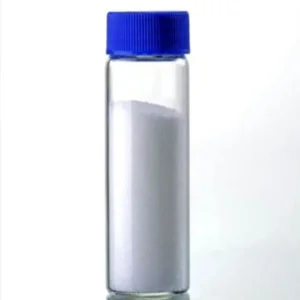
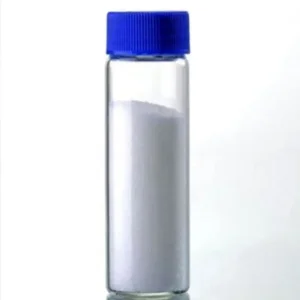
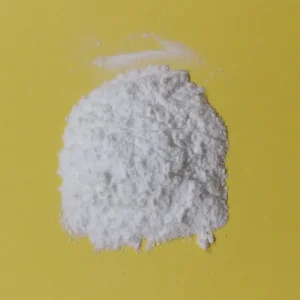
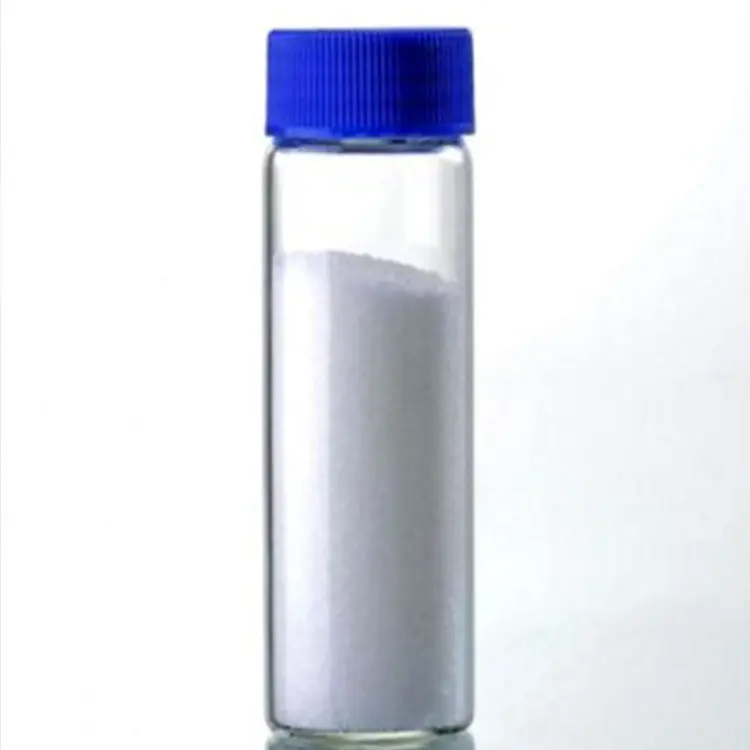
| Characteristics | A white or almost white powder, practically insoluble in water, soluble in alcohol. |
| Melting Point | It melts at about 260℃ |
| Identification | A: Positive B: Positive |
| Appearance of solution | The solution is clear and not more intensely colored than reference solution Y7 |
| Related substances | Less than 0.5% |
| Heavy metals | Not more than 0.001% |
| Acidity or alkalinity | Complies |
| Chlorides | Not more than 0.01% |
| Sulphates | Not more than 0.02% |
| Loss on drying | Not more than 0.5% |
| Sulphated ash | Not more than 0.1% |
| Assay | 98.0% - 101.0% (C20H14O4) |
| Microorganism | TPC < 1000cfu/g |
| Y and M < 100cfu/g | |
| E-coli – absent | |
| Staphylococcus Aureus - Absent | |
| Pseudomonas Aeruginosa - Absent | |
| Albicans Saccharomyces - Absent |
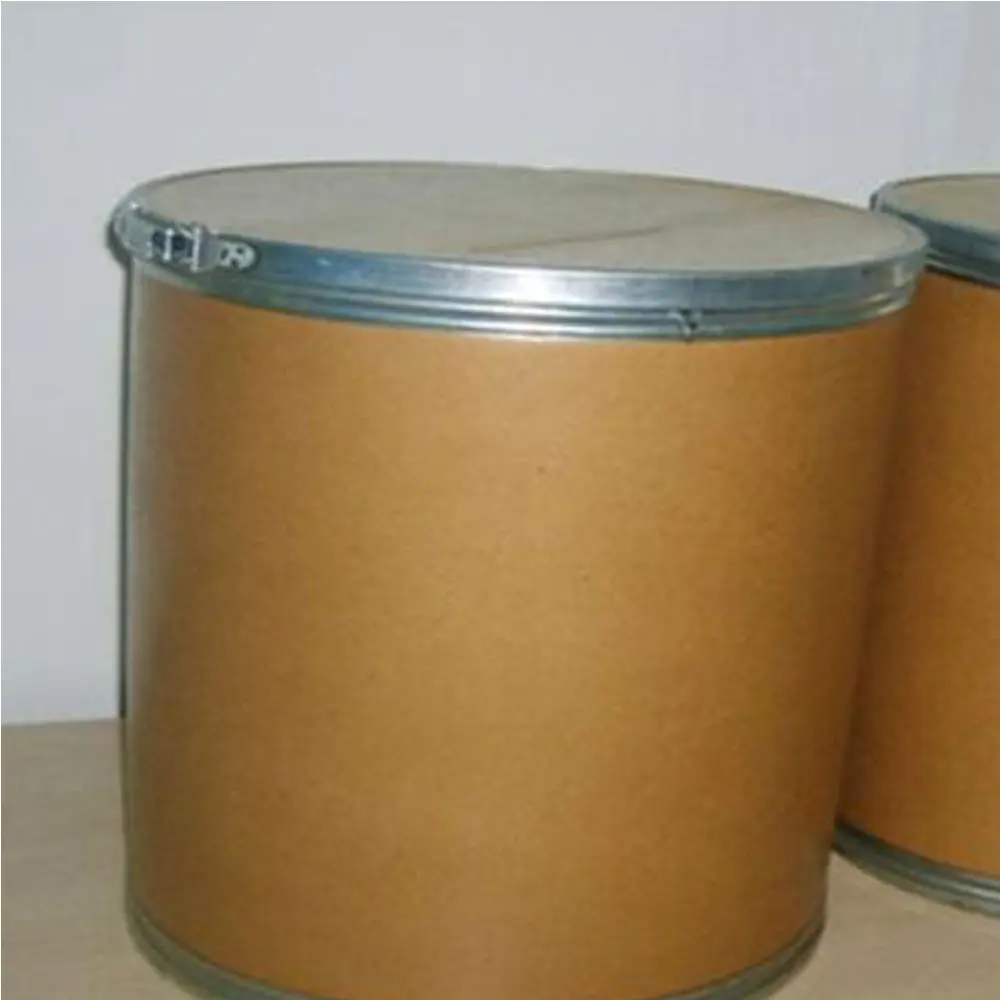
25kg/drum
Store in a cool, dry place.
It is primarily used as an acid-base indicator in chemical titrations, an analytical reagent in laboratory testing, a raw material in pharmaceutical research, and a pH indicator in industrial applications such as electroplating.
The pH transition range is 8.2 to 10.0. The solution remains colorless in acidic and neutral environments, and turns to a pink or purple-red color in alkaline solutions.
The purity assay standard is between 98.0% and 101.0%, with the chemical formula C20H14O4.
The standard packaging provided is 25kg per drum, ensuring safe transport and reliable handling.
The material should be stored in a cool, dry place inside tightly closed containers to preserve product stability and prevent moisture absorption.