 JIMPOCHEM
1 / 2
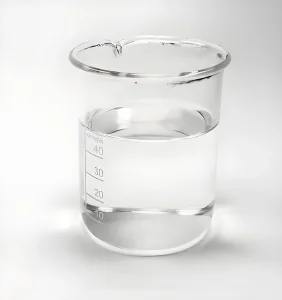
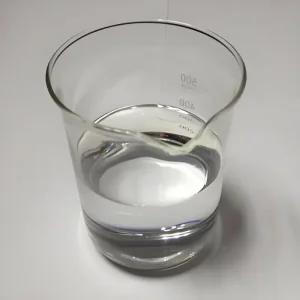
ε-Polylysine is a natural bioactive antimicrobial peptide produced by the fermentation of Streptomyces albulus. Composed of 25–35 polymerized L-lysine residues, it serves as a broad-spectrum natural preservative and bio-bacteriostatic agent. Featuring both high safety and excellent thermal stability, it is widely used in the food, daily chemical, pharmaceutical, and feed industries.
| Item | Specifications |
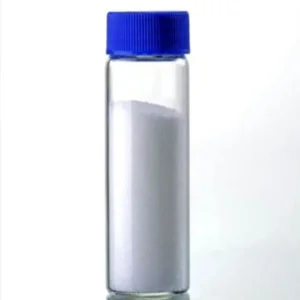
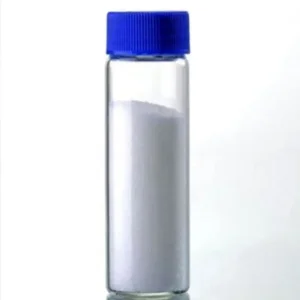
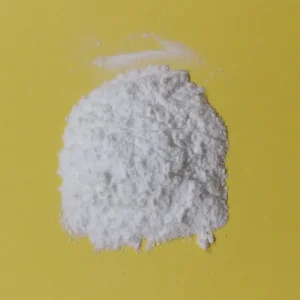
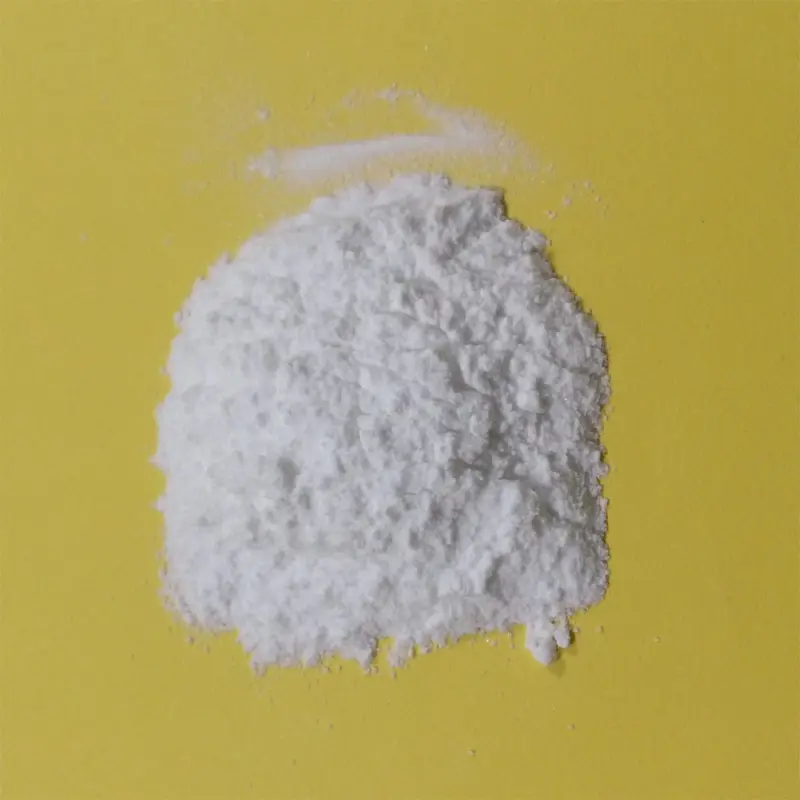
| Description | Cream to yellow light power |
| Content | ≥99.00% |
| Loss on drying | ≤8.00% |
| Ash. | ≤2% |
| pH(1% solution Titrimetric) | 3.0~5.0 |
| Arsenic | ≤3.0mg/kg |
| Lead | ≤2.0mg/kg |
| E.Coli | <3.0MPN/g |
| Coliforms | ≤3.0MPN/g |
| Salmonella | Absent |
| Listeria monocytogenes | Absent |
A natural product of microbial fermentation that degrades in the human body into the essential amino acid L-lysine. It is non-toxic, leaves no residues, and poses no allergy risks.
Exhibits strong inhibitory effects against Gram-positive and Gram-negative bacteria, as well as molds and yeasts.
Stable at 120℃ and effective within a pH range of 3–9, making it compatible with high-temperature processing and a wide variety of pH formulations.
Rapidly dissolves in cold water without affecting the product's flavor or color, offering high efficiency at low dosages.
Acts as a natural preservative in rice and flour products, meat products, sauces, beverages, and fresh produce to extend shelf life.
Used in skincare, personal care, and oral care products as a mild bacteriostatic and preservative agent.
Applied in topical antibacterial preparations, wound care, and as antibacterial coatings for medical devices.
Serves as an antibiotic substitute to regulate the gut health of livestock, poultry, and aquatic animals, boosting their immunity.
Used for fruit and vegetable preservation and to inhibit harmful pathogens affecting crops.
ε-Polylysine is a natural bioactive antimicrobial peptide consisting of 25–35 L-lysine residues. It is produced naturally through the fermentation process of the bacterium Streptomyces albulus.
Yes, ε-Polylysine offers high safety. Inside the human body, it breaks down into L-lysine, an essential amino acid. It is non-toxic, leaves no harmful residues, and poses no allergen risks.
It demonstrates exceptional thermal stability (up to 120°C) and remains active across a broad pH range of 3 to 9, making it ideal for high-temperature food processing and complex chemical formulations.
It functions as a broad-spectrum bio-bacteriostatic agent with strong inhibitory activity against Gram-positive bacteria, Gram-negative bacteria, yeasts, and molds.
ε-Polylysine should be kept in a tightly closed container and stored in a dry, cool, and well-ventilated environment to ensure long-term stability and performance.