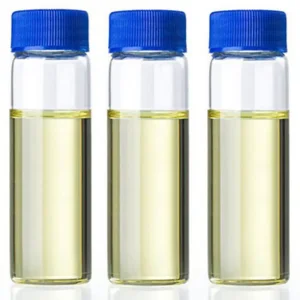
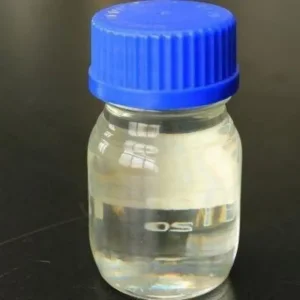
Explore our verified high-purity chemical portfolio engineered for global monomer stabilization, cosmetic formulations, and specialty organic synthesis.
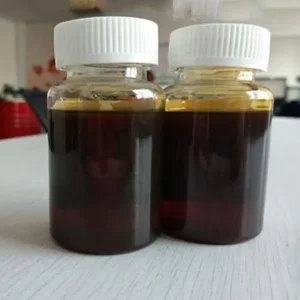
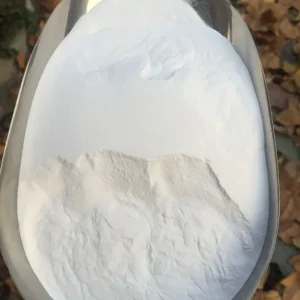
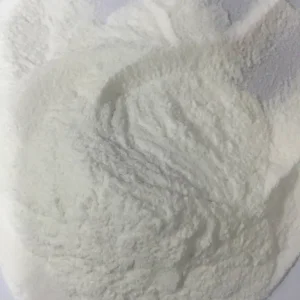
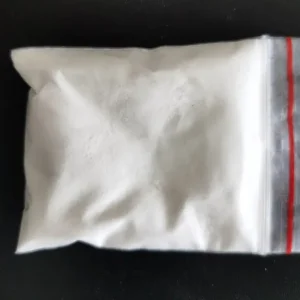
Toluhydroquinone (THQ), chemically designated as 2-methylbenzene-1,4-diol or Methylhydroquinone (CAS 95-71-6), represents a critical cornerstone in the modern specialty chemical matrix. As an sterically hindered dihydric phenol derivative, Toluhydroquinone plays a paramount role as a highly efficient, thermal-stable radical polymerization inhibitor, antioxidant, and chemical synthesis intermediate across global polymer, resin, coating, and pharmaceutical sectors.
Compared to traditional un-substituted hydroquinones (HQ) or mono-methyl ethers (MEHQ), the electron-donating methyl group situated on the aromatic ring of Toluhydroquinone alters its oxidation-reduction potential and enhances its radical trapping efficiency. This structural distinction offers superior solubility in non-polar acrylic monomers, vinyl monomers, and unsaturated polyester resins while providing an extended induction period against premature thermal polymerization during synthesis, storage, and cross-border transport.
| Parameter | Industrial Grade Standard | High-Purity Technical Grade | Testing Methodology |
|---|---|---|---|
| Chemical Name | 2-Methylbenzene-1,4-diol / 2-Methylhydroquinone / THQ | IUPAC Nomenclature | |
| CAS Registry Number | 95-71-6 | CAS Official Index | |
| Molecular Formula / Weight | C7H8O2 / 124.14 g/mol | Mass Spectrometry | |
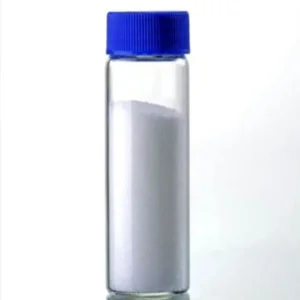
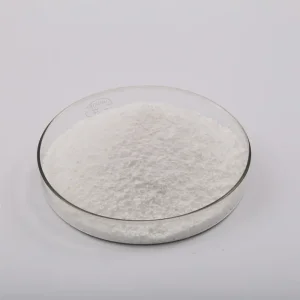
| Appearance | Off-white to tan crystalline powder | White to light beige micro-crystalline powder | Visual / Optical inspection |
| Assay / Purity (GC) | ≥ 98.5% | ≥ 99.5% | Gas Chromatography (FID) |
| Melting Point Range | 124.0°C – 127.0°C | 125.5°C – 127.5°C | Capillary Melting Apparatus |
| Moisture Content (Karl Fischer) | ≤ 0.5% | ≤ 0.2% | ASTM E203 (KF Titration) |
| Ignition Residue (Ash) | ≤ 0.10% | ≤ 0.03% | Gravimetric Analysis (800°C) |
| Solubility Profile | Soluble in Ethanol, Ethyl Acetate, Acetone, Ether; Moderately soluble in Water (approx. 7.5 g/100 mL at 25°C) | Standard Gravimetric Dissolution | |
The inductive electron-donating effect of the methyl substituent (+I effect) increases the electron density of the aromatic ring, making the phenolic hydroxyl hydrogen atoms significantly more susceptible to abstraction by propagating carbon- and oxygen-centered free radicals (R·, ROO·).
Upon abstracting a hydrogen atom, Toluhydroquinone converts into a highly resonance-stabilized methyl-phenoxy radical. This intermediate is incapable of initiating new polymer chains, effectively terminating radical chain propagation in monomer matrices.
In high-temperature monomer synthesis (e.g., esterification of acrylic acid at >100°C), Toluhydroquinone maintains structural stability longer than un-substituted hydroquinone, preventing premature gelation without causing severe discoloration in final resin formulations.
At our flagship Shandong production complex, covering over 500 acres in Jinan City's chemical industry zone, JIMPOCHEM CO., LTD has implemented an Industry 4.0 manufacturing framework. By replacing legacy batch reactors with modern continuous-flow micro-reactors and automated crystallisers, we deliver unprecedented chemical purity, batch-to-batch consistency, and environmental sustainability for Toluhydroquinone manufacturing.
Controlled catalytic oxidation of o-cresol / methyl-substituted precursors utilizing high-selectivity heterogeneous catalysts.
Closed-loop catalytic hydrogenation to yield Toluhydroquinone with minimal byproduct formation (e.g., quinone reduction).
Multi-stage continuous crystallizers under inert nitrogen blanketing control crystal habit, bulk density, and dissolution rates.
Automated online HPLC and spectrophotometric sampling guarantees strict adherence to assay (≥ 99.5%) and color standards.
Strategic partnerships with raw material producers and captive intermediate lines shield our clients from global supply chain volatility and price spikes.
Advanced MVR evaporators and membrane filtration systems recover 98% of process water, keeping our facilities fully compliant with rigorous Chinese environmental laws.
Every drum is assigned a unique digital QR identifier detailing raw material origins, reaction telemetry, analytical COAs, and logistics records.
The global demand for Toluhydroquinone is expanding rapidly, driven by the global transition toward high-performance UV-curable inks, fast-curing structural adhesives, eco-friendly unsaturated polyester resins (UPR), and specialty agricultural chemicals. However, chemical procurement managers routinely encounter severe commercial and technical challenges during overseas sourcing.
Standard hydroquinones degrade and turn dark brown when exposed to trace oxygen, humidity, or elevated ambient temperatures during ocean transport, ruining clarity in high-end optical coatings.
JIMPOCHEM Solution: Vacuum-sealed aluminum foil inner packaging with active desiccant and nitrogen flushing ensures crystal-clear color retention for up to 24 months.
Trace metals (Iron > 5 ppm) or isomers (such as 2,5-dimethylhydroquinone) induce unexpected color body formation and shorten resin shelf-life in UV-curing systems.
JIMPOCHEM Solution: Continuous fractional purification maintains heavy metal ions below 1 ppm and isomer purity over 99.5%, certified by lot-specific GC-MS.
Unreliable batch lead times from smaller suppliers cause costly downtime in continuous monomer distillation facilities.
JIMPOCHEM Solution: Multi-ton production capacity backed by bonded warehouse stock in key global hubs ensures immediate shipment within 7 business days.
| Region | Primary Target Application | Regulatory Focus | Market Growth Driver |
|---|---|---|---|
| North America | UV/EB Curable Inks, 3D Resin Formulations, Acrylic Monomer Transport | US TSCA Registration, OSHA HCS 2012 | High demand for low-VOC UV inks and additive manufacturing resins. |
| European Union | Unsaturated Polyester Resins (UPR), Wind Turbine Blade Composites | EU REACH Full Registration, SVHC Compliance | Offshore wind infrastructure growth and stringent environmental chemical standards. |
| Asia-Pacific | Bulk Monomer Synthesis (Acrylic Acid, Methyl Methacrylate, Styrene) | China MEPS, Japan ENCS, Korea K-REACH | Mass expansion of petrochemical and monomer refining capacity in China, India, and SEA. |
| Latin America | Agrochemical Syntheses & Rubber Antioxidant Blends | Local Environmental Permits | Expanding agricultural pesticide synthesis infrastructure in Brazil and Argentina. |
Toluhydroquinone functions through nuanced thermodynamic pathways depending on the chemical matrix. Below are industrial formulation guidelines engineered by JIMPOCHEM's Technical Application Center.
During the distillation and transoceanic transport of acrylic acid, methacrylic acid, and acrylate esters, high temperatures trigger spontaneous auto-polymerization.
UPR matrices (styrene-polyester liquid blends) require stable shelf-lives of up to 12 months without altering room-temperature gel time when peroxide catalysts are eventually added by end users.
High-sensitivity photoinitiator systems in UV offset inks and DLP/SLA 3D printing resins require dark-storage stability while allowing instant photocuring upon exposure to UV light (365–405 nm).
Toluhydroquinone acts as a core building block for synthesizing specialized antioxidants (e.g., mono-methyl ether of THQ), pharmaceutical intermediates, and active ingredients in agrochemicals.
Selecting the optimal inhibitor requires balancing radical scavenging kinetics, monomer solubility, thermal volatility, and color formation. The following matrix illustrates Toluhydroquinone's performance compared to standard market alternatives.
| Inhibitor Chemical | CAS Number | Radical Scavenging Speed | Solubility in Acrylates | Thermal Volatility | Color Drift Risk | Primary Application Spectrum |
|---|---|---|---|---|---|---|
| Toluhydroquinone (THQ) | 95-71-6 | Very High | Excellent | Low | Low-Medium | High-temp acrylic synthesis, UPR, UV Inks, Specialty Monomers |
| Hydroquinone (HQ) | 123-31-9 | High | Moderate | High (Sublimes) | High (Yellow/Brown) | Basic monomer production, water-soluble systems |
| Mequinol (MEHQ) | 150-76-5 | Moderate | Very High | Moderate | Very Low | Ambient storage of acrylic monomers, UV coatings |
| Butylated Hydroxytoluene (BHT) | 128-37-0 | Moderate | High | Moderate | Low | Rubber, plastics, food contact adhesives, mineral oils |
| Phenothiazine (PTZ) | 92-84-2 | Very High | Moderate | Low | Very High (Dark Green/Tan) | Crude monomer distillation, non-color-critical acrylic acid |
Founded in 2010, JIMPOCHEM CO., LTD operates out of Jinan City Chemical Industry Park, Shandong Province. With a state-of-the-art research facility and certified manufacturing infrastructure, we ensure every batch of Toluhydroquinone meets international regulatory and safety benchmarks.
Our Toluhydroquinone complies with EU REACH regulations, US TSCA inventory, and GHS safety classifications. We provide complete SDS (Safety Data Sheets) in 16 languages alongside every delivery.
Our QC analytical laboratory is equipped with High-Performance Liquid Chromatography (HPLC), Gas Chromatography-Mass Spectrometry (GC-MS), Inductively Coupled Plasma (ICP-OES) for trace metals, and Karl Fischer titrators.
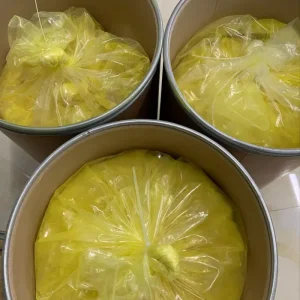
Standard packaging includes 25 kg fiber drums with double PE inner liners and vacuum aluminum foil bags. Customized 500 kg super-sacks or palletized ocean container packaging are available upon request.
Below are expert answers to standard questions regarding Toluhydroquinone handling, formulation chemistry, supply chain logistics, and quality verification.
Browse our complementary catalog of industrial compounds, specialty solvents, and active chemical raw materials.
 JIMPOCHEM