 JIMPOCHEM
1 / 2
| Item | Specifications |
|---|---|
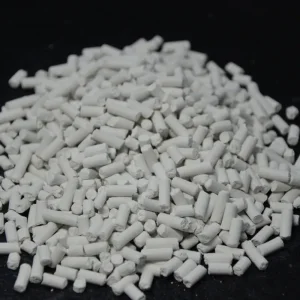
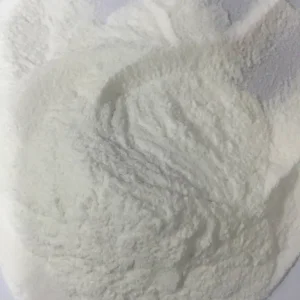
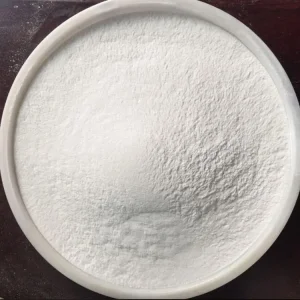
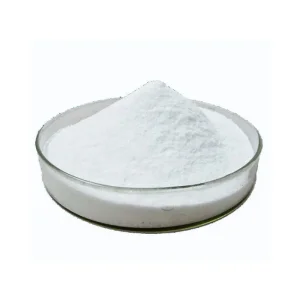
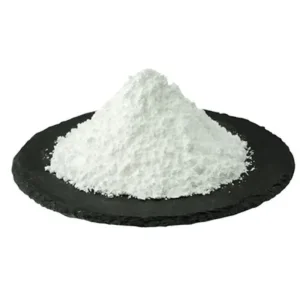
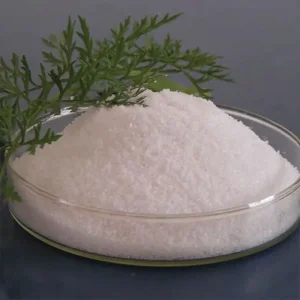
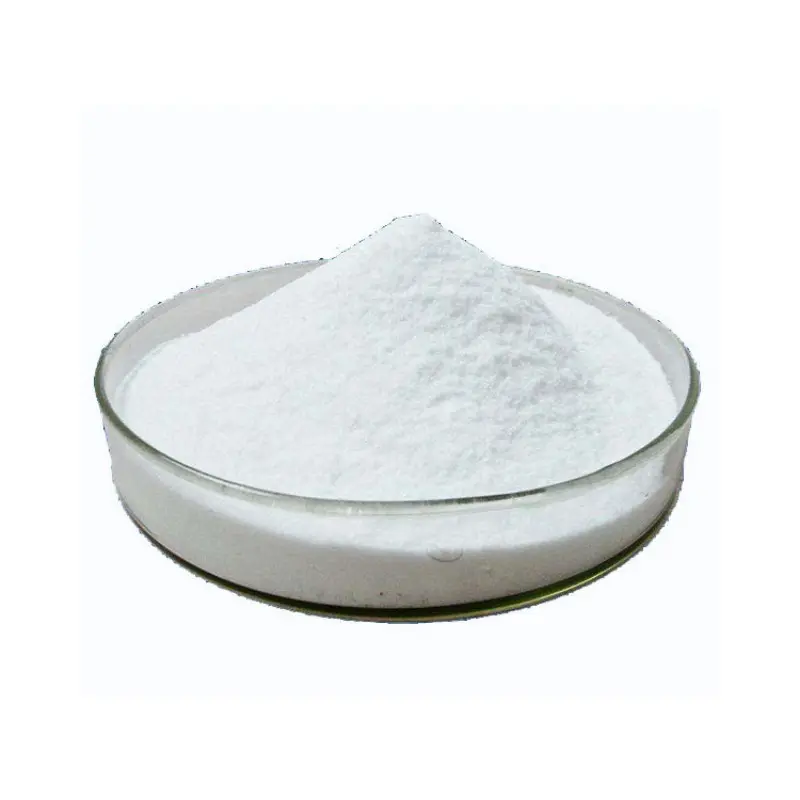
| Appearance | White crystals or crystalline powder |
| Identification | Meets the requirements |
| pH value | 8.0~10.5 |
| Water | ≤3.0% |
| Heavy metals(Pb) | ≤5ppm |
| Chromatographic purity | Not more than 0.3% of any impurity is found; Not more than 0.5% of total impurities is found |
| Assay | 99.0~101.0% |
| Conclusion | Qualified |
Inhibits intermolecular hydrophobic aggregation of proteins, preventing thermal denaturation and freeze-induced damage. Often formulated with Sodium Acetyltryptophanate for injectables such as Human Albumin and Immunoglobulins.
Disrupts bacterial cell membrane integrity, exhibiting strong inhibitory effects against fungi and Gram-positive bacteria. Applied in topical antifungal medications, preservative systems, and oral care products.
Amphiphilic structure (hydrophilic sodium carboxylate + hydrophobic C8 alkyl group) effectively lowers interfacial tension. Functions as an O/W emulsifier, dispersant, and solubilizer, featuring low foam and easy rinse-off.
Weakly alkaline; used for fine-tuning formulation pH to enhance system stability.
In the pharmaceutical industry, sodium octoate is contained in a biological preparation (human albumin) as an inactive ingredient. Biologically advanced acid salts are generally used for the special selection of strains. The reason for the use of salts is that salts have greater solubility than the higher acids themselves. And the pH is better adjusted. For example, when cultivating bacteria that can decompose octanoic acid, sodium octanoate is required to be added to the medium. In the field of chemistry: sodium octanoate can be used to obtain high purity n-heptane by decarboxylation.
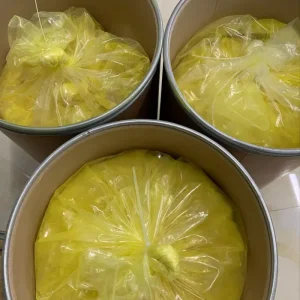
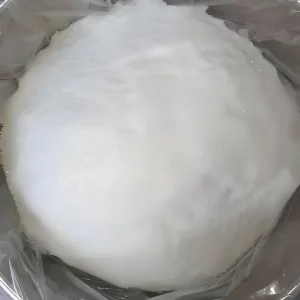
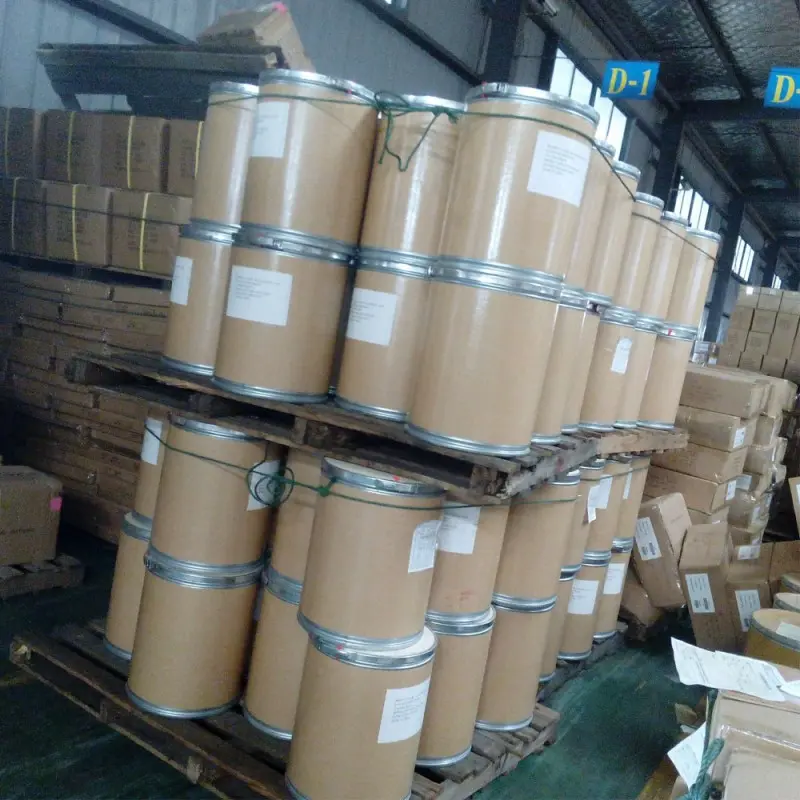
25kg / fiber drum with PE liner
Store in a cool, dry, and sealed place at room temperature, moisture-proof, and protected from strong oxidants.
Sodium Caprylate appears as white crystals or crystalline powder with an assay purity of 99.0% to 101.0% and total chromatographic impurities of not more than 0.5%.
It acts as a protein stabilizer in injectables (such as Human Albumin and Immunoglobulins) by inhibiting intermolecular hydrophobic aggregation and preventing thermal or freeze denaturation.
It disrupts bacterial cell membrane integrity, demonstrating strong inhibitory effects against fungi and Gram-positive bacteria, making it suitable for topical medications, preservatives, and oral care products.
In chemical applications, sodium octoate (sodium caprylate) can undergo decarboxylation to yield high-purity n-heptane.
The standard packaging is 25kg per fiber drum supplied with an inner polyethylene (PE) liner.
It should be kept sealed in a cool, dry place at room temperature, protected from moisture and strong oxidizing agents.