High-purity organic intermediates and functional solvents engineered for chemical manufacturing, pharmaceuticals, and consumer goods in Kenya.
An in-depth whitepaper analysis on industrial chemical consumption, regulatory frameworks, and supply chain strategies in East Africa.
As Kenya accelerates its Vision 2030 industrialization agenda, key sectors—including agricultural processing, personal care manufacturing, pharmaceutical synthesis, structural coatings, and water treatment—demand robust, eco-friendly, and high-purity organic chemical inputs. Establishing direct manufacturing partnerships with leading global chemical producers ensures supply resilience and cost optimization across Nairobi, Mombasa, Kisumu, and Eldoret.
Kenya stands as the economic, financial, and logistical hub of East Africa. The country’s manufacturing sector has undergone significant structural evolution under the national strategy to bolster domestic production, reduce import dependency on finished products, and expand exports within the East African Community (EAC) and the African Continental Free Trade Area (AfCFTA).
Organic chemicals represent the fundamental building blocks for Kenya's key manufacturing sectors. From agrochemical formulation plants in Nakuru to cosmopolitan personal care and cosmetic production hubs surrounding Nairobi (Athi River, Baba Dogo, and Thika Road industrial zones), raw materials must meet strict international standards while remaining commercially viable under fluctuating currency regimes. Chemical purity, lot-to-lot stability, and compliant GHS packaging directly influence manufacturing yields, product shelf-life, and regulatory compliance with local authorities like the Kenya Bureau of Standards (KEBS) and the National Environment Management Authority (NEMA).
Understanding local application parameters is crucial for chemical deployment in East Africa’s unique climatic and economic environment:
Integrating R&D, digital intelligent manufacturing, and end-to-end international chemical logistics.
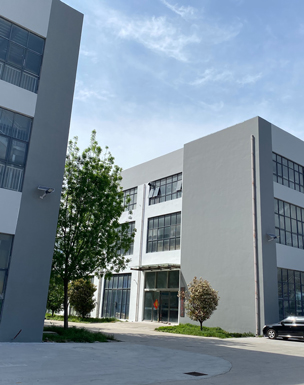
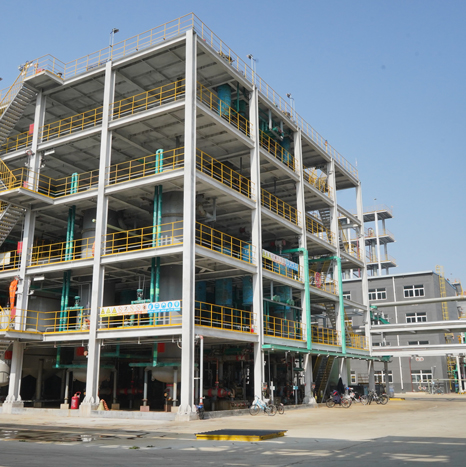
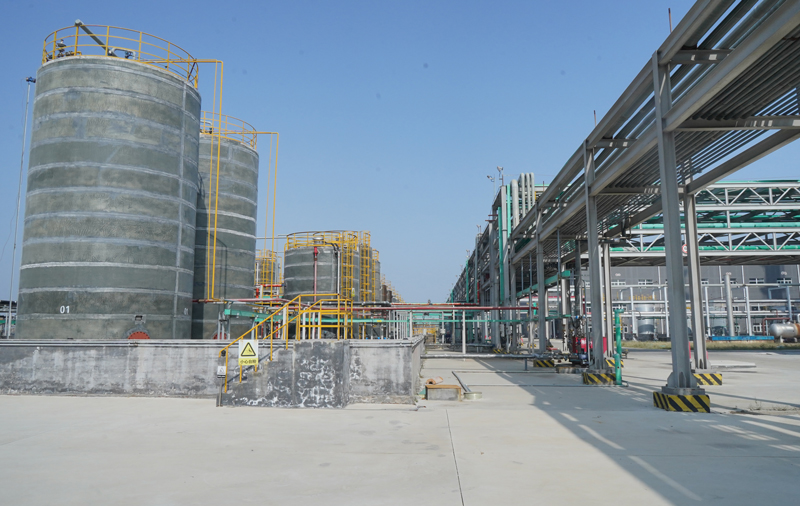
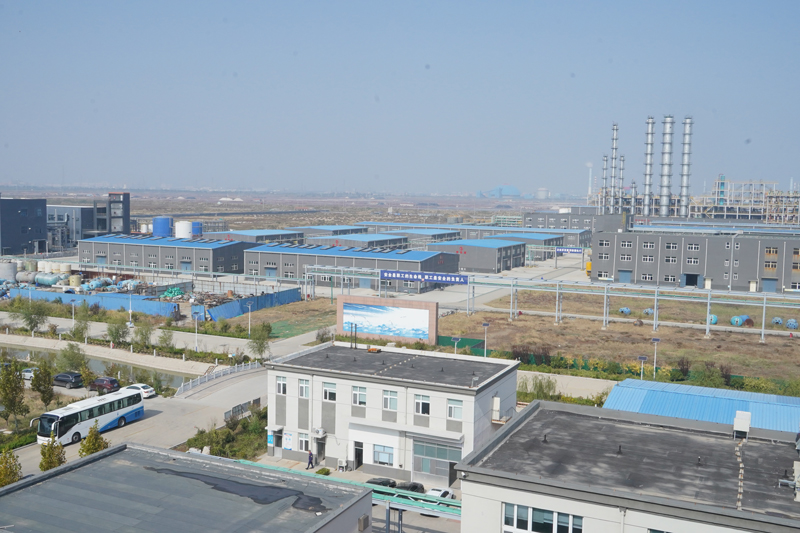
Headquartered in the Chemical Industry Park of Jinan City, Shandong Province, our automated chemical manufacturing base ensures stable raw material processing, high reaction yield, and continuous bulk supply capacity tailored for large-scale procurement.
Adhering strictly to ISO quality and environmental standards, we provide complete Certificate of Analysis (COA), Safety Data Sheets (SDS), and batch traceability from raw material warehousing to pre-shipment third-party inspections (SGS/BV).
Aligned with global dual-carbon initiatives, our zero-emission eco-friendly processes deliver biodegradable, low-hazard chemicals that help African downstream manufacturers transition seamlessly toward sustainable industrial practices.
Take a virtual look inside JIMPOCHEM's 500-acre R&D facility, quality inspection laboratories, and logistics hubs.
Navigating East African imports, trade agreements, standardizations, and maritime logistics.
Direct ocean shipping routes connecting major Chinese ports (Qingdao, Shanghai, Ningbo) to the Port of Mombasa (Kilindini Harbour) provide efficient transit times for containerized (FCL/LCL) and ISO tank chemical shipments. Furthermore, seamless integration with Kenya’s Standard Gauge Railway (SGR) enables efficient transport directly to the Inland Container Depot (ICD) in Nairobi, drastically shortening lead times for factories operating in the capital region.
Exporting fine chemicals to Kenya requires strict adherence to local regulatory mechanisms designed to ensure safety and quality control. Key compliance measures handled by our team include:
The convergence of green chemistry and regional trade integration under AfCFTA is driving significant shifts across Kenya's industrial ecosystem:
1. Shift toward Eco-Friendly Solvents: Local manufacturers are replacing traditional, volatile hydrocarbons with oxygenated, bio-derived solvents like Solketal and MMB to satisfy consumer demand for safer personal care and low-odor paints.
2. Upstream API & Formulations Localisation: Supported by government incentives, Kenyan pharmaceutical firms are increasing localized formulation of health solutions, driving up demand for high-grade raw excipients and buffers.
3. Water Purification Intermediates: Rapid urban population expansion in Nairobi and coastal regions requires larger volumes of water treatment coagulants, scale inhibitors, and specialty carbon dioxide absorbents (e.g., Soda Lime CAS 8006-28-8).
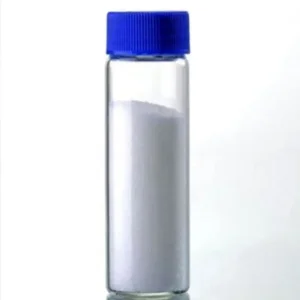
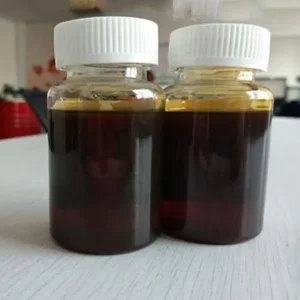
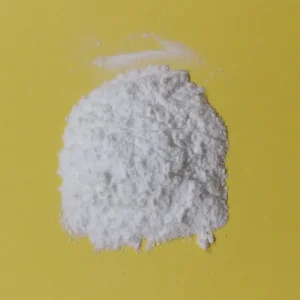
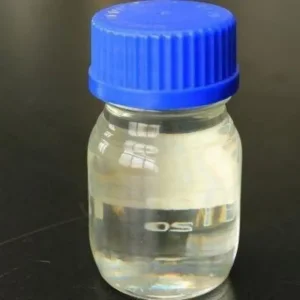
Explore our certified raw materials available for immediate direct export to East Africa.
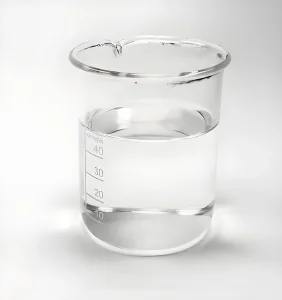
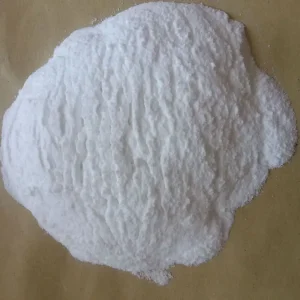
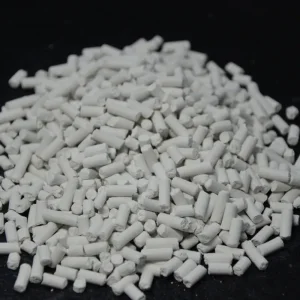
Essential guidance for chemical importers, procurement managers, and manufacturers in Kenya.
Direct sea freight from major Chinese ports (Qingdao, Shanghai, Ningbo) to Mombasa Port typically takes between 20 to 28 days depending on shipping line routing. Additional inland railway transport via SGR to ICD Nairobi takes approximately 1 to 3 days after customs clearance.
We provide a comprehensive export documentation package including Certificate of Analysis (COA), Commercial Invoice, Packing List, Bill of Lading (B/L), GHS-compliant English SDS, and support for obtaining the Pre-Export Verification of Conformity (PVoC) Certificate of Conformity (CoC).
Yes. Our R&D team offers custom synthesis, formulation adjustments, and specialized purity grades (such as pharmaceutical, cosmetic, or technical grade) to align with your exact operational specifications and downstream application needs.
We supply products in heavy-duty UN-approved packaging options including 25kg drums/bags, 200L steel/HDPE drums, 1000L IBC totes, and ISO tanks for bulk liquid shipments designed to ensure chemical stability in tropical climates.
Contact our senior chemical engineers and supply chain specialists today for product quotes, technical datasheets (TDS), safety documentation, and sample requests.
Send Inquiry Now JIMPOCHEM