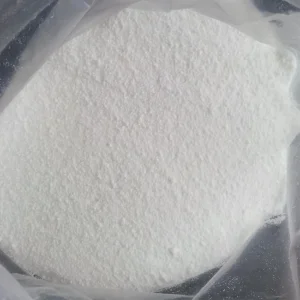
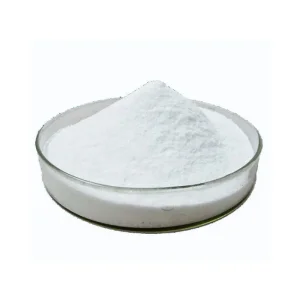
Direct factory supply from our Jinan Chemical Industry Park manufacturing base. High-purity, fully tested, batch-traceable raw materials.
Understanding the molecular kinetics, enzymatic inhibition pathways, and high-efficiency synthesis of China's top cosmeceutical and pharmaceutical active ingredients.
Chemical Name: 5-Hydroxy-2-(hydroxymethyl)-4H-pyran-4-one
Molecular Formula: C6H6O4 | Molecular Weight: 142.11 g/mol
Kojic Acid is a natural fungal metabolite produced predominantly during the aerobic fermentation of carbohydrates by Aspergillus oryzae. Chemically categorized as a gamma-pyrone derivative, Kojic Acid functions as a potent tyrosinase inhibitor. It chelates copper ions at the active site of the tyrosinase enzyme, preventing the enzymatic oxidation of L-tyrosine to 3,4-dihydroxyphenylalanine (L-DOPA), effectively terminating melanogenesis cascades.
Chemical Name: 1,7-Heptanedicarboxylic acid / Nonanedioic acid
Molecular Formula: C9H16O4 | Molecular Weight: 188.22 g/mol
Azelaic Acid is a naturally occurring saturated dicarboxylic acid produced by the yeast Malassezia furfur or synthesized industrially via oxidative cleavage of oleic acid. It exhibits multi-functional biological activity: selective cytotoxic action against hyperactive melanocytes, competitive inhibition of 5α-reductase, normalisation of follicular keratinisation, and potent scavenging of reactive oxygen species (ROS).
When engineered in combined topical or industrial delivery vehicles, Kojic Acid and Azelaic Acid exhibit profound multi-pathway synergy. While Kojic Acid directly scavenges reactive free radicals and chelates copper-dependent catalytic centers, Azelaic Acid operates intracellularly by down-regulating mitochondrial oxidoreductase enzymes in abnormal cells and unclogging follicular pathways. This dual-action framework provides unparalleled efficiency in treating resistant hyperpigmentation, acne vulgaris, and rosacea, while serving as a high-performance chemical precursor for specialty polymers and industrial preservers.
| Analytical Parameter | Kojic Acid (Fermentation Grade) | Azelaic Acid (Micronized/Pharma Grade) |
|---|---|---|
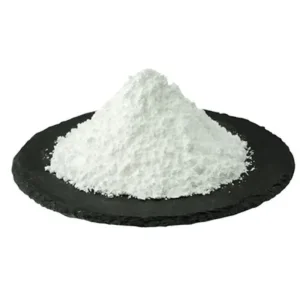
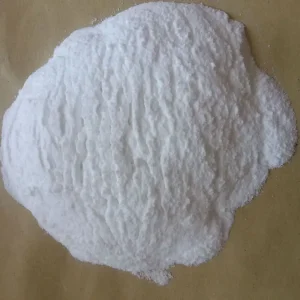
| Appearance | Off-white to white crystalline powder | White to light yellow crystalline powder/flakes |
| Assay (HPLC / Titration) | ≥ 99.0% (Pharma/Cosmetic Grade) | ≥ 99.5% (Pharmaceutical Standard) |
| Melting Point Range | 152.0 °C – 156.0 °C | 106.0 °C – 110.0 °C |
| Loss on Drying | ≤ 0.5% | ≤ 0.3% |
| Heavy Metals (as Pb) | ≤ 10 ppm | ≤ 5 ppm |
| Residue on Ignition | ≤ 0.1% | ≤ 0.1% |
| pH Stability Range | pH 3.5 – 5.5 | pH 4.0 – 6.0 |
Industrial-scale biotechnology, catalytic green oxidation, and advanced purification protocols driving global market leadership.
Our factories utilize 3rd-generation submerged aerobic fermentation towers with continuous dissolved oxygen (DO) monitoring and automated pH adjustments. Using high-yield strain mutants of Aspergillus oryzae fed with non-GMO glucose syrups, fermentation yields exceed 85g/L. The broth undergoes microfiltration, ceramic ultrafiltration to remove proteins, followed by multi-effect vacuum evaporation and dual-stage recrystallization to achieve 99.5%+ pure Kojic Acid crystals without chlorinated solvent residues.
Moving away from traditional ozone cleavage which carries high thermal hazard profiles, our modernized Shandong chemical complex deploys eco-friendly liquid-phase catalytic oxidation. Oleic acid derived from sustainable vegetable oils is cleaved using green hydrogen peroxide (H2O2) under tungstic acid-based phase-transfer catalysts. This produces Azelaic Acid and Pelargonic Acid with zero heavy-metal contamination, achieving pristine crystalline purity with precise particle-size micronization (<10μm D90 for pharmaceutical grade).
Every production reactor is tied directly to a Distributed Control System (DCS) ensuring batch-to-batch consistency across temperature, pressure, flow rate, and residence time. Product release testing incorporates High-Performance Liquid Chromatography (HPLC) with UV/Vis detection, Gas Chromatography-Mass Spectrometry (GC-MS) for volatile organic impurity screening, and Inductively Coupled Plasma Mass Spectrometry (ICP-MS) for trace heavy metal verification.
Navigating international regulatory frameworks: EU SCCS directives, US FDA OTC monographs, and China NMPA safety standards.
The Scientific Committee on Consumer Safety (SCCS) has established strict usage parameters for Kojic Acid in cosmetic formulations (SCCS/1647/22), recommending a maximum concentration of 1% in leave-on face products. Azelaic Acid is listed without concentration restrictions for cosmetics under Annex III, provided safety standards are met, and remains a regulated active pharmaceutical ingredient (API) at 15-20% concentrations for acne and rosacea therapeutics.
In the United States, Azelaic Acid is FDA-approved under prescription monographs (e.g., 15% gel / 20% cream) for inflammatory acne and erythema of rosacea, while OTC cosmetic formulations typically incorporate 5% to 10%. Kojic Acid is widely accepted in cosmetic skin-brightening products up to 1-2% concentration levels, reviewed extensively by the Cosmetic Ingredient Review (CIR) Expert Panel.
China’s National Medical Products Administration (NMPA) includes both Kojic Acid and Azelaic Acid on the Inventory of Existing Cosmetic Ingredients in China (IECIC). As a direct manufacturer, JIMPOCHEM provides full Safety Data Sheets (SDS), Certificates of Analysis (COA), ISO 9001/14001 documentation, and complete toxicological dossier support required for seamless regulatory registration across APAC markets.
From clinical cosmeceuticals to industrial organic synthesis: Practical formulation guidance for optimal efficacy and chemical stability.
Target Indications: Melasma, Post-Inflammatory Hyperpigmentation (PIH), Acne Vulgaris.
Formulation Rule: Kojic acid oxidizes when exposed to air and light, turning reddish-brown over time. Formulators must incorporate chelating agents (such as Sodium Phytate or Disodium EDTA at 0.1-0.2%) along with antioxidants like Sodium Metabisulfite or Tocopherol. Maintain emulsion pH strictly between 3.8 and 4.8.
Target Indications: Prescription-strength anti-acne and rosacea creams (15-20% Azelaic Acid).
Formulation Rule: Azelaic acid features low water solubility (approx 2.4g/L at 20°C). Micronized grades (<10μm) must be suspended using specialized polymeric thickeners (e.g., Carbomer or Polyacrylate Crosspolymer-6) or solubilized using glycol co-solvents (Ethoxydiglycol, Propylene Glycol) to prevent gritty textures.
Industrial Uses: Azelaic acid serves as a precursor to plasticizers (e.g., dioctyl azelate), specialty polyamides (Nylon-6,9), and lubricating greases. Kojic acid derivatives (e.g., Kojic Dipalmitate) are utilized as anti-browning agents in seafood processing and agricultural storage to prevent polyphenol oxidase activity in post-harvest products.
Leveraging strategic infrastructure in Shandong Province to deliver uninterrupted global chemical procurement.
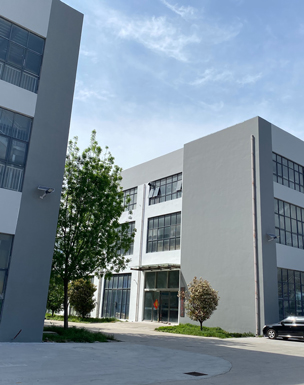
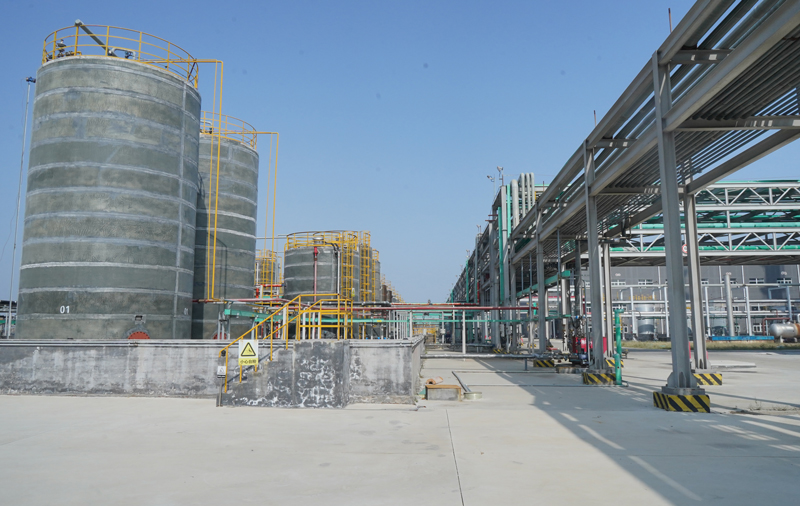
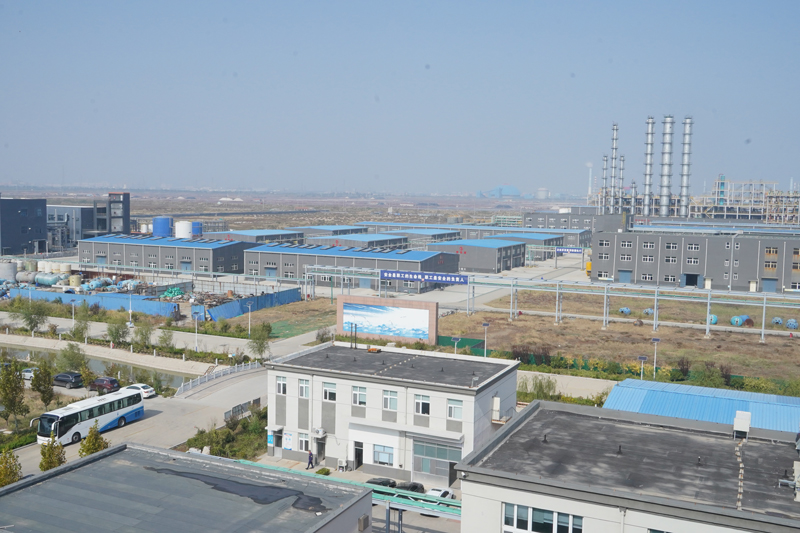
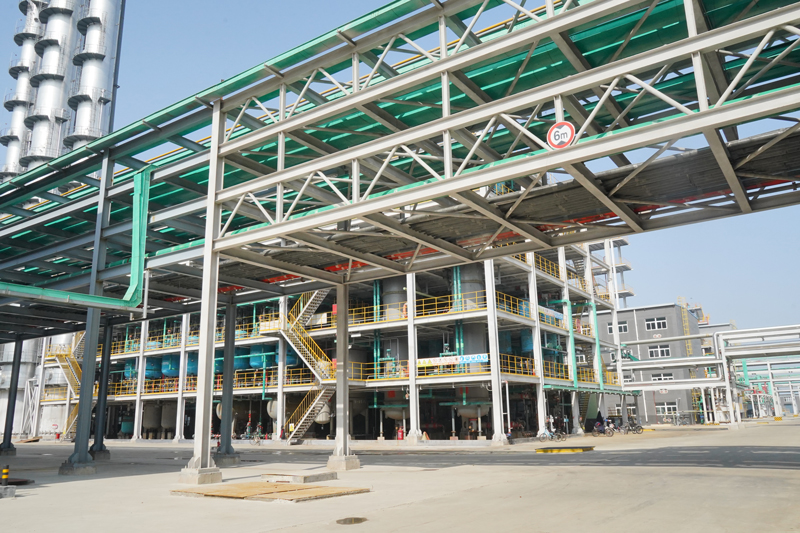
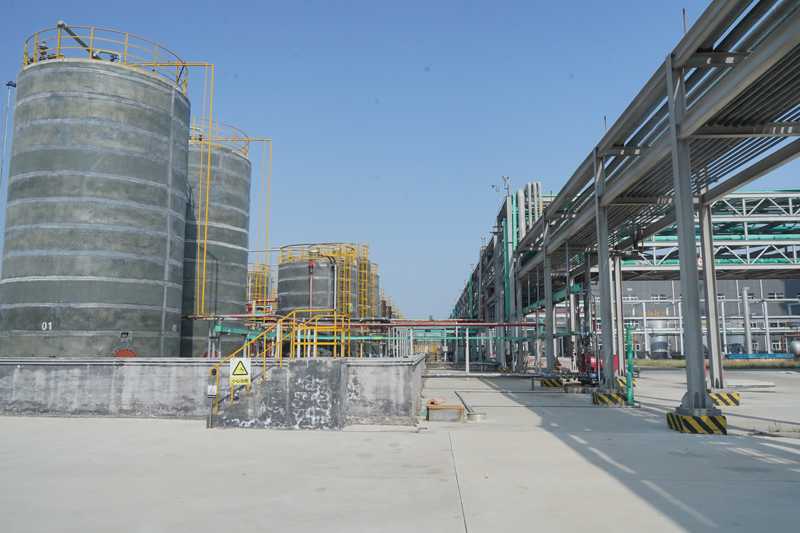
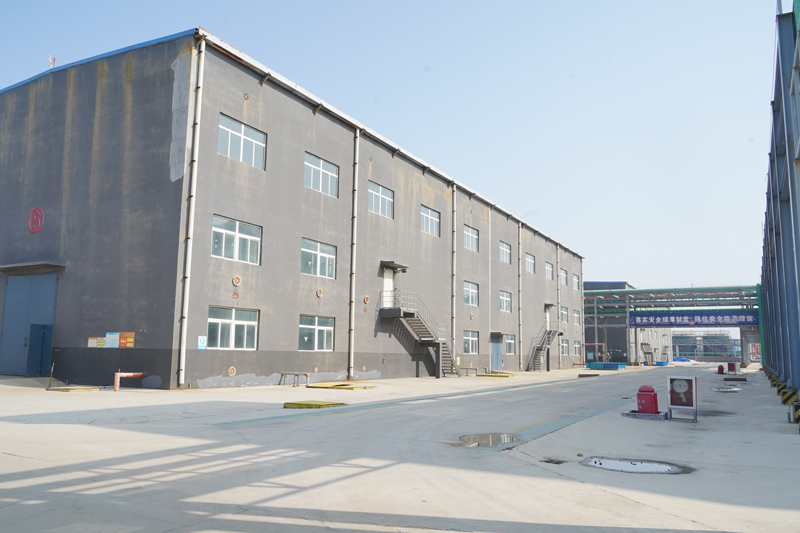
JIMPOCHEM CO., LTD was established in 2010 and is headquartered in the Chemical Industry Park of Jinan City, Shandong Province. The company covers an area of over 500 acres and is a professional chemical raw material manufacturer that integrates research and development, production, sales, and technical services. Its core focus is on high-end fine chemicals and cosmetic raw materials. We have obtained multiple product-related certifications, including ISO quality system certification and environmental management system certification, and are committed to providing high-quality chemical products and one-stop procurement service solutions to global customers.
Our core team comprises experts with over 10 years of experience in the chemical industry. This enables us not only to provide professional products but also to offer solutions in product development, formula optimization, and supply chain management, meeting the personalized needs of diverse clients. We provide high-quality products and services, and our products are exported to over 200 countries and regions in Europe, America, Southeast Asia, the Middle East, and Oceania, serving more than 5,000 international companies. We have also established long-term strategic partnerships with many internationally renowned chemical companies, becoming a trusted designated chemical service provider for numerous clients.
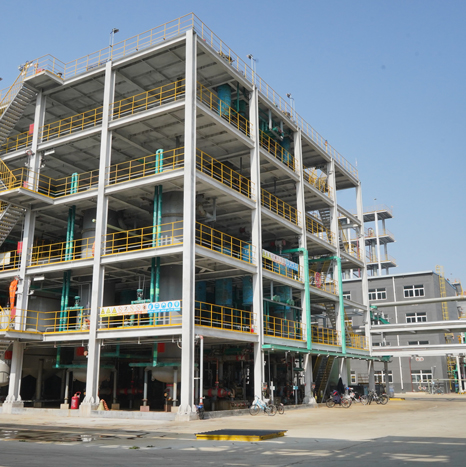
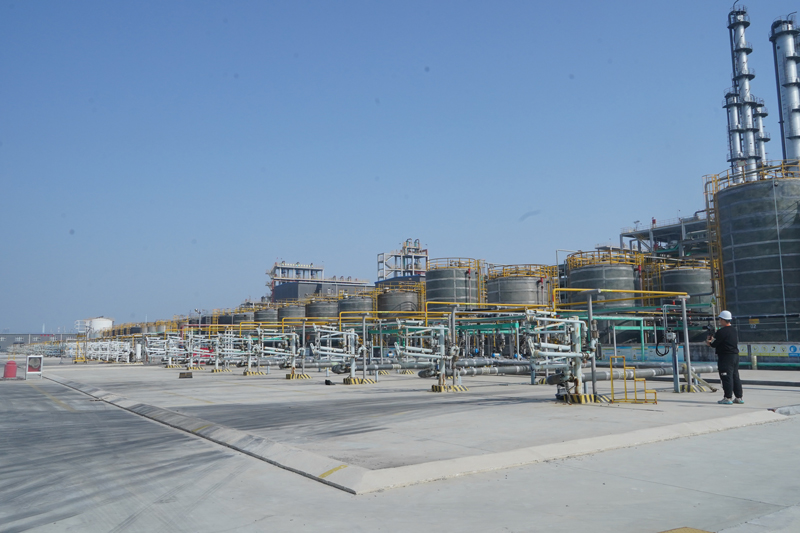
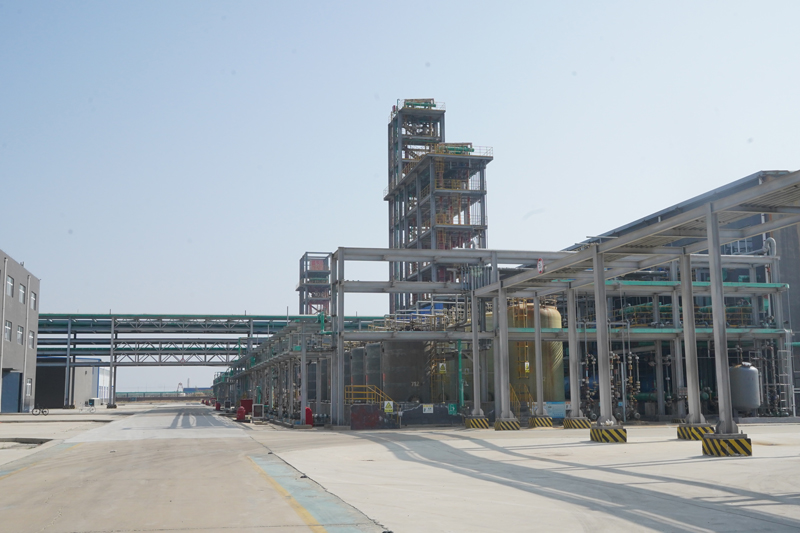
Leveraging years of industry experience, we have established stable raw material procurement channels and partnered with top global chemical raw material suppliers, ensuring stable raw material quality and ample supply. Our modern production base employs an intelligent control system to automate and digitally manage the production process, balancing large-scale production with flexible customization needs. This allows for rapid response to large-volume orders and personalized product requests from our clients.
Adhering to the philosophy that "quality is the lifeline of an enterprise," the company has established a comprehensive quality control system. From raw material warehousing and inspection, real-time monitoring of the production process, to full-item inspection of finished products before shipment, every step adheres to strict quality standards. Simultaneously, a product traceability system has been established, allowing users to trace raw material origin, batch numbers, testing data, and logistics information.
In response to the global "dual-carbon" strategy, the company focuses on the research and development and production of green chemical products, adopting environmentally friendly production processes and optimizing wastewater, waste gas, and waste residue treatment systems to achieve compliant pollutant emissions and resource recycling. Many core products have obtained environmental certifications, helping downstream customers achieve green production transformation.
Take a look inside our Jinan fine chemicals manufacturing base, R&D laboratories, and modern logistics centers.
Explore additional high-purity chemical actives and raw materials manufactured for global export.
Direct responses to essential engineering, formulation stability, quality assurance, and international trade inquiries.
 JIMPOCHEM