 JIMPOCHEM
1 / 2
| Item | Specifications |
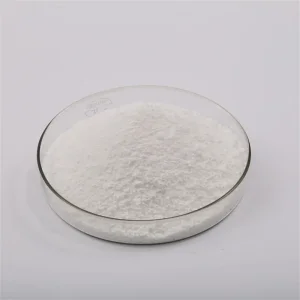
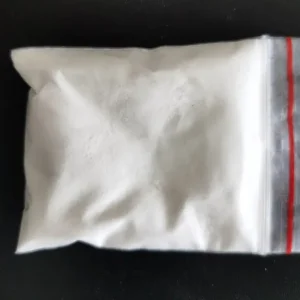
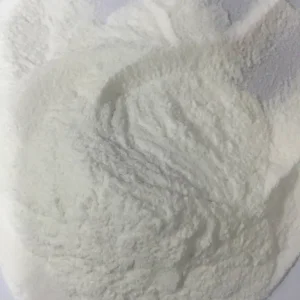
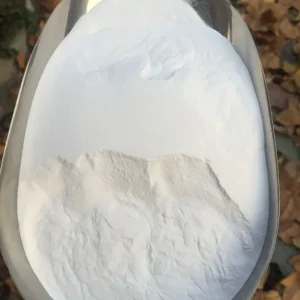
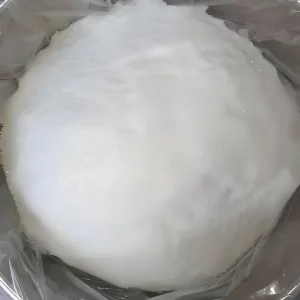
| Characteristics | A white or almost white powder, practically insoluble in water, soluble in alcohol. |
| Melting Point | It melts at about 260℃ |
| Identification | A: Positive B: Positive |
| Appearance of solution | The solution is clear and not more intensely colored than reference solution Y7 |
| Related substances | Less than 0.5% |
| Heavy metals | Not more than 0.001% |
| Acidity or alkalinity | Complies |
| Chlorides | Not more than 0.01% |
| Sulphates | Not more than 0.02% |
| Loss on drying | Not more than 0.5% |
| Sulphated ash | Not more than 0.1% |
| Assay | 98.0%–101.0% (C₂₀H₁₄O₄) |
| Microorganism | TPC < 1000 cfu/g |
| Y and M < 100 cfu/g | |
| E-coli – Absent | |
| Staphylococcus Aureus – Absent | |
| Pseudomonas Aeruginosa – Absent | |
| Albicans Saccharomyces – Absent |
Widely used in chemical experiments, water quality testing, and industrial titration analysis.
Color Change: Colorless in acidic → Colorless in neutral → Pink/Purple-red in alkaline solutions.
Historically used as a stimulant laxative to stimulate colonic mucosa and promote peristalsis. Currently, it is primarily used as a pharmaceutical raw material and research reagent, with clinical usage significantly reduced.
Serves as an analytical reagent and titration indicator. It is also used for pH indication in the electroplating industry, as well as in teaching experiments and chemical detection kits.