 JIMPOCHEM
1 / 2
| Item | Specifications |
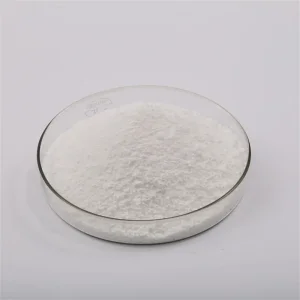
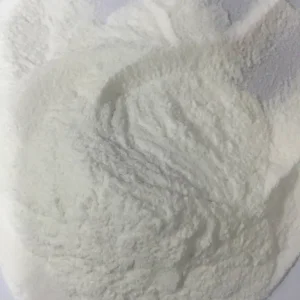
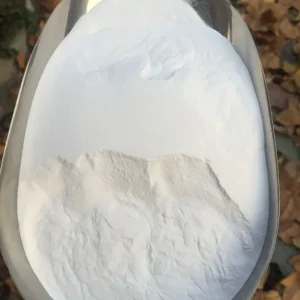
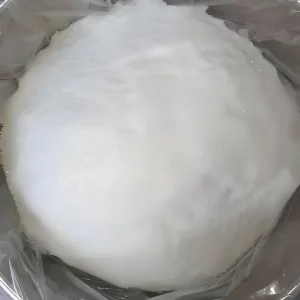
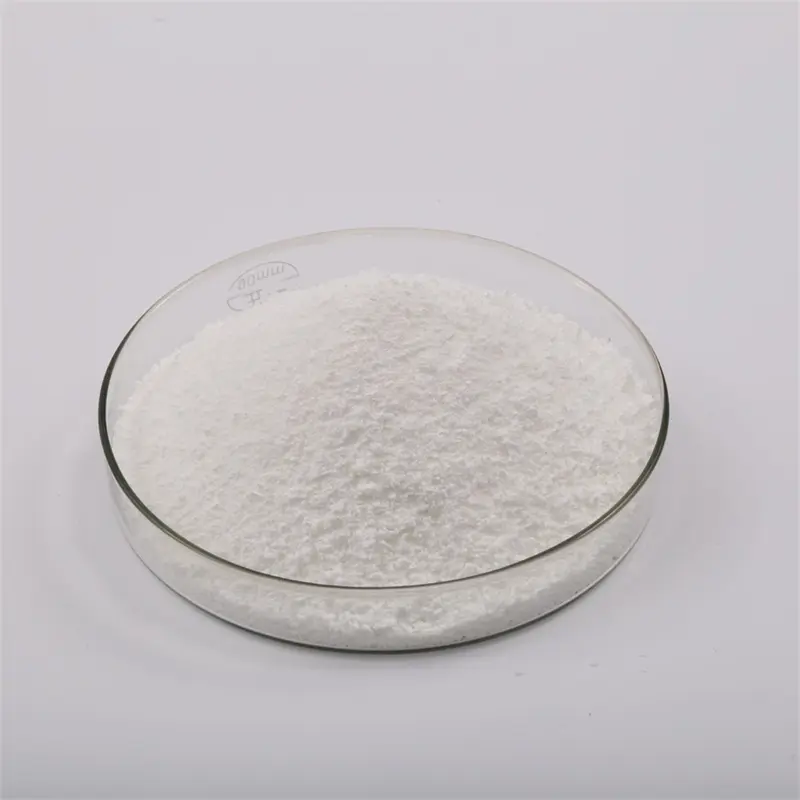
| Appearance | White sheet crystal |
| Assay | ≥98.0% |
| Melting Point | 92~96℃ |
| Loss on Drying | ≤0.5% |
| Ignition Residue | ≤0.5% |
| Color Reaction of Ferric Chloride | Negative |
| Heavy Metal | ≤10ppm |
| Arsenic | ≤2ppm |
| Pathogen | Bacteria: ≤300 cfu/g | Fungus: ≤100 cfu/g |
Solves the fatal flaws of traditional Kojic Acid — sensitive to light and heat, prone to discoloration.
Mechanism: Active hydroxyl group is esterified and blocked by palmitic acid, making it highly stable against light, heat, oxygen, and metal ions.
Data: In accelerated testing (45°C / 60% RH for 3 months), active retention rate is >90% (vs. only 58% for Kojic Acid).
Benefit: Resists yellowing and loss of efficacy without requiring large amounts of additional stabilizers.
Tyrosinase Inhibition: Chelates copper ions (Cu²⁺) at the enzyme's active center, strongly blocking the key rate-limiting step of melanin synthesis — superior to Kojic Acid and Arbutin.
Blocking Melanin Production: Reduces spots and dullness from the source; efficacy rate exceeds 80%.
Gentle Brightening: Offers antioxidant benefits, improving uneven skin tone and aging-related dullness.
Structure: Lipid-soluble structure reduces skin penetration irritation, eliminating the burning sensation of traditional Kojic Acid.
Patch Test: At 2% concentration, no irritation to healthy skin. Irritation index for sensitive skin is only 0.8 (vs. 2.3 for Kojic Acid).
Usage: Non-photosensitive, safe for daytime use, no risk of rebound hyperpigmentation.
Solubility: Lipid-soluble; easily integrates into oil-phase systems like creams and lotions.
Compatibility: Does not conflict with most preservatives, sunscreens, vitamins, and plant extracts.
Penetration: Strong penetration power, effectively reaching skin targets.