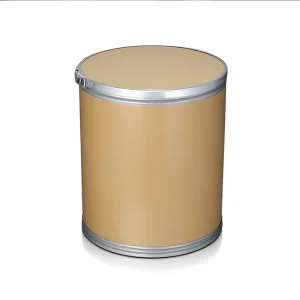
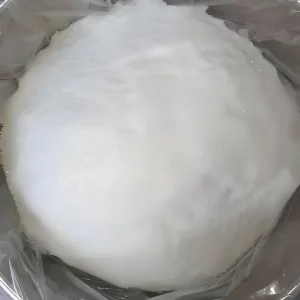
Direct supply solutions from China's leading smart manufacturing infrastructure.
A comprehensive examination of dual-action topical therapies targeting polymicrobial acne vulgaris, inflammatory papules, and post-inflammatory hyperpigmentation (PIH).
In modern dermatological science and pharmaceutical formulation engineering, the co-formulation or concurrent clinical application of Clindamycin (Phosphate/Hydrochloride) and Azelaic Acid (1,7-heptanedicarboxylic acid) represents one of the most effective multi-target strategic therapies for moderate-to-severe acne vulgaris, papulopustular rosacea, and recalcitrant inflammatory dermatoses. Historically, mono-therapies utilizing topical antibiotics such as Clindamycin faced significant hurdles—most notably the alarming rise of bacterial resistance in Cutibacterium acnes (formerly Propionibacterium acnes) strains. By synthesizing and supplying ultra-high purity Azelaic Acid alongside pharmaceutical-grade Clindamycin salts, Chinese chemical manufacturers have enabled global formulators to overcome resistance bottlenecks while achieving superior clinical outcomes.
Core Synergy Mechanism: Clindamycin acts as a potent lincosamide antibiotic targeting bacterial protein synthesis by binding to the 50S ribosomal subunit. Azelaic Acid acts simultaneously through non-antibiotic pathways: inhibiting thioredoxin reductase and 5-alpha reductase, normalizing follicular keratinization, scavenging reactive oxygen species (ROS), and selectively inhibiting hyperactive melanocytes via tyrosinase suppression.
When evaluated via fractional inhibitory concentration index (FICI) testing, the combined regimen of Clindamycin and Azelaic Acid demonstrates a marked synergistic bactericidal effect. Azelaic Acid alters the microenvironment of the pilosebaceous unit by reducing free fatty acids in follicular lipids, thereby lowering the minimum inhibitory concentration (MIC) required for Clindamycin to neutralize C. acnes and Staphylococcus epidermidis. Furthermore, because Azelaic Acid functions as a dicarboxylic acid that disrupts transmembrane pH gradients in prokaryotic cells without inducing plasmid-mediated resistance, it serves as a long-term bio-protector that mitigates the clinical selection pressure for clindamycin-resistant bacterial mutations.
| Active Component | Primary Target / Mechanism | Dermatological Benefit | Formulation Challenges | Jimpochem Supply Grade |
|---|---|---|---|---|
| Clindamycin Phosphate (CAS 24729-96-2) | Binds 50S ribosomal subunit; halts microbial protein synthesis. | Rapid reduction of inflammatory papules & pustules; anti-microbial speed. | Hydrolytic degradation at low pH; potential resistance development. | USP / EP / BP Pharmaceutical Grade (Purity ≥ 99.0%) |
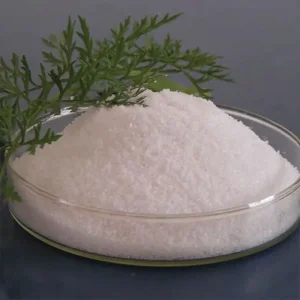
| Azelaic Acid (CAS 123-99-9) | Inhibits DNA synthesis in micro-organisms; normalizes filaggrin expression. | Anti-comedogenic, anti-inflammatory, targets PIH via tyrosinase inhibition. | High melting point (106.5°C); limited water solubility; requires micronization. | Cosmeceutical & Pharma Grade (Micronized d90 < 10μm, Purity ≥ 99.5%) |
| Combined Dual Active System | Multi-target: Anti-bacterial + Keratolytic + Anti-pigmentation + Anti-ROS. | Prevents antibiotic resistance; comprehensive treatment of acne and post-acne scars. | Biphasic pH stabilization (Target pH window 5.0 - 5.5); physical emulsion stability. | Integrated Dual Raw Material Sourcing Package + Custom Co-Micronization |
Market projections, global sourcing specifications, and regulatory compliance standards for international buyers.
The global dermatological active pharmaceutical ingredient (API) market for acne and rosacea care is projected to surpass USD 6.2 Billion by 2030, registering a CAGR of 6.8%. Procurement managers across North America, Europe, and Asia-Pacific are increasingly moving away from simple single-active topical preparations toward sophisticated multi-action combination therapies. Azelaic Acid, traditionally used at 15-20% concentration in prescription products, is experiencing exponential growth in 10% OTC cosmeceutical formulations, driving massive demand for ultra-pure, non-irritating bulk raw materials.
Global pharmaceutical buyers require raw material suppliers capable of providing complete Drug Master Files (DMF), Certificate of Suitability to the Monographs of the European Pharmacopoeia (CEP), and full GMP audit compliance. Key quality parameters for buying Clindamycin and Azelaic Acid together include stringent control over organic impurities (e.g., azelaic acid related compound A, clindamycin B), heavy metal thresholds (<10 ppm), microbiological limits (<100 CFU/g), and consistent particle size distribution (PSD) tailored for stable gel and cream suspensions.
How state-of-the-art chemical parks and smart automation empower JIMPOCHEM to deliver unmatched quality and price competitiveness.
Located in the heart of Shandong Province's chemical hub, JIMPOCHEM leverages direct access to key bio-based and petrochemical feedstocks. For Azelaic Acid synthesis, our facility utilizes advanced catalytic ozonolysis and oxidative cleavage of oleic acid derived from sustainable castor oil, ensuring uninterrupted raw material availability and reduced price volatility.
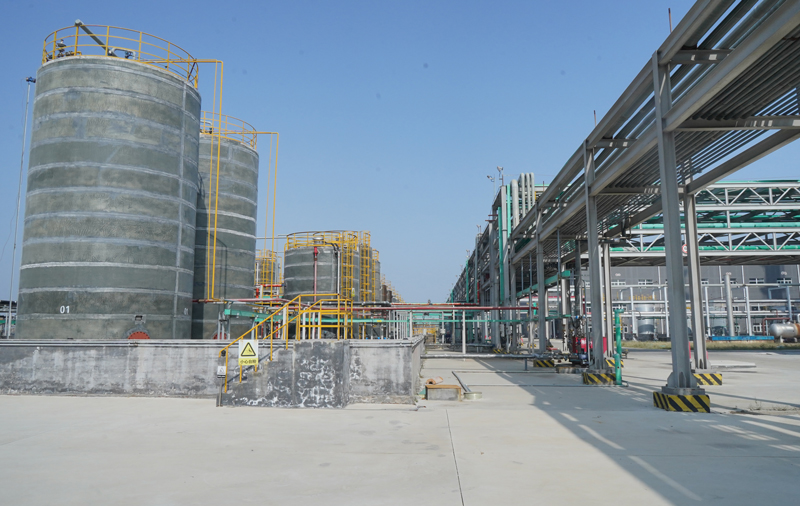
Our 500+ acre industrial facility integrates Distributed Control Systems (DCS) and SCADA dynamic monitoring. Reactor temperatures, pH crystallization curves, and filtration cycles for Clindamycin and Azelaic Acid are digitally controlled to achieve batch-to-batch consistency with purity metrics exceeding standard pharmacopeia thresholds.
Aligning with global "Dual-Carbon" sustainability mandates, our production site operates zero-liquid-discharge (ZLD) wastewater treatment, high-efficiency catalytic VOC oxidation systems, and energy recovery networks. Sourcing from JIMPOCHEM empowers downstream brands to meet Scope 3 carbon reduction targets.
Resolving physicochemical incompatibilities to create stable, highly bioavailable topical delivery systems.
Formulating Clindamycin Phosphate (which exhibits peak stability at pH 6.0–6.5) alongside Azelaic Acid (a weak dicarboxylic acid with pKa values of 4.53 and 5.33 requiring a pH of 4.0–5.0 for maximum skin penetration) presents a classic formulation challenge. Modern pharmaceutical engineering utilizes advanced buffer networks (such as Tris Base and Citrate systems) combined with ethoxylated solubilizers like PPG-20 Methyl Glucose Ether. Micronized Azelaic Acid suspended in a aqueous hydrogel matrix containing solubilized Clindamycin ensures maximum bioavailability without active precipitation.
Designated Chemical Service Provider — Quality Leads the Future
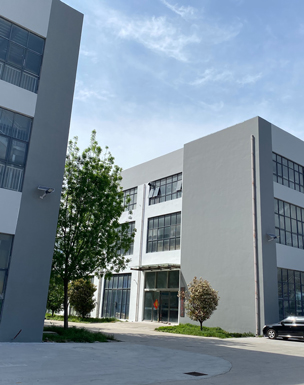
JIMPOCHEM CO., LTD was established in 2010 and is headquartered in the prestigious Chemical Industry Park of Jinan City, Shandong Province. Spanning an expansive area of over 500 acres, the company is a premier chemical raw material manufacturer integrating research and development, large-scale industrial synthesis, global sales, and specialized technical services. Our core focus centers on high-end fine chemicals, active pharmaceutical ingredients (APIs), and advanced cosmetic raw materials.
We hold robust quality management system credentials, including ISO9001 quality certification, ISO14001 environmental management system certification, and ISO45001 occupational health and safety standards. Committed to providing one-stop chemical procurement solutions, JIMPOCHEM serves over 5,000 corporate clients across more than 200 countries and regions in Europe, North America, Southeast Asia, the Middle East, and Oceania.
Our core team comprises senior chemical engineers and formulation PhDs with over 16 years of hands-on industry experience. This deep scientific expertise allows us not only to manufacture high-purity substances like Azelaic Acid, Clindamycin precursors, and specialty cosmetic esters, but also to deliver bespoke solutions in custom synthesis, formula stabilization, micro-milling, and global logistics control.

Addressing common technical inquiries, formulation compatibility, and commercial supply logistics.
Explore our complete catalog of high-purity pharmaceutical intermediates, cosmetic actives, and organic chemicals.
 JIMPOCHEM