China Kojic Acid Dipalmitate CAS 79725-98-7 Manufacturer, Products

Chemical Name: Kojic acid dipalmitate  
CAS No.: 79725-98-7
Molecular Formula: C38H66O6
Molecular Weight:618.93
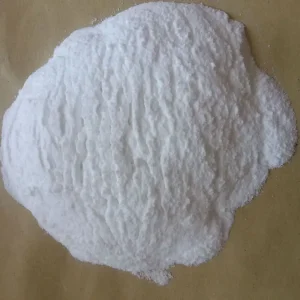
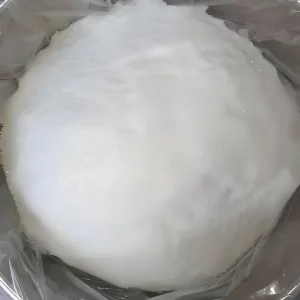
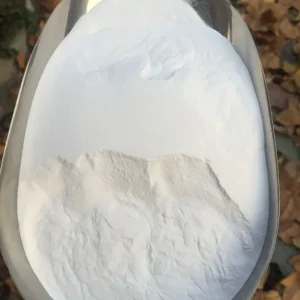
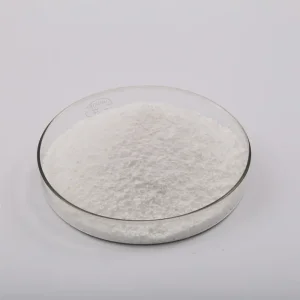
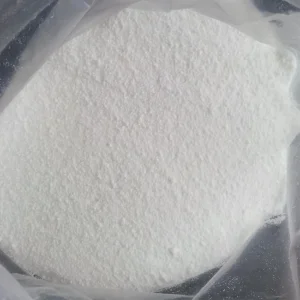
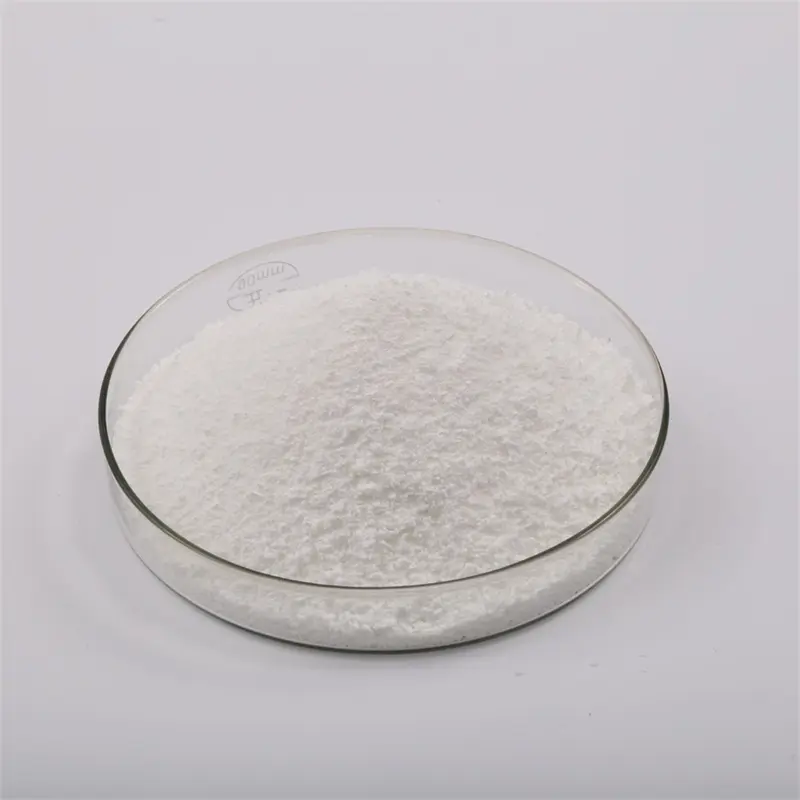
Appearance:white sheet crystal
Sample:Free samples are available
Lipid-soluble; soluble in mineral oils, esters, and hot ethanol; insoluble in water.

Product Description

Typical Properties
Item Specifications
Appearance white sheet crystal
Assay ≥98.0%
Melting point 92~96℃
Loss on drying ≤0.5%
Ignition residue ≤0.5%
Color reaction of ferric chloride Negative
Heaby metal ≤10ppm
Arsenic ≤2ppm
Pathogen Bacteria: ≤300cfu/g | Fungus: ≤100cfu/g
Core Characteristics & Advantages
1. Ultimate Stability
It solves the fatal flaws of traditional Kojic Acid, which is sensitive to light and heat and prone to discoloration.
Mechanism: The active hydroxyl group is esterified and blocked by palmitic acid, making it highly stable against light, heat, oxygen, and metal ions.
Data: In accelerated testing (45°C / 60% RH for 3 months), the active retention rate is >90% (compared to only 58% for Kojic Acid).
Benefit: It resists yellowing and loss of efficacy in formulations without requiring large amounts of additional stabilizers.
2. Highly Efficient Whitening Mechanism
Tyrosinase Inhibition: By chelating the copper ions (Cu²⁺) at the enzyme's active center, it strongly blocks the key rate-limiting step of melanin synthesis. Its inhibition efficiency is superior to that of Kojic Acid and Arbutin.
Blocking Melanin Production: It reduces the formation of spots and dullness from the source, with an efficacy rate exceeding 80%.
Gentle Brightening: It also offers antioxidant benefits, improving uneven skin tone and aging-related dullness.
3. Safety & Low Irritation
Structure: Its lipid-soluble structure reduces skin penetration irritation, eliminating the burning sensation associated with traditional Kojic Acid.
Patch Test: At 2% concentration, it causes no irritation to healthy skin. The irritation index for sensitive skin is only 0.8 (compared to 2.3 for Kojic Acid).
Usage: It is non-photosensitive, safe for daytime use, and carries no risk of rebound hyperpigmentation.
4. Excellent Formulation Compatibility
Solubility: Being lipid-soluble, it easily integrates into oil-phase systems like creams and lotions, making it formulation-friendly.
Compatibility: It does not conflict with most preservatives, sunscreens, vitamins, and plant extracts.
Penetration: It has strong penetration power, effectively reaching skin targets.
Main Efficacy & Applications
1. Core Efficacy
Whitening & Spot Fading: Fades melasma, age spots, acne marks, and post-inflammatory hyperpigmentation (PIH).
Brightening Skin Tone: Improves dullness and sallow complexion, leaving the skin translucent and fair.
Antioxidant: Scavenges free radicals and assists in preventing photo-aging.
2. Application Areas (Cosmetics)
Whitening Creams / Serums: Focus on spot fading and brightening.
Spot Correctors: Targets stubborn pigmentation and acne marks.
Sunscreen / Primers: Synergistic whitening effect to prevent tanning.
Body Lotions / Hand Creams: All-over body whitening.
Makeup / Foundation: Brightens complexion while providing concealing and skin-nourishing benefits.
Packaging & Storage
Package
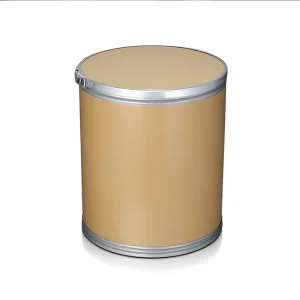
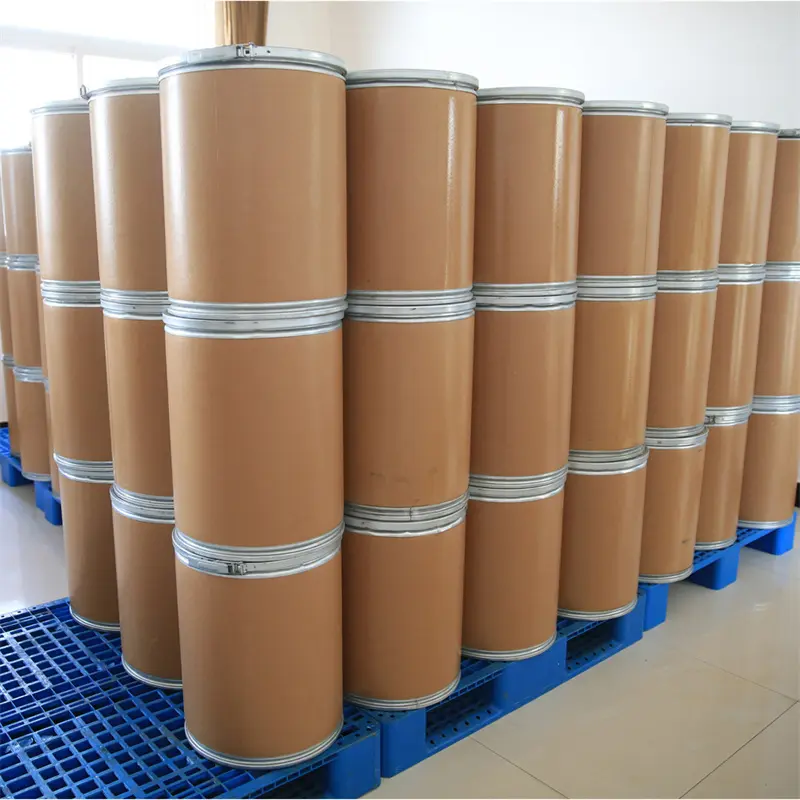
25kg/drum
Storage
Store in a cool, dry, and dark place in a sealed container.
Frequently Asked Questions (FAQ)
Q1 How does this ingredient compare to traditional Kojic Acid in terms of stability?
Unlike traditional Kojic Acid which easily oxidizes and discolors, this esterified derivative offers superior stability against light, heat, oxygen, and metal ions, retaining over 90% activity in accelerated stability tests.
Q2 Is this product safe for sensitive skin and daily use?
Yes. Its lipid-soluble structure reduces skin irritation, with a patch test irritation index of only 0.8 at 2% concentration. It is non-photosensitive, making it completely safe for daytime application.
Q3 What are its main cosmetic applications?
It is widely used in high-efficiency whitening creams, brighting serums, target spot correctors, protective sunscreens, nourishing body lotions, and color cosmetic foundations.
Q4 How does it effectively inhibit skin pigmentation?
It works by chelating copper ions (Cu²⁺) at the active center of tyrosinase, effectively blocking the key process of melanin synthesis with an efficacy rate exceeding 80%.
Q5 How easily can this raw material be formulated?
Because it is lipid-soluble, it incorporates seamlessly into the oil phase of formulations and possesses high compatibility with most sunscreens, vitamins, preservatives, and botanical extracts.
Q6 What are the recommended storage conditions and standard packaging?
The standard supply size is 25kg per drum. It should be kept sealed in a cool, dry, and dark environment to maintain maximum shelf life and product freshness.

Related Products