Explore our factory-direct fine chemical portfolio engineered for cosmetics, pharmaceutical intermediates, and high-performance industrial formulations.
Hyperpigmentation—encompassing melasma, post-inflammatory hyperpigmentation (PIH), solar lentigines, and erythrodermic acne scars—represents one of the most complex dermatological conditions targeted by the global cosmeceutical and pharmaceutical industries. As regulatory bodies in the European Union, North America, and Asia increasingly restrict harsh depigmenting agents such as Hydroquinone due to toxicity concerns (e.g., ochronosis, cytotoxicity), Azelaic Acid (CAS 123-99-9) has emerged as the premier therapeutic active ingredient.
Synthesized as a naturally occurring saturated dicarboxylic acid ($C_9H_{16}O_4$), Azelaic Acid exerts a multi-targeted biochemical mechanism that specifically isolates and neutralizes hyperactive melanocytes without compromising baseline skin pigmentation. Leading global formulators rely on Chinese manufacturing hubs like JIMPOCHEM CO., LTD to secure ultra-pure, ultra-fine micronized grades of Azelaic Acid capable of penetrating stratum corneum barriers while ensuring physical formulation stability.
Azelaic Acid serves as a reversible competitive inhibitor of tyrosinase, the rate-limiting enzyme in melanogenesis. By binding competitively to the binuclear copper active site within tyrosinase, it impedes the conversion of L-tyrosine to L-DOPA and subsequently to dopaquinone.
Unlike non-selective depigmenting agents, Azelaic Acid exhibits selective cytotoxicity toward abnormal, hyperactive melanocytes (such as those found in melasma lesions or PIH). It inhibits oxidoreductase enzymes (specifically thioredoxin reductase) and disrupts mitochondrial DNA synthesis within abnormal cells, leaving normal melanocytes unaffected.
Post-inflammatory hyperpigmentation is driven by reactive oxygen species (ROS) released during dermal inflammation. Azelaic Acid scavenges hydroxyl and superoxide free radicals, suppressing neutrophil-mediated oxidative stress and downregulating pro-inflammatory cytokines ($IL-1\beta$, $IL-6$, $TNF-\alpha$).
The global market for anti-hyperpigmentation actives is projected to expand at a CAGR of >7.8% through 2030, driven by escalating consumer demand for non-invasive, dermatologically backed skin-lightening solutions across Asia-Pacific, North America, and the EMEA region. As global cosmetic conglomerates shift from basic skin-lightening to medical-grade cosmeceuticals, procurement requirements for Azelaic Acid have undergone a paradigm shift.
Manufactured under strict ISO 9001 and ISO 14001 Quality Management Systems, JIMPOCHEM’s Azelaic Acid raw material meets and exceeds USP/EP pharmacopeial specifications. Every batch undergoes rigorous HPLC testing, mass spectrometry, and heavy metal screening to guarantee consistent quality for global B2B procurement.
| Analytical Parameter | Technical Standard / Specification | Testing Method / Protocol |
|---|---|---|
| Chemical Name | 1,7-Heptanedicarboxylic acid / Nonanedioic acid | IUPAC Nomenclature |
| CAS Number | 123-99-9 | Global Identifier |
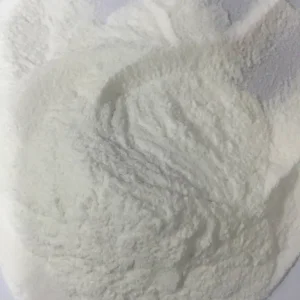
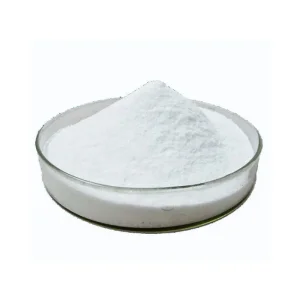
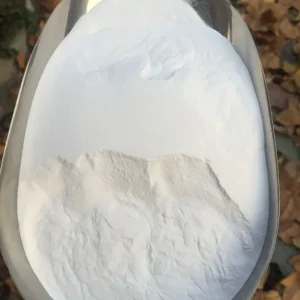
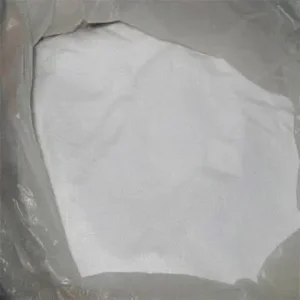
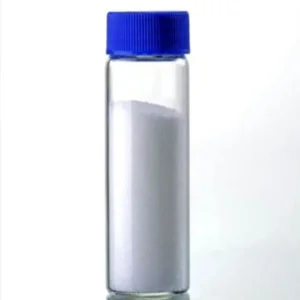
| Appearance | White to Off-White Fine Crystalline Powder | Visual Inspection |
| Assay (Purity) | ≥ 99.0% to 99.8% | HPLC (High-Performance Liquid Chromatography) |
| Melting Point | 106.0°C — 110.0°C | Capillary Tube / DSC |
| Particle Size Distribution | Micronized Grade: $D_{90} \le 10\,\mu\text{m}$ / Standard: $D_{90} \le 45\,\mu\text{m}$ | Laser Diffraction (Malvern Mastersizer) |
| Loss on Drying | ≤ 0.5% | Gravimetric analysis (105°C, 2 Hours) |
| Heavy Metals (Pb, As, Cd, Hg) | ≤ 10 ppm Total (Individual heavy metals ≤ 2 ppm) | ICP-MS (Inductively Coupled Plasma Mass Spectrometry) |
| Residual Solvents | Complies with ICH Q3C Guidelines (Methanol/Toluene < limits) | GC-Headspace |
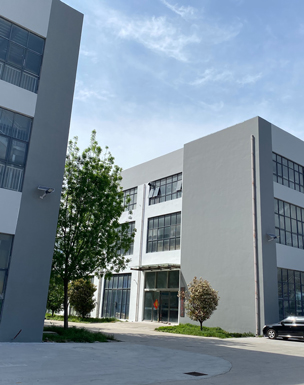
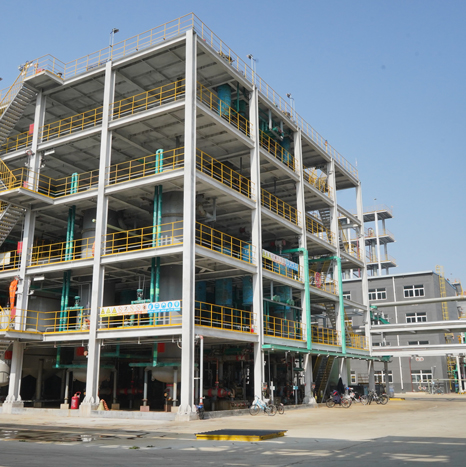
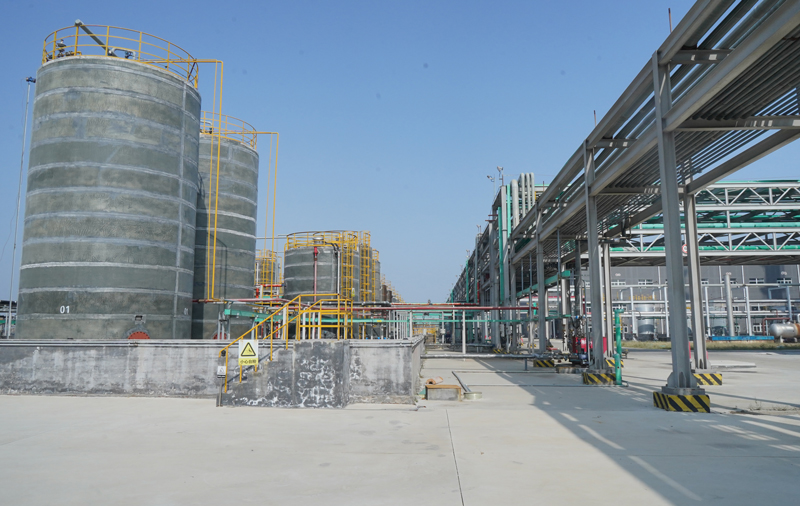
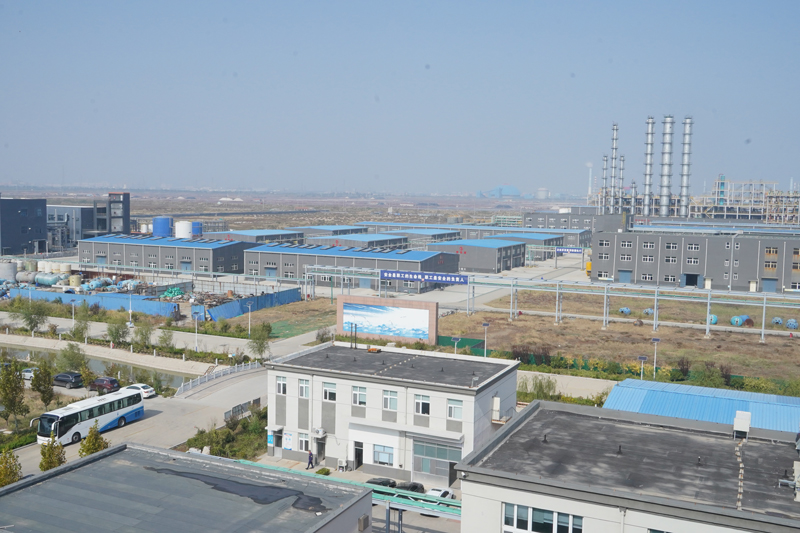
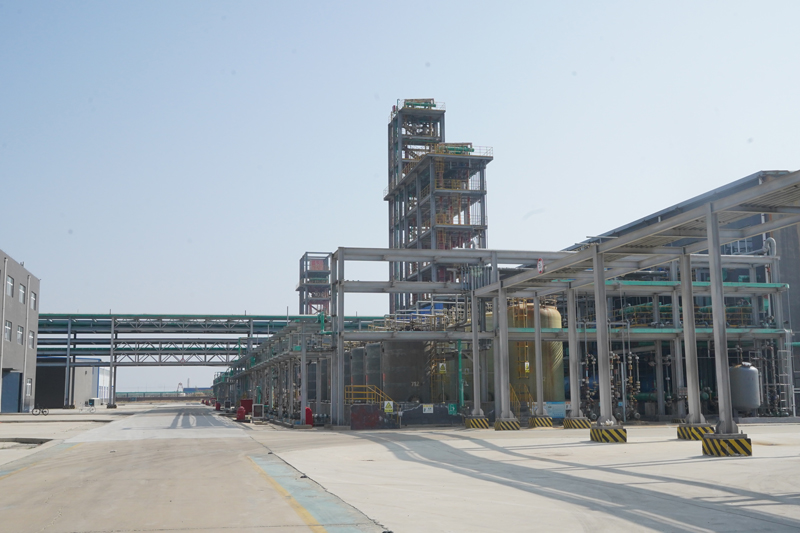
At our expanded 500+ acre chemical manufacturing complex in Jinan City, Shandong Province, JIMPOCHEM utilizes advanced catalytic oxidation technologies to produce high-purity Azelaic Acid with optimal atom economy and minimal environmental impact.
Natural oleic acid derived from bio-based triglycerides undergoes controlled oxidation across double bonds. Chemical engineers utilize proprietary catalysts to achieve selective cleavage into Azelaic Acid and Pelargonic Acid, minimizing mono-acid side impurities.
Raw synthesized Azelaic Acid passes through solvent recrystallization cascades, separating trace long-chain dicarboxylic acids ($C_{10}-C_{12}$) and unreacted fatty acids to achieve purity levels reaching up to 99.8%.
To address formulation recrystallization and grittiness, purified crystals undergo low-temperature jet milling. Fluidized air jets break crystals down to tight sub-10 micron distributions without thermolytic degradation.
Azelaic Acid presents unique formulation challenges due to its low solubility in water ($2.4\,\text{g/L}$ at 20°C) and limited solubility in non-polar oils. Unstable formulations risk crystal growth over time, leading to grainy textures and compromised skin absorption. Formulators utilize advanced solvent systems and active synergies to maximize stability and efficacy.
Utilizing high-polarity glycol mixtures (e.g., Ethoxydiglycol, Propylene Glycol, Methylpropanediol) combined with non-ionic emulsifiers allows formulators to create stable gel-cream matrices that hold 10% to 20% micronized Azelaic Acid in uniform suspension without phase separation.
Encapsulating Azelaic Acid within phospholipid bilayers or lipid nanoparticles (SLN/NLC) enhances skin penetration into deeper epidermal layers where hyperactive melanocytes reside, while significantly reducing surface erythema and tingling sensations.
Azelaic Acid exhibits exceptional clinical synergy when combined with complementary brightening actives:
Navigating global regulatory landscapes requires full supply chain transparency, comprehensive analytical documentation, and adherence to international chemical control laws. JIMPOCHEM provides end-to-end regulatory support for seamlessly integrating Azelaic Acid into cosmetic and pharmaceutical product pipelines across Europe, North America, Latin America, and Asia-Pacific.
Azelaic Acid is approved for over-the-counter cosmetic use in the European Union without concentration restrictions, provided safety assessments (CPSR) are satisfied. Full EU REACH registration dossiers are available.
In the United States, Azelaic Acid is marketed in prescription strength (15%-20%) for rosacea/acne under FDA monographs, while lower dosage derivatives and formulations comply with personal care ingredient guidelines.
Fully compliant with China’s National Medical Products Administration (NMPA) inventory of existing cosmetic ingredients (IECIC 2021 edition), backed by complete safety data and toxicological profiles.
Every commercial batch is supplied with a batch-specific Certificate of Analysis (COA), SDS (Safety Data Sheet in SDS/GHS format), Heavy Metal Reports, and ISO 9001/14001 certification.
As market dynamics demand increasingly sophisticated active ingredients, JIMPOCHEM’s R&D division is driving innovation in skin brightening technologies and water-soluble dicarboxylic acid derivatives.
A water-soluble derivative formed by reacting Azelaic Acid with glycine. PAD provides superior brightening and sebum-normalizing properties at neutral pH, offering a non-irritating, completely liquid-stable alternative for clear facial serums.
Transitioning from chemical oxidative cleavage to synthetic biology and enzymatic yeast fermentation. Bio-fermentation routes promise lower carbon footprints, zero organic solvents, and 100% bio-based carbon content for green cosmetic certification.
Linking Azelaic Acid molecules with skin-penetrating oligopeptides to increase affinity for follicular melanocytes, enabling ultra-low dosage forms with maximized clinical depigmentation outcomes.
Established in 2010 and headquartered in the prestigious Chemical Industry Park of Jinan City, Shandong Province, JIMPOCHEM CO., LTD spans an expansive manufacturing base of over 500 acres. We are a professional chemical raw material manufacturer integrating advanced research and development, large-scale industrial production, global sales, and technical formulation services.
Our core operational focus covers high-end fine chemicals, cosmetic active ingredients, pharmaceutical intermediates, and specialized fluorine compounds. Backed by ISO quality management certifications, our products are exported to more than 200 countries and regions across Europe, the Americas, Southeast Asia, the Middle East, and Oceania, serving over 5,000 international enterprises.
Technical guidance and procurement answers curated by our senior cosmetic chemists and international trade specialists.
Explore additional high-purity chemical raw materials manufactured by JIMPOCHEM for global personal care and industrial sectors.
 JIMPOCHEM