Explore our core portfolio of cosmetic actives, organic intermediates, and specialized chemical compounds engineered to rigorous international standards.
Unlocking formulation science, dual-action epidermal kinetics, and commercial sourcing optimization for modern cosmeceuticals and green chemical processes.
SEO & Formulator Insight: Securing pure-grade Azelaic Acid (CAS 123-99-9) and Lactic Acid (CAS 50-21-5 / 79-33-4) from a single certified China manufacturer significantly improves batch-to-batch consistency, reduces logistical overheads, and unlocks powerful clinical formulation synergies for dermatological peel solutions, anti-acne treatments, hyperpigmentation correctors, and eco-friendly industrial solvents.
Azelaic Acid is a saturated nine-carbon dicarboxylic acid (HOOC(CH2)7COOH). It acts as a selective competitive inhibitor of tyrosinase, reducing melanin synthesis in hyperactive melanocytes without affecting normal skin. Furthermore, its 5-alpha reductase inhibition property makes it an irreplaceable therapeutic active against acne vulgaris and rosacea.
Lactic Acid (2-hydroxypropanoic acid) is an Alpha-Hydroxy Acid (AHA) produced predominantly through corn-starch bio-fermentation. Beyond its superficial desquamation effect through stratum corneum cell cohesion disruption, it functions as an essential component of the skin's Natural Moisturizing Factor (NMF), boosting ceramides synthesis.
When combined in advanced cosmeceuticals, Lactic Acid lowers skin barrier resistance through micro-exfoliation, enabling deeper and more uniform penetration of micronized Azelaic Acid crystals. This dual-action mechanism accelerates cell turnover while suppressing inflammatory pathways and hyperpigmentation cascades.
Analyzing global demand trajectories, industrial adoption, regional procurement shifts, and green biochemical regulatory mandates.
The rapid rise in global consumer awareness regarding active ingredient purity has skyrocketed demand for pharma-grade Azelaic Acid and Lactic Acid. Brand owners require stable, low-coloration, low-odor bulk raw materials that integrate seamlessly into serum suspensions, gels, and chemical peel solutions without phase separation.
Beyond personal care, Lactic Acid serves as the primary monomer for Polylactic Acid (PLA), a leading biodegradable polymer replacing petroleum-based plastics. Meanwhile, Azelaic Acid esters act as high-performance plasticizers, synthetic lubricants, and corrosion inhibitors across automotive and industrial coating formulations.
Global procurement teams in North America, Europe, and Asia-Pacific are increasingly enforcing green chemical compliance. Buyers mandate suppliers that utilize vegetable-derived oleochemical precursors (castor oil oxidation for Azelaic Acid) and non-GMO sugar fermentation (for Lactic Acid) to lower carbon footprints.
Comprehensive laboratory validation criteria for wholesale chemical buyers, quality control teams, and formulation research engineers.
| Analytical Parameter | Azelaic Acid (Pharma/Cosmetic Grade) | Lactic Acid (Bio-Fermentation Grade 88%) |
|---|---|---|
| CAS Registry Number | 123-99-9 | 50-21-5 / 79-33-4 (L-form) |
| Chemical Formula | C9H16O4 | C3H6O3 |
| Molecular Weight | 188.22 g/mol | 90.08 g/mol |
| Purity / Assay (HPLC/Titration) | ≥ 99.0% - 99.5% | 85.0% - 90.0% aqueous solution |
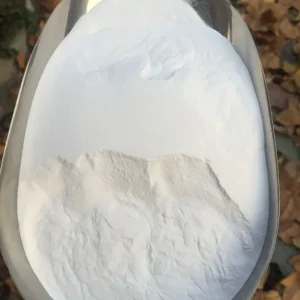
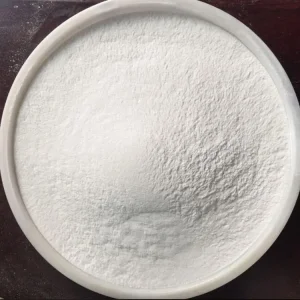
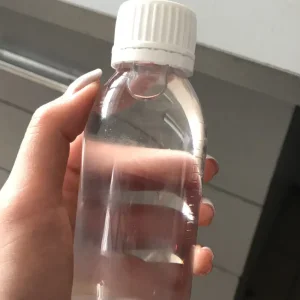
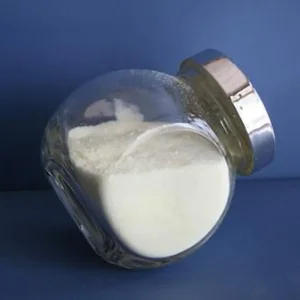
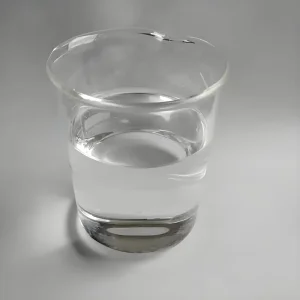
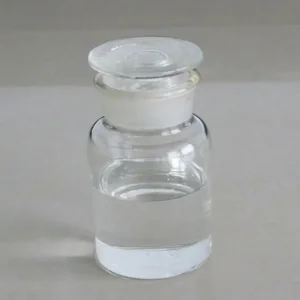
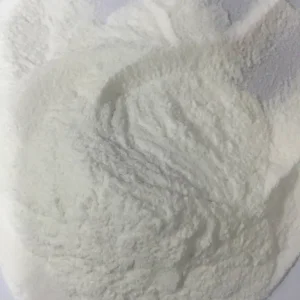
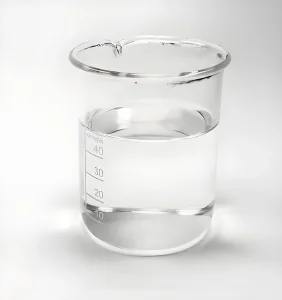
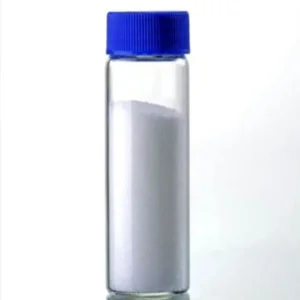
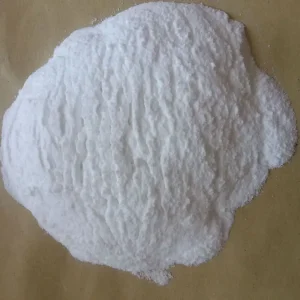
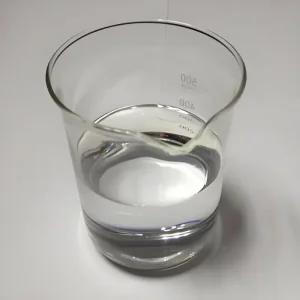
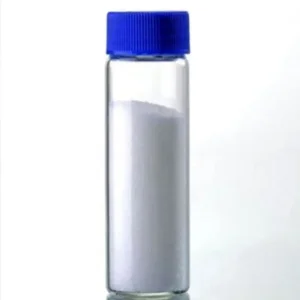
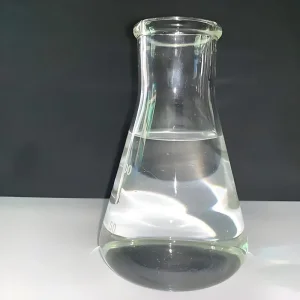
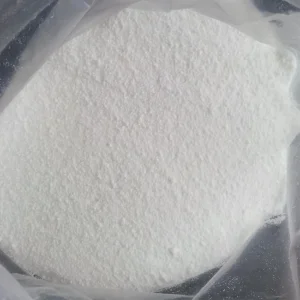
| Physical Appearance | White to off-white crystalline powder | Colorless to pale yellow viscous liquid |
| Melting Point / Boiling Point | Melting Point: 106.5°C to 110.0°C | Boiling Point: ~122°C (15 mmHg) |
| Heavy Metals (as Pb) | ≤ 10 ppm | ≤ 5 ppm |
| Arsenic (As) Content | ≤ 2 ppm | ≤ 1 ppm |
| Solubility Profile | Slightly soluble in cold water; soluble in hot water, alcohol, and glycols | Miscible in water, ethanol, and ether in all proportions |
| Microbiological Limits | Total Plate Count < 100 CFU/g, Pathogens Negative | Total Plate Count < 100 CFU/g, Pathogens Negative |
Why leading global cosmetic conglomerates and industrial buyers partner with Shandong chemical infrastructure leaders.
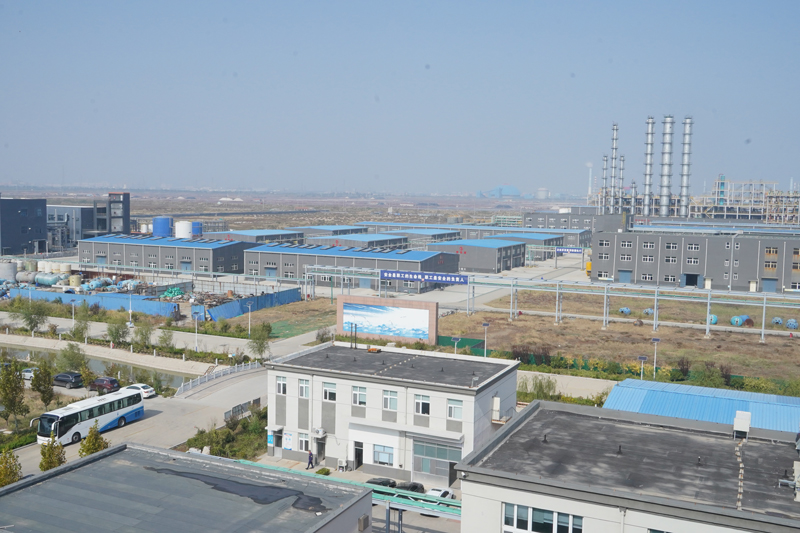
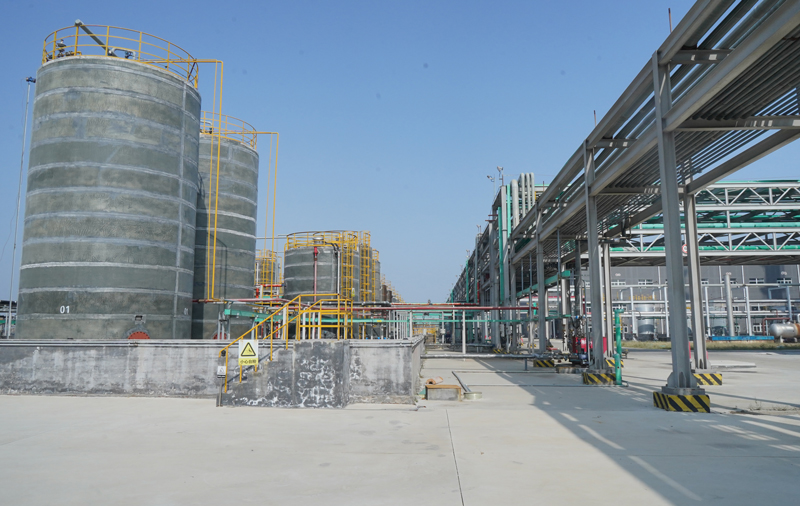
JIMPOCHEM operates a mega-scale production center in Jinan Chemical Park, leveraging integrated raw material pipelines, continuous micro-channel oxidative cleavage, and automated batch crystallization.
By securing direct upstream castor oil derivatives and local starch hydrolysis output, Chinese manufacturing eliminates multi-layer intermediary markups, passing 15-30% cost savings to overseas buyers.
Every metric ton produced undergoes fully automated DCS digital monitoring. Unique QR-coded batch tracking provides end-to-end transparency from raw vegetable fat to final micronized drum packaging.
Equipped with advanced multi-stage wastewater treatment, waste heat recycling, and zero-VOC emission scrubbers, ensuring global green supply chain compliance without environmental disruption risks.
Practical guidance for product developers, cosmetic chemists, and chemical process engineers.
In topical formulations, micronized Azelaic Acid (10%-20%) combined with 2%-5% Lactic Acid creates high-efficacy peeling suspensions. The addition of PPG-20 Methyl Glucose Ether acts as an exceptional solubilizer and humectant, preventing gritty recrystallization and minimizing cutaneous stinging.
Lactic Acid functions as an optimal physiological pH regulator (pH 3.8-4.5) for intimate washes and acne body cleansers. Paired with surfactants like Lauryl Hydroxysultaine and gentle chelators like Sodium Phytate, formulations maintain clear viscosity and high foam stability.
For non-cosmetic industrial sectors, high-concentration Lactic Acid acts as an acidulant, rust remover, and poly-lactic acid (PLA) precursor. Azelaic Acid serves in polyamides (Nylon 6,9), high-performance dielectric fluids, and eco-friendly plasticizers.
Formulation Advisory: Azelaic Acid exhibits limited water solubility (~2.4 g/L at 20°C). To achieve crystal-free clear gels, cosmetic formulators should utilize polyols, ethoxylated ethers, or micro-emulsification techniques using high-shear homogenization at 70°C-75°C.
Securing global market access with ISO, REACH, cGMP, Kosher, and Halal certifications.
All exported batches are fully REACH registered for European Union imports and comply with US FDA VCRP listings. Detailed Safety Data Sheets (SDS) under GHS standards, Certificates of Analysis (CoA), and BSE/TSE-free attestations are provided per shipment.
Azelaic Acid is sealed in 25kg multi-layer moisture-proof kraft paper bags with double PE liners or fiber drums. Lactic Acid liquid is packaged in 25kg HDPE jerrycans, 250kg drums, or 1000kg IBC totes with nitrogen blanketing to prevent oxidative degradation.
With strategic warehousing in Jinan and proximity to Qingdao Port, JIMPOCHEM maintains emergency buffer stock reserves, mitigating global maritime logistics disruptions and ensuring guaranteed lead times within 7-14 business days.
Established in 2010 | Designated Chemical Service Provider | Global Manufacturing Excellence
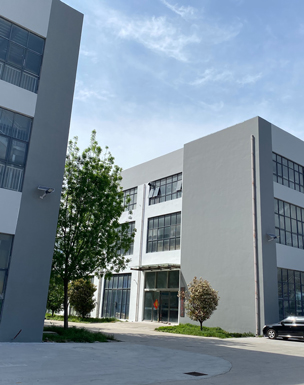
JIMPOCHEM CO., LTD was established in 2010 and is headquartered in the Chemical Industry Park of Jinan City, Shandong Province. The company covers an area of over 500 acres and is a professional chemical raw material manufacturer integrating research and development, production, sales, and technical services. Its core focus is on high-end fine chemicals and cosmetic raw materials.
We have obtained multiple product-related certifications, including ISO quality system certification and environmental management system certification. Our core team comprises experts with over 10 to 16+ years of specialized experience in fine chemical synthesis, enabling us to offer customized chemical solutions across 200+ countries serving over 5,000 international enterprises.

Anticipating technological disruptions, bio-catalytic advancements, and sustainable chemical evolution.
Next-generation Azelaic Acid production is shifting from ozone-based cleavage of oleic acid to enzymatic microbial biotransformation, yielding ultra-high purity cuts with zero synthetic byproducts and significantly lower thermal consumption.
To overcome skin irritation at high clinical dosages (15-20%), global laboratories are adopting liposomal and polymeric micro-encapsulation of Azelaic Acid, delivering controlled epidermal release and superior topical tolerance.
Lactic Acid bio-refineries are adopting direct agricultural waste biomass feeds (corn stover, bagasse) coupled with continuous membrane filtration, driving production costs down while achieving net-zero bio-based certification.
Direct answers to key commercial, technical, and regulatory questions from international raw material buyers.
Expand your procurement portfolio with our high-purity chemical building blocks, cosmetic ingredients, and specialty solutions.
 JIMPOCHEM