Industrial-Grade Ingredients, Food-Grade Additives & Precision Chemical Solutions Tailored for Aichi Prefecture's Manufacturing & Culinary Industries
Send Inquiry NowHigh-purity raw materials compliant with Japanese Food Sanitation Act standards, ideal for regional food processors, beverage formulators, and biochemical industries in Central Japan.
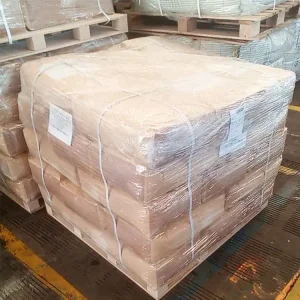
The Greater Nagoya area (Chubu region/Aichi Prefecture) stands as Japan's powerhouse of industrial production and advanced manufacturing. While globally recognized for automotive and aerospace technology, Nagoya maintains a vibrant, highly sophisticated Food & Beverage (F&B) processing ecosystem. Supported by the Port of Nagoya—one of Japan’s busiest international logistics hubs—the regional market demands exceptionally rigid standards for food-grade chemicals, functional ingredients, bio-preservatives, and emulsifiers.
Nagoya’s F&B sector is characterized by dual demands: traditional culinary processing requiring high-purity functional agents (such as sodium lactate for humectancy and shelf-life extension in packaged meals, sushi rice, and ready-to-eat products) and modern health-oriented functional foods (utilizing premium protein derivatives like casein, non-cariogenic sweeteners such as lactitol monohydrate, and bio-available mineral fortifiers like hydroxyapatite).
Nagoya manufacturers operate under strict supervision from the Ministry of Health, Labour and Welfare (MHLW) and local public health authorities. Ingredients must meet stringent specs regarding heavy metal limits, residual solvents, micro-biological purities, and clear batch traceability.
F&B factories across Aichi Prefecture feature high automation. Chemical additives and food raw materials must demonstrate exceptional lot-to-lot consistency, stable solubility, and controlled particle size distribution to prevent processing downtime.
With Nagoya serving as the central logistics distribution knot connecting Tokyo and Osaka, local manufacturers place immense value on natural biopreservatives, buffering agents, and anti-staling compounds that retain product integrity through transit.
Global supply chains are undergoing structural shifts toward clean-label formulation, functional health benefits, and eco-friendly processing. Nagoya's procurement managers face the challenge of sourcing high-purity specialty chemicals that bridge international sustainability standards with local Japanese taste profiles and regulatory demands.
Synthetic chemical preservatives are being replaced by bio-derived solutions. Ingredients such as Sodium Lactate (CAS 72-17-3) serve as potent antimicrobial agents and natural humectants in meat processing and fresh noodles, stabilizing pH without distorting natural flavors. Concurrently, natural chelators like Sodium Phytate offer antioxidant preservation against oxidation in liquid teas and RTD beverages.
The consumer market in Japan is rapidly pivoting to sugar-reduced and prebiotic formulations. Specialized polyols like Lactitol Monohydrate (CAS 81025-04-9) provide minimal glycemic impact while delivering structural bulk in sugar-free confectioneries and baked goods. Furthermore, raw functional sugars such as D-Mannose (CAS 3458-28-4) are increasingly specified in targeted nutraceutical drink mixes.
Sourcing directly from established Chinese chemical manufacturers provides Nagoya food producers and industrial buyers with unrivaled competitive advantages in cost structure, scale flexibility, and raw material availability. By eliminating redundant intermediary markups, Japanese buyers secure high-purity inputs supported by full technical documentation.
Modern manufacturing parks in Shandong Province leverage vertically integrated raw material supply chains. Massive production capacities ensure price stability even during global commodity volatility.
Intelligent automated facilities utilize continuous monitoring system controls. Batch-to-batch analytical testing via HPLC, GC, and AAS guarantees conformity with Japanese market specifications.
Direct maritime shipping routes from Eastern Chinese ports (Qingdao, Shanghai, Ningbo) to the Port of Nagoya deliver lead times as short as 3–5 days, enabling efficient Just-In-Time (JIT) inventory management.
Our targeted portfolio of fine chemicals, food additives, and industrial compounds meets the distinct operational demands of various commercial sectors located across Aichi, Gifu, and Mie Prefectures.
In regional food manufacturing, Casein (CAS 9000-71-9) acts as a primary emulsifier and structural protein in processed cheeses, coffee whiteners, and nutrition bars. Sodium Lactate is widely integrated into processed seafood, kamaboko, and marinades to enhance water retention and inhibit microbial growth.
Nagoya hosts prominent OEM/ODM cosmetic and personal care formulators. High-purity whitening and anti-aging actives such as Ascorbyl Glucoside / AA2G (CAS 129499-78-1), Tranexamic Acid (CAS 1197-18-8), and skin-replenishing humectants like Sodium L-Pyroglutamate (CAS 28874-51-0) fulfill high standards for premium Japanese skincare products.
For high-tech solvent applications, cleaning formulations, and chemical synthesis, specialized alkanes and oxygenated solvents such as Tetradecane (CAS 629-59-4) and 3-Methoxy-3-Methyl-1-Butanol (CAS 56539-66-3) offer precise boiling curves, low toxicity profiles, and excellent solvency for industrial processing.
Japan’s aging demographic drives intense demand for preventative healthcare solutions. Hydroxyapatite (CAS 1306-06-5) serves as a bio-compatible calcium source in bone health supplements and specialized dental care formulations, while pure D-Mannose supports urinary tract wellness lines.
Established in 2010 and headquartered in the Chemical Industry Park of Jinan City, Shandong Province, JIMPOCHEM CO., LTD operates across a facility spanning over 500 acres. As a premier chemical raw material manufacturer integrating R&D, continuous production, global logistics, and specialized technical services, we adhere strictly to international quality frameworks.
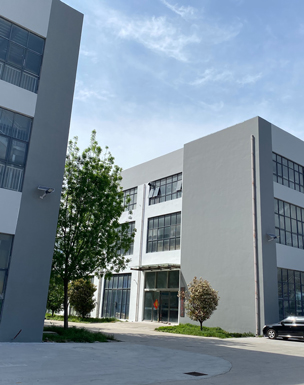
State-of-the-Art Production Facility (Jinan, Shandong)
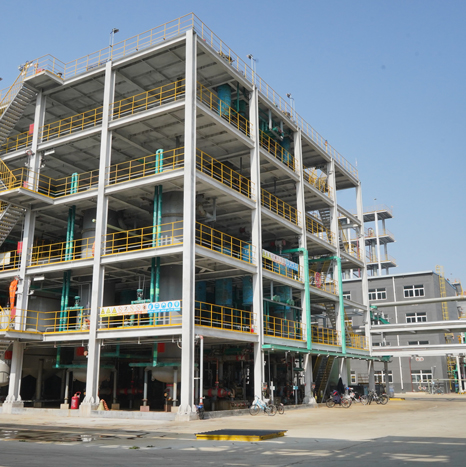
16 Years of Advanced Analytical Testing & R&D Expertise
Our operations maintain full ISO 9001 Quality System Certification and ISO 14001 Environmental Management System compliance, guaranteeing robust chemical process validation and environmental stewardship.
Every shipment carries a distinct lot tracking number linked to complete raw material sources, reaction parameters, analytical COAs, and retention sample archives maintained for 3+ years.
We assist Nagoya clients with custom regulatory documentation, including REACH, Kosher, Halal, Allergen Statements, Non-GMO declarations, and Japanese Food Sanitation Act compliance dossiers.
Seamless supply chain logistics are critical to preserving operational efficiency for factories across Aichi Prefecture. We offer customized ocean, air, and multimodal shipping configurations tailored directly to regional industrial requirements.
Leveraging weekly direct container vessel calls to the Port of Nagoya (Nabeta/Kinjo terminals), we ship Full Container Loads (FCL) and Less than Container Loads (LCL) in temperature-controlled or standardized ISO tanks and fiber drums. Transit times range between 3 to 6 days post-port departure.
Our export department prepares all required shipping manifests, Bills of Lading, Certificate of Analysis (COA), Certificate of Origin (Form E/RCEP), MSDS/SDS in Japanese/English, and commercial invoices to facilitate rapid customs clearance at Nagoya Port.
Explore our full suite of premium raw materials, active cosmetic ingredients, and organic intermediates available for direct shipment to the Nagoya industrial market.
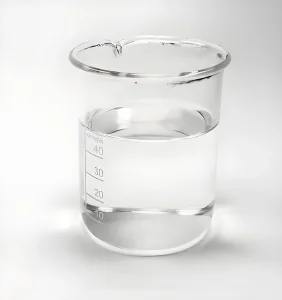
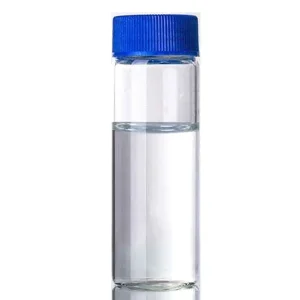
Detailed technical answers to common queries regarding supply logistics, compliance, and product customization for Japanese business clients.
Streamline your raw material sourcing for the Nagoya and broader Japanese markets with verified quality, scalable pricing, and dedicated B2B logistics assistance.
Send Inquiry Now JIMPOCHEM