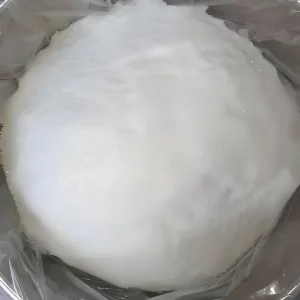
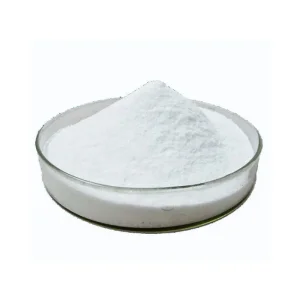
Premium grade raw materials engineered for cosmetics, industrial biocides, and fine synthesis
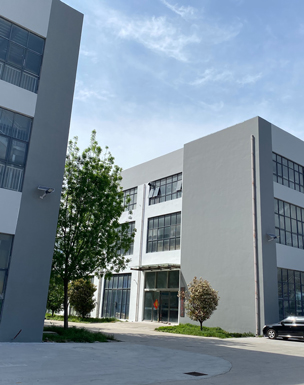
Established in 2010 and strategically headquartered in the state-of-the-art Chemical Industry Park of Jinan City, Shandong Province, JIMPOCHEM CO., LTD spans over 500 acres of advanced chemical production infrastructure. As a premier chemical raw material manufacturer, we seamlessly integrate R&D, chemical synthesis, quality assurance, global sales, and engineering technical support.
Our core technical focus is centered on high-end fine chemicals, biocide chemistry, antimicrobial complexes, and active cosmetic ingredients. Adhering to the core philosophy that "Quality Leads the Future," JIMPOCHEM has established robust global distribution networks and technical partnerships across Europe, North America, South America, Southeast Asia, the Middle East, and Oceania.
Comprehensive analytical synthesis of CAS 13463-41-7 chemical architecture and biocide mechanism
Zinc Pyrithione (commonly designated as ZPT, CAS registry number 13463-41-7, IUPAC name bis(2-pyridylthio)zinc 1,1'-dioxide) represents one of the most widely utilized and rigorously researched organometallic coordination complexes in modern industrial and personal care chemistry. Synthesized via the coordination of zinc ions (Zn²⁺) with two 1-hydroxy-2-pyridinethione ligands, ZPT possesses exceptional broad-spectrum antimicrobial, antifungal, and antibacterial properties.
The molecular configuration of Zinc Pyrithione features a central zinc core chelated by two bidentate sulfur-oxygen ligands in a distorted tetrahedral geometry. This unique coordination sphere renders the compound sparingly soluble in water, forming stable microcrystalline suspensions that exhibit sustained bio-availability without rapid leaching or chemical degradation under standard physiological and industrial conditions.
| Property / Parameter | Technical Specification Value | Testing Standard / Analytical Method |
|---|---|---|
| Chemical Name | Bis(1-hydroxy-2(1H)-pyridinethionat-O,S)zinc | IUPAC Nomenclature |
| CAS Registry Number | 13463-41-7 | CAS Index |
| EINECS Number | 236-671-3 | EU Inventory |
| Molecular Formula | C10H8N2O2S2Zn | Theoretical Calculation |
| Molecular Weight | 317.70 g/mol | Mass Spectrometry |
| Active Content (FPS Grade) | 98.0% - 100.5% (Powder) / 48.0% - 50.0% (Aqueous Dispersion) | HPLC / Complexometric Titration |
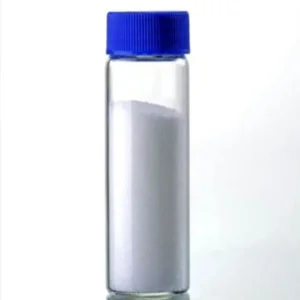
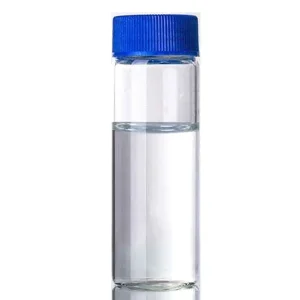
| Appearance | Off-white to white fine powder / Milky white liquid suspension | Visual Inspection |
| Particle Size (D50) | 1.2 – 1.8 μm (Custom Micronized Grades Available) | Laser Diffraction (Malvern Mastersizer) |
| pH (10% Aqueous Suspension) | 6.5 – 8.5 | Potentiometric pH Meter |
| Solubility in Water | 8-15 mg/L at 20°C (Sparingly Soluble) | Gravimetric Solubility Measurement |
The antifungal activity of Zinc Pyrithione against fungi such as Malassezia globosa and Malassezia restricta (the primary causative organisms of dandruff and seborrheic dermatitis) operates via intracellular copper accumulation. ZPT acts as a copper ionophore; upon contact with fungal cell membranes, ZPT facilitates the influx of extracellular copper ions (Cu²⁺) across the lipid bilayer. Elevated copper concentrations disrupt iron-sulfur cluster biosynthesis within the mitochondria, inhibiting cellular respiration, depleting ATP levels, and halting fungal proliferation.
Strategic deployment of ZPT across high-value sectors from marine antifouling to polymer engineering
ZPT serves as a non-organotin booster biocide in self-polishing copolymer (SPC) marine paints. It prevents biofouling caused by hard barnacles, soft algae, and slime films on ocean-going vessel hulls, improving fuel efficiency by up to 15% and mitigating maritime carbon emissions.
Used extensively in rinse-off anti-dandruff formulations, ZPT controls scalp flaking and inflammation. Formulators rely on micro-suspension technology to deposit active ZPT particles onto hair follicles and scalp tissue for sustained antifungal action during rinsing.
Incorporated into exterior latex paints, facade coatings, and moisture-prone interior wall finishes, ZPT prevents black mold growth, algal staining, and mildew degradation, extending paint film life in tropical and high-humidity climates.
ZPT is additive-compounded into PVC, polyurethane (PU), EVA foams, and synthetic rubbers used in footwear insoles, sealants, shower curtains, and medical floorings to prevent fungal bio-deterioration and microbial discoloration.
Applied during fabric finishing processes, ZPT provides durable wash-resistant antimicrobial barriers for outdoor textiles, sports apparel, tent fabrics, and hospital linens, inhibiting odor-causing bacteria such as Staphylococcus aureus.
Added to water-miscible metal cutting fluids, coolants, and lubricants, ZPT neutralizes anaerobic sulfate-reducing bacteria and fungi, preventing rancidity, fluid breakdown, pipeline corrosion, and bad odors in machining operations.
Critical alignment with EU REACH, BPR, US EPA/FDA, and Asia-Pacific regulatory standards
Within the European Union, chemical compliance for Zinc Pyrithione is regulated under REACH (Registration, Evaluation, Authorisation and Restriction of Chemicals) and the Biocidal Products Regulation (BPR, Regulation (EU) No 528/2012).
In the United States market, regulatory oversight is divided between the US EPA and the US FDA based on the end-use application:
Engineering excellence in catalytic synthesis, crystal size control, and zero-discharge environmental management
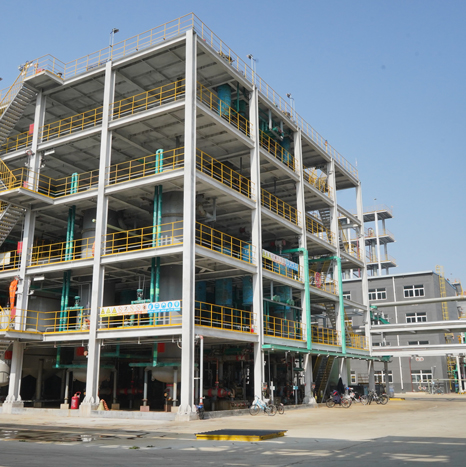
JIMPOCHEM's state-of-the-art 500-acre synthesis plant in Jinan Chemical Park employs an optimized multi-step catalytic oxidation route for high-purity ZPT production:
Through optimized washing cycles and crystallization control, JIMPOCHEM ZPT maintains free zinc ion levels below 0.2%, heavy metals (as Pb) < 10 ppm, and arsenic < 2 ppm, ensuring superior chemical stability in sensitive formulations.
We offer specialized particle size engineering: Standard Grade (D50: 1.5 μm) for fast dispersion, and Fine/Ultra-Fine Suspensions (D50: < 1.0 μm) tailored for smooth architectural paint coatings and non-settling liquid biocide premixes.
Operating in compliance with global carbon-neutrality initiatives, our production facility features automated closed-loop solvent recovery systems, zero-liquid-discharge (ZLD) water purification, and advanced catalytic VOC thermal oxidizers.
Value-added technical support, formulation stability solutions, and synergistic biocide blends
Challenge: In water-based architectural paints containing trace ferric ions (Fe³⁺), standard ZPT can undergo ligand exchange, forming an insoluble, dark-blue colored iron pyrithione complex that causes severe paint discoloration.
JIMPOCHEM Technical Solution: Our research team provides specialized chelation protocols and co-stabilizer packages. By incorporating specific zinc chelating agents (such as zinc oxide or zinc ricinoleate) and iron sequestering additives into the mill base prior to ZPT addition, iron displacement is suppressed, preserving bright white paint aesthetics.
Challenge: Single-active biocides in marine antifouling coatings can lead to resistance development in specific algal species such as Ectocarpus or Enteromorpha.
JIMPOCHEM Technical Solution: We supply customized multi-biocide pre-dispersions combining Zinc Pyrithione with Cupronickel/Copper Pyrithione or Organic Co-Biocides (such as DCOIT or Terbutryn). This produces broad-spectrum synergy against both soft algae and hard shell-fouling organisms while reducing total required active active ingredient loading.
In-depth responses to critical technical, regulatory, and logistical queries regarding Zinc Pyrithione
Browse our integrated chemical portfolio designed for global industry leaders
JIMPOCHEM provides one-on-one technical consultation, customized synthesis, formulation optimization, and seamless global supply chain execution.
Request Technical Quotation & Free Samples JIMPOCHEM