China Streptomyces albulus Polylysine Manufacturers & Supplier

Next-Generation Industrial Bio-Fermentation & High-Purity ε-Polylysine Solutions

Featured Portfolio & Chemical Compounds

Explore our high-purity chemical raw materials, bio-preservatives, and fine specialty compounds engineered for global industrial applications.

Magnesium Myristate CAS 4086-70-8
Magnesium Myristate CAS 4086-70-8 Premium Quality
View Details
Hydrophobic Powder Magnesium Myristate
China Magnesium Myristate CAS 4086-70-8 Hydrophobic Powder
View Details
Azelaic Acid CAS 123-99-9
China Azelaic Acid CAS 123-99-9 High-Quality Supplier
View Details
Solketal CAS 100-79-8
Buy Solketal CAS 100-79-8 Colorless Liquid
View Details
Phenolphthalein CAS 77-09-8
China Phenolphthalein CAS 77-09-8 Crystalline Powder
View Details
Hydroxyapatite CAS 1306-06-5
China Hydroxyapatite CAS 1306-06-5 Calcium Phosphate
View Details
Ascorbyl Tetraisopalmitate CAS 183476-82-6
Ascorbyl Tetraisopalmitate CAS 183476-82-6 Liquid
View Details
High-Quality Magnesium Myristate
Magnesium Myristate CAS 4086-70-8 Direct Factory
View Details

Executive Technical Summary: Streptomyces albulus Fermented ε-Polylysine

In the era of clean-label consumer mandates, green industrial chemistry, and strict biocide regulations, Streptomyces albulus polylysine (commercially known as ε-Polylysine or epsilon-poly-L-lysine, CAS No. 28211-04-3) has emerged as a paramount bio-based antimicrobial polymer. Unlike traditional synthetic chemical preservatives such as parabens, sodium benzoate, and sorbic acid—which often face stringent regulatory scrutiny, cytotoxicity concerns, and limited pH operational windows—ε-Polylysine synthesized via Streptomyces albulus aerobic fermentation delivers broad-spectrum, non-toxic, and thermal-stable microbial inhibition.

Core Scientific Identity: ε-Polylysine is a natural, homo-polyamide consisting of 25 to 35 L-lysine residues linked specifically by the peptide bond between the ε-amino group and the α-carboxyl group. This distinct molecular configuration endows it with strong cationic surface activity, enabling rapid disruption of cellular membranes across Gram-positive bacteria, Gram-negative bacteria, yeasts, and molds.

Broad-Spectrum Efficacy

Potent against resistant pathogens including Escherichia coli, Staphylococcus aureus, Listeria monocytogenes, Bacillus subtilis, and common spoilage molds at remarkably low minimal inhibitory concentrations (MIC 1–50 ppm).

Thermal & pH Resilience

Maintains structural integrity and antimicrobial potency during high-temperature thermal processing (autoclaving at 121°C for 30 min, pasteurization) and across an extensive pH spectrum (pH 2.0 to 9.0).

Metabolic Safety Profile

Fully biodegradable. Upon ingestion or environmental exposure, ε-Polylysine undergoes enzymatic cleavage into L-lysine—an essential amino acid—yielding zero toxic metabolites or bioaccumulation risks.

Streptomyces albulus Biosynthesis & Molecular Mechanism

Understanding the metabolic pathways of Streptomyces albulus and the electrostatic mode of action against cellular pathogens.

1. Submerged Fermentation & Downstream Isolation

Industrial production utilizes optimized mutant strains of Streptomyces albulus (such as S. albulus strain M-Z18 or specialized high-yield industrial variants) cultivated in aerated fermenters under precise dissolved oxygen (DO), carbon-to-nitrogen ratios, and controlled acidic pH conditions (pH 3.8–4.2).

  • Fermentation Medium: Glucose/glycerol as primary carbon sources, ammonium sulfate/yeast extract as nitrogen sources.
  • Enzymatic Synthesis: Catalyzed by membrane-bound ε-Polylysine Synthetase (Pls), a non-ribosomal peptide synthetase (NRPS)-like enzyme that polymerizes free L-lysine.
  • Purification Cascade: Cell removal via centrifugation → Macroporous ion-exchange resin adsorption → Ultrafiltration (MWCO 1,000–3,000 Da) → Decolorization → Freeze-drying or spray-drying to achieve ≥95% pure active powder.

2. Electrostatic Membrane Disruption Mechanism

The antibacterial activity of ε-Polylysine stems from its high density of positively charged free amino groups (NH3+) at physiological and acidic pH levels.

  • Adsorption: Electrostatic binding to negatively charged outer cell membrane components (lipopolysaccharides in Gram-negative bacteria; teichoic acids in Gram-positive bacteria).
  • Permeabilization: Detergent-like insertion of hydrophobic peptide backbones into the phospholipid bilayer, forming transmembrane pores.
  • Cytoplasmic Leakage: Rapid efflux of essential intracellular ions (K+, Mg2+), ATP, and nucleic acids, collapsing the proton motive force.
  • Genomic Interactions: Secondary intracellular accumulation leads to physiological stress, enzyme denaturation, and structural disintegration of bacterial DNA.

Technical Specifications & Quality Benchmarks (CAS 28211-04-3)

JIMPOCHEM enforces high quality control standards for Streptomyces albulus derived polylysine. Every production lot undergoes rigorous HPLC, FT-IR, heavy metal mass spectrometry, and microbiological testing.

Analytical Parameter Standard Specification (Food / Pharma Grade) Testing Methodology
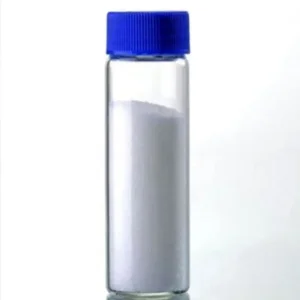
Appearance White to light yellow crystalline powder Visual / Colorimetric
Assay (Active ε-Polylysine) ≥ 95.0% (Dry Basis) HPLC / Refractive Index Detection
Degree of Polymerization (DP) 25 – 35 L-lysine units (MW: 3,200 – 4,500 Da) MALDI-TOF MS / SEC Chromatography
Loss on Drying ≤ 8.0% GB 5009.3 / Gravimetric 105°C
Ignition Residue (Ash) ≤ 1.0% USP <281> / High Temp Muffle
Heavy Metals (as Pb) ≤ 10 ppm (Pb ≤ 2ppm, As ≤ 1ppm) ICP-MS Spectrometry
pH Value (1% aqueous solution) 5.0 – 8.0 Potentiometric glass electrode
Total Plate Count < 100 CFU / g ISO 4833-1 Microbial Assay
E. coli / Salmonella Absent in 25g Microbiological Culture Screening

Global Commercial Landscape & Industry Adoption

Analyzing worldwide supply chains, market drivers, and regional adoption dynamics for biosourced preservatives.

Asia-Pacific (APAC) Dominance

As the pioneer of industrial bio-fermentation, the APAC region leads both production capacity and domestic consumption. China has established integrated supply chain infrastructure, significantly reducing manufacturing costs while elevating purity levels for export to global markets.

North American Expansion

Driven by strict FDA GRAS notices and rising consumer demand for "free-from-synthetic" labels, North American food processors are substituting classical preservatives with ε-Polylysine in ready-to-eat meats, cooked rice products, and organic beverages.

European Union Regulations

With EFSA evaluations confirming safety profiles, EU cosmetics and specialty chemical formulators are adopting ε-Polylysine as an eco-friendly booster for broad-spectrum anti-microbial preservation in water-based personal care matrices.

Localized Application Scenarios & Engineering Formulation

Detailed dosing guidelines, synergistic combinations, and functional performance across key industrial sectors.

1. Food & Beverage Industry

Primary Function: Clean-label bio-preservative for extension of shelf life without altering organoleptic properties.

  • Starch-Based Foods (Noodles, Rice, Bakery): Prevents rancidity and spoilage caused by Bacillus cereus. Dosage: 0.05 – 0.20 g/kg. Maintains elasticity and moisture content.
  • Meat, Poultry & Seafood: Inhibits psychrophilic spoilage bacteria and Listeria monocytogenes in vacuum-packed cooked meats. Synergizes effectively with sodium lactate or organic acids. Dosage: 0.10 – 0.25 g/kg.
  • Beverages & Dairy Products: Suppresses yeast proliferation and heat-resistant Alicyclobacillus in fruit juices and fresh milk products. Dosage: 0.02 – 0.10 g/L.

2. Cosmetics & Personal Care Formulations

Primary Function: Eco-certified, non-irritating alternative to parabens, phenoxyethanol, and MIT/CIT system boosters.

  • Skin Care Emulsions & Serums: Provides robust microbial protection against Pseudomonas aeruginosa and Staphylococcus epidermidis. Recommended dosage: 0.05% – 0.15%.
  • Wet Wipes & Tissue Impregnation: Cationic property allows high substantivity onto cellulose fabrics, offering lasting antibacterial action against skin flora.
  • Oral Care (Toothpaste & Mouthwash): Reduces oral biofilm formation and plaque buildup caused by Streptococcus mutans without damaging oral mucosa.

3. Agriculture & Post-Harvest Protection

Primary Function: Biodegradable bio-fungicide and post-harvest crop protective dip.

  • Fruit & Vegetable Preservation: Post-harvest washing with 100–300 ppm ε-Polylysine solutions inhibits gray mold (Botrytis cinerea) and green mold (Penicillium digitatum) on citrus, strawberries, and table grapes.
  • Botanical Biocide Formulations: Replaces copper-based fungicides in organic farming, degrading safely into soil nitrogen enrichment.

4. Biomedical & Advanced Materials

Primary Function: Biocompatible hydrogel crosslinking and medical surface treatment.

  • Antimicrobial Medical Devices: Incorporated into wound dressings, surgical sponges, and catheter coatings to combat hospital-acquired biofilm infections (MRSA).
  • Drug Delivery Vectors: Used in poly-ionic complex coacervates for targeted nucleic acid and peptide drug delivery systems.

Regulatory Compliance, Certifications & Quality Governance

Navigating international regulatory requirements is vital for global supply chain integration. Streptomyces albulus polylysine manufactured in China complies with rigorous international food safety and chemical safety mandates.

US FDA GRAS Status

ε-Polylysine is recognized as Generally Recognized As Safe (GRAS) by the US FDA under GRN 000135 and GRN 000683 for multi-category food preservation uses with established daily intake thresholds.

EFSA & Global Standard Compliance

Evaluated by the European Food Safety Authority (EFSA) and compliant with Japanese Ministry of Health, Labour and Welfare (MHLW) food additive standards, as well as China GB 2760 National Standards.

Full Batch Traceability

Supported by complete ISO 9001:2015, ISO 14001:2015, HALAL, and KOSHER certifications. End-to-end QR/Batch code digital tracking guarantees 100% supply chain transparency from fermentation raw materials to dispatch.

Manufacturing Infrastructure & Technical Mastery: JIMPOCHEM CO., LTD

Integrated research, digital manufacturing, and supply chain reliability from China's leading fine chemical industrial park.

16+
Years of Industry Expertise
500+
Acres Industrial Park Base
200+
Countries & Regions Served
5000+
Global Enterprise Clients

About JIMPOCHEM CO., LTD

Established in 2010 and headquartered in the high-tech Chemical Industry Park of Jinan City, Shandong Province, JIMPOCHEM CO., LTD operates across a sprawling state-of-the-art facility spanning over 500 acres. As a premier chemical raw material manufacturer, we seamlessly integrate R&D, continuous aerobic bio-fermentation, fine chemical synthesis, global logistics, and technical application services.

Our core team comprises senior bio-process engineers, formulation scientists, and quality control experts with over 10 years of experience in chemical and biochemical domains. JIMPOCHEM serves as a trusted "designated chemical service provider" for global pharmaceutical, cosmetic, food, and fine chemical enterprises.
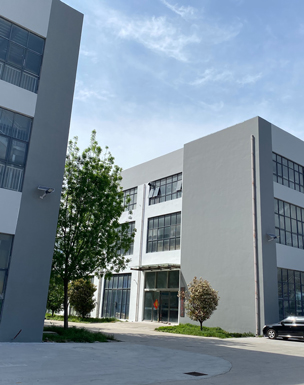
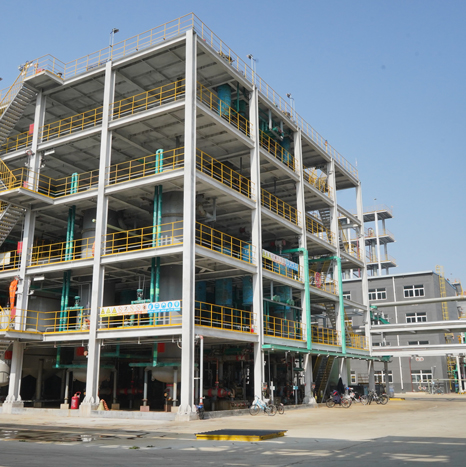
Supply Chain & Customization Advantage: Leveraging automated digital DCS control systems, intelligent strain selection, and advanced downstream membrane purification, we balance high-volume commercial scale manufacturing with agile custom formulation adjustments (custom molecular weights, liquid vs. powder preparations, specialized packaging).
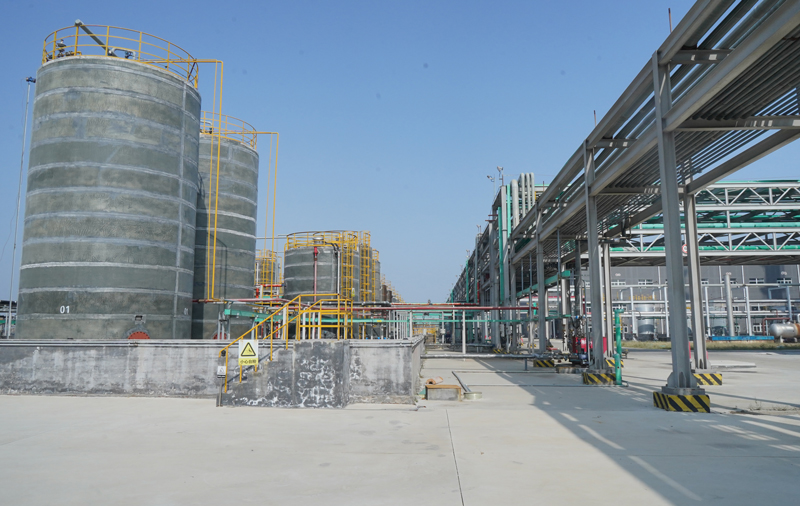
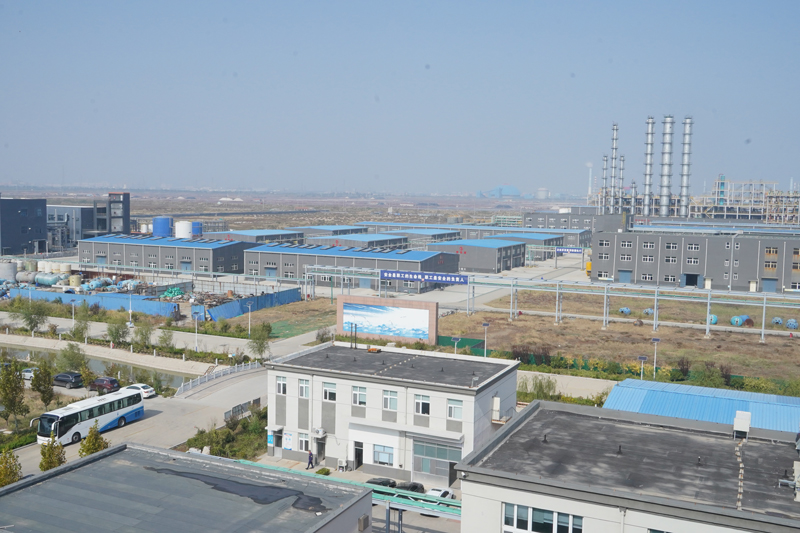
JIMPOCHEM Corporate Headquarters JIMPOCHEM Industrial Manufacturing Equipment JIMPOCHEM Research Laboratory JIMPOCHEM Plant Exterior View

Technology Roadmap & Next-Gen Innovation Pipeline

Pioneering synthetic biology, metabolic pathway optimization, and green chemistry to advance bio-preservation performance.

1. CRISPR Strain Engineering

Utilizing targeted genome editing and synthetic promoter engineering in Streptomyces albulus to elevate enzymatic activity of ε-Polylysine Synthetase (Pls), increasing fermentation yields by over 35% while reducing energy input.

2. Tailored Molecular Weight Fractions

Developing fractionated polylysine oligomers with precise polymerization lengths (e.g., specific 15-mer vs 30-mer fractions) tailored for specialized pharmaceutical carrier systems and gene delivery applications.

3. Smart Active Eco-Packaging

Formulating immobilized ε-Polylysine nanocomposite films with biodegradable biopolymers (PLA, Chitosan) to produce intelligent, antimicrobial packaging materials that actively extend shelf-life.

Frequently Asked Questions (FAQ) & Technical Insights

Expert responses to critical procurement, operational, formulation, and scientific inquiries regarding Streptomyces albulus polylysine.

Q1: What distinguishes Streptomyces albulus derived ε-Polylysine from synthetic Poly-L-lysine?
Answer: The critical distinction lies in the molecular linkage and production method. Streptomyces albulus ferments ε-Polylysine, where L-lysine monomers are linked specifically between the epsilon (ε) amino group and alpha (α) carboxyl group. In contrast, chemical synthesis typically produces α-Polylysine (linked via α-amino and α-carboxyl groups). ε-Polylysine possesses higher thermal stability, enhanced enzymatic resistance in physiological systems, superior solubility, and proven non-toxic antimicrobial safety, making it approved for food and cosmetic use worldwide.
Q2: How does temperature and thermal processing affect the efficacy of ε-Polylysine?
Answer: ε-Polylysine exhibits exceptional thermal stability. It withstands standard high-temperature short-time (HTST) pasteurization, ultra-high temperature (UHT) processing, and standard autoclaving (121°C for 30 minutes) without thermal degradation or loss of antibacterial activity. This makes it ideal for inclusion in hot-fill beverage lines and cooked retorted food processing.
Q3: Are there any formulation incompatibilities when using ε-Polylysine in personal care products?
Answer: Because ε-Polylysine is a strongly cationic polymer, care must be taken when combining it with high concentrations of anionic surfactants (such as Sodium Lauryl Sulfate, SLS) or strongly anionic thickeners (such as Carbomer, Xanthan Gum), which may cause complex coacervation or precipitation. We recommend pairing ε-Polylysine with non-ionic, amphoteric surfactants or cationic-compatible thickeners (e.g., Hydroxyethylcellulose, HEC) or pre-dissolving it in aqueous phases.
Q4: What is the optimal pH range for ε-Polylysine antimicrobial functionality?
Answer: ε-Polylysine remains active across an unusually wide pH range of 2.0 to 9.0. Unlike classical organic acid preservatives (such as sorbic acid or benzoic acid) which lose activity above pH 5.5, ε-Polylysine maintains fully protonated, positively charged amino groups in acidic, neutral, and weakly alkaline environments.
Q5: Can ε-Polylysine be combined with other bio-preservatives like Nisin or Natamycin?
Answer: Yes. Combining ε-Polylysine with Nisin (a bacteriocin active primarily against Gram-positive spore-formers) or Natamycin (an antifungal active against yeasts and molds) creates a synergistic broad-spectrum bio-preservative system. This hurdle technology approach allows formulators to lower total active preservative dosages while achieving enhanced microbial protection.
Q6: How does JIMPOCHEM ensure batch-to-batch consistency and supply reliability from China?
Answer: JIMPOCHEM operates modern, automated bio-fermenters equipped with real-time digital monitoring for dissolved oxygen, pH, temperature, and nutrient feed rate. Our strict QA protocol incorporates automated HPLC purity determination and gel permeation chromatography (GPC) molecular weight distribution profiling for every production lot. Coupled with our strategic 500-acre plant location in Jinan Chemical Park, we guarantee scalable and reliable global dispatch.

Explore Related Fine Chemicals & Ingredients

Discover our comprehensive range of high-performance daily chemicals, indicators, organic synthesis intermediates, and active compounds.
Buy Ascorbyl Tetraisopalmitate
Buy Ascorbyl Tetraisopalmitate CAS 183476-82-6
View Details
Buy Phenolphthalein Powder
Buy Phenolphthalein Powder CAS 77-09-8
View Details
China Phenolphthalein Indicator
China Phenolphthalein Acid-Base Indicator
View Details
Phenolphthalein Manufacturer
China Phenolphthalein CAS 77-09-8 Factory
View Details
D-Mannose CAS 3458-28-4
Buy D-Mannose CAS 3458-28-4 Manufacturer
View Details
Glycolic acid CAS 79-14-1
China Glycolic acid CAS 79-14-1 Supplier
View Details
Ammonium Thioglycolate CAS 5421-46-5
Ammonium Thioglycolate CAS 5421-46-5 Quality
View Details
Diallyl Trisulfide CAS 2050-87-5
Buy Diallyl Trisulfide CAS 2050-87-5 Liquid
View Details