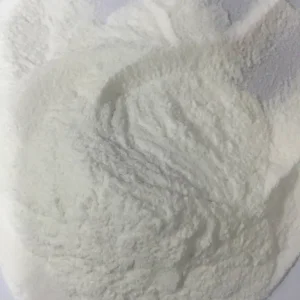
Explore our high-purity cosmetic raw materials, fine organics, and advanced bio-preservatives.
A comprehensive overview of bio-fermented poly-L-lysine, its electrostatic antibacterial kinetics, and thermal resilience profile.
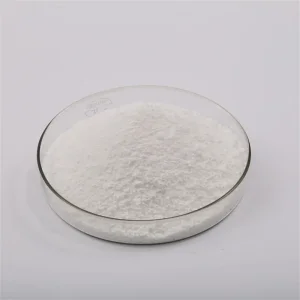
ε-Polylysine (Epsilon-Poly-L-lysine) is a naturally occurring, water-soluble, non-toxic homo-polyamide composed of 25 to 35 L-lysine residues linked by peptide bonds between the ε-amino and α-carboxyl groups. Unlike synthetic polymers or standard alpha-linked peptides, this unique isopeptide linkage synthesized by submerged fermentation of Streptomyces albulus imparts extraordinary enzymatic resistance against standard human digestive proteases while retaining potent broad-spectrum antimicrobial activity.
When solubilized in aqueous media, ε-Polylysine behaves as a cationic biopolymer due to its high density of positively charged free amino groups ($pK_a \approx 10.5$). This structural polycationic nature is the key fundamental driver of its exceptional preservation performance across demanding food, pharmaceutical, and personal care formulations.
The primary biological mechanism of ε-Polylysine is non-specific electrostatic adsorption onto the negatively charged outer envelope of target micro-organisms:
Analyzing the paradigm shift toward natural bio-preservatives and clean-label industrial formulations.
Global food processors and cosmetic formulators are systematically phasing out legacy synthetic preservatives such as Sodium Benzoate, Potassium Sorbate, Parabens, and Methylisothiazolinone (MIT). Regulatory pressure and consumer demands for "Zero Synthetic Additives" have driven a projected 8.4% CAGR in the global bio-preservative market through 2030, putting ε-Polylysine in prime demand.
ε-Polylysine enjoys robust international regulatory recognition. Granted US FDA GRAS (Generally Recognized As Safe) status (GRN No. 000098 & 000135), approved by China's National Health Commission (GB 2760 standard), and broadly authorized in Japan, Korea, and Southeast Asia, it enables international brands to streamline cross-border compliance.
Procurement teams favor ε-Polylysine because it functions synergistically with organic acids (Citric Acid, Malic Acid), Nisin, and Natamycin. This enables formulators to achieve broad-spectrum preservation at significantly lower active inclusion rates (ranging from 10 ppm to 250 ppm), preserving organoleptic qualities without altering flavor profiles.
How JIMPOCHEM CO., LTD. combines intelligent automated fermentation with raw material security.
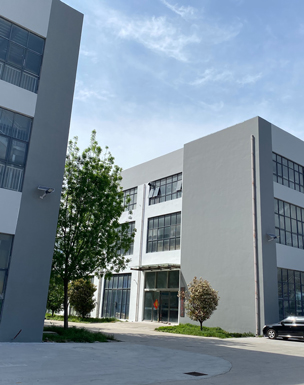
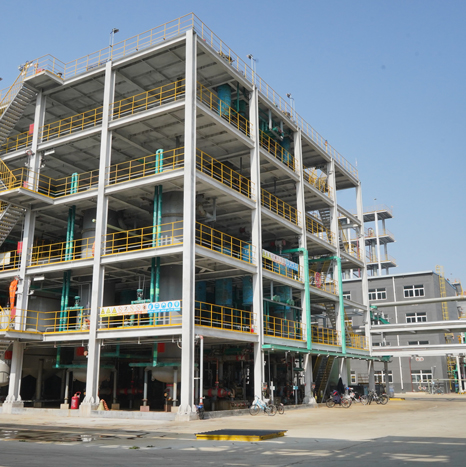
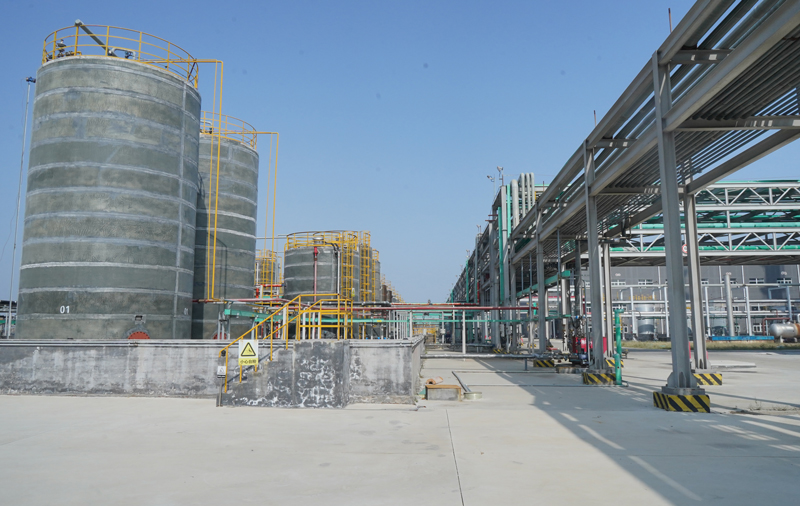
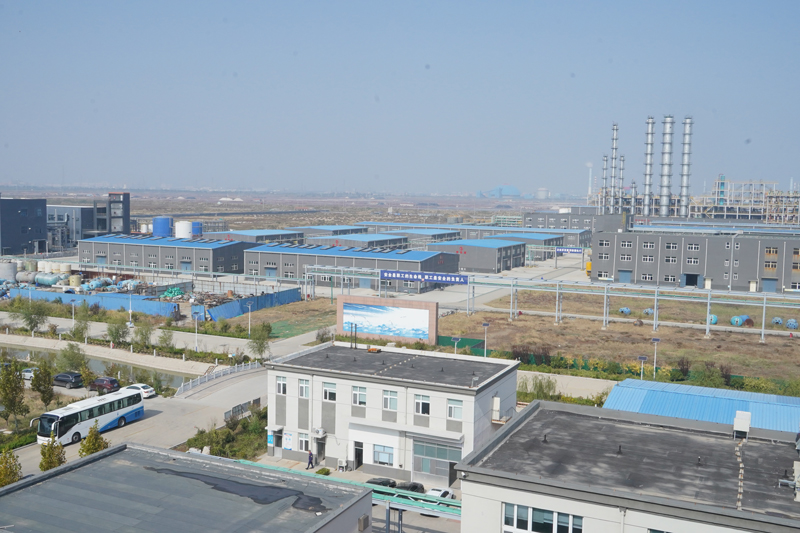
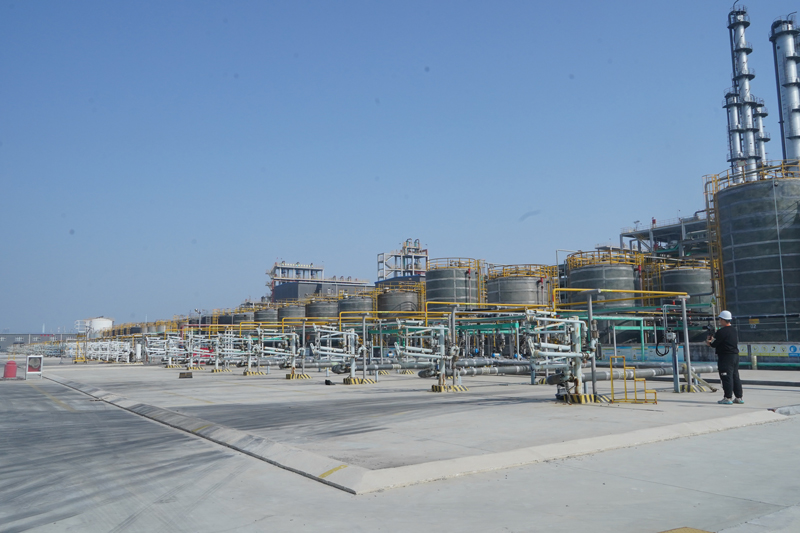
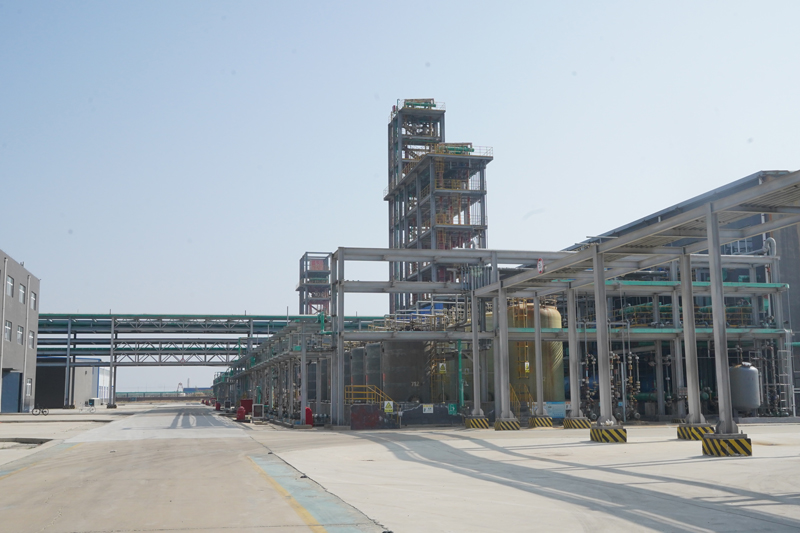
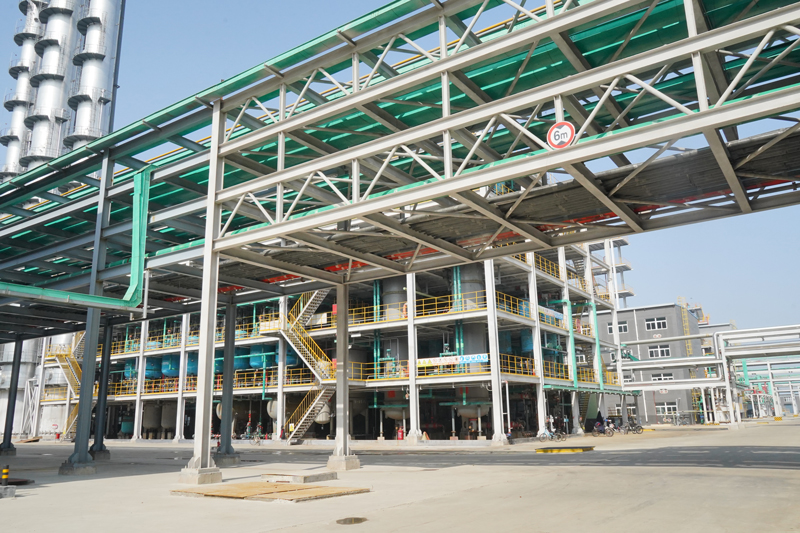
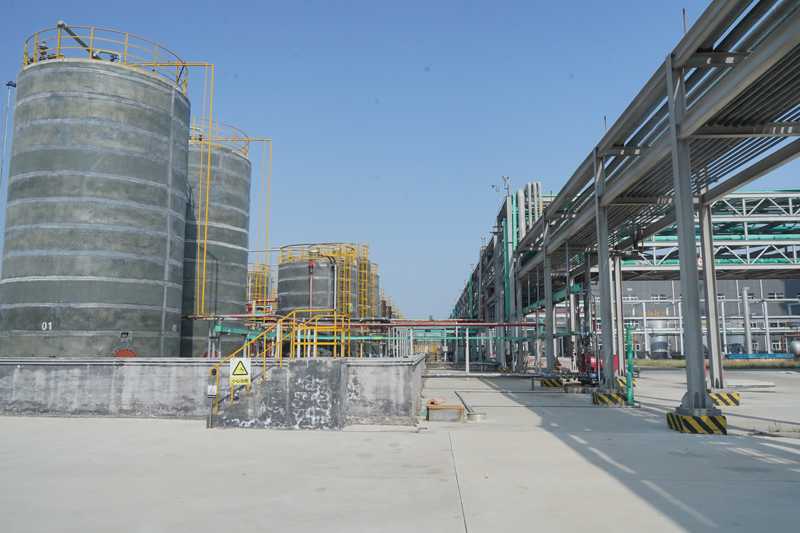
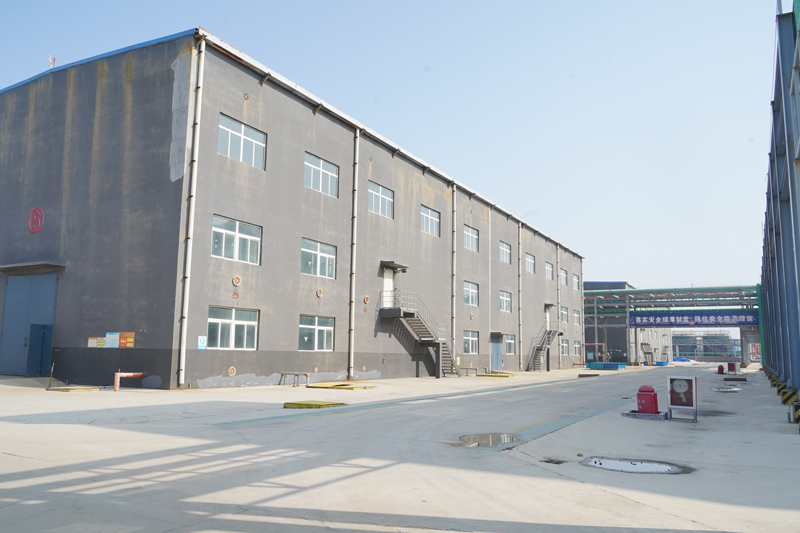
Headquartered in the prestigious Chemical Industry Park of Jinan City, Shandong Province, JIMPOCHEM CO., LTD. operates a state-of-the-art facility spanning over 500 acres. Built around Industry 4.0 principles, our production lines utilize fully automated Distributed Control Systems (DCS) for micro-level oversight of strain cultivation, pH monitoring, dissolved oxygen control, and downstream ultrafiltration purification.
By integrating automated batching, continuous crystallization, and low-temperature spray drying, we achieve unparalleled batch-to-batch consistency. Our automated supply chain logistics guarantee rapid dispatch, robust safety stocks, and end-to-end traceabilities via unique batch QR codes.
Pioneering chemical research & development since 2010.
Serving 5,000+ international enterprises worldwide.
Comparative performance analysis demonstrating efficacy across thermal, spectrum, and organoleptic parameters.
| Performance Parameter | ε-Polylysine (JIMPOCHEM) | Nisin | Potassium Sorbate | Parabens (Methyl/Propyl) |
|---|---|---|---|---|
| Target Spectrum | Broad Spectrum (Bacteria, Yeasts, Molds) | Narrow (Gram-Positive Bacteria only) | Yeasts and Molds (Weak Bacteria) | Broad Spectrum (Chemical Origin) |
| Thermal Stability | 121°C for 20 mins (Retains 100%) | Inactivated above 100°C at neutral pH | Decomposes under high heat | Moderate heat stability |
| Working pH Range | 2.0 - 9.0 (Effective in Alkaline & Acidic) | 3.5 - 6.5 (Strict Acidic Requirement) | < 5.5 (Ineffective above pH 6) | 4.0 - 8.0 |
| Organoleptic Impact | None (Neutral taste at dosage) | Slightly milky off-flavor | Bitterness at elevated levels | Chemical smell/taste risk |
| Human Safety / Digestibility | Breaks down into Essential L-Lysine | Digested into Amino Acids | Metabolized by Liver | Endocrine Disruption Concerns |
Practical implementation protocols across food science, cosmetic chemistry, and agricultural protection.
Starch-rich foods like cooked rice, fresh noodles, wet pasta, and artisan breads suffer from rapid growth of Bacillus subtilis and mold spores. Adding 50-150 ppm ε-Polylysine during dough mixing extends shelf life from 24 hours to over 7 days at ambient temperature without inhibiting yeast fermentation kinetics.
In clean-beauty formulations (creams, serums, sheet masks), ε-Polylysine functions as a microbiome-friendly preservative booster. Combined with chelating agents like Sodium Phytate or hexanediol, a low dose of 0.02%-0.05% passes standard USP <51> Antimicrobial Effectiveness Testing while maintaining skin barrier harmony.
Surface spraying or dipping fresh meat cuts, seafood fillets, and cooked sausages in a 0.01% ε-Polylysine solution inhibits psychrotrophic spoilage bacteria (Pseudomonas spp., Listeria monocytogenes). It preserves lipid color and prevents rancidity during cold-chain transport.
Rigorous quality protocols, international certifications, and analytical verification backing every shipment.
Adhering strictly to the principle that "Quality is the lifeline of an enterprise," JIMPOCHEM operates an advanced QA/QC analytical laboratory equipped with High-Performance Liquid Chromatography (HPLC), Gas Chromatography-Mass Spectrometry (GC-MS), and Atomic Absorption Spectrophotometry (AAS).
Aligning with global "Dual-Carbon" reduction goals, our green fermentation process utilizes bio-based carbohydrates as feedstock. Upgraded wastewater treatment plants and energy-recovery heat exchangers minimize our carbon footprint per ton of ε-Polylysine produced.
Designated Chemical & Bio-Ingredient Provider
Partnered with top tier global chemical buyers, offering tailor-made mesh sizes, customized carrier blends, and private labeling.
Addressing core technical, regulatory, and procurement inquiries from global buyers.
Discover our complementary fine chemical line for daily chemical, pharmaceutical, and technical applications.
JIMPOCHEM CO., LTD. remains committed to "Integrity, Innovation, Professionalism, and Win-Win Cooperation." Elevate your production efficiency, reduce preservation overhead, and ensure clean-label compliance today.
 JIMPOCHEM