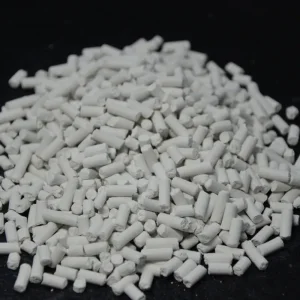
Industrial Grade Chemical Manufacturing

China p-Chloro-m-xylenol Suppliers & Factory

Technical Whitepaper & Global Supply Chain Guide for PCMX (CAS 88-04-0) – High-Purity Biocides & Antimicrobial Solutions by JIMPOCHEM

Primary Portfolio

Featured Fine Chemical Products

Explore our core synthetic compounds, antiseptics, and high-performance daily chemical intermediates supplied worldwide.

Buy O-Phthalaldehyde CAS 643-79-8

O-Phthalaldehyde (OPA) CAS 643-79-8

Buy O-Phthalaldehyde
Ascorbyl Glucoside AA2G CAS 129499-78-1

Ascorbyl Glucoside / AA2G CAS 129499-78-1

View AA2G Product
Ethyl Nonafluorobutyl Ether HFE-7200

Ethyl Nonafluorobutyl Ether (HFE-7200)

Request Free Samples
Isopropyl Myristate CAS 110-27-0

Isopropyl Myristate CAS 110-27-0

View IPM Liquid
Magnesium Myristate CAS 4086-70-8

Magnesium Myristate CAS 4086-70-8

Buy Magnesium Myristate
Kojic Acid Dipalmitate CAS 79725-98-7

Kojic Acid Dipalmitate CAS 79725-98-7

View White Crystal
Tris Base CAS 77-86-1

Tris Base CAS 77-86-1

View Tris Base Supplier
Hydroxyapatite CAS 1306-06-5

Hydroxyapatite CAS 1306-06-5

View Hydroxyapatite
Technical Monograph

p-Chloro-m-xylenol (PCMX): Structural Properties & Molecular Profile

A deep technical breakdown of 4-chloro-3,5-dimethylphenol, its chemical stability, mechanism of cell wall disruption, and broad-spectrum microbial control.

Chemical Architecture & Identification

p-Chloro-m-xylenol (also known as 4-Chloro-3,5-dimethylphenol or PCMX; CAS No: 88-04-0; EINECS: 201-793-7) is a halogenated substituted phenol compound. Its molecular formula is C8H9ClO with a molecular weight of 156.61 g/mol. Featuring a substituted chlorine atom at the para-position relative to the hydroxyl group and two methyl groups at the meta-positions, PCMX exhibits exceptional stability against oxidation, light decomposition, and thermal degradation.

Key Advantage: Unlike volatile chlorine-releasing agents, PCMX delivers persistent antimicrobial residual activity, rendering it the gold standard biocide for medical antiseptics, institutional disinfectants, and cosmetic preservation.

Antimicrobial Mechanism of Action

PCMX operates through a dual biocidal pathway targeting microbial cell membranes:

  • Membrane Disruption: Lipophilic penetration into the phospholipid bilayer of bacterial cell walls, inducing irreversible structural damage and loss of essential intracellular ions ($K^+$, $Mg^{2+}$).
  • Protein Coagulation & Enzyme Inhibition: Denaturation of essential cellular proteins and inactivation of respiratory chain dehydrogenases, leading to rapid cell death.

It maintains high biocidal efficacy across Gram-positive bacteria (including Staphylococcus aureus, MRSA), Gram-negative bacteria (Escherichia coli, Pseudomonas aeruginosa), fungi (Candida albicans, Aspergillus niger), and envelope viruses.

Property / Quality Parameter Industrial Grade Specification Pharmaceutical / Cosmetic Grade Standard Test Method / Protocol
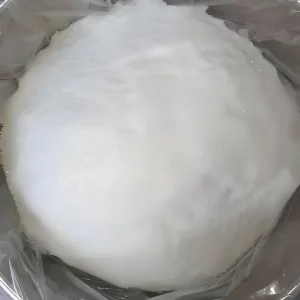
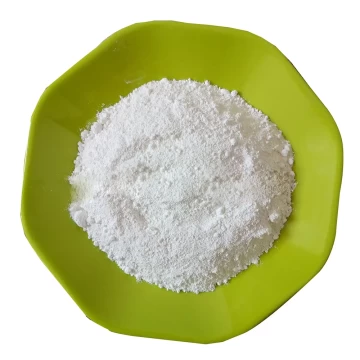
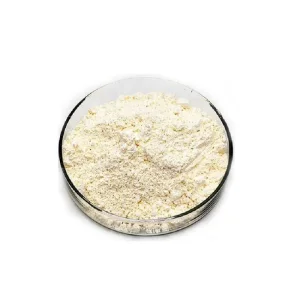
Appearance Off-white to white crystalline powder/flakes Pure white crystalline powder Visual Inspection
Active Assay (PCMX Content) ≥ 98.5% ≥ 99.5% (Typically 99.8%) Gas Chromatography / HPLC
Melting Point Range 114.0 °C – 116.0 °C 114.5 °C – 116.0 °C USP / EP Melting Apparatus
Tetrachlorvinphos / Related Chlorophenols ≤ 0.5% ≤ 0.1% (Single Impurity < 0.05%) High Performance Liquid Chromatography
Free Chlorine Content ≤ 10 ppm ≤ 5 ppm Potentiometric Titration
Iron (Fe) Impurity ≤ 20 ppm ≤ 10 ppm Atomic Absorption Spectrophotometry
Water Content (Loss on Drying) ≤ 0.5% ≤ 0.2% Karl Fischer / Drying at 105°C
Residue on Ignition (Ash) ≤ 0.1% ≤ 0.05% Gravimetric Muffle Furnace (600°C)
R&D & Engineering

Advanced Synthetic Routes & Manufacturing Technology Roadmap

How Modern Chinese Factories are Transitioning from Traditional Batch Chlorination to Continuous Microchannel Catalytic Synthesis.

1. Catalytic Selective Chlorination

Traditional production utilized sulfuryl chloride ($SO_2Cl_2$) or direct gaseous $Cl_2$ in batch reactors, often creating unwanted isomers (2-chloro-3,5-dimethylphenol and 6-chloro isomers). Next-generation Chinese manufacturing leverages custom Lewis acid catalyst systems (modified $FeCl_3$ or metal-organic framework complexes) that achieve up to 99.2% regioselectivity for the 4-position chlorination of 3,5-dimethylphenol (m-xylenol).

2. Microchannel Reactor Integration

Leading suppliers in Jinan Chemical Park have commercialized continuous flow microchannel reactors. By reducing heat transfer distance to micron scales, the exothermic chlorination reaction is tightly regulated. This completely eliminates localized overheating, prevents oxidative side-reactions, reduces chlorinated byproduct impurities to near-zero levels, and significantly enhances process safety.

3. Solvent-Free Green Purification

Addressing stringent global environmental standards, modern PCMX refining avoids hazardous organic extraction solvents. Advanced crystallization protocols utilize eco-friendly aqueous-alcohol recrystallization cascades coupled with automated vacuum filtration. This yields pure white crystals with negligible residual volatile organic compounds (VOCs) and low odor profiles favored by personal care formulators.

Application Engineering

Global & Localized Application Scenarios

Comprehensive guidance on solubilization techniques, formulation system design, and industry-specific deployment of PCMX.

1. Consumer Hygiene & Household Disinfectants

PCMX is the primary active ingredient in classic household antiseptic liquids (e.g., Dettol-type pine oil emulsions). Because PCMX is sparingly soluble in water (approx. 0.03% w/v at 20°C), solubilization requires a surfactant-solvent system.

Formulation Architecture: PCMX (4.8% w/w) is solubilized using a mixture of Pine Oil or Terpineol, Isopropanol/Ethanol, and Castor Oil Soap (Potassium Ricinoleate). Upon dilution with water, it forms a characteristic milk-white O/W emulsion (blooming effect) while retaining bactericidal activity.

2. Healthcare & Clinical Infection Control

In medical settings, PCMX is formulated into surgical hand scrubs (1.0% to 3.0%), preoperative skin antiseptics, and hard surface disinfectants for medical equipment.

  • Surgical Hand Washes: Combined with mild amphoteric surfactants (such as Lauryl Hydroxysultaine) and emollients to prevent dermal dryness during repeated washings.
  • Instrument Disinfection: Compatible with non-ionic surfactants; provides broad non-corrosive sanitation for metallic instruments compared to oxidative hypochlorites.

3. Personal Care, Cosmetics & Anti-Dandruff Therapeutics

In cosmetic formulations, PCMX acts as a preservative and active antimicrobial agent. It is widely used in antibacterial bar soaps (0.5% - 1.0%), liquid body washes, and anti-dandruff shampoos.

Synergistic Combinations: When paired with Zinc Pyrithione or Climbazole in scalp care, PCMX targets Malassezia globosa, effectively mitigating dandruff and scalp seborrheic dermatitis without causing keratin damage.

4. Industrial Biocides & Material Protection

Beyond human hygiene, PCMX serves as a durable preservative across demanding industrial sectors:

  • Metalworking Fluids (MWF): Prevents microbial degradation and foul odors in water-soluble cooling lubricants.
  • Leather & Textile Finishing: Antimicrobial anti-fungal agent preventing mildew growth during long-distance maritime transport.
  • Paints & Architectural Coatings: Dry-film preservative offering bio-resistance against mold and algae.
Factory Advantage

China Supply Chain Resilience & Manufacturing Excellence

How JIMPOCHEM leverages Shandong's chemical industrial cluster, integrated raw materials, and smart logistics to guarantee unbroken global supply.

16+
Years Industry Expertise
500+
Acres Industrial Base
200+
Countries & Regions
5,000+
Global Partners

Upstream Chemical Integration

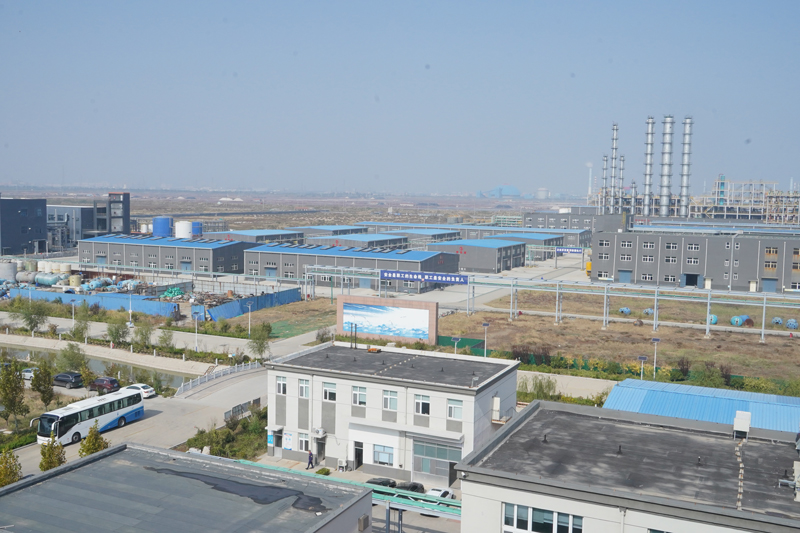
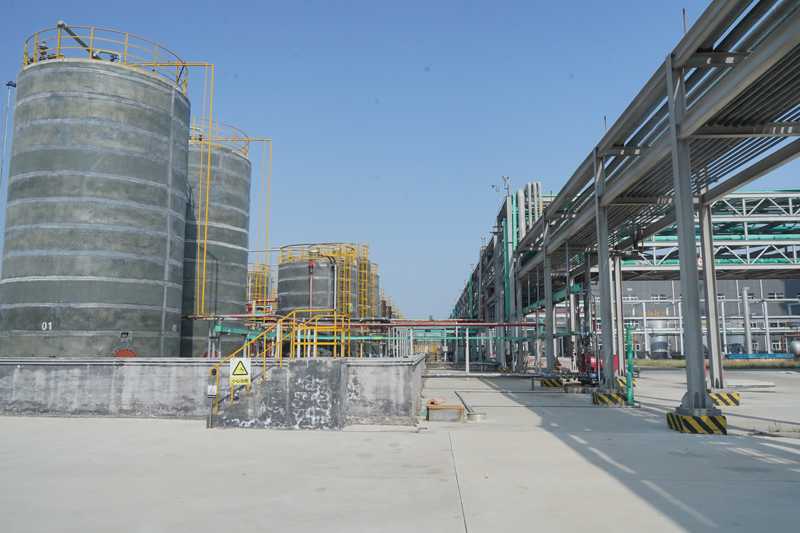
Headquartered in Jinan City Chemical Park, Shandong Province, JIMPOCHEM is situated at the epicenter of China’s petrochemical hub. Direct pipeline integration with m-xylenol and chlorine suppliers eliminates feedstock bottlenecks, shielding international buyers from geopolitical price volatility and ensuring 100% stable raw material pricing.

DCS Automated Production Control

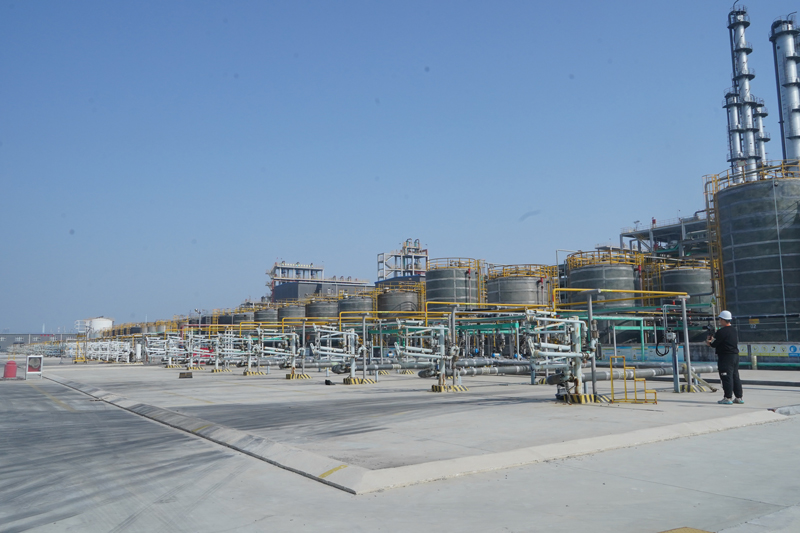
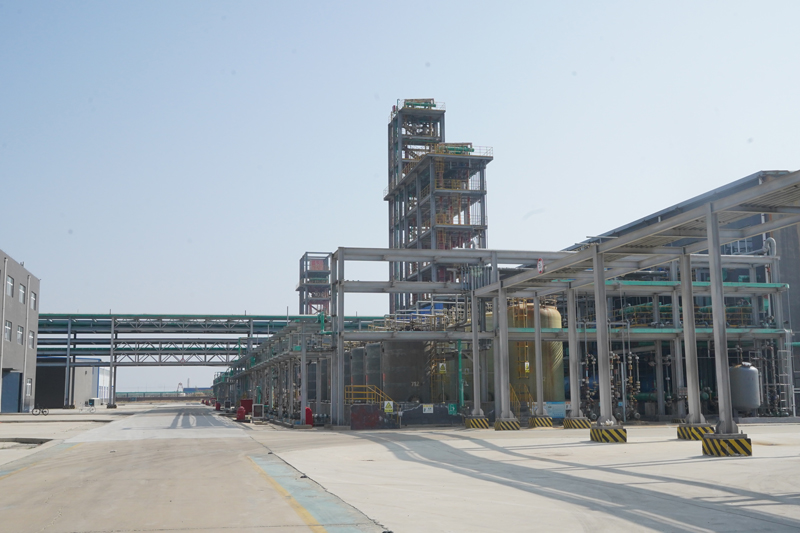
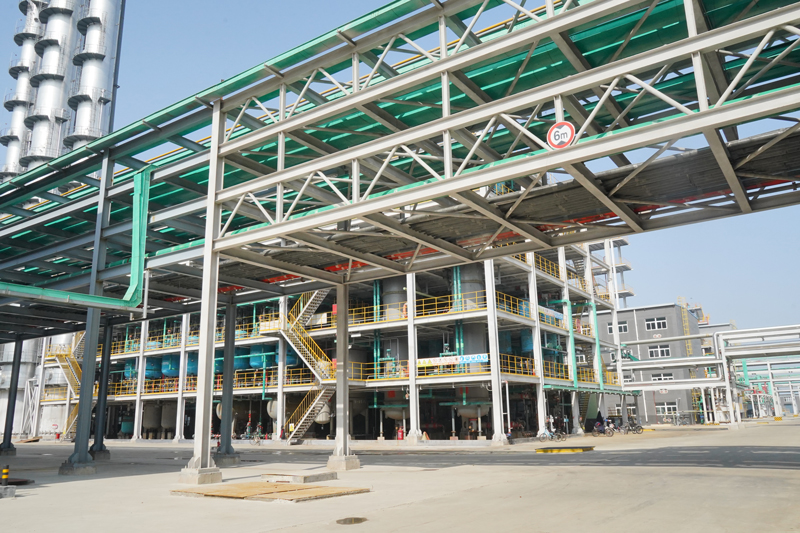
Our state-of-the-art production complex utilizes Distributed Control Systems (DCS) for fully automated reaction control, temperature regulation, and crystallization timing. Every lot undergoes automated digital quality tracking, ensuring batch-to-batch consistency with purity metrics routinely reaching ≥99.8%.

Strict Eco-Compliance & Carbon Audit

In alignment with China’s "Dual-Carbon" strategy, our facilities feature multi-stage waste gas absorption systems ($HCl$ recovery to produce commercial hydrochloric acid) and zero-discharge wastewater recycling. Purchasing from JIMPOCHEM ensures your supply chain adheres to international ESG and sustainability mandates.

Compliance & Dossiers

Global Regulatory Framework & Quality Certification

Seamless international regulatory support to expedite product registrations in Europe, North America, and Asia-Pacific markets.

EU BPR & REACH Registration

Our PCMX product line is fully aligned with the European Biocidal Products Regulation (EU BPR Regulation No 528/2012) for Product Types 1, 2, and 4 (Human hygiene, disinfectants, food area biocides). Full EU REACH registration dossiers are available to streamline compliance for European importers.

US EPA & FDA OTC Monograph

For North American distributors, JIMPOCHEM provides comprehensive technical packages supporting US EPA registration for hard surface biocides. Additionally, our high-purity PCMX meets USP monograph standards for Over-The-Counter (OTC) topical antiseptic hand washes and wound cleansers.

ISO Quality Management Systems

JIMPOCHEM operates under certified ISO 9001:2015 Quality Management Systems and ISO 14001:2015 Environmental Management Systems. Every shipment is delivered with full Certificate of Analysis (CoA), Safety Data Sheets (SDS in multi-language formats), and batch traceability codes.

About JIMPOCHEM

Designated Chemical Service Provider: Quality Leads the Future

Integrating Research, Production, Global Sales, and One-Stop Procurement Solutions since 2010.

16 Years of Chemical Manufacturing Innovation

JIMPOCHEM CO., LTD was established in 2010 and is headquartered in the Chemical Industry Park of Jinan City, Shandong Province. Spanning an area of over 500 acres, the company is a professional chemical raw material manufacturer integrating research and development, production, sales, and specialized technical services. Our core focus centers on high-end fine chemicals, biocides, active pharmaceutical intermediates, and cosmetic raw materials.

Our core engineering team comprises chemical industry veterans with over a decade of hands-on expertise. We do not merely supply raw materials—we partner with our clients to offer formulation optimization, customized particle sizing, specialized solvent blending, and agile supply chain logistics tailored to international market dynamics.
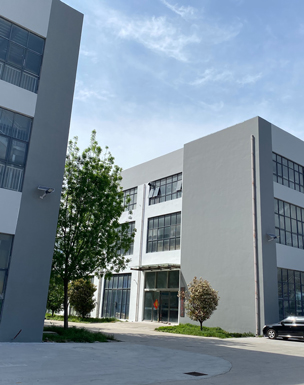
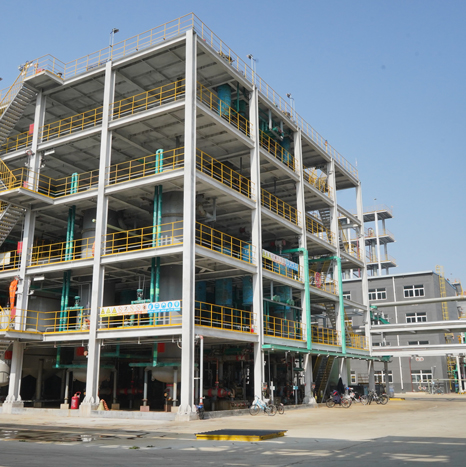
Global Reach: Our products are exported to over 200 countries and regions across Europe, America, Southeast Asia, the Middle East, and Oceania, serving more than 5,000 international enterprises.
JIMPOCHEM Headquarter Complex

Factory Infrastructure & R&D Facilities

Procurement & Technical Q&A

Frequently Asked Questions (FAQ)

Expert answers to critical technical, chemical compatibility, and procurement questions regarding p-Chloro-m-xylenol (PCMX).

Q1: How does PCMX compare with alternative biocides like Triclosan and Benzalkonium Chloride (BKC)?
PCMX exhibits significantly lower environmental persistence and eco-toxicity compared to Triclosan, which faces strict bans across cosmetic and wash-off categories in multiple jurisdictions. Unlike Quaternary Ammonium Compounds such as Benzalkonium Chloride, PCMX remains stable and fully active in acidic or mildly alkaline environments and is less susceptible to inactivation by hard water or organic soil loads.
Q2: What is the optimal method for dissolving PCMX in clear liquid disinfectant formulations?
Due to its hydrophobic nature ($log K_{ow} \approx 3.2$), solid PCMX crystal should first be dissolved in organic solvent co-solvents (Isopropanol, Propylene Glycol, or Dipropylene Glycol) or saponified fatty acids (such as potassium castorate / castor oil soap). Non-ionic surfactants with HLB values between 12 and 15 (e.g., Alcohol Ethoxylates or Polysorbate 20) can then be incorporated to maintain crystal-clear thermodynamic micellar stability in aqueous dilution.
Q3: How do you prevent discoloration or yellowing of PCMX powder during extended storage?
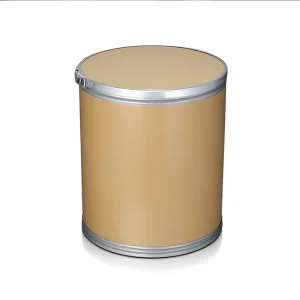
Discoloration in chlorophenols is caused by trace iron impurity contamination ($Fe^{3+}$ complexation) and exposure to direct sunlight/UV radiation. JIMPOCHEM ensures trace iron content is strictly controlled below 10 ppm during crystallization. We package our PCMX in light-blocking, moisture-proof fiber drums lined with anti-static double-layer PE bags under inert nitrogen blanketing, guaranteeing a minimum 24-month shelf life without color deterioration.
Q4: What packaging options and minimum order quantities (MOQ) are available for international export?
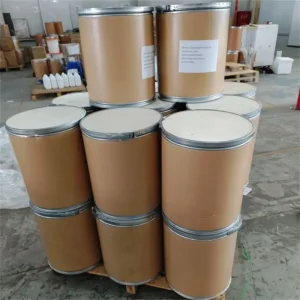
Standard packaging includes 25kg fiber drums with inner PE liners, 500kg super-sacks, or customized palleted units for FCL/LCL shipments. Samples are available from 100g to 1kg for R&D testing. For commercial orders, our standard MOQ is 500kg, with flexible inventory holding solutions at domestic ports (Qingdao, Shanghai) to support just-in-time container deliveries.
Q5: Can JIMPOCHEM assist with custom synthesis, particle mesh sizing, or OEM formulation?
Yes. Our technical team offers dedicated formulation support, including micro-milled ultrafine PCMX powders for uniform dispersion in bar soaps, customized liquid biocide concentrates, and proprietary surfactant-solubilized blends tailored to customer specifications.
Comprehensive Catalog

Specialty Intermediates & Fine Chemicals Range

Explore our complete spectrum of chemical solutions designed for pharmaceutical, personal care, and industrial applications.

SUCROSE MONOLAURATE CAS 25339-99-5

Sucrose Monolaurate CAS 25339-99-5

View Product Details
Calcium acetylacetonate CAS 19372-44-2

Calcium Acetylacetonate CAS 19372-44-2

View Product Details
OCTYLPHENYLPOLYETHYLENE GLYCOL CAS 9002-93-1

Octylphenylpolyethylene Glycol CAS 9002-93-1

View Product Details
Propyl disulfide CAS 629-19-6

Propyl Disulfide CAS 629-19-6

View Product Details
Dibenzoylmethane CAS 120-46-7

Dibenzoylmethane CAS 120-46-7

View Product Details
2,4,6-Tri-(6-aminocaproic acid)-1,3,5-triazine CAS 80584-91-4

2,4,6-Tri-(6-aminocaproic acid)-1,3,5-triazine

View Product Details
Methylhydroquinone cas 95-71-6

Methylhydroquinone CAS 95-71-6

View Product Details
Diethylamino Hydroxybenzoyl Hexyl Benzoate DHHB CAS 302776-68-7

Diethylamino Hydroxybenzoyl Hexyl Benzoate (DHHB)

View Product Details
Global Distribution

High-Demand Global Products

Explore our specialized portfolio of antiseptics, fluorine compounds, and organic synthesis intermediates available for immediate containerized export.

N,N-Bis 1-methylpropyl 1,4-phenylenediamine CAS 101-96-2

N,N'-Bis(1-methylpropyl)-1,4-phenylenediamine

View Product Specs
Tetradecane CAS 629-59-4

Tetradecane CAS 629-59-4

Buy Tetradecane
N-Acetyl-D-Glucosamine CAS 7512-17-6

N-Acetyl-D-Glucosamine CAS 7512-17-6

Buy Quality Powder
3-Methoxy-3-Methyl-1-Butanol CAS 56539-66-3

3-Methoxy-3-Methyl-1-Butanol (MMB)

View Chemical Data
2,5-Furandicarboxylic Acid FDCA CAS 3238-40-2

2,5-Furandicarboxylic Acid (FDCA)

View FDCA Powder
Bemotrizinol CAS 187393-00-6

Bemotrizinol CAS 187393-00-6

Buy UV Absorber
Squalane CAS 111-01-3

Squalane CAS 111-01-3

View Squalane Liquid
Soda Lime Carbon Dioxide Absorbent CAS 8006-28-8

Soda Lime Carbon Dioxide Absorbent

Buy Soda Lime

Partner with China's Premier PCMX & Fine Chemical Supplier

Whether you require high-purity PCMX (CAS 88-04-0) for medical hand scrubs, custom solubilized biocide blends, or full REACH/EPA regulatory dossiers, JIMPOCHEM’s technical experts are ready to accelerate your manufacturing capabilities.
Request Technical Quote Download CoA & Technical Data