Direct manufacturer sourcing for high-performance dermo-cosmetic APIs and specialty organic fine chemicals.
In the rapidly evolving landscape of advanced dermo-cosmetics and dermatological therapeutics, hyperpigmentation, melasma, post-inflammatory erythema (PIE), and acne vulgaris represent complex, multifactorial cutaneous challenges. Formulating single-active solutions frequently hits a clinical efficacy ceiling. However, combining Azelaic Acid (CAS 123-99-9) and Tranexamic Acid (CAS 1197-18-8) together creates a complementary, dual-pathway intervention strategy that fundamentally redefines clinical performance.
Azelaic Acid is a naturally occurring saturated C9 dicarboxylic acid. It operates through competitive and non-competitive inhibition of tyrosinase specifically within hyperactive, abnormal melanocytes, while leaving normal baseline pigmentation unaffected due to its selective cytotoxic and cytostatic properties.
Tranexamic Acid is a synthetic lysine derivative and potent plasminogen inhibitor. Beyond its classical anti-fibrinolytic pharmacology, it blocks the binding of plasminogen to keratinocytes, inhibiting UV-induced plasmin activity and preventing keratinocyte-melanocyte paracrine cross-talk.
| Dermatological Target | Azelaic Acid Monotherapy | Tranexamic Acid Monotherapy | Combined Synergistic Dynamic (Azelaic + Tranexamic) |
|---|---|---|---|
| Melanogenesis Pathways | Direct inhibition of hyperactive Tyrosinase synthesis. | Suppression of UV-induced keratinocyte paracrine factors (PGE2). | Complete Dual Blockade: Simultaneous direct enzyme suppression & indirect cytokine pathway shut-down. |
| Vascular & Redness (PIE / Melasma) | Moderate ROS scavenging; mild anti-erythematous effect. | Direct inhibition of plasmin-mediated angiogenesis (VEGF/bFGF). | Rapid Clearance: Rapid attenuation of baseline dermal erythema alongside epidermal hyperpigmentation. |
| Acne & Post-Acne Marks (PIH) | High antibacterial (P. acnes) & keratolytic resolution. | Minimal direct antibacterial effect; high anti-inflammatory effect. | Comprehensive Recovery: Clears active inflammatory acne while simultaneously preventing PIH scarring. |
| Epidermal Tolerance & Barrier | Requires pH ~4.0; potential mild tingling transiently. | Extremely high skin tolerance; neutral pH stable (pH 5.0 - 7.0). | Enhanced Biocompatibility: Formulations stabilized with liposomes buffer skin barrier perturbation. |
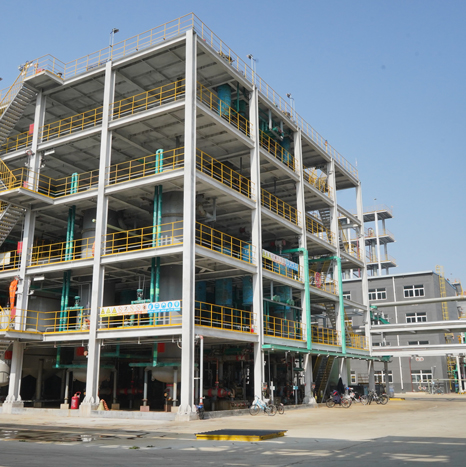
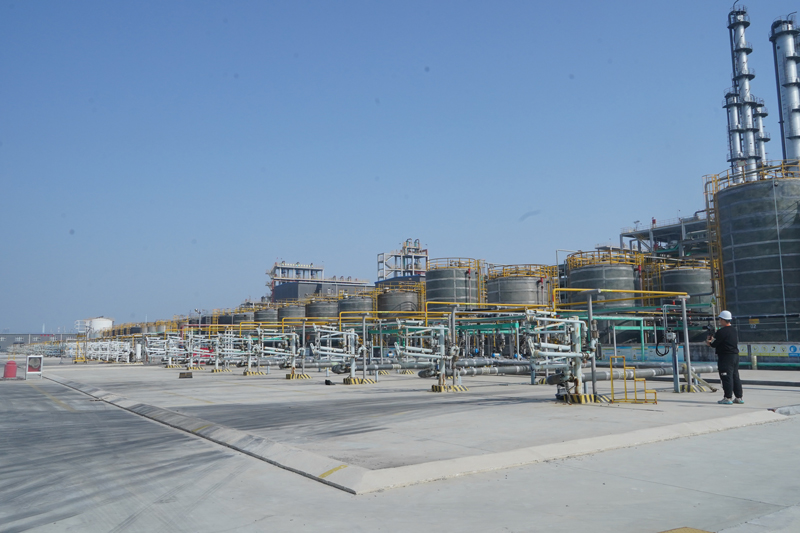
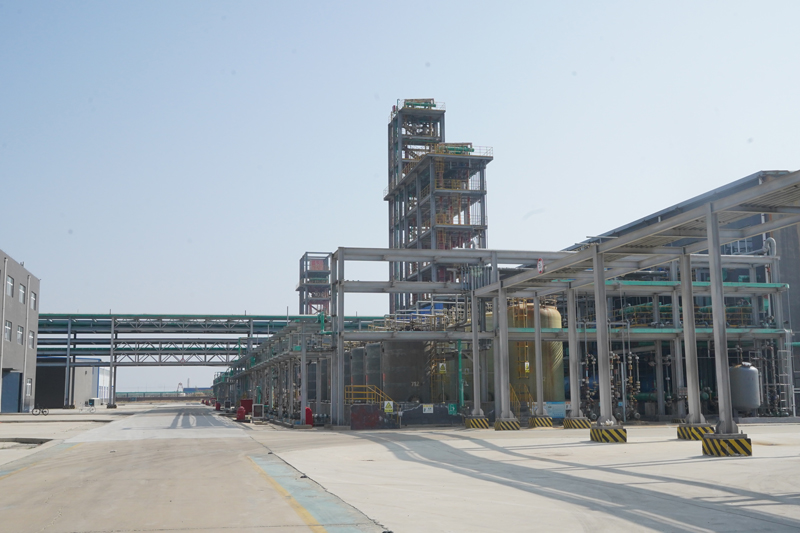
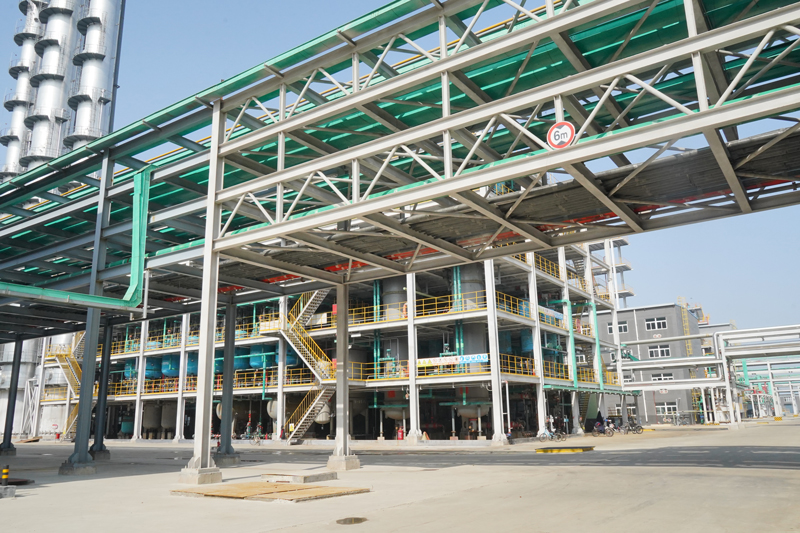
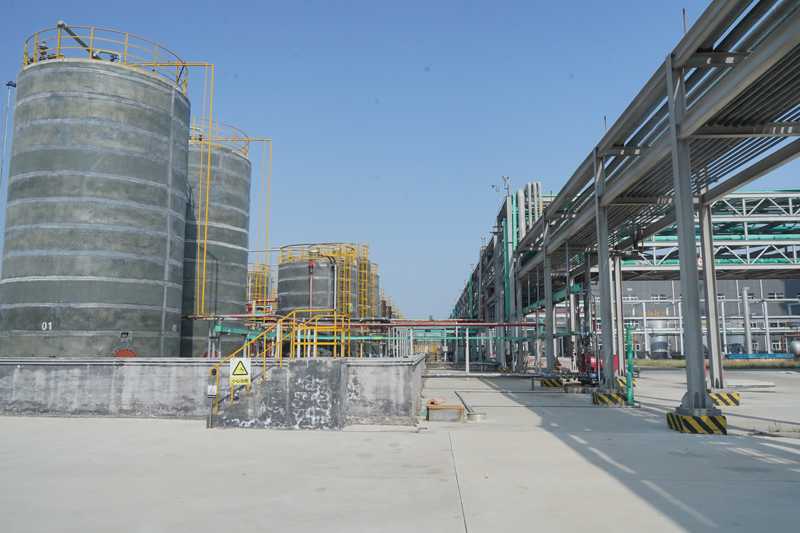
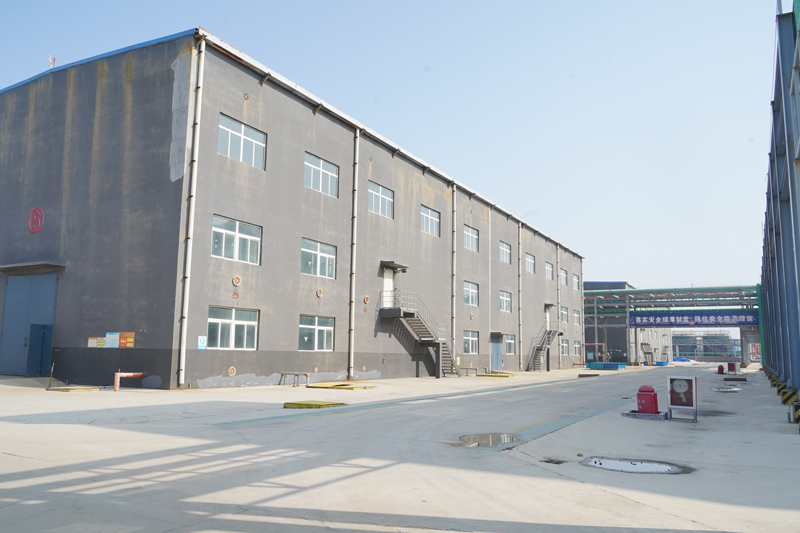
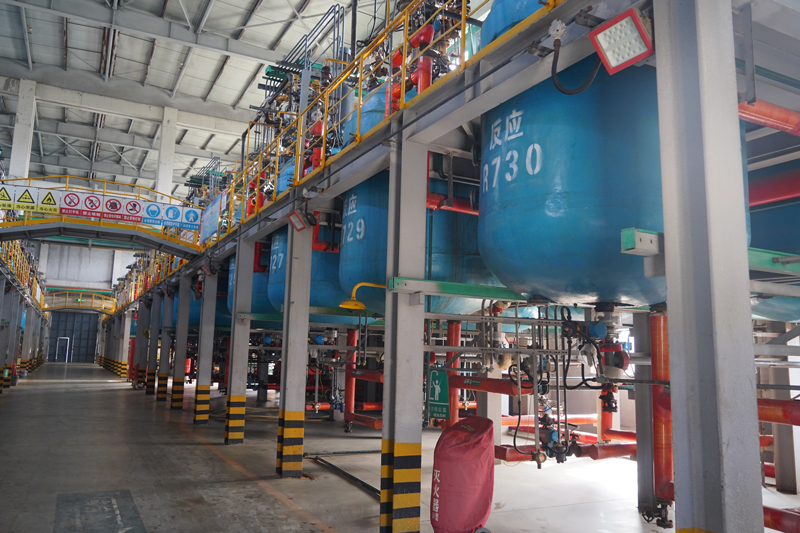
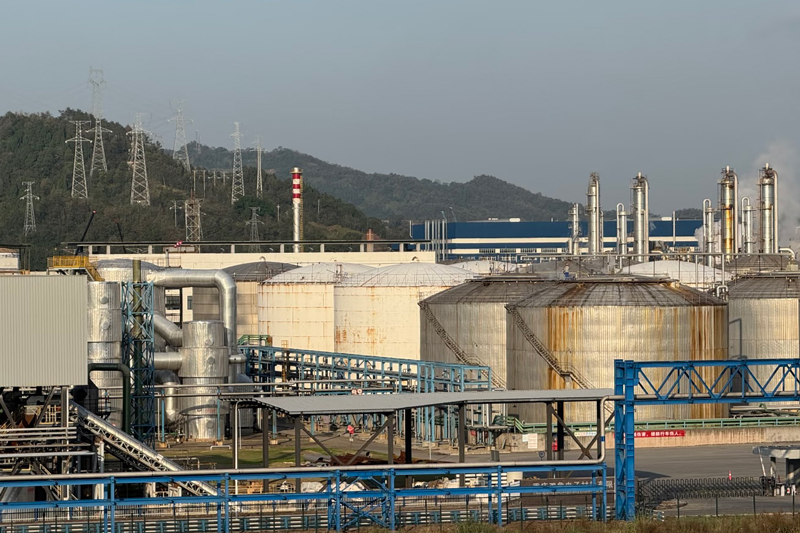
Operating from our modern state-of-the-art chemical manufacturing hub, JIMPOCHEM provides unmatched batch-to-batch consistency, continuous scale synthesis, and rigorous international quality compliance.
Our intelligent continuous-flow reactors and digital PLC systems eliminate human error in oxidative cleavage (Azelaic Acid synthesis) and catalytic hydrogenation (Tranexamic Acid trans-isomerization), guaranteeing chemical purity >99.5%.
We provide ultra-fine micronized Azelaic Acid (d90 < 10 μm) engineered for optimal suspension stability in dermo-cosmetic lotions, preventing gritty textures without compromising bio-availability.
Full spectrum testing via High-Performance Liquid Chromatography (HPLC), Gas Chromatography (GC-MS), and ICP-MS for heavy metal compliance (< 1 ppm), backed by batch-traceable raw material indexing.
Combining an organic dicarboxylic acid with a synthetic amino acid derivative presents distinct chemical equilibrium, solubility, and pH stability challenges for cosmetic scientists. Here is the manufacturer technical protocol for robust product development.
Azelaic acid requires an optimal pH window of 4.0 to 4.9 to preserve its non-ionized active state for efficient stratum corneum penetration. Tranexamic acid remains fully chemical-stable between pH 3.0 and 8.0. Formulating the dual complex at pH 4.3 - 4.7 achieves maximum biological potency and stability for both active ingredients.
Azelaic Acid exhibits sparse water solubility (~2.4 g/L at 20°C), whereas Tranexamic Acid is freely soluble in water (>100 g/L). To prevent recrystallization and syneresis in aqueous emulsions, we recommend utilizing ethoxydiglycol, propanediol, or hydro-alcoholic polyol co-solvents combined with high-shear emulsification.
Trace transition metal ions (such as Fe3+ or Cu2+) can catalyze oxidation pathways leading to formulation darkening over shelf life. Incorporating high-purity chelating agents like Sodium Phytate (CAS 14306-25-3) alongside lipophilic antioxidants such as Ascorbyl Tetraisopalmitate (CAS 183476-82-6) ensures crystal-clear visual stability for 24+ months.
| Quality Test Parameter | Azelaic Acid Standard (CAS 123-99-9) | Tranexamic Acid Standard (CAS 1197-18-8) |
|---|---|---|
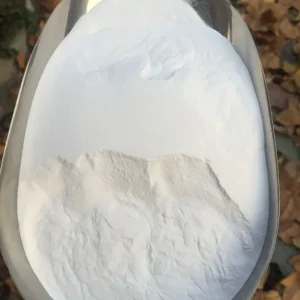
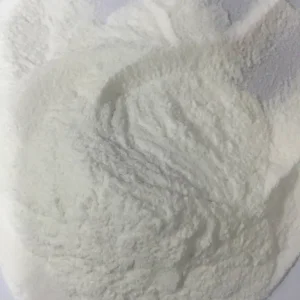
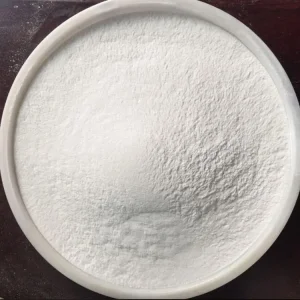
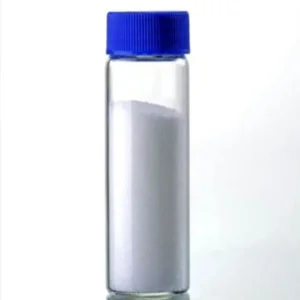
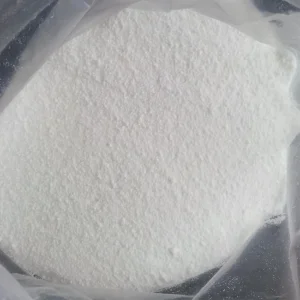
| Chemical Appearance | White to off-white crystalline powder / granules | White crystalline powder or fine crystals |
| Assay Purity (HPLC) | ≥ 99.0% - 99.8% | ≥ 99.0% - 100.5% (EP / USP Grade) |
| Melting Point Range | 109.0°C – 111.0°C | 300°C (Decomposition) |
| Trans/Cis Isomeric Purity | N/A (Saturated Dicarboxylic Acid) | Trans-isomer ≥ 99.9% (Cis-isomer ≤ 0.1%) |
| Loss on Drying | ≤ 0.5% | ≤ 0.5% |
| Heavy Metals (as Pb) | ≤ 10 ppm (Cosmetic Grade), ≤ 5 ppm (Pharma Grade) | ≤ 10 ppm (Cosmetic Grade), ≤ 5 ppm (Pharma Grade) |
| Microbiological Count | Total Aerobic Plate Count < 100 CFU/g | Total Aerobic Plate Count < 100 CFU/g |
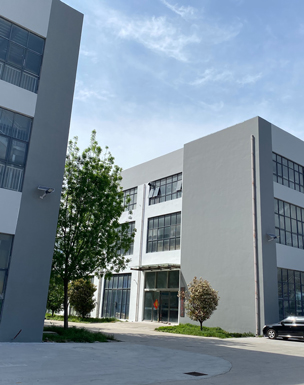
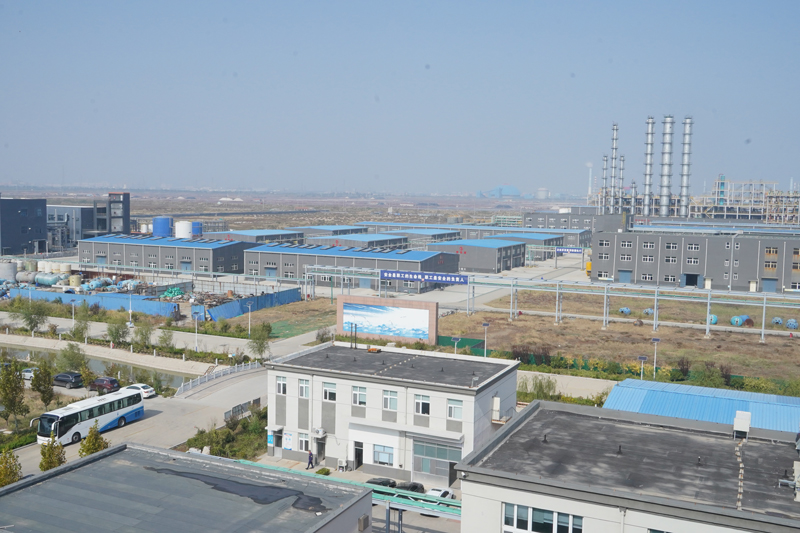
JIMPOCHEM CO., LTD was established in 2010 and is headquartered in the Chemical Industry Park of Jinan City, Shandong Province. The company covers an area of over 500 acres and is a professional chemical raw material manufacturer that integrates research and development, production, sales, and technical services.
Our core focus centers on high-end fine chemicals, pharmaceutical intermediates, and cosmetic active raw materials. We have obtained multiple product-related certifications, including ISO9001 quality management system certification and ISO14001 environmental management system certification, and are committed to providing high-quality chemical products and one-stop procurement service solutions to global customers.
Our raw materials fully comply with global regulatory frameworks including EU REACH registration, US FDA DMF filing readiness, and China NMPA safety evaluation protocols. Full documentation packages (CoA, MSDS, TDS, BSE/TSE-Free Statements, ISO Certificates) accompany all shipments.
With strategic raw material reserves and automated continuous-flow processing plants, JIMPOCHEM guarantees stable production capacities. We mitigate international supply risks through dual-port shipping arrangements via Qingdao and Shanghai ports.
In accordance with global dual-carbon targets, our factories employ solvent recovery systems, eco-friendly catalytic oxidation processes, and closed-loop wastewater treatment plants, reducing carbon footprints across the manufacturing supply chain.
Brightening serums, anti-acne spot treatments, rosacea relief gels, post-laser repair creams, tone-correcting night creams.
Topical acne prescription creams (15%-20% Azelaic Acid grade), anti-fibrinolytic therapeutic formulations, medical anesthesia excipients.
Functional polymers, fluorine chemicals, photo-curable coatings, and green bio-degradable chemical intermediates.
Essential technical, formulation, and procurement answers for chemical formulators, procurement officers, and brand developers.
Combining Azelaic Acid and Tranexamic Acid provides a multi-pathway therapeutic approach. Azelaic Acid directly inhibits hyperactive tyrosinase enzymes and clears follicular hyperkeratosis, while Tranexamic Acid blocks plasmin-induced melanocyte stimulation and addresses the vascular component (redness/angiogenesis) of melasma and PIE. The result is faster pigment clearance with lower irritation risks compared to high-dose hydroquinone or retinoids.
For cosmetic applications, typical formulation concentrations range from 5% to 10% Azelaic Acid paired with 2% to 5% Tranexamic Acid. In professional or prescription-grade topical treatments, Azelaic Acid can be scaled up to 15%-20% alongside 3%-5% Tranexamic Acid under appropriate buffering systems.
Because Azelaic Acid has limited water solubility, formulators should use solubilizers such as Ethoxydiglycol, Dimethyl Isosorbide (DMI), Propanediol, or PEG-8. Alternatively, utilizing micronized Azelaic Acid (d90 < 10 μm) from JIMPOCHEM allows for smooth, non-gritty, stable suspension suspensions in cream-gel networks.
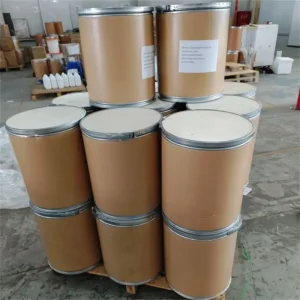
Standard industrial packaging for Azelaic Acid and Tranexamic Acid includes 25 kg cardboard fiber drums lined with double-layer PE nitrogen-sealed aluminum foil bags. For evaluation and formulation trial phases, sample MOQs start at 1 kg / 5 kg packaging.
Yes. Both raw materials supplied by JIMPOCHEM meet ISO9001 quality standards, carry complete REACH documentation for European import, and conform to the US Cosmetic Ingredient Review (CIR) safety guidelines and China NMPA registered ingredients inventory.
Explore our full line of fine chemical raw materials manufactured under strict ISO quality standards.
Partner with China's leading chemical manufacturer for Azelaic Acid, Tranexamic Acid, and specialty active ingredients. Our R&D team provides full formulation assistance, COA documentation, and global door-to-door logistics support.
 JIMPOCHEM