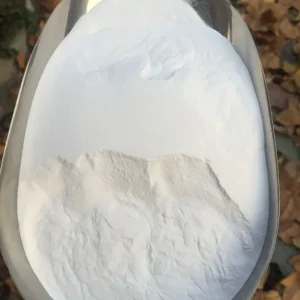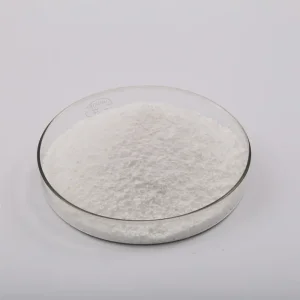
In modern closed-circuit and semi-closed-circuit inhalation anesthesia, Anesthesia Machine Soda Lime (CAS 8006-28-8) acts as an indispensable chemical barrier against hypercapnia. Its primary physiological function is the continuous absorption of exhaled carbon dioxide ($\text{CO}_2$) from rebreathing circuits, allowing safe re-inhalation of expensive halogenated volatile anesthetics such as Sevoflurane, Desflurane, and Isoflurane. As medical healthcare facilities worldwide transition toward low-flow (<1 L/min) and minimal-flow anesthesia to reduce surgical carbon footprints and operational costs, the performance requirements placed on soda lime granules have escalated dramatically.
Historically, traditional formulations utilizing high concentrations of sodium hydroxide ($\text{NaOH}$) and potassium hydroxide ($\text{KOH}$) presented significant safety risks, including the alkaline-catalyzed breakdown of Sevoflurane into the nephrotoxic Fluoromethyl-2,2-difluoro-1-(trifluoromethyl)vinyl ether (known clinically as Compound A) and the desiccation-induced degradation of volatile agents into lethal Carbon Monoxide ($\text{CO}$). Leading Chinese manufacturing facilities, such as JIMPOCHEM CO., LTD., have revolutionized global supply chains by engineering next-generation, low-caustic, highly porous soda lime compounds. Combining automated extrusion technology, high-durability spherical or D-shaped geometries, and heat-stabilized ethyl violet color indicator systems, Chinese suppliers now deliver medical-grade absorbents that fulfill stringent European Pharmacopoeia (EP) and United States Pharmacopeia (USP) requirements.
Soda lime operates via an exothermic, multi-stage chemical reaction chain where gaseous carbon dioxide is trapped, chemically neutralized, and converted into solid calcium carbonate. Understanding this pathway is essential for procurement officers and clinical biomedical engineers evaluating chemical suppliers:
1. Dissolution & Acid-Base Neutralization: Exhaled gas containing moisture ($\text{H}_2\text{O}$) and carbon dioxide ($\text{CO}_2$) contacts the surface layer of the granules, forming carbonic acid ($\text{H}_2\text{CO}_3$):
CO₂ (g) + H₂O (l) ⇌ H₂CO₃ (aq)
2. Primary Alkaline Reaction (Catalysis): Carbonic acid reacts rapidly with the strong base catalyst ($\text{NaOH}$) present in the matrix to yield sodium carbonate and water:
H₂CO₃ + 2 NaOH → Na₂CO₃ + 2 H₂O + Heat
3. Regeneration of Catalyst & Calcium Fixation: Sodium carbonate reacts with the primary bulk component, slaked lime ($\text{Ca(OH)}_2$), precipitating insoluble calcium carbonate and restoring sodium hydroxide for continuous catalysis:
Na₂CO₃ + Ca(OH)₂ → CaCO₃ (s) + 2 NaOH
4. Indicator State Shift: As hydroxyl ($\text{OH}^-$) ions are depleted, the pH of the granule drops below 10.3. This triggers a visual color change in the incorporated indicator (typically Ethyl Violet), shifting from vivid white/cream to deep violet/purple.
To address global safety concerns regarding Compound A and CO accumulation during prolonged anesthesia operations, advanced Chinese chemical manufacturers have re-engineered the classic soda lime formulation.
| Chemical Property / Feature | Legacy Soda Lime Formulations | JIMPOCHEM Advanced Medical Grade |
|---|---|---|
| Sodium Hydroxide (NaOH) Content | High (> 4.0% - 9.0%) | Optimized Low-Alkali (≤ 1.5% - 2.0%) |
| Potassium Hydroxide (KOH) Content | Present (1.0% - 2.0%) | 100% KOH-Free (Eliminates CO risk) |
| Desiccation Compound A Formation | Elevated under dry gas conditions | Non-detectable / Clinical Safe Margin |
| Hardness Index (USP Test) | 75% - 85% (Prone to channeling/dust) | > 98.5% (High crush resistance) |
| Optimal Moisture Range | 10% - 14% | 12.0% - 19.0% (Strictly controlled) |
| Indicator Color Transition | White to Violet (Reversible if rested) | Non-Reversible Stable Ethyl Violet |
While medical operating rooms represent the largest single consumer of anesthesia machine soda lime, specialized industrial and clinical operational environments demand tailored performance characteristics:
Used in closed-loop workstations (e.g., Dräger, Mindray, GE Datex-Ohmeda). High absorption speed and stable heat dispersion prevent canister overheating during prolonged surgical procedures.
Requires minimal flow resistance and absolute zero fine-particle dusting to prevent respiratory mucosal irritation in neonatal and pediatric patients undergoing long surgeries.
Operational under elevated atmospheric pressures. Formulations require strict structural integrity to eliminate pressure-drop variances and maintain consistent $\text{CO}_2$ capture capacity.
Cost-effective, highly durable pre-packed canister refills or bulk drums engineered for small animal clinics and large veterinary teaching hospitals needing versatile rebreathing circuits.
Military and commercial deep-sea rebreathers (CCRs). Demands extra-hard, water-resistant granules capable of operating under 100% humidity without sludging or blocking gas flow.
Self-contained breathing apparatus (SCBA) and life-support refuges. Engineered for extended shelf-life (up to 5 years sealed) and immediate activation upon environmental isolation.
The future of medical carbon dioxide absorption lies in chemical optimization and structural precision. JIMPOCHEM’s R&D facilities are pioneering next-generation advances aimed at redefining patient safety and operational lifecycle efficiency:
By utilizing organic binding agents and precise porosity catalysts, research is focused on completely removing $\text{NaOH}$ while preserving rapid $\text{CO}_2$ kinetic absorption rates. Eliminating strong alkalis completely eradicates the possibility of anesthetic degradation, regardless of granule desiccation levels.
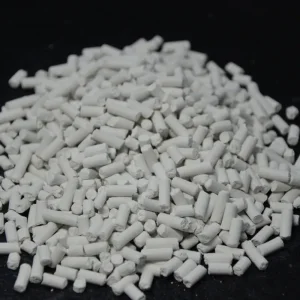
Dust generation within anesthesia circuits poses severe risks to machine valves and patient airways. Modern Chinese manufacturing lines utilize dual-stage dust extraction systems post-kiln calcination, combined with precise cylindrical (2.5mm - 5.0mm) or hemispherical extrusion dies to maximize gas contact surface area while maintaining an USP hardness rating exceeding 98.5%.
Traditional ethyl violet can undergo photo-bleaching when exposed to intense operating room lighting, leading to false-negative readings of exhausted absorbent. New indicator chemistries bind dye compounds permanently to the mineral crystalline structure, ensuring color permanence even after prolonged light exposure or temporary drying.
China’s chemical manufacturing ecosystem provides unprecedented structural advantages for global healthcare systems and medical device OEMs. As a designated chemical service provider, JIMPOCHEM CO., LTD. leverages Shandong’s robust raw material supply chain to deliver high-capacity, cost-efficient, and fully compliant soda lime products to global buyers.
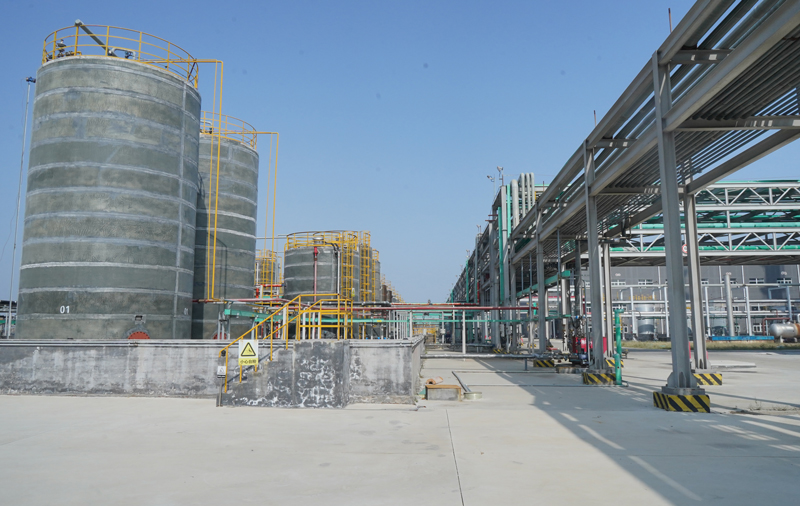
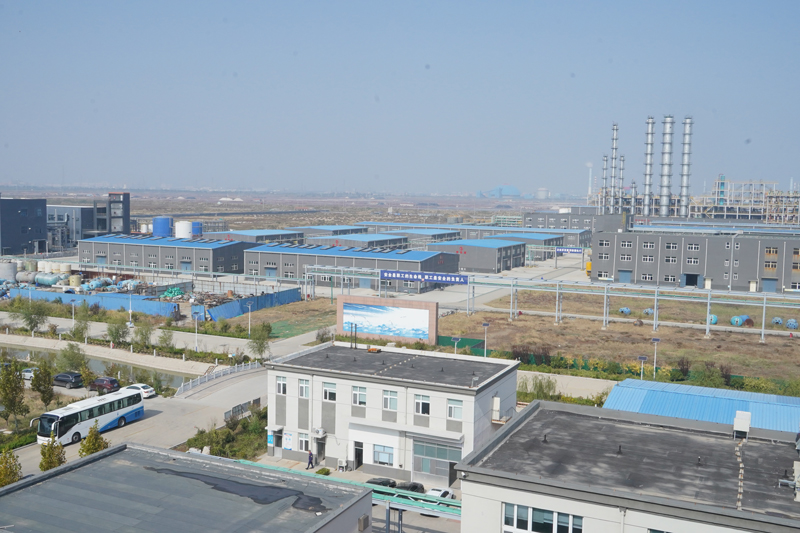
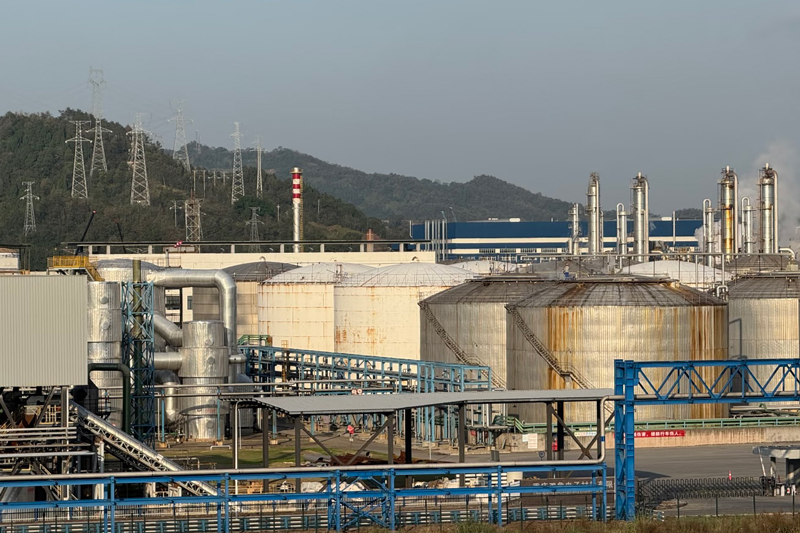
Headquartered in the Jinan Chemical Industry Park across 500+ acres, our facility benefits from direct pipeline access to ultra-pure limestone reserves, high-grade quicklime ($\text{CaO}$), and electrolytic sodium hydroxide. This vertical integration guarantees raw material consistency and protects downstream clients from sudden global price spikes.
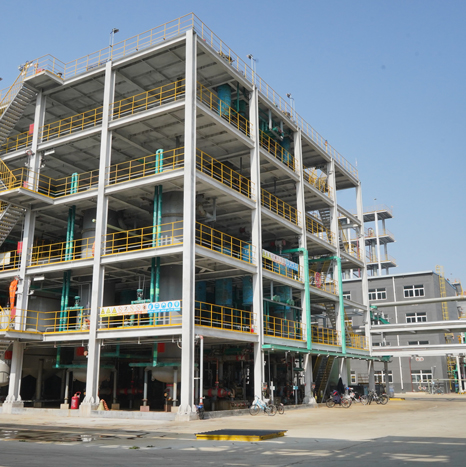
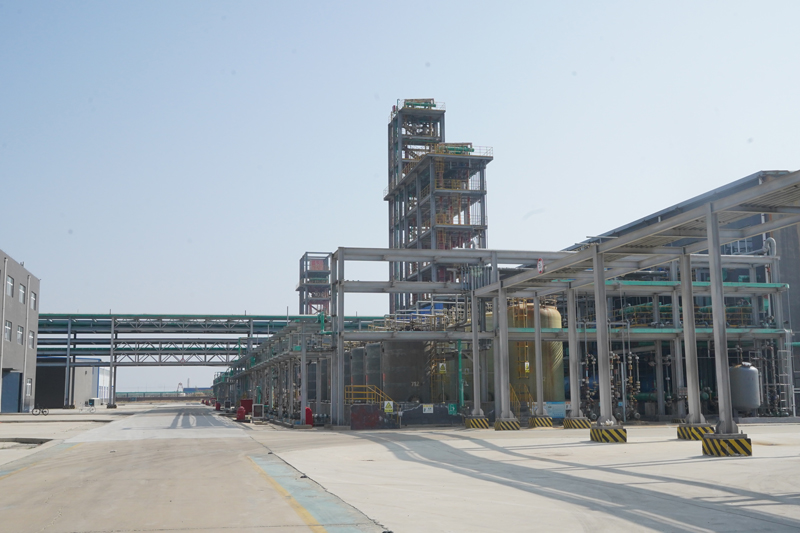
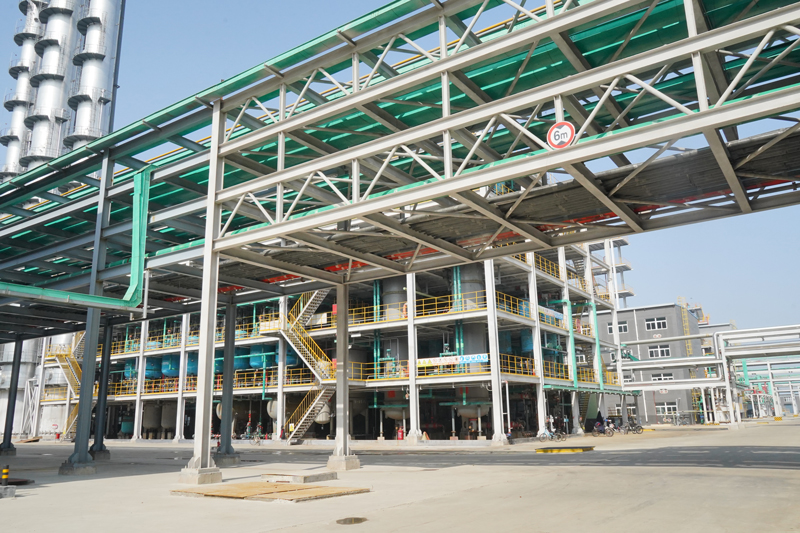
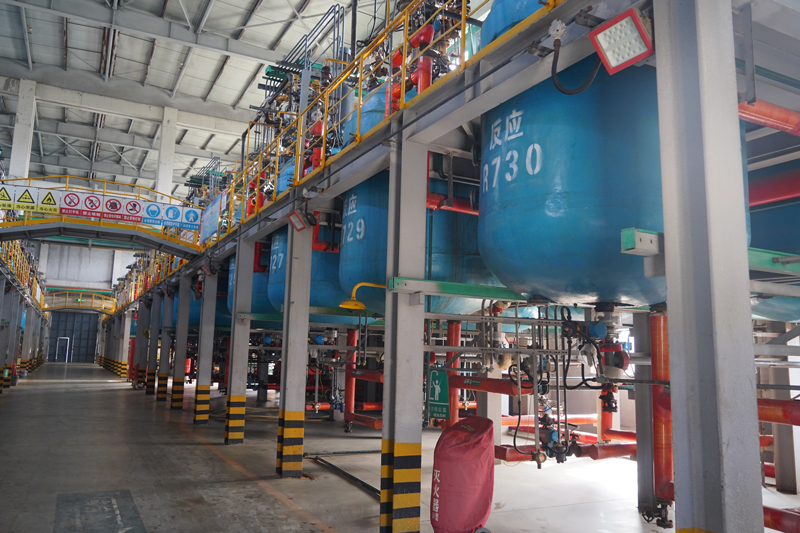
Our state-of-the-art production lines feature fully automated batch mixing, continuous extrusion, fluidized-bed drying, and dust-removal screening. Intelligent digital monitoring guarantees batch-to-batch reproducibility across thousands of metric tons per year, balancing large-scale standardized production with custom OEM requests.
Medical-grade absorbents are classified as Class II medical device consumables in most international jurisdictions. Global hospital groups and distributor networks require comprehensive regulatory documentation to clear customs and pass health authority audits:
Operates strictly under ISO 9001 quality management systems and ISO 14001 environmental frameworks, ensuring full regulatory alignment for medical device manufacturing supply chains.
Fully compliant with United States Pharmacopeia (USP) and European Pharmacopoeia (EP) standards for carbon dioxide absorbents, including rigorous moisture and hardness specifications.
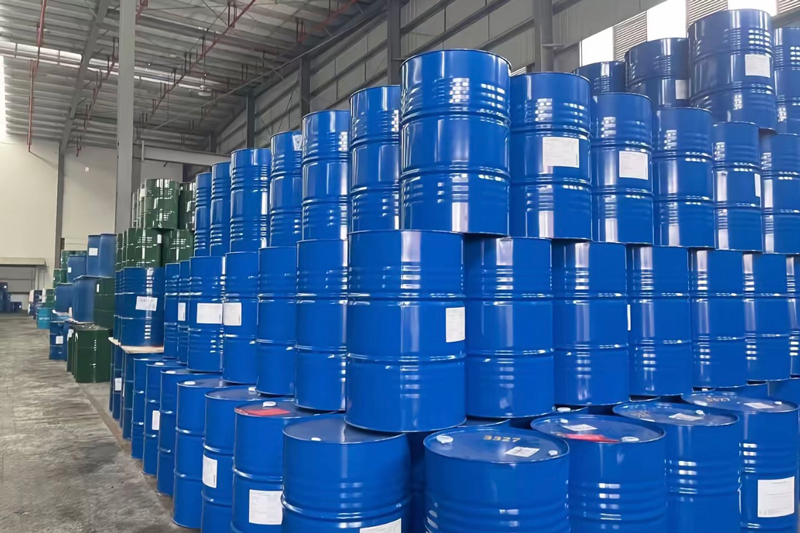
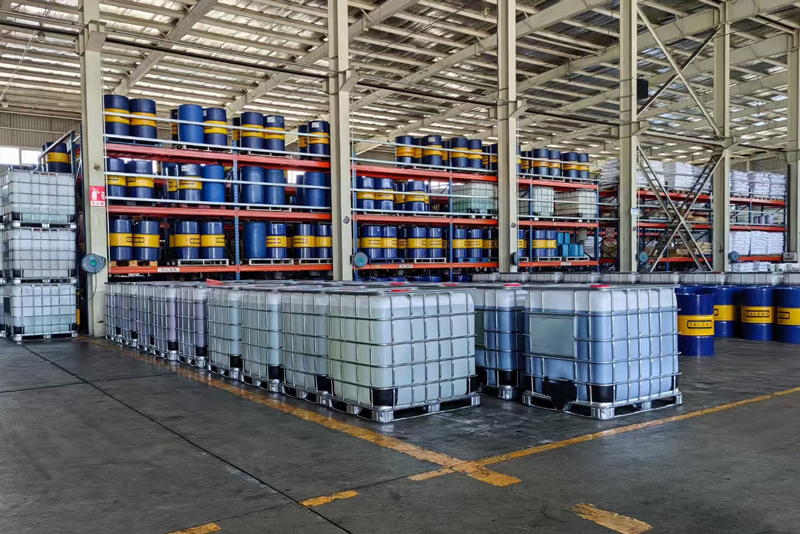
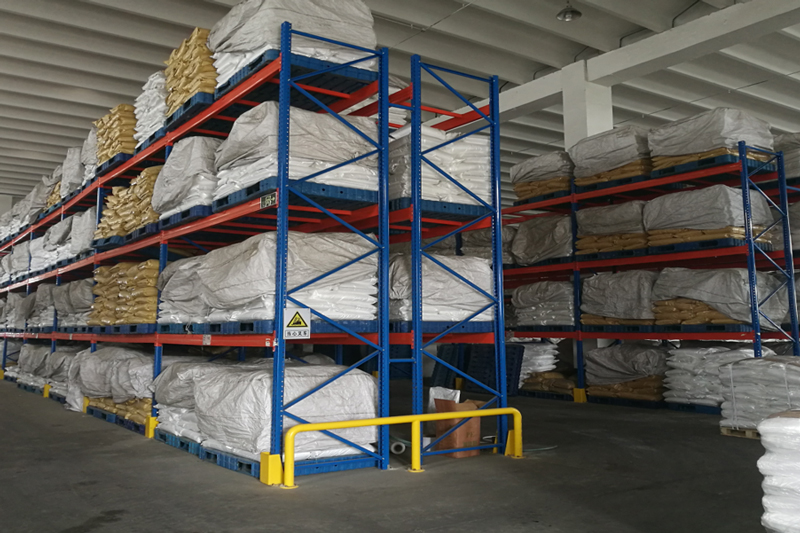
Available in pre-filled disposable canisters (compatible with major anesthesia workstations), 1kg/4.5kg airtight polypropylene pails, and 25kg/50kg sealed industrial steel/plastic drums.
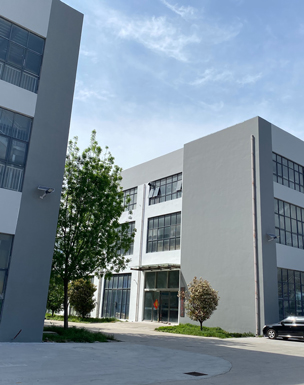
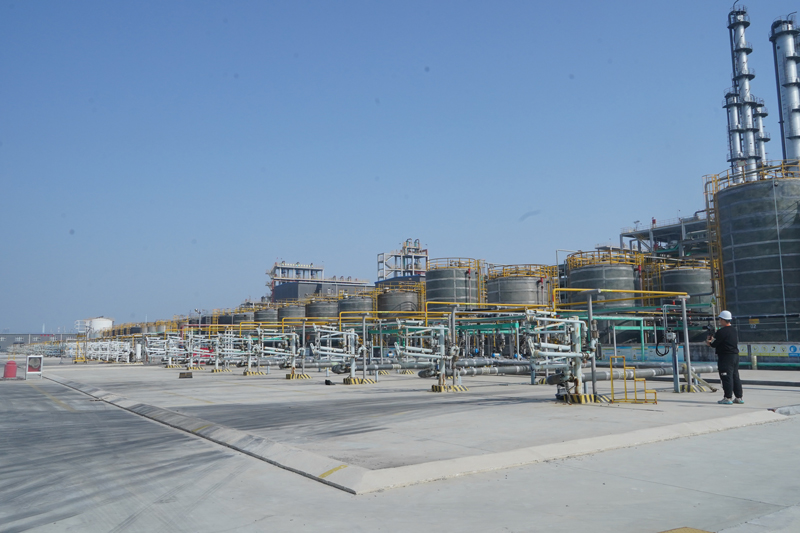
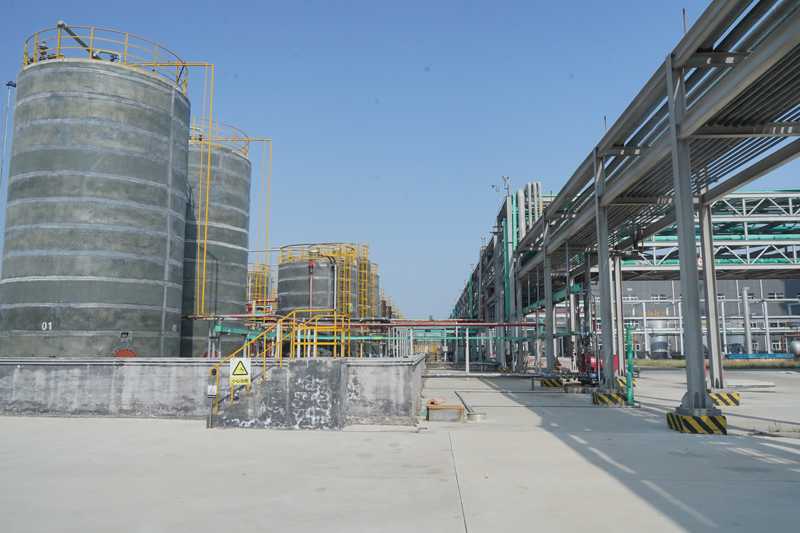
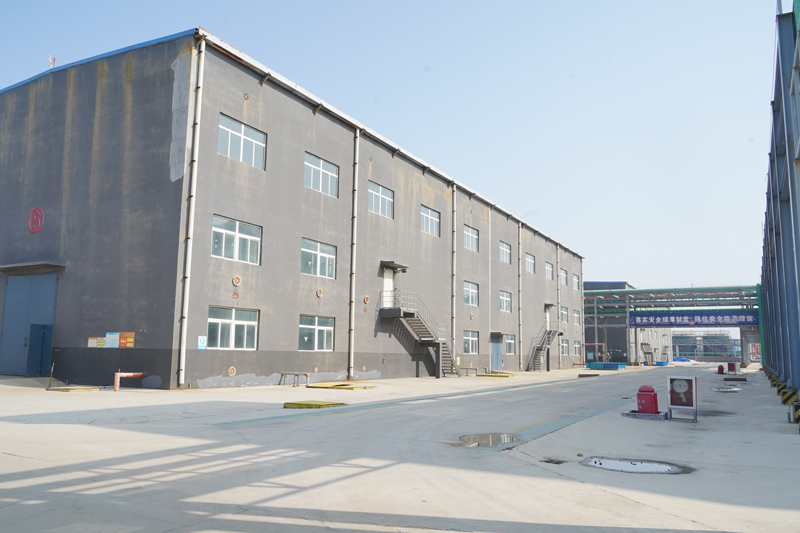
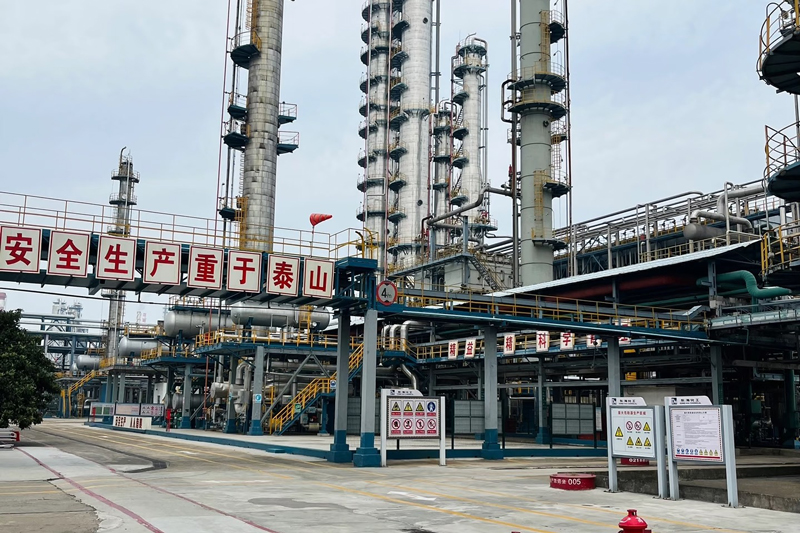
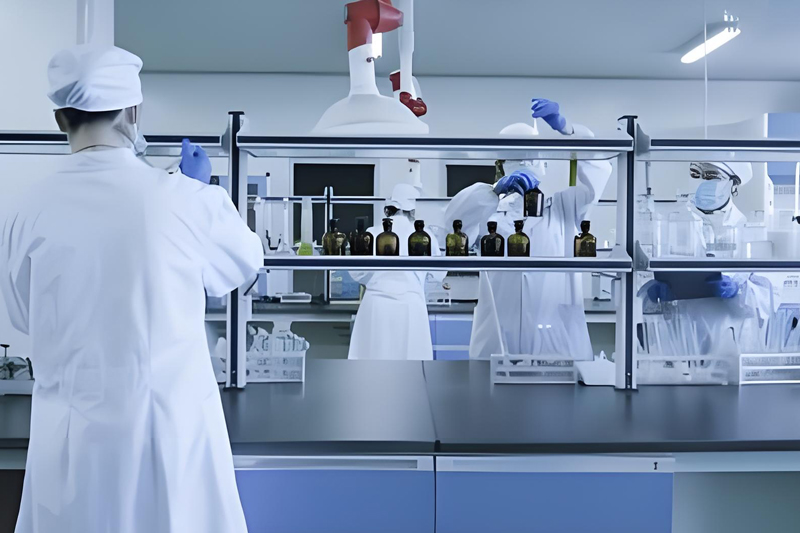
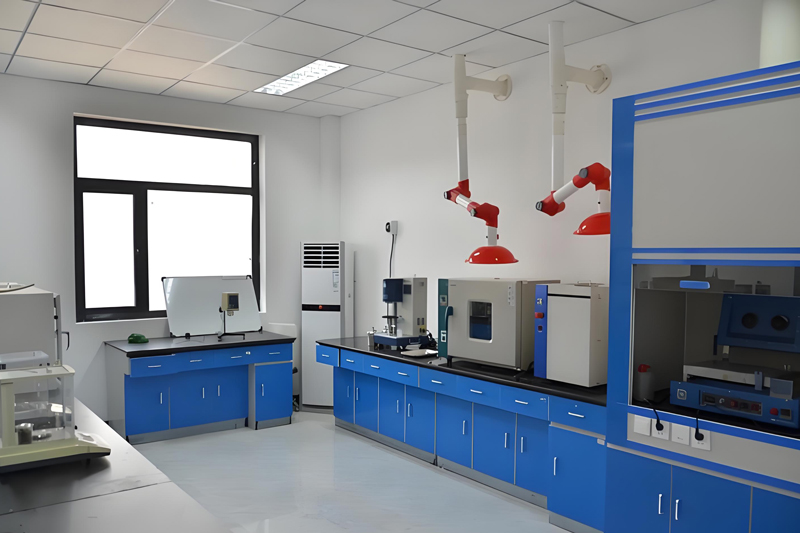
Established in 2010 and headquartered in the Chemical Industry Park of Jinan City, Shandong Province, JIMPOCHEM CO., LTD. covers an area of over 500 acres. As a premier chemical raw material manufacturer integrating research and development, production, global sales, and technical services, our core focus spans high-end fine chemicals, pharmaceutical intermediates, and medical-grade materials.
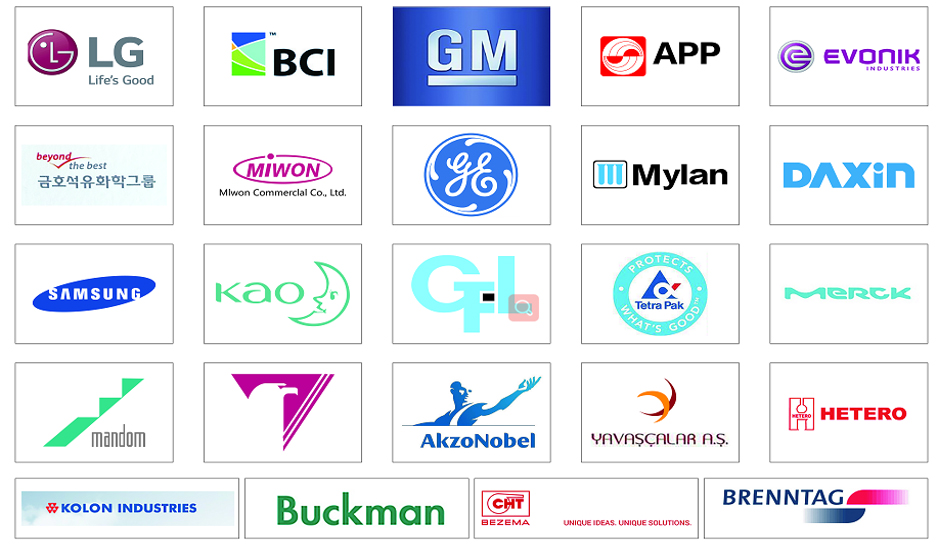
Our core technical team comprises industry veterans with over 16 years of hands-on experience in chemical engineering. Serving over 5,000 international companies across 200+ countries and regions in Europe, America, Southeast Asia, the Middle East, and Oceania, JIMPOCHEM is proud to be a trusted "designated chemical service provider" for global pharmaceutical and healthcare partners.
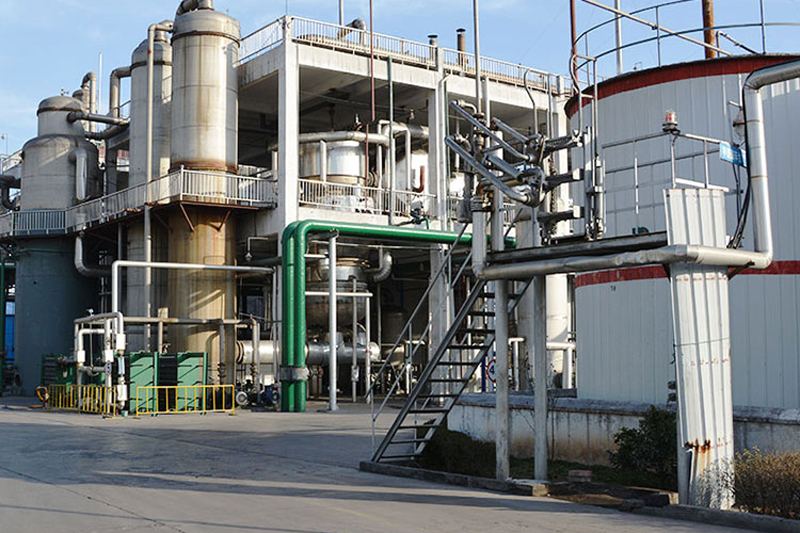
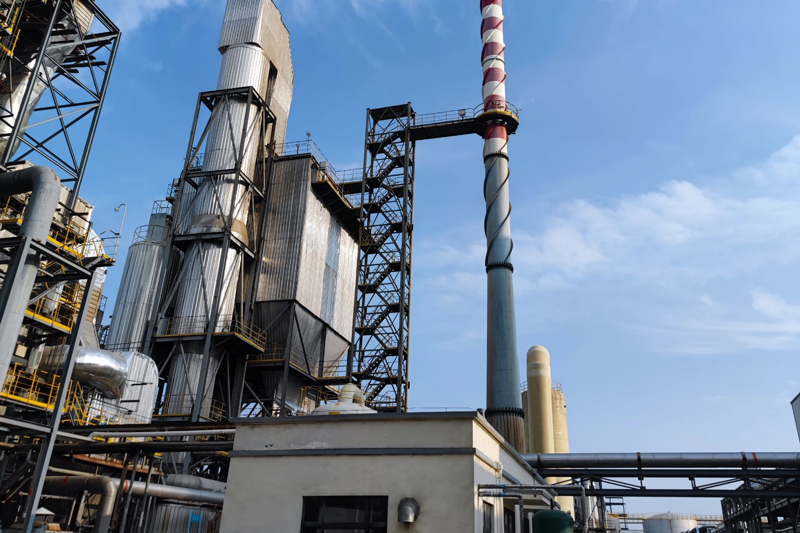
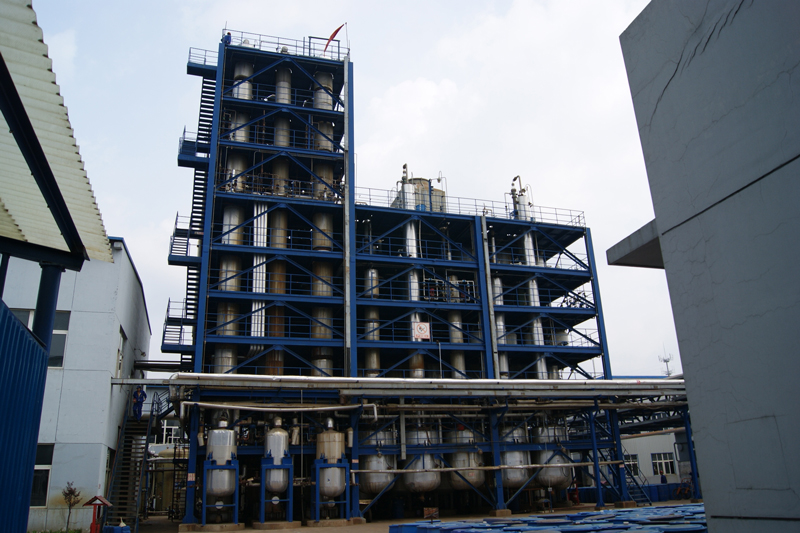
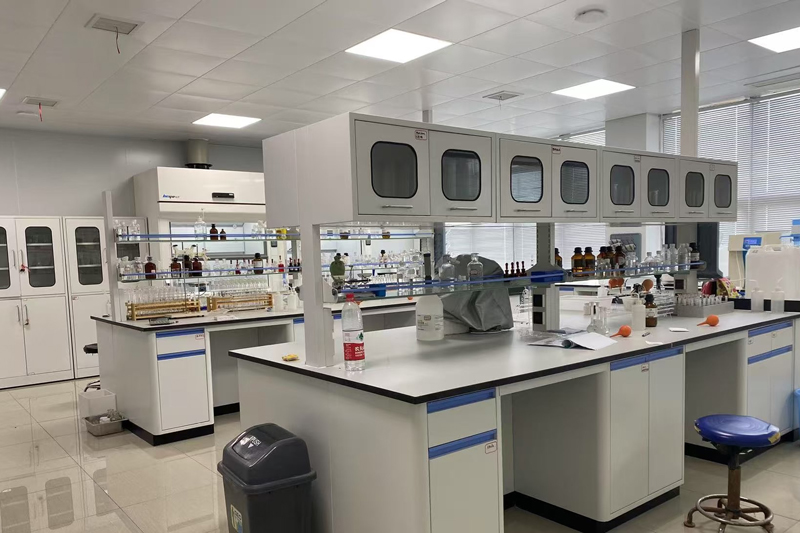
Explore our corporate exterior, advanced automated synthesis equipment, laboratory R&D facilities, and export packaging operations:
Addressing critical clinical, safety, and supply chain queries for hospital buyers and chemical procurement teams.
 JIMPOCHEM