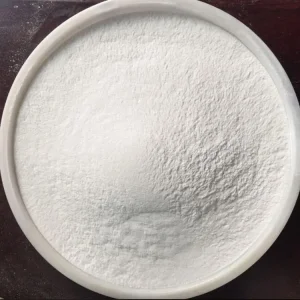
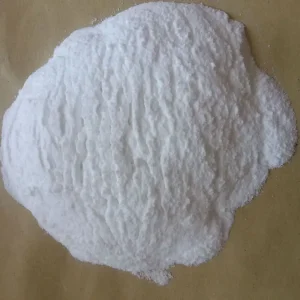
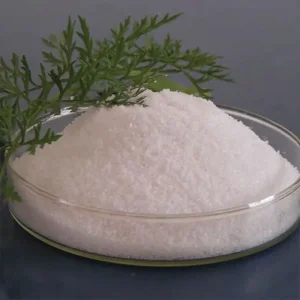
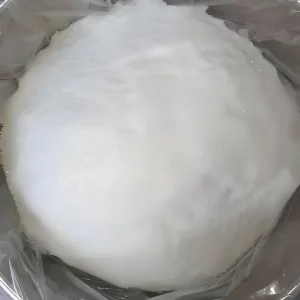
4-Phenylenediamine (p-phenylenediamine, PPD, CAS 106-50-3) and its specialized alkylated derivatives such as N,N'-Bis(1-methylpropyl)-1,4-phenylenediamine (CAS 101-96-2) represent foundational building blocks within global industrial organic chemistry. Serving as critical precursors for high-performance aramid polymers, advanced rubber antiozonants (such as 6PPD and IPPD), permanent colorants, and specialized pharmaceutical intermediates, p-phenylenediamine chemistry is central to modern materials science and high-reliability industrial manufacturing.
Over the past two decades, China has evolved into the definitive global epicenter for aromatic amine production, driven by integrated petrochemical supply chains, state-of-the-art continuous catalytic hydrogenation technology, and rigorous environmental management infrastructure. Chinese suppliers currently supply over 65% of the worldwide demand for PPD derivatives, satisfying strict international technical standards including EU REACH compliance, US TSCA registration, and stringent ISO quality certifications.
Below is an authoritative technical breakdown of standard industrial-grade and ultra-pure electronic/pharmaceutical grade 4-Phenylenediamine manufactured in modern Chinese facilities:
| Parameter Specification | Standard Industrial Grade | High-Purity / Cosmetic Grade | Analytical Testing Methodology |
|---|---|---|---|
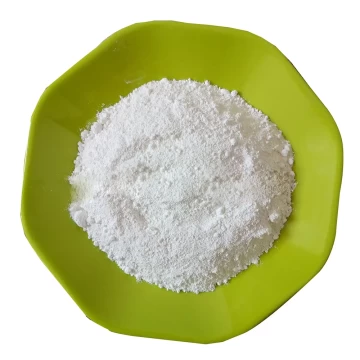
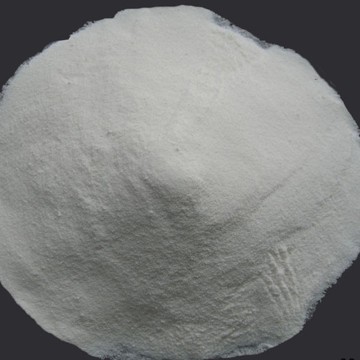
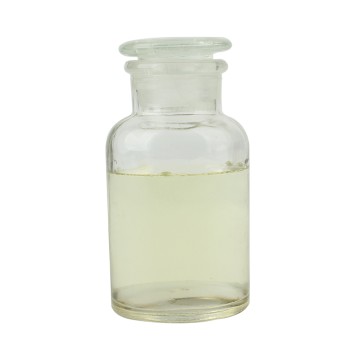
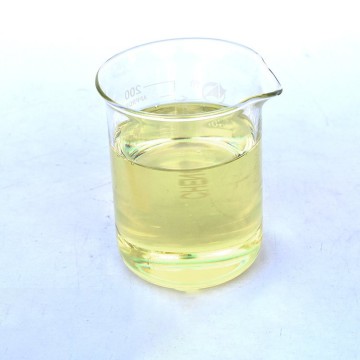
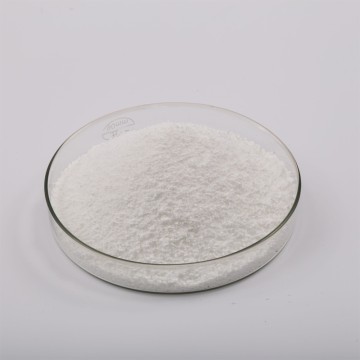
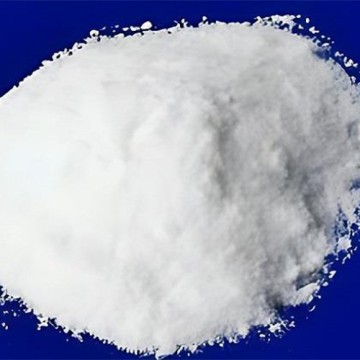
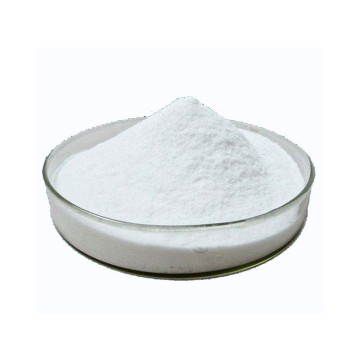
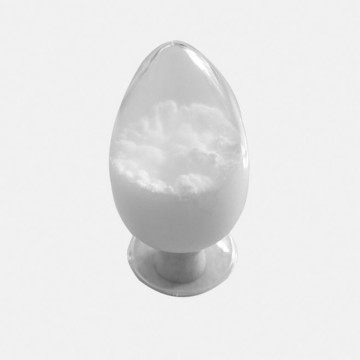
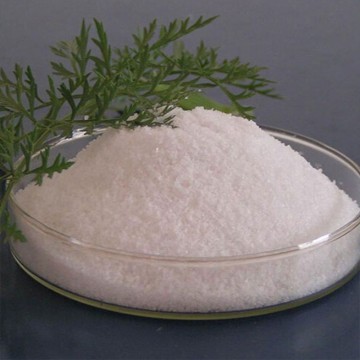
| Appearance | White to light purple crystalline flakes | Pure white crystalline powder | Visual / Colorimetric Inspection |
| Purity (GC / HPLC Assay) | ≥ 99.50% | ≥ 99.90% | Gas Chromatography / HPLC |
| Melting Point Range | 141.0 °C – 144.0 °C | 143.0 °C – 145.0 °C | Capillary Melting Point Apparatus |
| Aniline Content | ≤ 0.10% | ≤ 0.02% (200 ppm max) | Chromatographic Isolation |
| Moisture (Karl Fischer) | ≤ 0.20% | ≤ 0.05% | Coulometric Karl Fischer |
| Residue on Ignition (Ash) | ≤ 0.10% | ≤ 0.02% | Gravimetric Thermogravimetry |
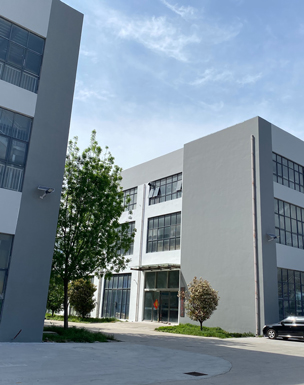
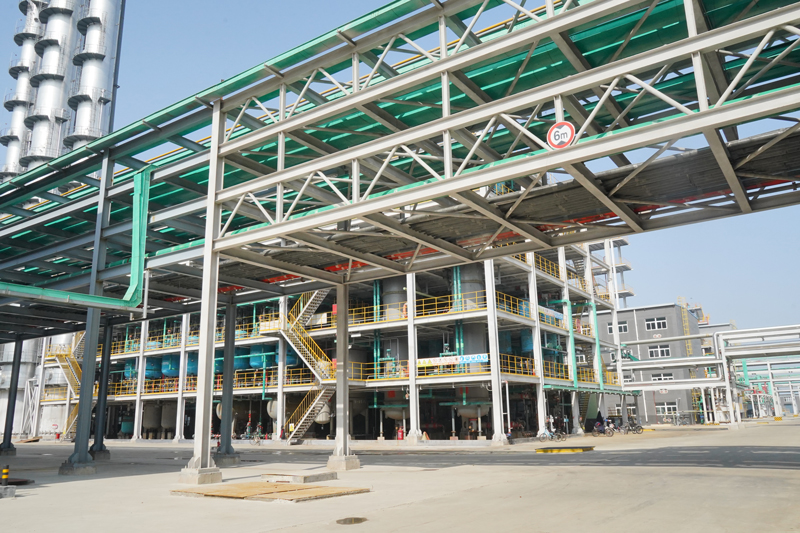
Established in 2010 and strategically headquartered in the Chemical Industry Park of Jinan City, Shandong Province, JIMPOCHEM CO., LTD operates across a sprawling production complex spanning over 500 acres. As a designated professional chemical raw material manufacturer, JIMPOCHEM fully integrates basic synthesis R&D, pilot-scale optimization, large-scale industrial manufacturing, global logistics, and post-sales technical support.
With 16 years of dedicated synthesis expertise, our core team comprises chemical engineers and PhD-level material scientists who deliver bespoke product formulations, supply chain risk mitigation, and process refinement. We serve over 5,000 international corporate clients across 200 countries and regions spanning North America, Europe, Southeast Asia, the Middle East, and Oceania.
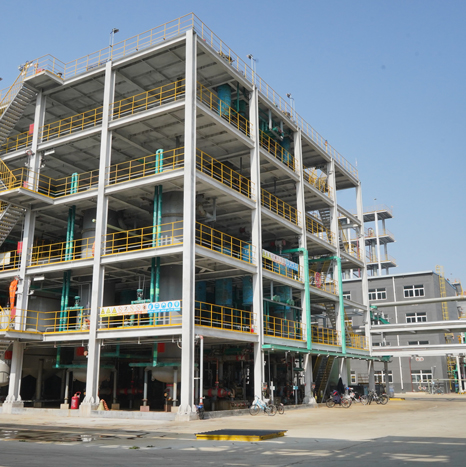
Industrial synthesis of 4-phenylenediamine primarily relies on two chemical pathways: the catalytic hydrogenation of 4-nitroaniline or the reduction of aminoazobenzene. Modern Tier-1 Chinese manufacturers including JIMPOCHEM have overwhelmingly adopted the catalytic hydrogenation route due to its higher atomic economy, superior energy efficiency, and minimized toxic byproduct generation.
In this process, 4-nitroaniline is subjected to high-pressure hydrogenation in liquid phase using noble metal catalysts (such as Pd/C or Raney Nickel) inside continuous stirred-tank reactors (CSTR) or fixed-bed loop reactors:
Key process optimizations include precise temperature regulation (typically between 90°C and 130°C) and maintaining hydrogen gas partial pressure at 1.5 to 3.5 MPa. Maintaining stoichiometric balance prevents over-hydrogenation of the aromatic ring into cyclohexylamine derivatives.
4-Phenylenediamine is notoriously susceptible to oxidative degradation when exposed to atmospheric oxygen or ultraviolet light, turning from a crystalline white compound to dark pink, purple, or black via quinonoid compound formation. To combat oxidation and ensure batch-to-batch color stability during transit, Chinese suppliers employ specialized handling techniques:
4-Phenylenediamine and its N-alkyl derivative compounds are indispensable across six macro-industrial sectors. Understanding these applications allows global engineering teams to select precise chemical grades tailored to specific end-use parameters.
PPD derivatives, particularly N-(1,3-dimethylbutyl)-N'-phenyl-p-phenylenediamine (6PPD) and N,N'-Bis(1-methylpropyl)-1,4-phenylenediamine (CAS 101-96-2), are essential antiozonants in heavy-duty commercial truck tires, automotive belts, and industrial seals, scavenging atmospheric ozone to prevent flex-cracking.
High-purity PPD is polycondensed with terephthaloyl chloride (TPC) to produce poly(p-phenylene terephthalamide) (PPTA), the foundational polymer in high-strength aramid fibers (e.g., Kevlar® style materials) used in aerospace structural composites, ballistic protection, and fiber-optic cabling reinforcement.
In the cosmetic industry, cosmetics-grade PPD acts as the primary oxidative dye intermediate in permanent hair coloring formulations. Reacting with hydrogen peroxide couplers inside the hair cortex, it yields permanent, natural-looking dark tones with exceptional wash-fastness.
PPD serves as a key diazotization precursor for synthesizing azo dyes, sulfur dyes, and industrial pigments used across textile dyeing, leather finishing, ink jet printing, and plastics coloration, providing excellent light stability and heat resistance.
Substituted phenylenediamines inhibit radical-chain oxidation in aviation fuels, gasoline, and lubricants, mitigating gum formation and engine deposit build-up while extending storage stability for strategic fuel reserves.
Ultra-pure 4-phenylenediamine is utilized as an intermediate in active pharmaceutical ingredient (API) synthesis, contributing to heterocyclic building blocks for anthelmintics, anti-inflammatory compounds, and specialized diagnostic reagents.
To guarantee zero supply disruption and uncompromised product purity, JIMPOCHEM operates modern labs equipped with Agilent Gas Chromatographs (GC), Shimadzu High-Performance Liquid Chromatographs (HPLC with UV-Vis & MS detectors), Fourier-Transform Infrared Spectrometers (FTIR), and Inductively Coupled Plasma Mass Spectrometry (ICP-MS) for heavy metal determination down to ppb levels.
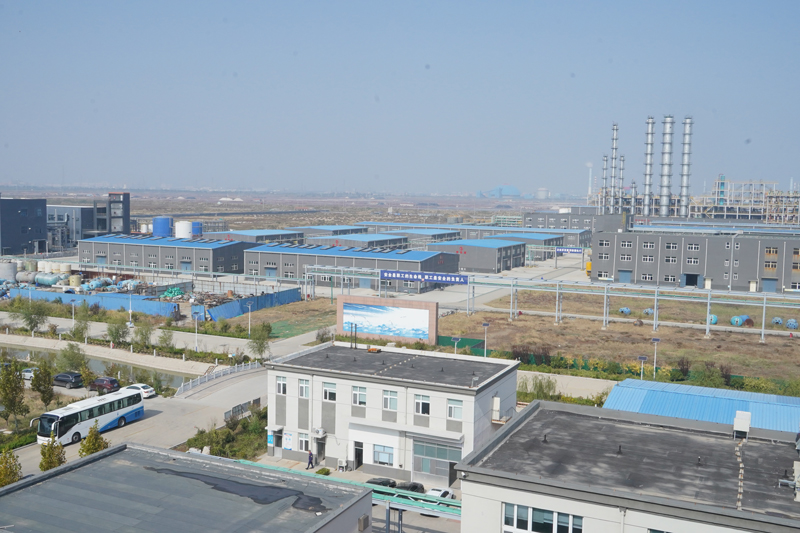
Corporate Exterior
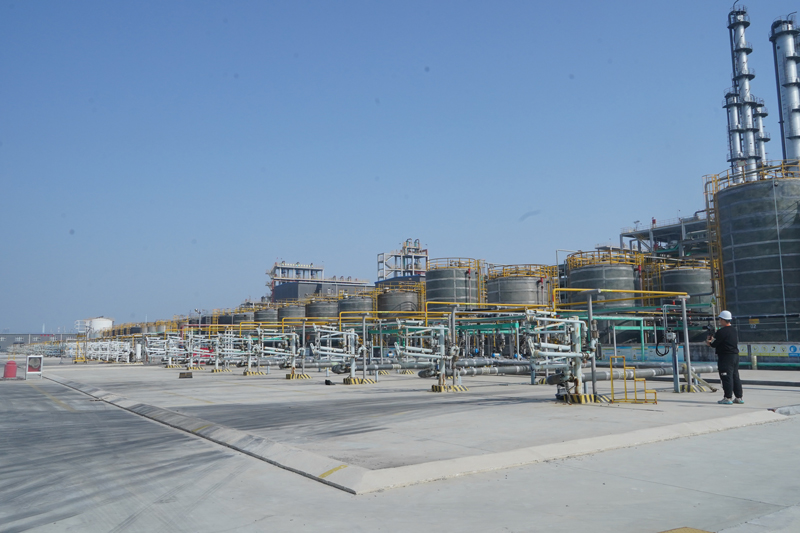
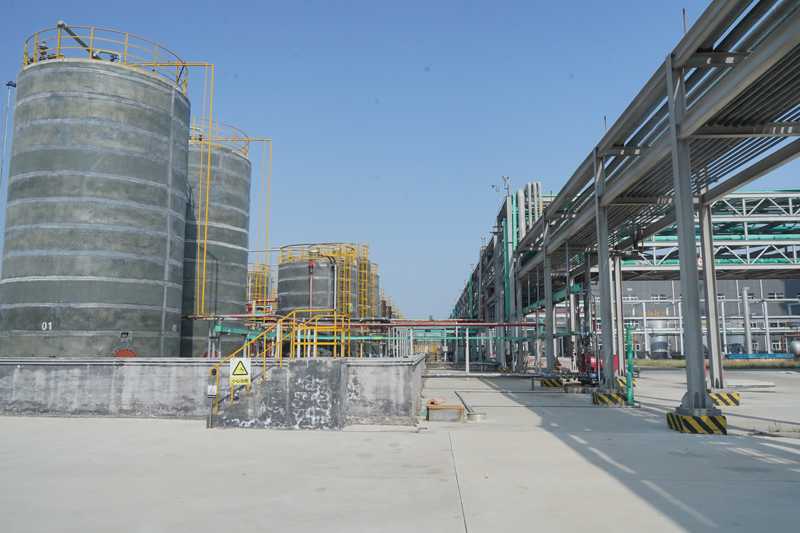
Continuous Equipment
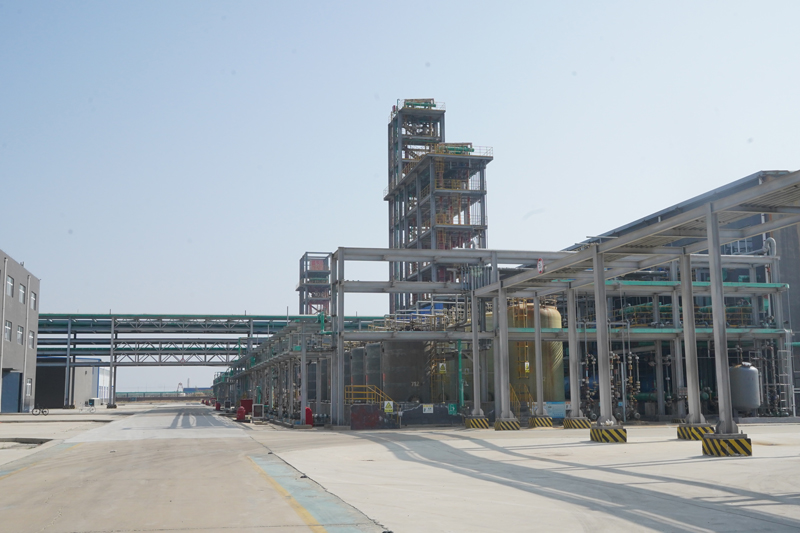
Laboratory R&D
Cooperative Clients
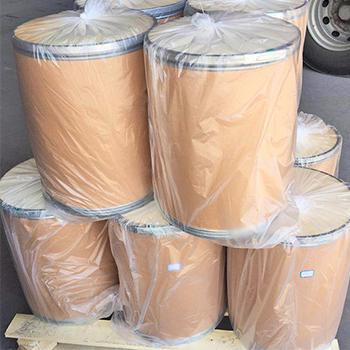
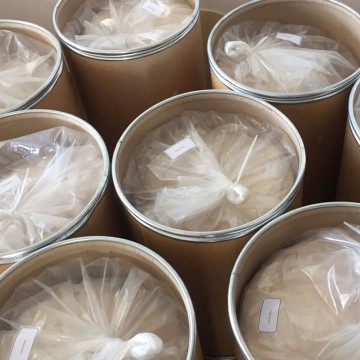
Export Packaging
Aligned with global "Dual-Carbon" initiatives and environmental mandates across North America and Europe, Chinese chemical production has undergone a fundamental green transformation. JIMPOCHEM leads the fine chemical sector in implementing eco-friendly production processes that safeguard downstream supply chains against regulatory bottlenecks.
Explore our broader chemical catalog spanning daily cosmetic chemicals, organic synthesis intermediates, fluorine compounds, and medical raw materials.



 JIMPOCHEM