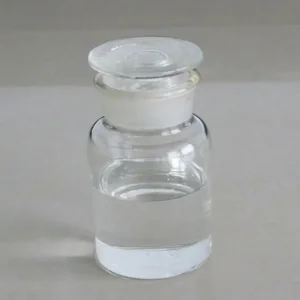
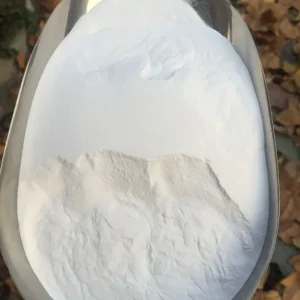
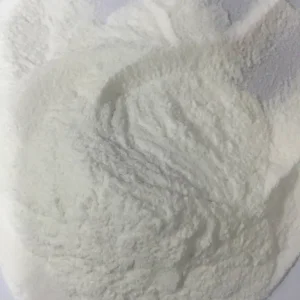
Explore our core fine chemicals, active pharmaceutical ingredients (APIs), and specialty derivatives engineered under strict ISO quality standards.
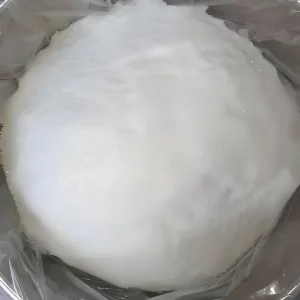
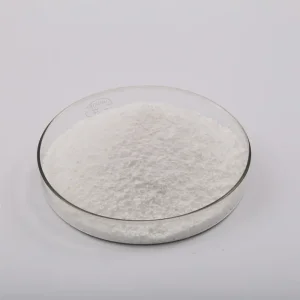
Sodium Caprylate (CAS Registry Number: 1984-06-1), also systematically known as Sodium Octanoate, is the sodium salt of octanoic acid (a medium-chain fatty acid, C8). It appears as a white crystalline powder or fine granular solid featuring excellent thermal stability and high water solubility. Within modern industrial chemistry and pharmaceutical manufacturing, Sodium Caprylate is recognized as a critical chemical agent valued for its protein-stabilizing capability, selective antimicrobial properties, and amphiphilic surfactant performance.
| Chemical Attribute | Technical Specification Value | Analytical Method / Test Standard |
|---|---|---|
| CAS Number | 1984-06-1 | CAS Registry Identification |
| IUPAC Name | Sodium octanoate | IUPAC Nomenclature |
| Molecular Formula | C8H15NaO2 | Elemental Mass Spectrometry |
| Molecular Weight | 166.19 g/mol | Standard Atomic Weight Calculation |
| EINECS / EC Number | 217-850-5 | European Chemical Inventory |
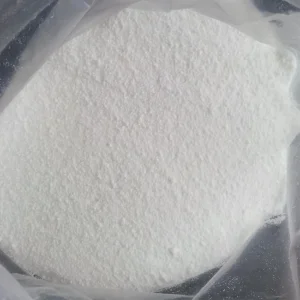
| Appearance | White to almost white crystalline powder / granules | Visual Inspection |
| Assay (Purity) | ≥ 99.0% (Industrial) / ≥ 99.5% (Pharma Grade) | HPLC / Nonaqueous Titration |
| Solubility in Water | Freely soluble in water (≈ 100 g/L at 20°C) | Gravimetric Solubility Test |
| Heavy Metals (as Pb) | ≤ 5 ppm | ICP-MS / Colorimetric |
| Bacterial Endotoxins | ≤ 0.10 EU/mg (Pharma Bioprocessing Grade) | LAL Kinetic Chromogenic Method |
The unique structural property of Sodium Caprylate lies in its eight-carbon hydrophobic alkyl tail coupled with a hydrophilic polar sodium carboxylate head. This distinct amphiphilic structure enables it to insert into hydrophobic crevices of complex protein molecules—such as Human Serum Albumin (HSA)—thereby shielding the protein tertiary structure against thermal denaturation during industrial sterilization processes.
Through empirical field insights and user intent mining across global chemical buyers, Sodium Caprylate CAS 1984-06-1 serves multiple high-growth macroeconomic sectors. Below are the primary vertical application paradigms where this compound plays an essential functional role:
Sodium Caprylate is universally utilized as a key heat stabilizer in the Cohn plasma fractionation process. When pasteurizing Human Serum Albumin solutions at 60°C for 10 hours (to eliminate blood-borne viruses), Sodium Caprylate binds to albumin, preventing thermal aggregation and denaturation without interfering with therapeutic efficacy.
In modern cosmetic formulation science, Sodium Caprylate functions as a natural synergistic antimicrobial booster. Due to its short medium-chain fatty acid profile, it disrupts fungal and bacterial cell membrane integrity, enabling formulators to create "preservative-free" or low-irritation cosmetic claims.
Bacteriological R&D laboratories employ CAS 1984-06-1 as a selective growth-inhibiting additive in culture media. It selectively represses target Gram-negative bacterial strains while allowing robust propagation of specific fungi or resistant bacteria in diagnostic assay kits.
Fine chemical plants use Sodium Caprylate as a nucleophilic reagent for esterification reactions, producing caprylate esters used in lubricants, flavorings, plasticizers, and specialty agricultural chemical formulations.
Global procurement directors and supply chain managers seeking high-reliability chemical manufacturing partners choose Chinese production centers for distinct structural advantages. As a premier hub for global fine chemicals, China offers unparalleled supply continuity, cost efficiencies, and quality guarantees.
Chinese fine chemical industrial zones maintain complete upstream integration with raw vegetable lipid oil refineries (producing natural octanoic acid) and chlor-alkali plants (supplying high-purity sodium hydroxide). This local cluster density guarantees raw material security, shielding global buyers from price volatility and geopolitical supply interruptions.
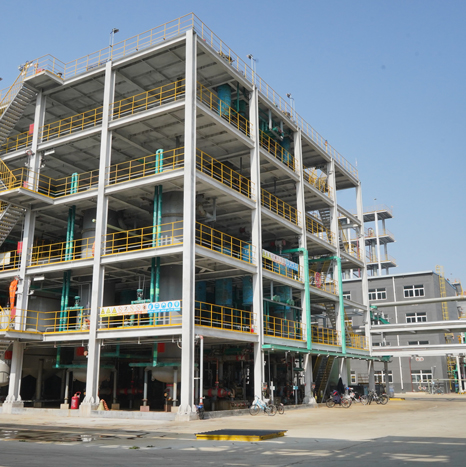
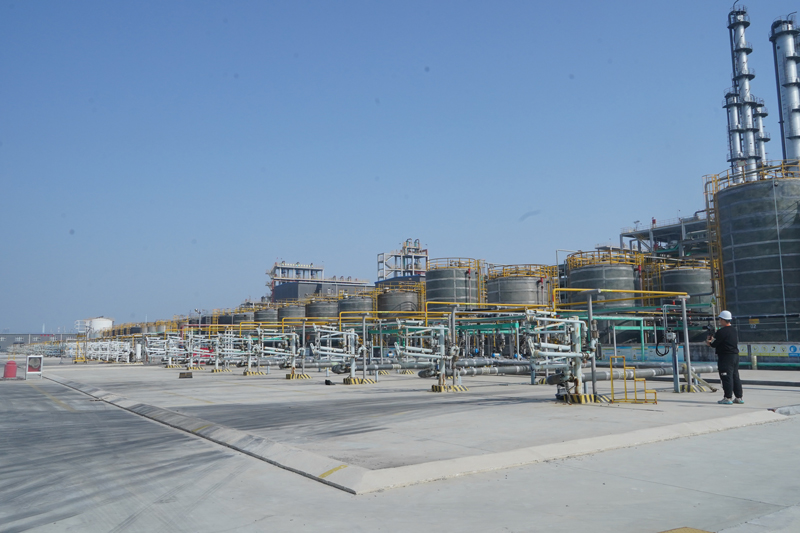
Modern Chinese plants leverage fully digitalized DCS (Distributed Control Systems) for automated synthesis, continuous crystallizers, and closed-loop solvent recovery units. This automation ensures batch-to-batch consistency (Cpk > 1.33) while significantly lowering thermal energy expenditure, allowing us to pass significant cost savings to international buyers.
Leading manufacturers maintain comprehensive quality management systems. Every production batch of CAS 1984-06-1 is logged into an integrated LIMS system, accompanied by complete batch release data, COA (Certificate of Analysis), SDS, and full traceability from raw material lot to container shipment.
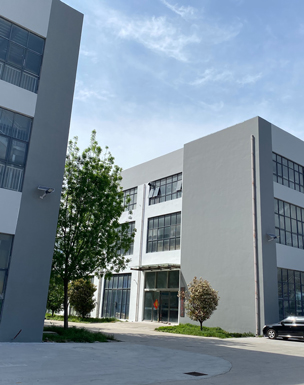
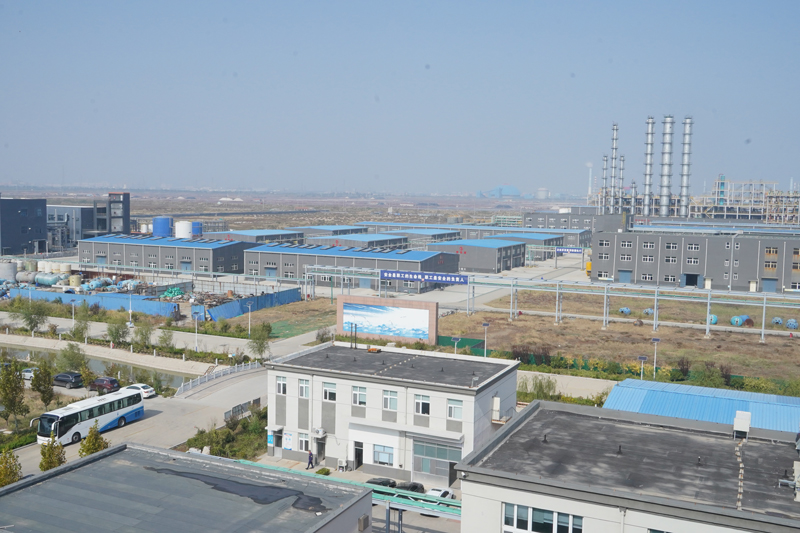
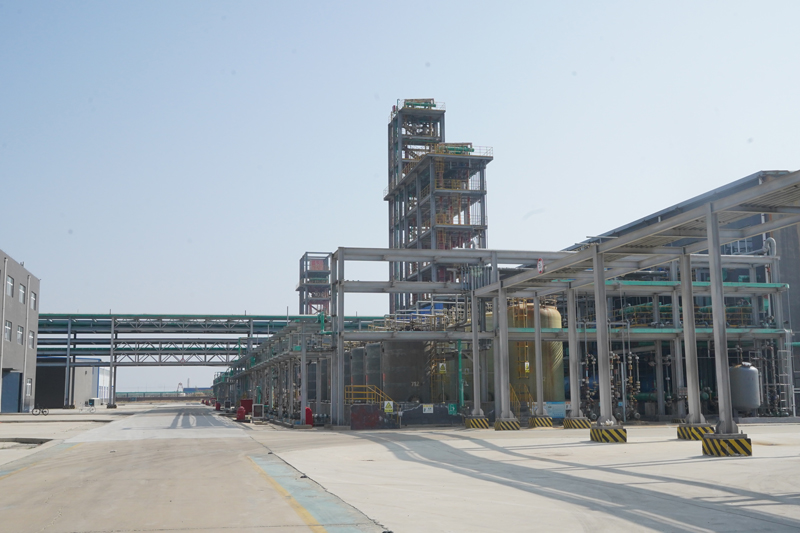
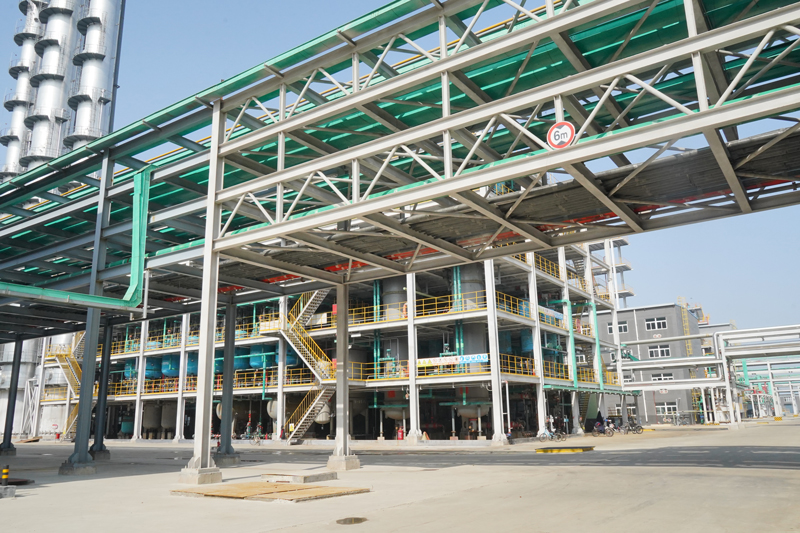
JIMPOCHEM CO., LTD was established in 2010 and is headquartered in the Chemical Industry Park of Jinan City, Shandong Province. The company covers an area of over 500 acres and is a professional chemical raw material manufacturer that integrates research and development, production, sales, and technical services. Its core focus is on high-end fine chemicals and cosmetic raw materials. We have obtained multiple product-related certifications, including ISO quality system certification and environmental management system certification, and are committed to providing high-quality chemical products and one-stop procurement service solutions to global customers.
Our core team comprises experts with over 10 years of experience in the chemical industry. This enables us not only to provide professional products but also to offer solutions in product development, formula optimization, and supply chain management, meeting the personalized needs of diverse clients. We provide high-quality products and services, and our products are exported to over 200 countries and regions in Europe, America, Southeast Asia, the Middle East, and Oceania, serving more than 5,000 international companies. We have also established long-term strategic partnerships with many internationally renowned chemical companies, becoming a trusted "designated chemical service provider" for numerous clients.
When purchasing Sodium Caprylate CAS 1984-06-1 for global distribution or direct plant production, choosing suitable packaging and handling conditions is crucial to preserve product morphology and prevent moisture uptake.
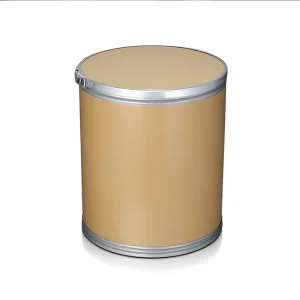
Available in standard 25 kg fiber drums with double PE inner liners, 20 kg kraft paper bags, or customized 500 kg super sacks. For pharmaceutical-grade shipments, nitrogen-purged hermetic sealing prevents hygroscopic lump formation during humid oceanic transit.
Store in a cool, dry, well-ventilated warehouse away from strong oxidizing agents. Keep containers tightly closed. Under optimal conditions (temperature < 30°C, humidity < 65%), Sodium Caprylate has a shelf life of 24 months.
Sodium Caprylate CAS 1984-06-1 is classified as non-hazardous cargo under IMDG, IATA, and ADR regulations. It requires no special dangerous goods tax, facilitating swift, cost-effective global air or sea transport.
The global market demand for Sodium Caprylate CAS 1984-06-1 is experiencing sustained structural growth driven by three overarching macroeconomic developments:
With an aging global population and rising diagnostic rates for immunodeficiency and chronic autoimmune conditions, worldwide demand for Human Serum Albumin (HSA) and Intravenous Immunoglobulin (IVIG) continues to climb at 6.5% CAGR. As an indispensable thermal stabilizer during HSA pasteurization, high-purity Sodium Caprylate consumption correlates directly with global plasma fractionation volumes.
Global cosmetic regulatory bodies (EU SCCS, US FDA) continue to restrict traditional preservatives like parabens, methylisothiazolinone (MIT), and formaldehyde releasers. Sodium Caprylate presents a naturally derived, multifunctional alternative that boosts preservative efficiency while providing mild conditioning benefits, aligning perfectly with global "Clean Beauty" shifts.
China's strict enforcement of environmental regulations and "Dual-Carbon" target policies has pushed chemical manufacturers to upgrade facilities. Leading Chinese suppliers of Sodium Caprylate utilize zero-emission wastewater recovery systems and green catalytic routes, ensuring reliable, environmentally compliant long-term supply for multinational brands.
In biopharmaceutical human plasma fractionation, Sodium Caprylate acts as a selective hydrophobic stabilizer. It binds specifically to human serum albumin molecules, stabilizing their tertiary protein structure against heat-induced denaturation during pasteurization at 60°C for 10 hours, which is required to deactivate viral pathogens.
Biopharmaceutical bioprocessing applications require high-purity Pharma Grade Sodium Caprylate (≥ 99.5% assay) with strict limits on bacterial endotoxins (< 0.10 EU/mg) and heavy metals (≤ 5 ppm). Industrial applications or organic chemical synthesis can utilize Standard Grade Sodium Caprylate (≥ 99.0% assay).
Sodium Caprylate is a medium-chain fatty acid salt (C8) that interacts with lipid bilayers of micro-organism membranes. At physiological or slightly acidic pH levels, it increases cell membrane permeability, working synergistically with organic acids or diols (like 1,2-hexanediol) to achieve broad-spectrum preservation at reduced active concentration levels.
Every commercial order includes a comprehensive Quality Package: Certificate of Analysis (COA) corresponding to the exact batch number, Safety Data Sheet (SDS/MSDS) compliant with GHS regulations, Technical Data Sheet (TDS), ISO certifications, and third-party laboratory test reports upon request.
Yes, JIMPOCHEM offers customized physical milling and micronization services. We can supply Sodium Caprylate in customized powder mesh sizes (from coarse granules to fine 100-mesh powder) to ensure rapid dissolution rates in liquid formulation tanks.
Explore additional high-grade chemical raw materials supplied globally by JIMPOCHEM CO., LTD:
 JIMPOCHEM