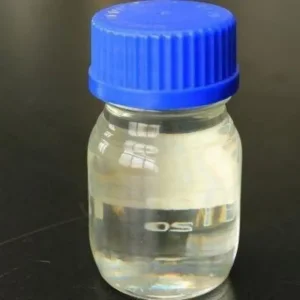
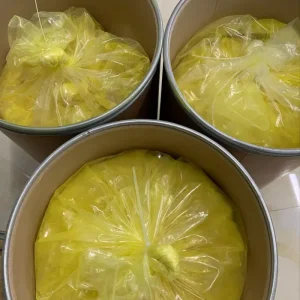
Direct factory sourcing of premium raw materials engineered for cosmetics, pharmaceutical intermediates, and advanced material manufacturing.
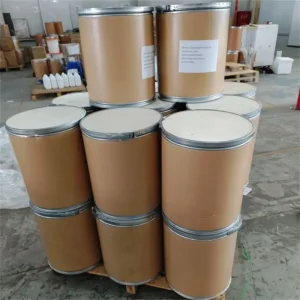
Exploring the bio-chemical pathways, pharmacological benefits, and industrial rationale of co-procuring Azelaic Acid (CAS 123-99-9) and Hydroquinone (CAS 123-31-9) for advanced clinical formulations.
Azelaic Acid is a naturally occurring saturated dicarboxylic acid ($C_9H_{16}O_4$). Its primary therapeutic mechanism involves selective competitive inhibition of tyrosinase, the rate-limiting enzyme responsible for melanogenesis. Unlike non-selective lightening agents, Azelaic Acid specifically targets hyperactive, abnormal melanocytes while demonstrating minimal activity toward normal, baseline pigmented cells. Furthermore, it exerts robust anti-inflammatory and anti-keratinizing effects by lowering free fatty acid concentration in epidermal lipids and suppressing ROS-mediated oxidative damage.
Hydroquinone (1,4-dihydroxybenzene, $C_6H_6O_2$) remains the gold-standard dermatological depigmenting compound globally. It acts as a potent substrate inhibitor for tyrosinase, directly interrupting the oxidation of L-3,4-dihydroxyphenylalanine (L-DOPA) to dopaquinone. At higher clinical concentrations (2%–4%), Hydroquinone causes structural damage to melanosomes and induces selective necrosis of melanocytes through free-radical oxidation pathways. Combining Hydroquinone with Azelaic Acid creates a multi-layered biological blockade against dark spots, chloasma, and post-inflammatory hyperpigmentation (PIH).
When formulators and pharmaceutical manufacturers buy Azelaic Acid and Hydroquinone together, they unlock a bi-phasic treatment vector. Hydroquinone acts rapidly to suppress immediate tyrosinase turnover and clear epidermal pigment, while Azelaic Acid provides long-term maintenance, mitochondrial respiration inhibition in hyper-functioning melanocytes, and anti-acne inflammatory control. This synergistic duality significantly reduces rebound hyperpigmentation.
Overcoming solubility barriers, pH crystallization windows, and oxidation sensitivity when combining dual active ingredients into stable cosmetic creams and gels.
| Parameter | Azelaic Acid (CAS 123-99-9) | Hydroquinone (CAS 123-31-9) | Co-Formulation Strategy |
|---|---|---|---|
| Molecular Formula | $C_9H_{16}O_4$ | $C_6H_6O_2$ | Optimized molar ratio optimization (Typically 15-20% AA to 2-4% HQ) |
| Solubility Profile | Slightly soluble in cold water; soluble in glycols, ethanol, and warm lipids. | Highly soluble in water (70g/L at 25°C) and alcohol; sensitive to oxidation. | Use glycol-based co-solvents (Ethoxydiglycol, Propylene Glycol, Solketal) to maintain homogenicity. |
| pH Stability Range | pH 4.0 – 5.5 (Prone to recrystallization below pH 3.8) | pH 3.5 – 4.5 (Oxidizes rapidly at pH > 6.0 turning brown) | Buffer formulation system strictly to **pH 4.0 - 4.2** using citrate/phosphate buffering agents. |
| Oxidation Sensitivity | Extremely stable; resistant to air and heat up to 100°C. | Highly labile; forms p-benzoquinone in the presence of light & air. | Incorporate dual antioxidant system: **Sodium Metabisulfite (0.1%) + Vitamin E / Ascorbic Acid derivatives**. |
| Target Clinical Use | Melasma, Acne Vulgaris, Rosacea, PIH. | Refractory Melasma, Solar Lentigines, Severe Dyschromia. | Kligman-type prescription topical creams and clinical-grade chemical peels. |
Due to the lipophilic backbone of Azelaic Acid and the hydrophilic nature of Hydroquinone, creating stable oil-in-water (O/W) microemulsions requires high-shear homogenization and specialized emulsifiers like Isopropyl Myristate and Polyglyceryl derivatives.
Hydroquinone discoloration is the primary cause of product failure. Industrial batches manufactured by JIMPOCHEM incorporate chelating agents like Sodium Phytate alongside oxygen-scavenging sulfite salts to ensure 24+ months of shelf-life stability.
Raw Azelaic Acid powder naturally forms coarse crystalline aggregates. Our factory utilizes fluid-energy jet milling to achieve ultrafine particle sizes ($d_{90} < 10\,\mu\text{m}$), eliminating gritty skin feel and boosting bioavailability.
Combining over 16 years of chemical synthesis leadership with automated production lines, intelligent quality control, and robust global logistics.
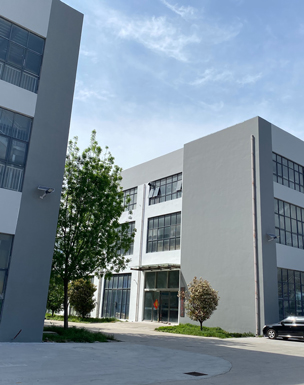
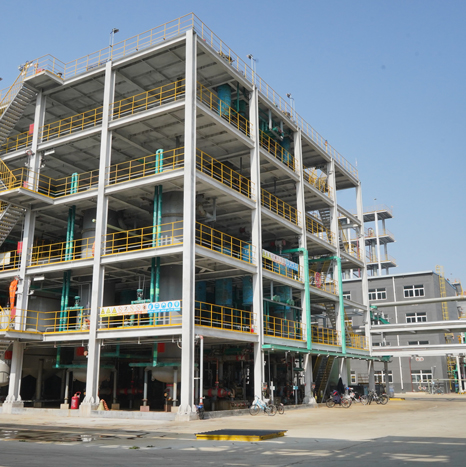
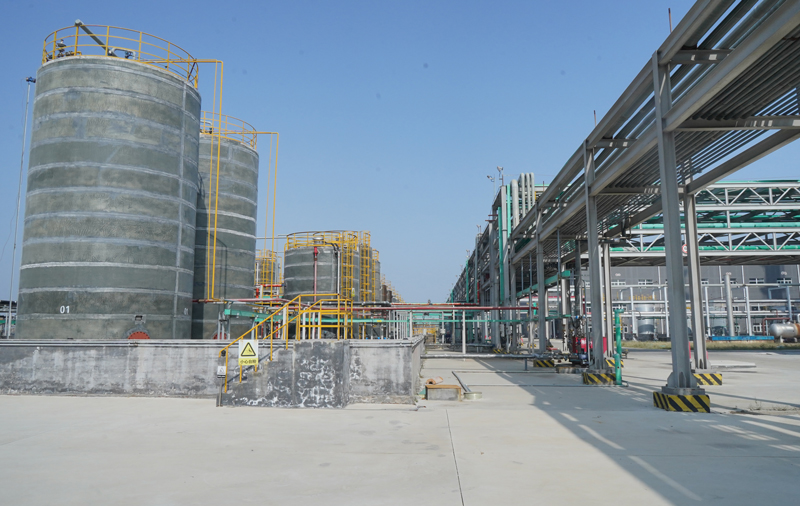
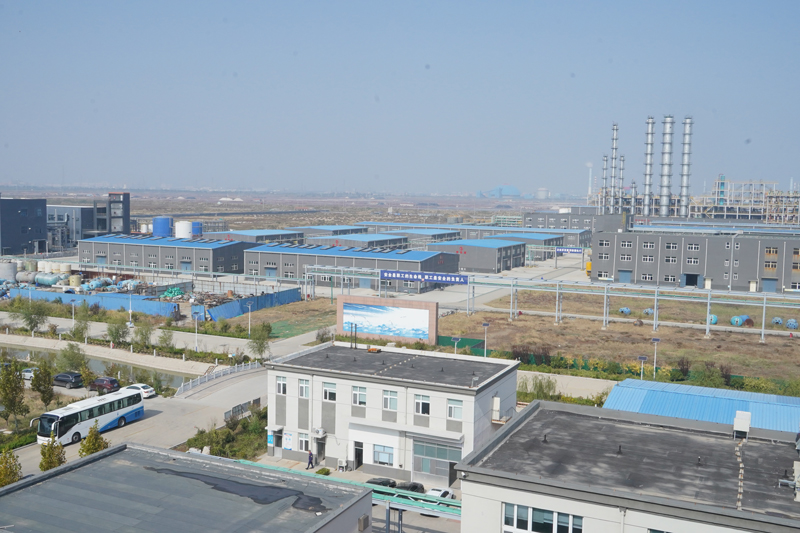
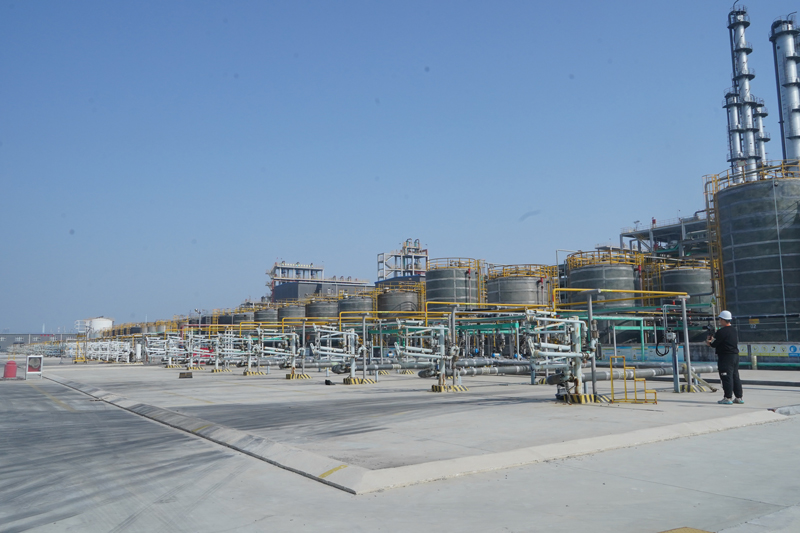
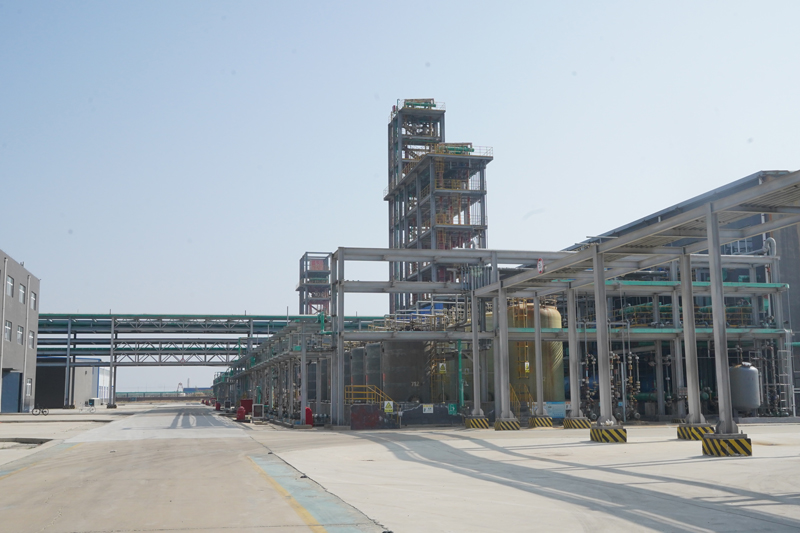
Established in 2010 and headquartered in the Chemical Industry Park of Jinan City, Shandong Province, JIMPOCHEM CO., LTD operates an advanced chemical manufacturing hub spanning over 500 acres. We integrate research and development, synthesis, high-purity crystallization, packaging, and international export logistics.
Our state-of-the-art facility uses Distributed Control Systems (DCS) to digitally monitor temperature, pressure, and batch reactions in real-time. Whether supplying metric-ton quantities of Azelaic Acid CAS 123-99-9 or customized cosmeceutical precursors, our supply chain guarantees reliable lead times, minimal batch variation, and direct factory pricing.
Adhering strictly to the core operational motto "Quality Leads the Future," JIMPOCHEM maintains an end-to-end quality inspection system. From incoming chemical precursor verification to final HPLC/GC testing before shipment, every drum of raw material is fully documented.
Our clients receive comprehensive Certificates of Analysis (COA), Safety Data Sheets (MSDS), REACH documentation, and access to third-party verification via SGS or Intertek. Our digital batch tracking system allows instant raw-material-to-doorstep traceability.
How pharmaceutical compounders, cosmetic manufacturers, and clinical aesthetic chains utilize bulk Azelaic Acid and Hydroquinone across diverse global markets.
In the United States and Canada, 503A compounding pharmacies frequently order bulk pharmaceutical grade Azelaic Acid (15-20%) and Hydroquinone (4%) to prepare modified Kligman Trio Formulations. Paired with low-dose tretinoin and hydrocortisone, these custom preparations represent the clinical benchmark for treating stubborn melasma in dermatologist clinics.
Under EU Cosmetics Regulation (EC) No 1223/2009, Hydroquinone is restricted to prescription medical drugs. European cosmetics manufacturers purchase Azelaic Acid CAS 123-99-9 alongside alternative skin-lightening boosters (e.g., Glycolic Acid, Sodium Phytate, Bemotrizinol) for OTC serum lines, while pharmaceutical divisions import pure APIs under strict REACH compliance.
In East Asia and Southeast Asia, hyperpigmentation treatments require gentle, non-comedogenic formulations due to higher skin sensitivity and risk of post-inflammatory hyperpigmentation. OEM/ODM cosmetic clients use micronized Azelaic Acid paired with stable anti-pigment agents in post-laser recovery creams to prevent melanocyte reactivation.
Pioneering green synthesis processes, advanced encapsulation delivery networks, and sustainable raw material development.
Traditional topical applications of Azelaic Acid often suffer from poor stratum corneum penetration, requiring high active concentrations (15–20%) that can trigger transient skin tingling or redness. Next-generation delivery matrices utilize lipid nanocarriers to encapsulate both Hydroquinone and Azelaic Acid. This controlled bi-phasic release increases skin penetration by over 300% while significantly reducing localized epidermal irritation.
In response to international "Carbon Neutrality" and "Dual-Carbon" sustainability targets, JIMPOCHEM is upgrading its chemical synthesis pathways. Our R&D team is advancing eco-friendly ozonolysis and enzymatic cleavage of plant-derived oleic acid to manufacture high-yield, bio-based Azelaic Acid with near-zero chemical waste and reduced carbon emission metrics.
To resolve the color oxidation vulnerability of Hydroquinone, future industrial formulations are adopting cyclodextrin molecular inclusion complexes. By trapping Hydroquinone inside hydrophobic molecular cavities, raw materials maintain crystal clarity even in aqueous solutions exposed to ambient air and elevated temperatures.
As regulatory scrutiny increases around hydroquinone over-the-counter sales, global laboratories are purchasing Azelaic Acid alongside high-performance skin-brightening derivatives like Potassium Azeloyl Diglycinate, PDRN (CAS 100403-24-5), Glutathione (CAS 70-18-8), and Bemotrizinol to create comprehensive multi-mechanism cosmetic platforms.
Navigating complex international chemical registration guidelines with complete documentation and direct technical consultation.
Full tonnage coverage and documentation compliant with European Chemicals Agency (ECHA) standards for seamless EU importation.
Complete Drug Master File (DMF) technical packages supporting pharmaceutical clients during FDA formulation filings.
Standardized international quality control and eco-friendly manufacturing management systems validated annually.
Providing safety data dossiers, raw material codes, and toxicological safety assessments required for Chinese market registration.
Answers to common chemical sourcing, stability, and formulation queries from global procurement buyers and R&D chemists.
Explore our full line of fine chemical raw materials manufactured to international purity standards.
 JIMPOCHEM