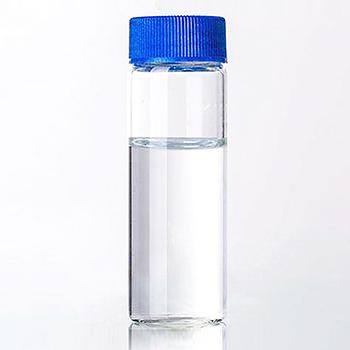
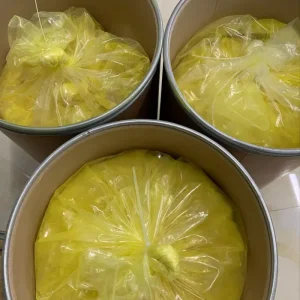
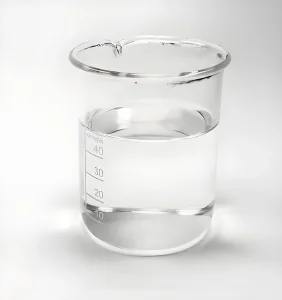
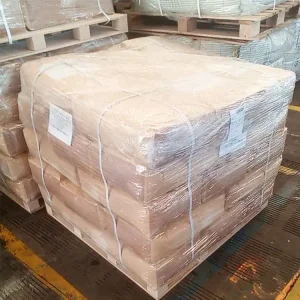
Explore our primary selection of cosmetic-grade actives, fine chemical solvents, and pharmaceutical intermediates available for bulk procurement with guaranteed stability and global compliance.
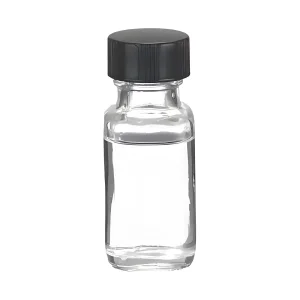
In the rapidly evolving global cosmeceutical and dermatological sector, the demand for target-specific, clinically validated active cosmetic ingredients (ACIs) has reached unprecedented heights. Formulators and procurement directors worldwide are increasingly seeking synergies between bio-fermentative skin-lightening agents like Alpha Arbutin (4-hydroxyphenyl-alpha-D-glucopyranoside, CAS 84380-01-8) and multifunctional dicarboxylic acids such as Azelaic Acid (nonanedioic acid, CAS 123-99-9).
The commercial landscape is defined by a shift away from aggressive, cytotoxic skin-lightening agents (such as hydroquinone) toward highly bio-compatible, enzyme-inhibiting compounds. Alpha Arbutin, produced via precise enzymatic glycosylation of hydroquinone using bacterial glycosyltransferases, offers up to 10 times the skin-brightening efficacy of its beta-anomer, without releasing free hydroquinone under physiological conditions. Simultaneously, Azelaic Acid has transitioned from a purely prescription-based acne therapy into a cornerstone ingredient for anti-inflammatory, anti-rosacea, and post-inflammatory hyperpigmentation (PIH) treatments across global retail and clinical skincare markets.
The global Alpha Arbutin market is expanding at a CAGR of 7.8%, driven by premium Asian brightening formulations, European hyperpigmentation treatments, and North American clean-beauty standards requiring non-toxic, non-irritating tyrosinase inhibitors.
With pharmaceutical and cosmetic grade demands exceeding 15,000 metric tons annually, Azelaic Acid synthesis via green oleic acid oxidation has established a robust pipeline for high-purity micronized grades used in serums, gels, and creams.
Modern dermatological protocols prioritize multi-target melanogenesis suppression. Combining Alpha Arbutin's competitive tyrosinase inhibition with Azelaic Acid's mitochondrial activity reduction in abnormal melanocytes yields superior clinical outcomes.
Understanding the biochemical pathway of melanogenesis is essential for cosmetic chemists seeking to develop high-performance depigmenting formulations. Melanogenesis originates within the melanosomes of cutaneous melanocytes, initiated by the enzymatic oxidation of L-tyrosine to L-DOPA and subsequently to dopaquinone via the copper-containing enzyme tyrosinase.
| Active Ingredient | Chemical Designation | Primary Target | Mode of Action | Optimal Formulation pH |
|---|---|---|---|---|
| Alpha Arbutin | 4-Hydroxyphenyl-α-D-glucopyranoside | Tyrosinase active site | Reversible competitive inhibition of monophenolase & diphenolase activities | 4.5 – 6.5 |
| Azelaic Acid | Nonanedioic Acid (C9H16O4) | Abnormal melanocytes & 5-α reductase | Inhibition of thioredoxin reductase; oxidative phosphorylation reduction; ROS scavenging | 4.0 – 5.5 |
| Tranexamic Acid | trans-4-(Aminomethyl)cyclohexanecarboxylic acid | Plasminogen / Keratinocytes | Inhibits plasminogen binding; reduces arachidonic acid & prostaglandin PGE2 release | 5.0 – 7.0 |
| Glycolic Acid | 2-Hydroxyacetic Acid | Stratum corneum desmosomes | Accelerates epidermal turnover; enhances penetration of co-administered actives | 3.5 – 4.2 |
When Alpha Arbutin and Azelaic Acid are co-formulated, they execute a dual-stage intervention. Alpha Arbutin directly occupies the catalytic pocket of tyrosinase, limiting the initial transformation of tyrosine. Simultaneously, Azelaic Acid targets hyper-active or dysplastic melanocytes specifically—sparing normal lentigines—by downregulating DNA synthesis and mitochondrial enzymes. Furthermore, the inclusion of supportive exfoliating agents such as high-purity Glycolic Acid (CAS 79-14-1) strips hyper-pigmented corneocytes, maximizing active transport across the stratum corneum barrier.
Global commercial application demands tailored formulation strategies according to regional cosmetic regulations, climate parameters, and specific consumer dermatological needs. Below are technical blueprints for incorporating these actives across key industrial sectors:
Target Concern: Adult acne, post-inflammatory erythema (PIE), and melasma.
Formulation System: Anhydrous suspensions or high-viscosity hydro-gels containing 10%–15% micronized Azelaic Acid paired with 2% Alpha Arbutin.
Key Requirement: Strict control of residual free hydroquinone (< 1 ppm) in Alpha Arbutin to comply with EU Regulation (EC) No 1223/2009 and SCCS guidelines.
Target Concern: Sun-induced freckles, yellow tone reduction, hyper-pigmentation.
Formulation System: Micro-emulsion essences and fast-absorbing sheet mask fluids combining 2% Alpha Arbutin with 3% Tranexamic Acid and 5% Niacinamide.
Key Requirement: Thermal and hydrolytic stability testing under 45°C stress testing for 90 days to prevent oxidation discoloration.
Target Concern: Preventing rebound hyperpigmentation post-Q-switched or IPL laser procedures.
Formulation System: Soothing barrier creams incorporating 5% solubilized Azelaic Acid derivative (Potassium Azeloyl Diglycinate) with Sodium L-pyroglutamate (CAS 28874-51-3) and Casein hydrolysates.
Key Requirement: Hypoallergenic, fragrance-free, sterile-filtered packaging.
As green chemistry regulations intensify worldwide, chemical synthesis routes for cosmetic active ingredients are undergoing a paradigm shift. Innovation over the next decade will focus heavily on green bio-catalysis, nano-encapsulation, and sustainable feedstock utilization.
Transitioning from traditional multi-step chemical glycosylation to single-pot immobilized enzymatic transformation. Utilizing engineered sucrose phosphorylase enzymes increases Alpha Arbutin yield to >98.5% with zero toxic solvent residue.
Encapsulating Azelaic Acid within lipid nanoparticles (SLNs) and liposomes to overcome its poor solubility in water and oil, reducing trans-epidermal stinging and increasing bioavailability by 350%.
Deriving industrial Azelaic Acid via oxidative cleavage of bio-based oleic acid derived from sustainable agricultural waste fats, significantly reducing carbon footprint in alignment with global Net-Zero targets.
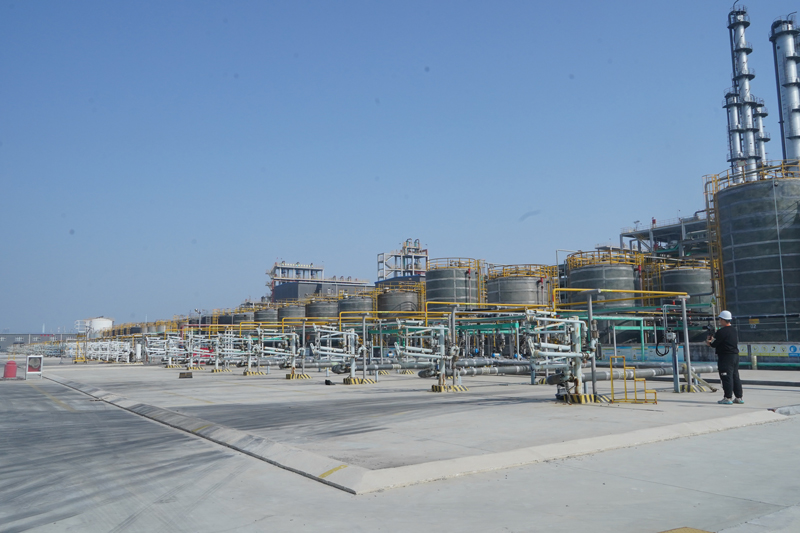
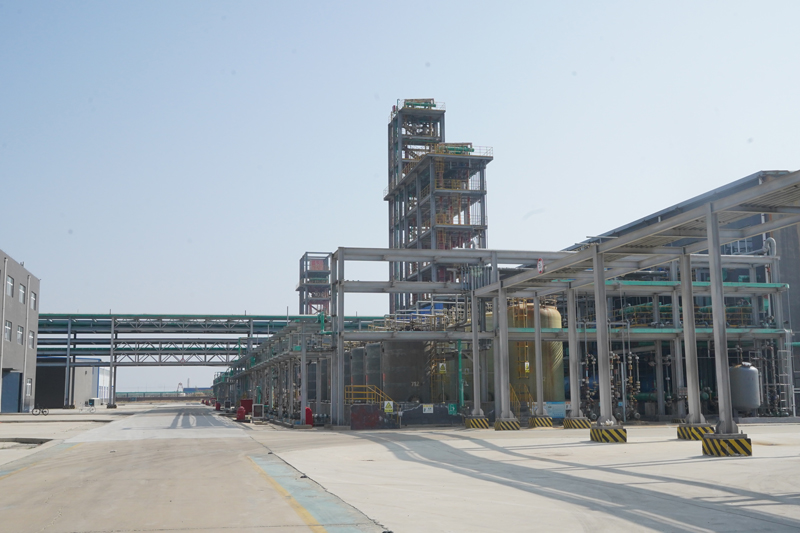
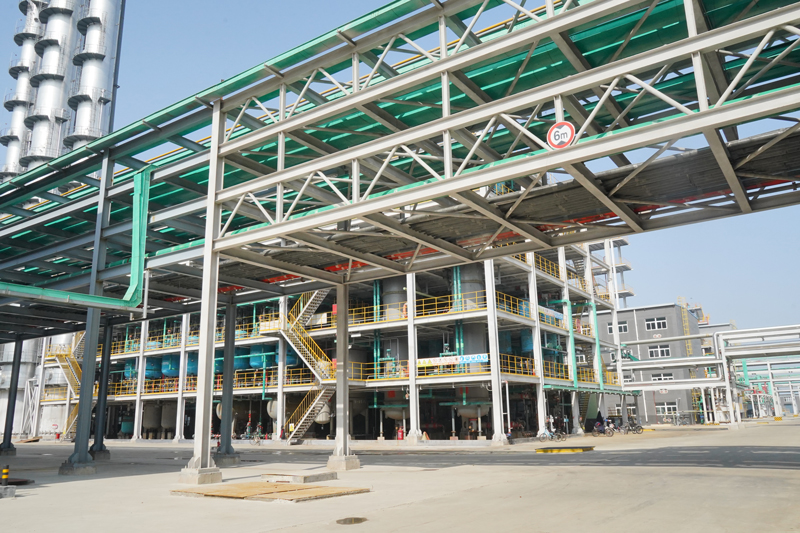
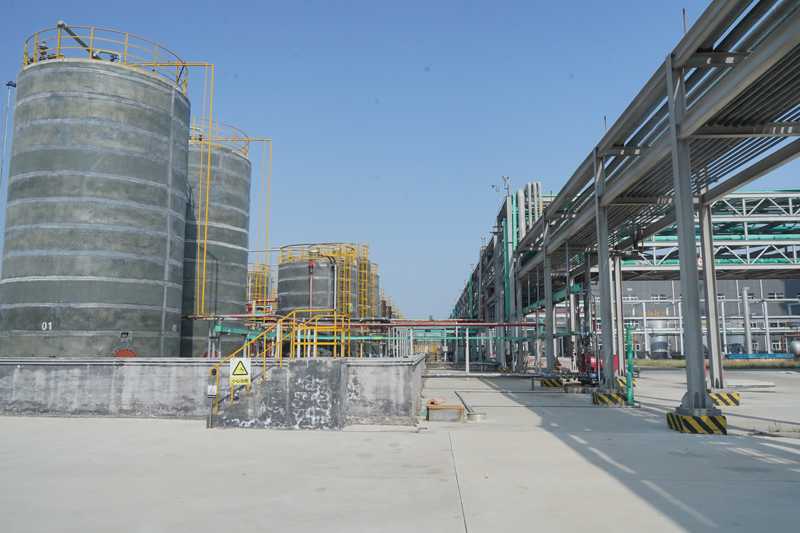
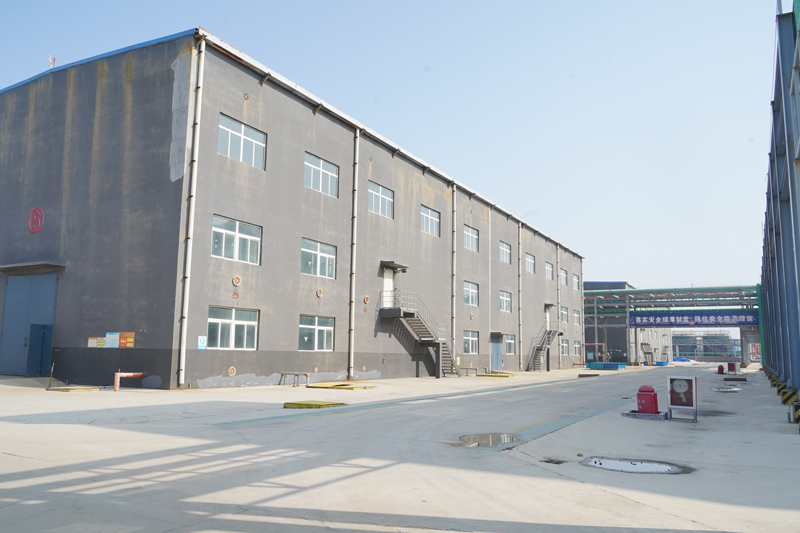
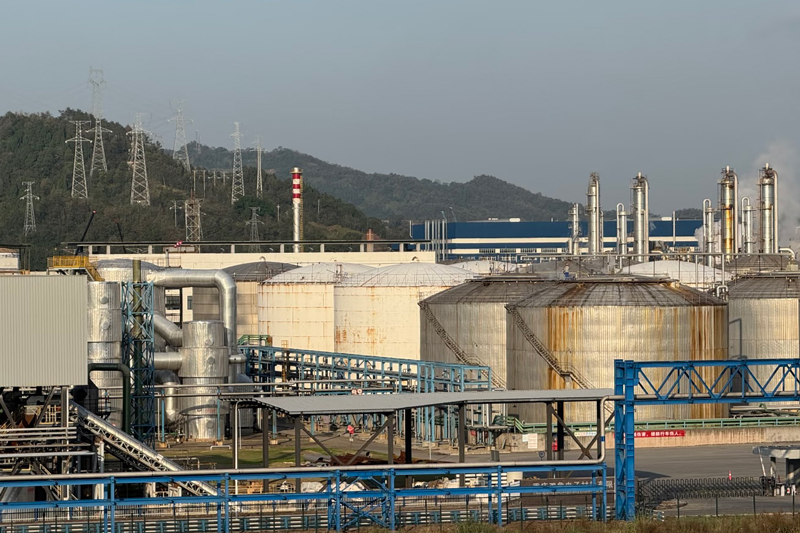
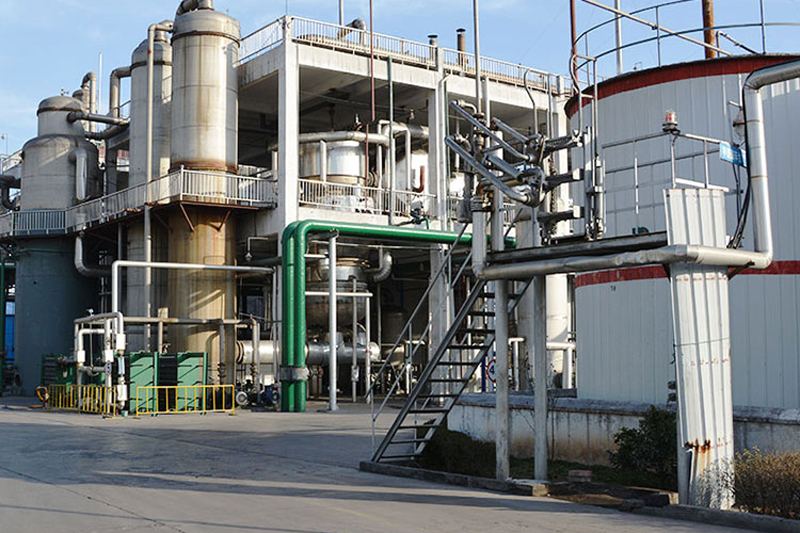
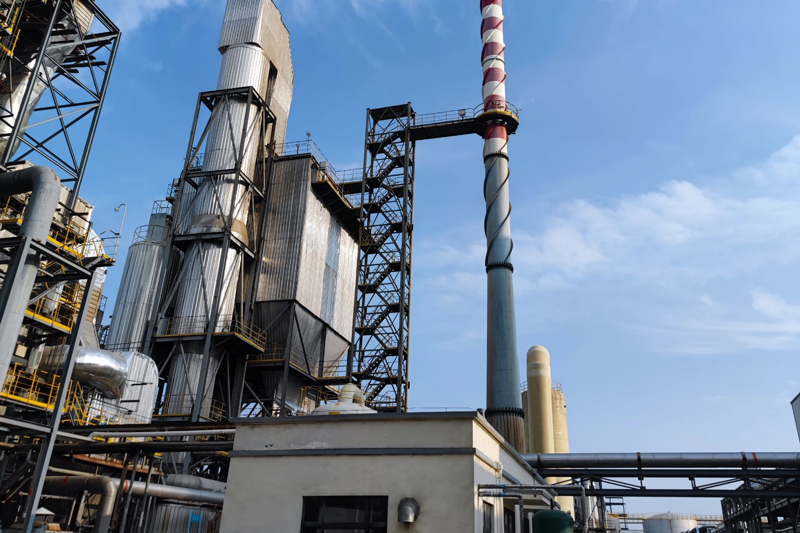
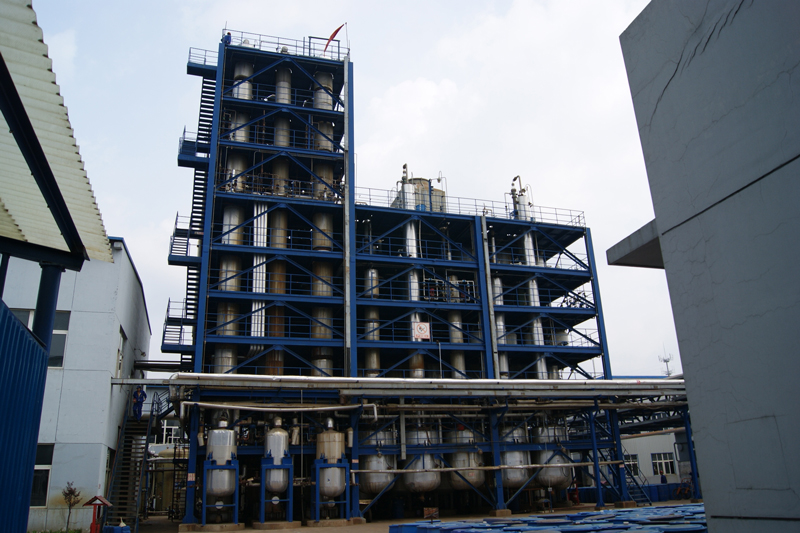
JIMPOCHEM CO., LTD was established in 2010 and is headquartered in the prestigious Chemical Industry Park of Jinan City, Shandong Province. Spanning an expansive area of over 500 acres, our modern manufacturing site operates as a fully integrated chemical enterprise synthesizing high-end fine chemicals, cosmetic raw materials, and pharmaceutical intermediates.
Our core management and technical team comprises experts with over 10 years of dedicated experience in fine chemical synthesis and supply chain engineering. Serving more than 5,000 international companies across Europe, America, Southeast Asia, the Middle East, and Oceania, JIMPOCHEM has earned its reputation as a designated chemical service provider for tier-one cosmetic manufacturers and pharmaceutical houses.
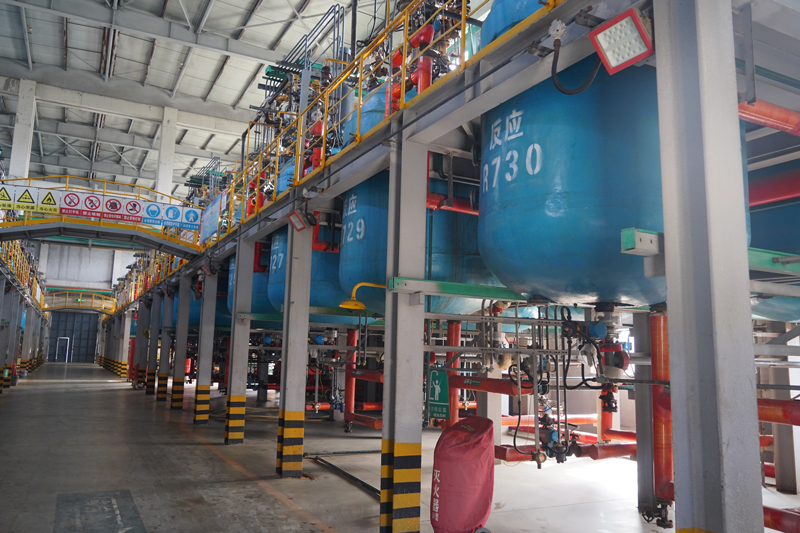
Leveraging years of industry experience, we have established stable raw material procurement channels and partnered with top global chemical suppliers, ensuring uncompromised raw material quality and ample supply. Our modern production base employs intelligent control systems to automate and digitally manage production, seamlessly balancing large-scale commercial runs with flexible, customized client requests.
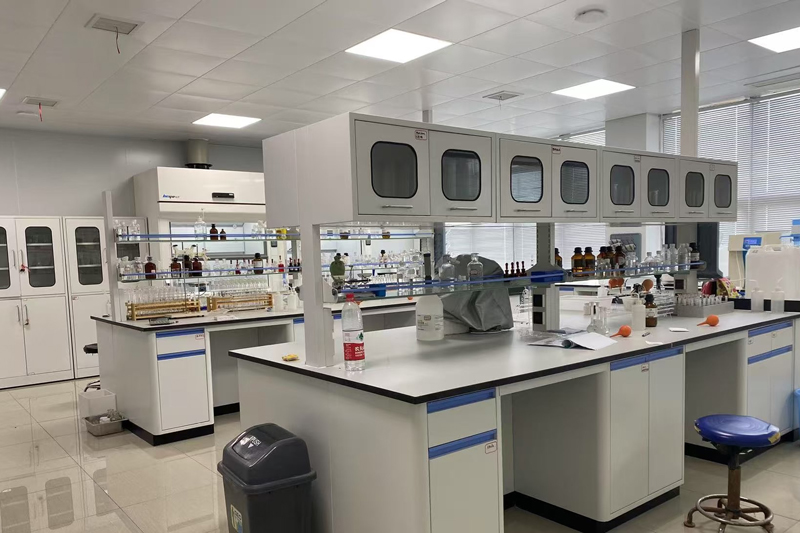
Adhering to the core philosophy that "quality is the lifeline of an enterprise," JIMPOCHEM has built a comprehensive multi-stage quality control architecture. From raw material warehousing inspection to real-time process analytics (HPLC, GC, MS) and full-item batch release testing, every kilogram adheres to strict technical specifications. Our digital batch traceability system allows customers to audit raw material origins, reaction logs, and analytical data instantly.
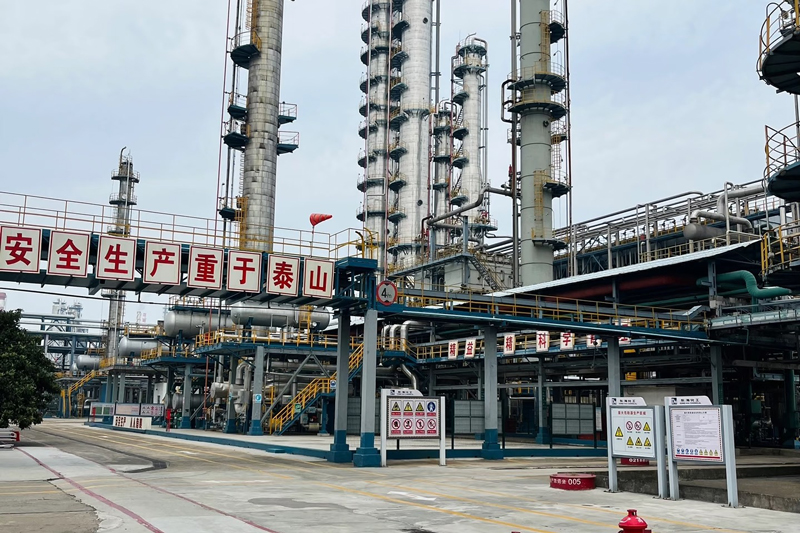
In response to the global "dual-carbon" strategy, JIMPOCHEM prioritizes green chemical process development. We employ closed-loop recycling, optimized wastewater treatment, and advanced catalytic oxidation systems to ensure compliant emissions. Many of our flagship active products hold environmental and eco-friendly manufacturing credentials, assisting downstream brands in achieving sustainability targets.
Take an insider look at our corporate facilities, equipment, R&D labs, and client logistics:
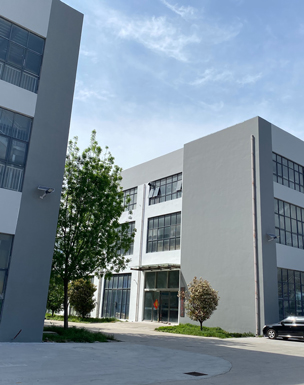

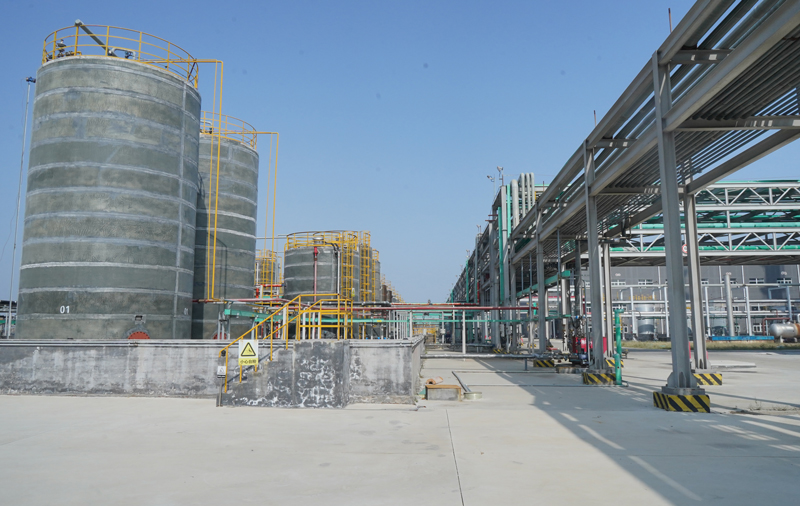
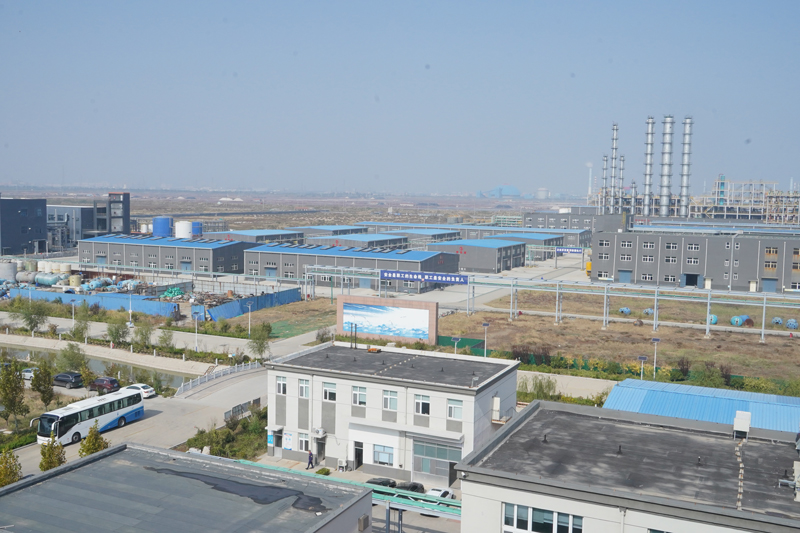
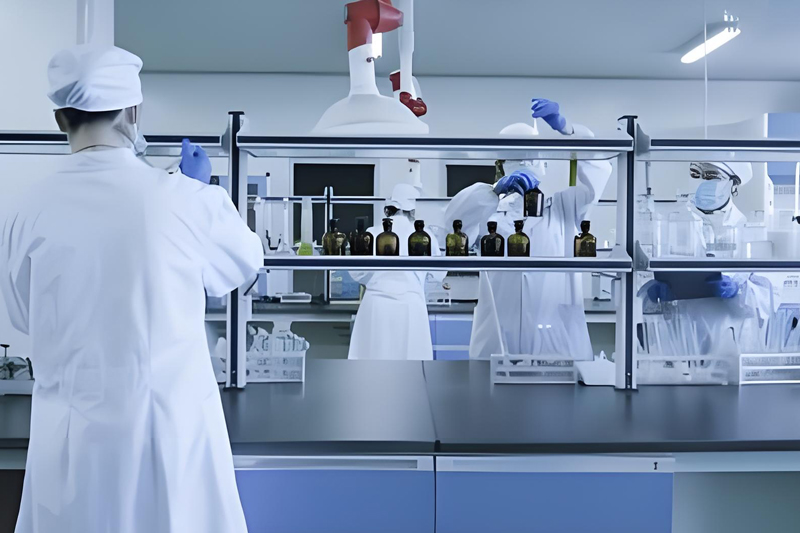
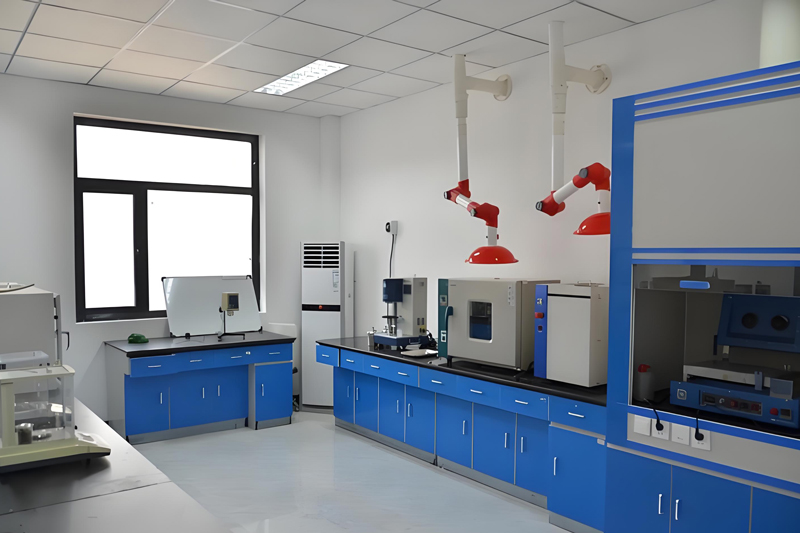
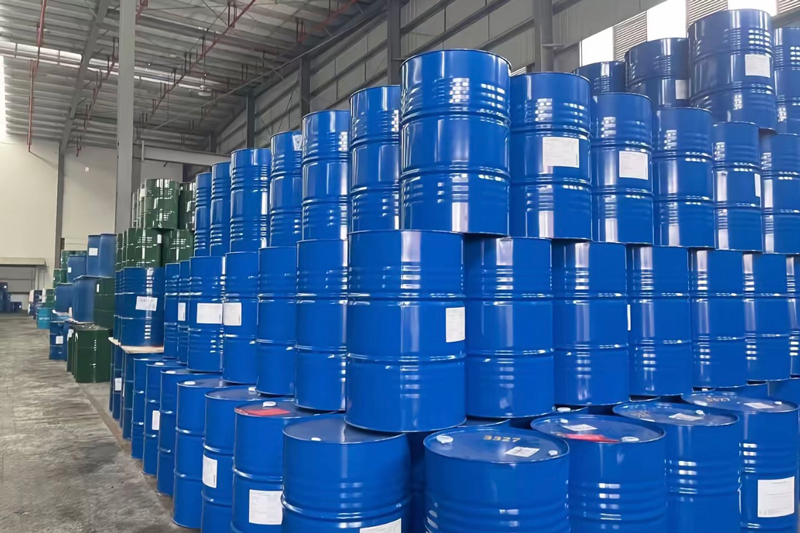
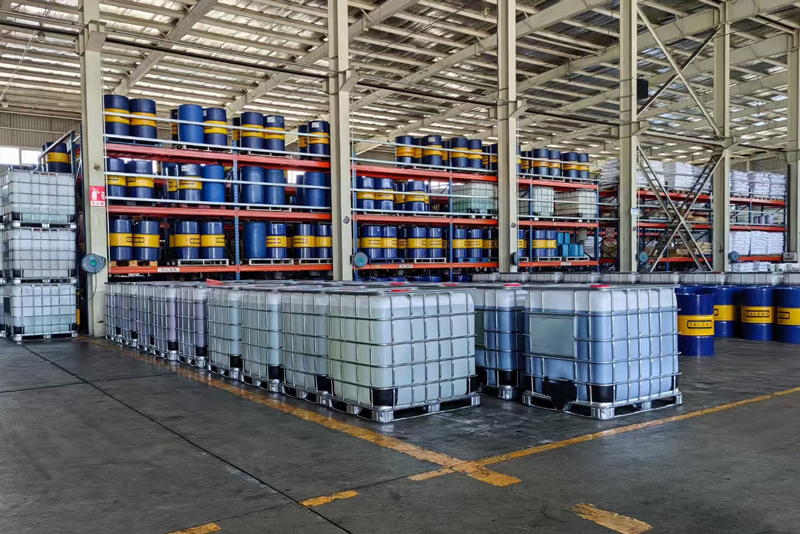
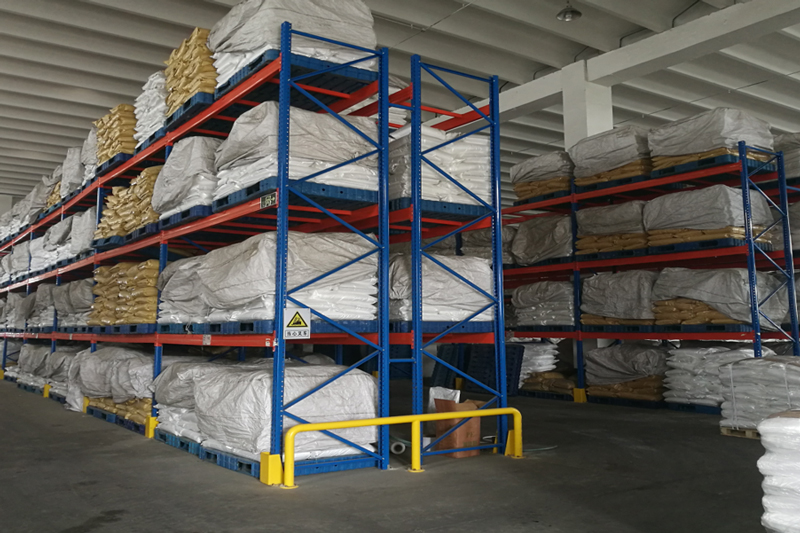
Beyond our specialized skin-brightening actives, JIMPOCHEM delivers integrated "R&D - Production - Application - Service" solutions across key industrial verticals including pharmaceuticals, daily chemicals, rubber and plastics, industrial coatings, building materials, electronics, and new energy storage.
Cosmetics, makeup formulations, fine fragrances, facial cleansers, hand sanitizers, luxury body washes, advanced dentifrices, and household detergents.
Active pharmaceutical ingredients (API), pharmaceutical excipients, advanced synthesis intermediates, industrial reaction solvents, catalysts, and medical anesthesia compounds.
High-grade packaging polymers, automotive structural components, tire manufacturing additives, industrial seals, and technical elastomers.
Architectural and decorative protective coatings, heavy-duty industrial coatings, high-speed printing inks, and specialty electronic inks.
Functional food additives, natural and synthetic preservatives, color fixatives, and standardized livestock nutritional additives.
Semiconductors, printed circuit board (PCB) processing chemicals, electronic display materials, lithium-ion battery electrolytes, and fluorine fluorinated solvents.
Browse through our specialized fine chemical and daily chemical product listings:
Navigating international regulatory frameworks requires rigorous compliance documentation and local logistical flexibility. JIMPOCHEM provides full regulatory dossiers for all exported chemical raw materials to streamline custom clearance and product registration across global markets.
Every shipment comes standard with comprehensive Certificate of Analysis (COA), Safety Data Sheets (SDS) in multiple languages (GHS compliant), Heavy Metal Analysis, Residual Solvent Testing (GC-MS), and Microarray Microbiological Reports.
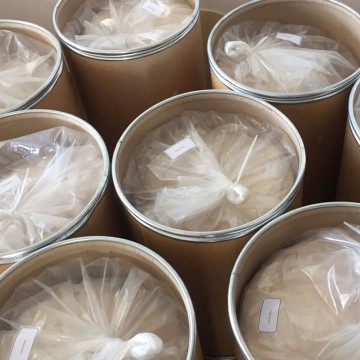
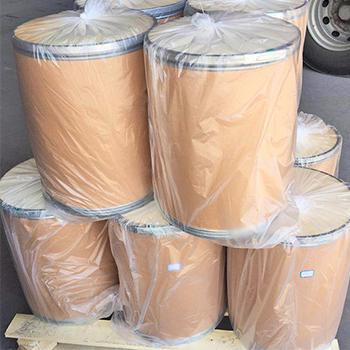
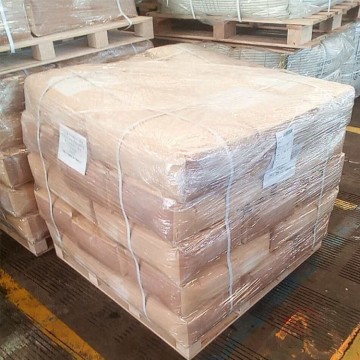
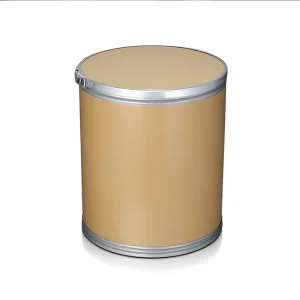
To prevent moisture absorption and degradation of light-sensitive actives like Alpha Arbutin, we offer customized fiber drums (25 kg) lined with aluminum foil vacuum bags, nitrogen-purged IBC totes, and UN-certified hazardous material packaging.
With long-term strategic partnerships with leading global logistics providers, we offer DDP (Delivered Duty Paid), CIF, and FOB terms with dedicated temperature-controlled containerized shipping options for heat-sensitive active ingredients.
Here are expert answers to the most frequent inquiries from prospective B2B purchasers and cosmetic formulation chemists regarding our active products:
We utilize high-performance liquid chromatography (HPLC) equipped with UV-Vis detection calibrated down to sub-ppm sensitivity levels. Our enzymatic transformation route guarantees that residual hydroquinone remains strictly below 1 ppm (0.0001%), meeting European SCCS and US FDA compliance standards for cosmetic safety.
Azelaic Acid has limited water solubility (~2.4 g/L at 20°C). We recommend incorporating co-solvents such as Ethoxydiglycol, Propanediol, or Solketal (CAS 100-79-8). Alternatively, formulators can utilize our micronized Azelaic Acid powder or water-soluble derivative Potassium Azeloyl Diglycinate for clear liquid formulations.
We provide complimentary 50g–200g evaluation samples for qualified industrial clients and research institutions. Commercial MOQs typically start at 10 kg for high-value active ingredients like Alpha Arbutin and 25 kg (1 drum) for Azelaic Acid and standard fine chemical intermediates.
Alpha Arbutin is susceptible to hydrolysis in strongly acidic (pH < 3.5) or strongly alkaline (pH > 8.0) environments. Maintain formulation pH between 4.5 and 6.5, add 0.1% Sodium Metabisulfite or Vitamin E as antioxidants, and utilize opaque or UV-blocking packaging.
Discover our secondary batch of industrial chemical supplies, cosmetic texturizers, and active ingredients ready for immediate global dispatch.
 JIMPOCHEM