Bio-Based Chemical Monomer Solution

Buy 2,5-Furandicarboxylic Acid Suppliers & Product

Premium Grade 2,5-Furandicarboxylic Acid (FDCA) CAS 3238-40-2 | Polymer-Grade Purity >99.5% | Sustainable Bio-based PET Alternative for Global Industrial Procurement

Featured Chemical Products & High-Purity Raw Materials

Explore our core product portfolio manufactured in compliance with international ISO standards for global industrial applications.
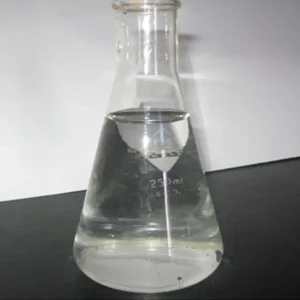
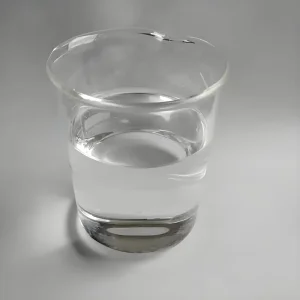
Buy Squalane CAS 111-01-3

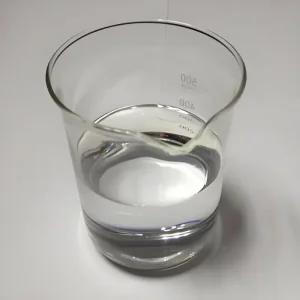
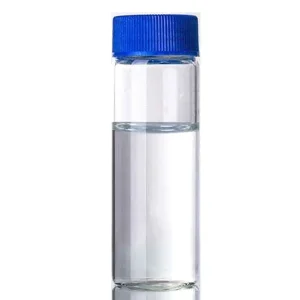
Squalane (CAS 111-01-3) High Stability Liquid

View Product Details
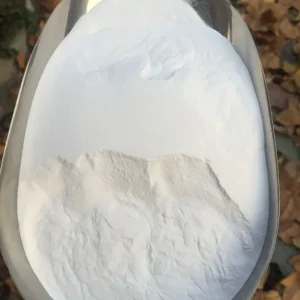
China Azelaic Acid CAS 123-99-9

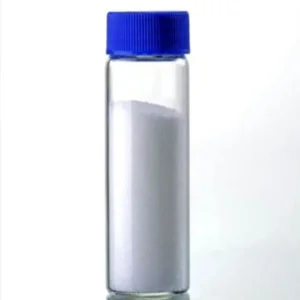
Azelaic Acid (CAS 123-99-9) High Quality Powder

View Product Details
Buy 2,5-Furandicarboxylic Acid FDCA CAS 3238-40-2

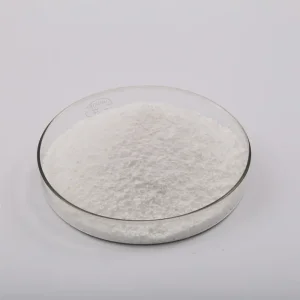
2,5-Furandicarboxylic Acid (FDCA) CAS 3238-40-2

View Product Details
Buy Hydroxyapatite CAS 1306-06-5

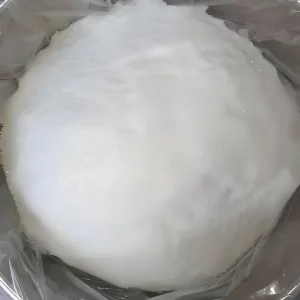
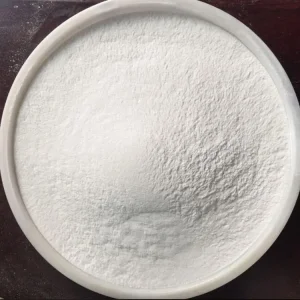
Hydroxyapatite (CAS 1306-06-5) Pure White Powder

View Product Details
China Ascorbyl Glucoside AA2G CAS 129499-78-1

Ascorbyl Glucoside / AA2G (CAS 129499-78-1)

View Product Details
Ascorbyl Tetraisopalmitate CAS 183476-82-6

Ascorbyl Tetraisopalmitate (CAS 183476-82-6)

View Product Details
China Phenolphthalein CAS 77-09-8

Phenolphthalein (CAS 77-09-8) Industrial Grade

View Product Details
Sodium L-Pyroglutamate CAS 28874-51-3

Sodium L-Pyroglutamate (CAS 28874-51-3)

View Product Details

Global Procurement Demand & Market Landscape of 2,5-Furandicarboxylic Acid (FDCA)

Analyzing the paradigm shift toward bio-based platform chemicals, structural PET replacement, and sustainable supply chains.

2,5-Furandicarboxylic Acid (FDCA), identified by its Chemical Abstracts Service registry number CAS 3238-40-2, has emerged as one of the most critical bio-based building block chemicals of the 21st century. Recognized by the U.S. Department of Energy (DOE) as one of the top 12 bio-based priority platform chemicals, FDCA serves as the direct bio-renewable substitute for petroleum-derived Purified Terephthalic Acid (PTA) and Isophthalic Acid (IPA).

As global industries face strict net-zero carbon targets, regulatory mandates like the European Green Deal, and consumer preference for low-carbon packaging, procurement managers and chemical process engineers are accelerating their sourcing of high-purity 2,5-Furandicarboxylic Acid. The commercial scalability of FDCA enables the commercialization of Polyethylene Furanoate (PEF), a 100% bio-based, fully recyclable polyester material that outperforms traditional Polyethylene Terephthalate (PET) across critical physical and barrier parameters.

Parameter / Property Technical Specification (Polymer Grade) Industrial Grade Specification Testing Methodology
Chemical Name 2,5-Furandicarboxylic Acid (FDCA) / Furan-2,5-dicarboxylic acid
CAS Registry Number 3238-40-2
Molecular Formula / Mass C₆H₄O₅ / 156.09 g/mol
Assay / Chemical Purity ≥ 99.5% (HPLC) ≥ 98.0% (HPLC) High-Performance Liquid Chromatography
Monocarboxylic Impurities (FFCA) < 100 ppm < 1000 ppm HPLC / UV Detection
Appearance Off-white to pure white crystalline powder Light yellowish to off-white powder Visual / Colorimeter
Moisture Content (LOD) ≤ 0.3% ≤ 0.8% Karl Fischer Titration
Ash Content ≤ 0.05% ≤ 0.2% Gravimetric Ignition Test
Melting Point Range > 342 °C (Decomposes) > 338 °C (Decomposes) Differential Scanning Calorimetry (DSC)

Global Procurement Economics

Industrial demand for FDCA is projected to expand at a compound annual growth rate (CAGR) exceeding 26.4% through 2032. Early adopters in multi-national beverage, automotive, and packaging sectors are securing long-term off-take agreements with reliable Asian and global manufacturing partners to stabilize raw material costs.

Decarbonization Impact

Replacing fossil-based terephthalic acid with plant-derived FDCA reduces cradle-to-gate greenhouse gas emissions by up to 70%. Furthermore, PEF requires lower processing temperatures during blow molding, conserving thermal energy across conversion facilities.

Upstream Raw Material Security

FDCA production leverages renewable agricultural feedstocks such as fructose, glucose, and cellulosic biomass derived from non-food crops. Our production facilities maintain multi-channel supply routes ensuring zero operational downtime for high-volume enterprise contracts.

Macro-Industry Solutions & Application Benchmarks

Discover how 2,5-Furandicarboxylic Acid optimizes physical properties across polymers, coatings, and high-performance resins.

1. Polyethylene Furanoate (PEF) Packaging

PEF is the primary derivative of FDCA when copolymerized with Bio-Monoethylene Glycol (MEG). Compared to standard PET, PEF exhibits superior barrier performance:

  • Oxygen Barrier: 6x higher O₂ restriction, significantly extending food and beverage shelf life.
  • Carbon Dioxide Barrier: 3x to 5x greater CO₂ barrier, preventing carbonation loss in soft drinks and beer.
  • Water Vapor Resistance: 2x lower moisture permeability, preserving dry food and pharmaceutical integrity.
  • Thermal Stability: Glass transition temperature (Tg) of 86°C vs PET's 74°C, enabling hot-fill applications without deformation.

2. Engineering Bio-Polyamides & Nylon Resins

By reacting 2,5-Furandicarboxylic Acid with various diamines (e.g., hexamethylenediamine), chemical formulators produce high-performance bio-polyamides:

  • Enhanced mechanical tensile strength and flexural modulus for automotive under-the-hood components.
  • Lower moisture absorption compared to traditional Nylon 6,6, resulting in superior dimensional stability.
  • Exceptional chemical resistance to hydrocarbons, automotive fluids, and industrial solvents.

3. Bio-Based Polyurethanes & Unsaturated Polyester Resins

FDCA acts as a rigid, aromatic-mimicking monomer block for polyester polyols used in high-durability coatings, adhesives, sealants, and elastomeric polyurethanes (CASE):

  • Imparts high thermal resistance and scratch resistance in industrial protective coatings.
  • Reduces volatile organic compound (VOC) emissions during resin synthesis.
  • Extends service life of marine and wind turbine composite materials.

Comparative Benchmark: PEF vs PET Engineering Properties

Understanding the structural advantages of 2,5-Furandicarboxylic Acid in polymer matrices:

Physical / Mechanical Property Bio-Based PEF (FDCA Derived) Petroleum PET (PTA Derived) Performance Advantage
Glass Transition Temp (Tg) 86 °C 74 °C +12 °C (Superior Thermal Resistance)
Melting Temperature (Tm) 211 °C 245 °C Lower Processing Energy Input required
Young's Modulus (GPa) 3.1 - 3.6 GPa 2.1 - 2.2 GPa ~50% Higher Stiffness / Structural Rigidity
Tensile Strength (MPa) 65 - 75 MPa 50 - 60 MPa Greater burst strength for lightweighting bottles
O₂ Permeability (cc.mm/m².day.atm) 0.015 0.090 600% Greater Oxidation Protection

Technical Synthesis Routes & Catalytic Engineering Roadmap

Deep-dive analysis into the industrial chemical production of CAS 3238-40-2 from renewable hexose sugars.

The industrial synthesis of 2,5-Furandicarboxylic Acid relies on the catalytic dehydration of carbohydrates into furanic intermediates followed by selective aerobic oxidation. Overcoming historical scaling barriers required breakthrough innovations in heterogeneous catalyst longevity, solvent recycling, and impurity separation.

Step 01

Dehydration of Hexoses

Fructose or glucose feedstocks undergo acid-catalyzed dehydration in aqueous or organic solvent systems (such as ionic liquids or DMSO/water mixtures) to produce 5-Hydroxymethylfurfural (5-HMF).

Step 02

Catalytic Oxidation

5-HMF undergoes liquid-phase catalytic oxidation using molecular oxygen under mild pressure. Prominent catalysts include heterogeneous noble metals (Ru/C, Pd/C, Pt/Au) or transition metal combinations (Co-Mn-Br system).

Step 03

Intermediate Conversion

The oxidation pathway proceeds sequentially: 5-HMF → 5-hydroxymethyl-2-furancarboxylic acid (HMFA) → 5-formyl-2-furancarboxylic acid (FFCA) → 2,5-Furandicarboxylic Acid (FDCA).

Step 04

Crystallization & Purification

Because FFCA impurities act as chain terminators during polymerization, raw FDCA undergoes precise fractional crystallization and activated carbon filtration to yield polymer-grade purity (>99.5%).

Future Technological Outlook (2025–2030 Roadmap)

JIMPOCHEM's R&D division, in collaboration with leading regional chemical engineering universities, is advancing three secondary-generation process enhancements:

  • Electrochemical Oxidation: Eliminating chemical oxidants by using direct water electrolysis coupled with nickel-based electrocatalysts, significantly reducing operating expenses (OPEX).
  • Direct Biomass One-Pot Conversion: Bypass pure fructose isolation by directly converting raw agricultural waste (lignocellulosic biomass) into FDCA using multi-functional solid acid catalysts.
  • Enzymatic Biocatalysis: Implementing engineered fungal oxidases for room-temperature, solvent-free transformation of 5-HMF to pure FDCA with 99.8% selectivity.

Corporate Strength & Global Supply Chain Guarantee

JIMPOCHEM CO., LTD — Your Trusted Designated Chemical Service Provider with Over 16 Years of Manufacturing Excellence.

Established in 2010, JIMPOCHEM CO., LTD is headquartered in the national-level Chemical Industry Park of Jinan City, Shandong Province. Covering an expansive industrial footprint of over 500 acres, JIMPOCHEM integrates advanced chemical R&D, automated continuous production, global logistics management, and technical customer service.

16+
Years Industry Expertise
500+
Acres Production Facility
200+
Countries & Regions Served
5000+
Global Corporate Partners

Quality Assurance & Full Traceability

Adhering strictly to the standard that "Quality is the Lifeline of an Enterprise," every batch of 2,5-Furandicarboxylic Acid undergoes rigorous analytical verification (HPLC, GC-MS, ICP-OES, FT-IR). Our comprehensive batch-traceability system allows clients to trace raw material origins, reactor parameters, and testing reports via container QR tags.

Custom Formulation & Granulation

We understand that polymer synthesis lines require specific particle size distributions. JIMPOCHEM offers customized particle micronization, spray-drying, and tailored moisture control packaging (nitrogen-flushed aluminium foil bags) to prevent agglomeration during ocean transport.

Intelligent Green Logistics

Equipped with modern automated warehouse management systems (WMS) and bonded export warehousing, we guarantee fast dispatch for standard multi-ton orders. All shipments comply with ISO 9001 quality management and ISO 14001 environmental management frameworks.

Regulatory Compliance, Packaging & Sourcing Protocols

Seamless international compliance, safety certification, and versatile industrial packaging configurations.

Regulatory Declarations & Compliance

JIMPOCHEM provides fully authenticated documentation sets required for global chemical import authorization:

  • REACH Registration (EU): Full dossier coverage for EU market importation.
  • TSCA Compliance (USA): Active inventory status for commercial chemical procurement.
  • Food Contact Material Safety: Compliant with FDA 21 CFR and EU No 10/2011 for food-grade PEF container manufacturing.
  • Safety Documentation: GHS-compliant 16-section Safety Data Sheets (SDS), Certificate of Analysis (COA) per batch, and REACH SVHC non-containment certificates.

Standard Industrial Packaging Options

To preserve low moisture levels and structural stability during transit, we offer multi-tier protective packaging:

  • Lab & R&D Quantities: 1kg, 5kg, 10kg sealed aluminum foil vacuum bags inside fiber drums.
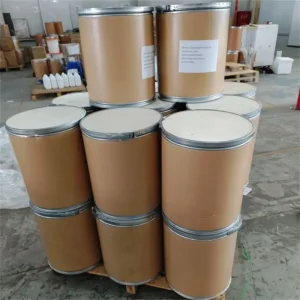
  • Standard Industrial Drums: 25kg multi-layer kraft paper drums with PE liner inserts.
  • Bulk Cargo Containers: 500kg and 1,000kg UN-certified Flexible Intermediate Bulk Containers (FIBC Super Sacks) with moisture barrier protection.
  • Palletization: Heat-treated ISPM-15 compliant wooden pallets or recyclable plastic pallets with stretch wrap.

Frequently Asked Questions (Technical & Procurement Q&A)

Direct answers to engineering, quality, order fulfillment, and synthesis inquiries regarding FDCA CAS 3238-40-2.

Q1: What is the minimum purity requirement of FDCA for high-molecular-weight PEF synthesis?
For direct polycondensation to high-molecular-weight PEF, polymer-grade 2,5-Furandicarboxylic Acid must have a purity of at least 99.5%, with monocarboxylic impurities such as 5-formyl-2-furancarboxylic acid (FFCA) maintained strictly below 100 ppm. High FFCA levels cause chain termination, limiting intrinsic viscosity (IV) and causing discoloration in final plastic resins.
Q2: How does FDCA compare to Terephthalic Acid (PTA) in terms of thermal stability during processing?
FDCA exhibits high thermal stability with a decomposition point exceeding 340 °C. When polymerized into PEF, the polymer displays a higher glass transition temperature (86 °C for PEF vs 74 °C for PET) and a lower melting temperature (211 °C vs 245 °C), allowing lower thermal processing energy during extrusion and bottle blow molding.
Q3: Can 2,5-Furandicarboxylic Acid be processed using existing PET production equipment?
Yes, PEF derived from FDCA is designed as a drop-in bio-based replacement. Standard PET resin synthesis plants, melt-spin fiber lines, and injection stretch blow molding (ISBM) machines can process PEF with minor calibrations in temperature profiles and drying cycles.
Q4: What are the recommended storage conditions for bulk FDCA powder?
FDCA powder should be stored in a cool, dry, well-ventilated warehouse away from direct sunlight, heat sources, and strong oxidizing agents. Sealed containers with moisture-barrier inner liners are required to prevent atmospheric moisture absorption. Recommended storage temperature is between 15°C and 25°C.
Q5: What lead times can international buyers expect for commercial metric-ton shipments?
Standard commercial orders (1 to 20 metric tons) typically ship within 7–14 business days from our Jinan production facility. Custom micronized powders or specialized packaging requests require approximately 15 to 20 days. Air freight samples are dispatched within 48 hours.
Q6: Is JIMPOCHEM's FDCA certified bio-based?
Yes, our 2,5-Furandicarboxylic Acid is synthesized from 100% renewable plant-derived carbohydrates, supported by Radiocarbon Carbon-14 analysis (ASTM D6866) verifying 100% bio-based carbon content.

Related Fine Chemicals & High-Purity Intermediates

Browse additional technical grade chemicals and cosmetic raw materials available directly from JIMPOCHEM facilities.
China Sodium L-pyroglutamate CAS 28874-51-3

Sodium L-Pyroglutamate (CAS 28874-51-3) Pure Solution

View Product Details
Buy Tranexamic Acid CAS 1197-18-8

Tranexamic Acid (CAS 1197-18-8) White Powder

View Product Details
Buy Magnesium Myristate CAS 4086-70-8

Magnesium Myristate (CAS 4086-70-8) Premium Grade

View Product Details
Buy Ethyl Ascorbic Acid CAS 86404-04-8

Ethyl Ascorbic Acid (CAS 86404-04-8) High Purity

View Product Details
Buy Sodium Pyruvate CAS 113-24-6

Sodium Pyruvate (CAS 113-24-6) White Crystalline Powder

View Product Details
Methyl Perfluoroisobutyl Ether HFE-7100 CAS 163702-08-7

Methyl Perfluoroisobutyl Ether HFE-7100 CAS 163702-08-7

View Product Details
Buy Azelaic Acid CAS 123-99-9

Azelaic Acid (CAS 123-99-9) Crystalline Powder

View Product Details
Buy Tranexamic Acid High Quality Supplier

Tranexamic Acid (CAS 1197-18-8) High Quality Factory Direct

View Product Details