Engineered to meet international cosmetic safety standards, offering validated stability, transdermal efficacy, and supply chain scalability.
An Analysis of Chemical Synthesis, Regulatory Compliance, and China's Emerging Role as a Hub for Cosmetic Innovation
The global personal care and cosmetics market is undergoing a seismic paradigm shift driven by evolving consumer expectations, stringent regulatory frameworks, and rapid technological advancements in green chemistry. Modern consumers no longer demand simple aesthetic enhancements; they require clinical efficacy, bio-compatibility, transparent supply chains, and environmental sustainability. In this landscape, the role of a China Personal Care Ingredients Distributor and Manufacturer has expanded from raw material brokerage to end-to-end technical partnership.
To navigate this complex ecosystem, international beauty brands, OEM/ODM contract manufacturers, and specialty formulators rely heavily on integrated chemical hubs capable of supporting structural innovation. China has emerged as the premier manufacturing and distribution center for active pharmaceutical ingredients (APIs), cosmetic actives, conditioning polymers, and eco-friendly surfactants. This strategic evolution is rooted in backward-integrated raw material access, advanced biocatalysis technology, and strict adherence to global regulatory standards such as REACH, EU Regulation 1223/2009, and US FDA requirements.
Information Gain Key Insight: Modern cosmetic formulation success relies not just on standalone active compounds, but on transdermal bioavailability, molecular stability, and supply resilience. Chinese chemical manufacturing clusters provide integrated synthetic routes that reduce batch-to-batch variance while maintaining strict purity levels above 99.5%.
China's dominance as a leading distributor and manufacturer of personal care chemicals is supported by several core structural advantages:
Upstream Chemical Integration: China possesses complete industrial value chains for fundamental chemical building blocks. Key starting materials for high-value cosmetic active derivatives—such as L-Ascorbic Acid, Kojic Acid, Squalene, and Amino Acid precursors—are synthesized domestically. This eliminates international supply chain vulnerabilities and ensures steady cost economics for global buyers.
Biotechnology & Advanced Catalytic Synthesis: Leading Chinese manufacturers have transitioned from conventional high-energy chemical synthesis to sustainable bio-fermentation, enzymatic esterification, and continuous flow chemistry. This transition lowers carbon footprints, reduces residual organic solvents, and achieves ultra-pure active ingredients suited for sensitive skincare applications.
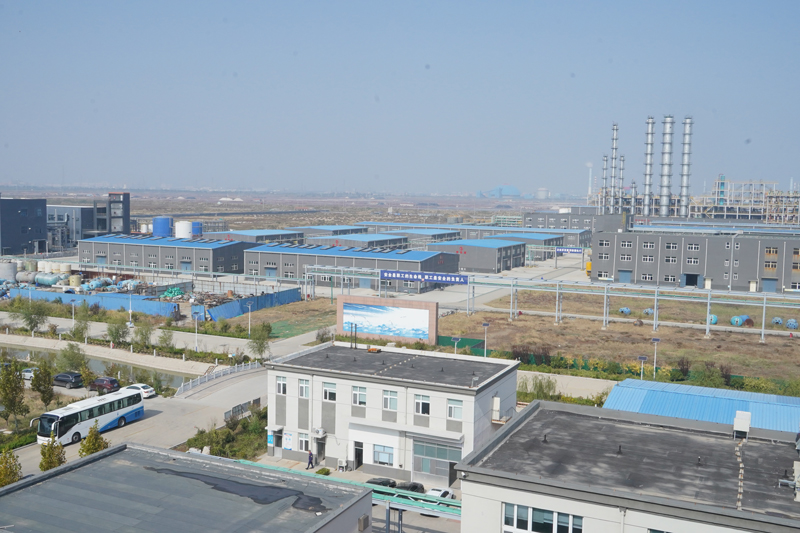
Aggregated Industrial Clusters: Located in major chemical industry zones such as the Chemical Industry Park of Jinan City in Shandong Province, integrated manufacturing hubs benefit from shared centralized utilities, hazardous chemical handling infrastructure, and streamlined logistics networks connected directly to deep-water shipping ports.
Substantial infrastructure investments and continuous process optimizations allow high-volume production without compromising analytical purity or regulatory alignment.
Rigorous quality management systems complying with ISO9001, ISO14001, GMP, and EFfCI standards ensure seamless global regulatory filing.
Custom synthesis, bespoke particle size distribution, specialized solvent carriers, and private label packaging options meet unique buyer specifications.
Pioneering High-End Fine Chemicals and Cosmetic Active Ingredients Since 2010
Established in 2010, JIMPOCHEM CO., LTD is headquartered in the prestigious Chemical Industry Park of Jinan City, Shandong Province. Spanning an expansive area of over 500 acres, our enterprise operates as a fully integrated chemical raw material manufacturer combining frontier research & development, automated synthesis, global distribution, and dedicated application technical support.
Our core focus centers on high-end fine chemicals, functional cosmetic ingredients, natural moisturizing factors (NMF), lipid-soluble antioxidant vectors, and specialized pharmaceutical intermediates. Guided by our corporate ethos of "Integrity, Innovation, Professionalism, and Win-Win Cooperation," we provide end-to-end procurement solutions to formulators and multinational personal care corporations across the globe.

Mechanisms of Action, Chemical Stability, and Formulation Chemistry Guidelines
Pure L-Ascorbic Acid is inherently unstable in aqueous cosmetic formulations, quickly oxidizing upon exposure to light, heat, and oxygen. To deliver reliable brightening and collagen-stimulating benefits, cosmetic chemists rely on modified derivative chemistry:
3-O-Ethyl Ascorbic Acid (CAS 86404-04-8): An etherified derivative featuring an ethyl group at the C3 position. This structural modification shields the molecule from oxidation while rendering it dual-amphiphilic (solubility in both water and oil phases). Upon topical application, skin enzymes cleave the ethyl group, releasing free L-Ascorbic Acid into skin cells to inhibit tyrosinase activity and neutralize reactive oxygen species (ROS).
Ascorbyl Glucoside / AA2G (CAS 129499-78-1): Synthesized by bonding glucose to the C2 hydroxyl group using enzymatic technology. Ascorbyl Glucoside exhibits remarkable heat and oxidation stability in formulation water phases. It is slowly hydrolyzed by alpha-glucosidase in the epidermis, providing sustained Vitamin C delivery over extended periods.
Ascorbyl Tetraisopalmitate (CAS 183476-82-6): A tetra-esterified, tetra-isopalmitate liquid derivative designed for premium lipid phase formulations. With superior skin penetration characteristics, it dissolves seamlessly into facial oils, anhydrous serums, and rich night creams without discoloration.
Hyperpigmentation control requires multi-target biochemical pathways. Leading Personal Care Ingredients Manufacturers synthesize targeted active molecules for comprehensive tone brightening:
Tranexamic Acid (CAS 1197-18-8): Functioning as a synthetic lysine analog, Tranexamic Acid inhibits the plasminogen/plasmin system. By blocking kerantinocyte-melanocyte signaling triggered by UV irradiation, it suppresses arachidonic acid release and prostaglandin E2 (PGE2) production, preventing inflammatory hyperpigmentation and melasma formation.
Kojic Acid Dipalmitate (CAS 79725-98-7): Conventional Kojic Acid suffers from severe light instability and chelation discoloration. Dipalmitate esterification at the hydroxyl groups protects against degradation, improving lipophilicity and skin affinity. It directly inhibits tyrosinase enzymatic pathways to fade age spots and post-inflammatory erythema.
Optimal skin barrier function depends on skin hydration vectors that mimic intercellular matrices:
Sodium L-Pyroglutamate (Sodium PCA, CAS 28874-51-3): Derived naturally from L-glutamic acid, Sodium PCA forms the principal component of human skin's NMF. Possessing extreme hygroscopicity, it binds water molecule networks within the stratum corneum, restoring elasticity without creating sticky residual films on skin surface.
PPG-20 Methyl Glucose Ether (CAS 61849-72-7): An exceptionally mild, bio-derived alkoxylated glucose ether that functions as an effective humectant, sensory modifier, and fragrance fixative. It depresses moisture loss while imparting smooth skin feel in high-performance cleansers and lotions.

Every batch of chemical raw materials produced at JIMPOCHEM undergoes full analytical verification, including High-Performance Liquid Chromatography (HPLC), Gas Chromatography (GC-MS), Heavy Metal Atomic Absorption Spectrometry, and Microbiological Screening.
Our batch traceability system tags all incoming raw materials, intermediate processing data, and final shipping logistics. Downstream customers receive a Comprehensive Certificate of Analysis (CoA), Safety Data Sheet (SDS), and technical application dossiers for smooth batch release.
Architecting Sustainable Formulations for Clean Beauty, Scalp Care, and Anti-Aging
Formulators are replacing silicone fluids, microplastics, and harsh sulfates with readily biodegradable polyols like Solketal (CAS 100-79-8), plant-derived Squalane, and bio-fermented active esters.
Hair care is adopting skin-care-inspired ingredients. Modern scalp solutions utilize mild anti-dandruff agents, moisture boosters, and microbial regulators to soothe sensitive scalps.
Next-generation sunscreens integrate high-efficiency broad-spectrum UV filters like Bemotrizinol (CAS 187393-00-6) alongside photostable antioxidants to prevent light-induced photoaging.
As a global Personal Care Ingredients Distributor, JIMPOCHEM offers customized ingredient solutions mapped to specific product segments:
1. Facial Skincare & Dermocosmetics: High-purity Vitamin C derivatives (Ethyl Ascorbic Acid, AA2G) provide whitening, radiance, and collagen synthesis support in concentrated serums and ampoules. Tranexamic Acid and Kojic Acid Dipalmitate target persistent hyperpigmentation.
2. Haircare & Body Wash Formulations: Specialty surfactants like Lauryl Hydroxysultaine (CAS 13197-76-7) and Zinc Pyrithione (CAS 13463-41-7) offer soft foam stability, gentle cleansing, and effective anti-dandruff benefits without stripping natural scalp lipids.
3. Anhydrous & Emulsion Formulations: Lipid-soluble antioxidants (Ascorbyl Tetraisopalmitate) and plant-derived humectants (Solketal, Lactitol Monohydrate) stabilize oil-in-water (O/W) and water-in-oil (W/O) emulsions, enhancing formula skin feel and shelf life.
4. Oral Care & Hygiene Products: Food-grade antimicrobial vectors and natural humectants protect oral mucosa, mitigate bacterial proliferation, and maintain product viscosity over variable storage temperatures.
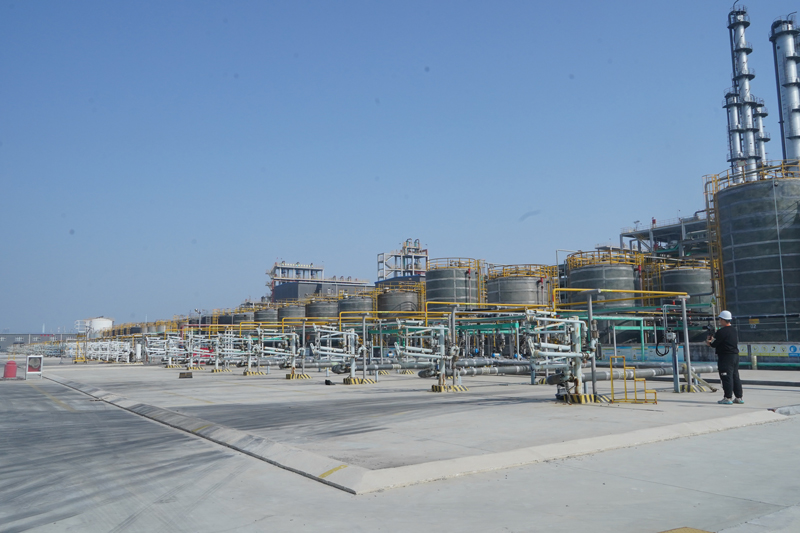
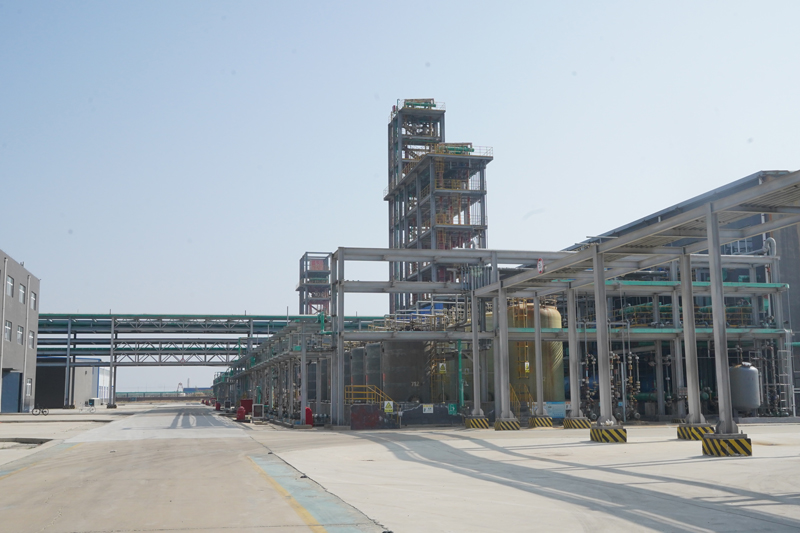
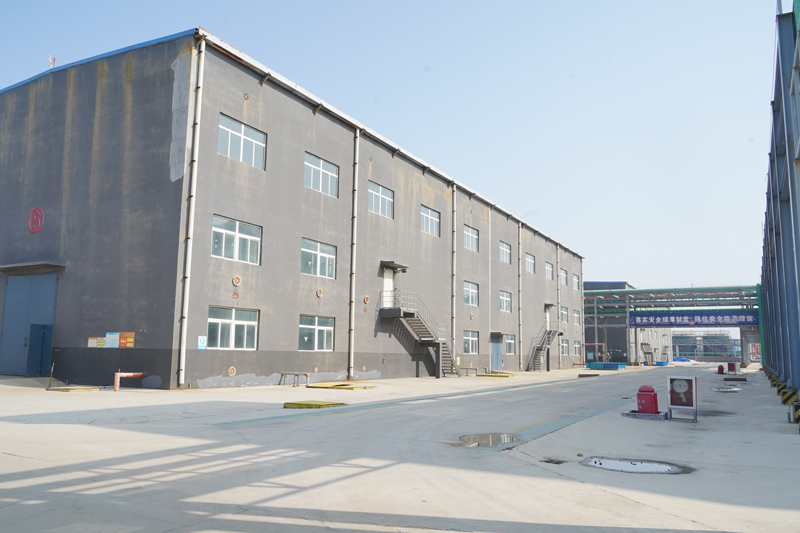
State-of-the-Art Chemical Production Facilities, R&D Laboratories, and Packaging Infrastructure
Our manufacturing base operates under computerized Distributed Control Systems (DCS) and Safety Instrumentation Systems (SIS). Intelligent automation monitors precise reaction temperature, pressure, flow rate, and dosing cycles, minimizing human error and maintaining chemical consistency.
Dedicated to sustainable production, JIMPOCHEM has implemented advanced wastewater treatment plants, volatile organic compound (VOC) recovery units, and waste residue thermal recycling. Our green chemical initiatives align with global carbon reduction targets, supporting downstream customers in achieving their ESG sourcing goals.



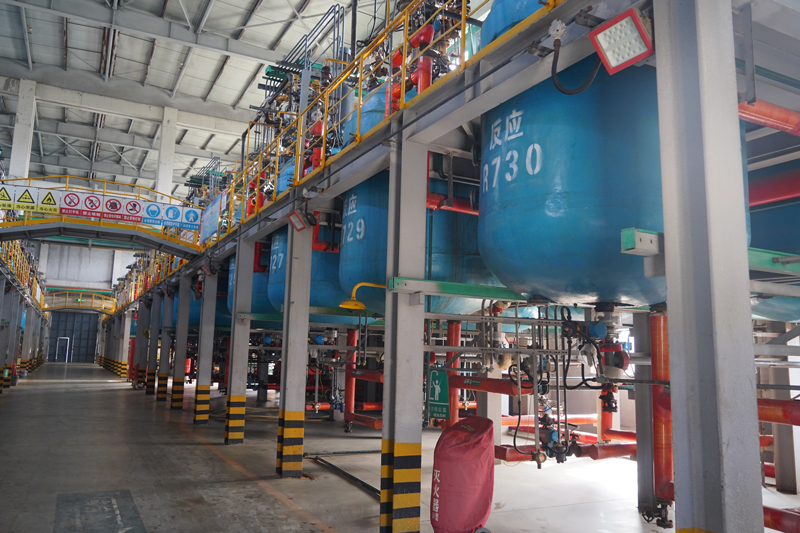

Explore our comprehensive portfolio of specialty chemicals, indicators, solvents, and cosmetic active ingredients.
Guidelines for Enterprise Purchasing Directors, Quality Assurance Managers, and Formulation Scientists
When sourcing high-value cosmetic ingredients from China, procurement teams must look beyond unit pricing and evaluate key supplier capabilities:
Regulatory & Compliance Verification: Ensure the manufacturer provides full regulatory documentation including EU REACH registrations, US FDA VCRP listings, Halal certification, Kosher certification, and ISO 22716 / EFfCI GMP audit reports.
Analytical Infrastructure: Confirm that the supplier maintains in-house analytical laboratories equipped with validated HPLC, GC, LC-MS, and ICP-MS systems to measure heavy metal impurities (Lead, Arsenic, Mercury, Cadmium) down to sub-ppm levels.
Raw Material Traceability & Batch Consistency: A reliable partner must demonstrate full backward integration into basic chemical feeds, shielding finished active prices from volatile spot-market fluctuations.
Sensitive active ingredients require specialized packaging and logistics management:
Light-Sensitive & Oxidation Protection: Active molecules like Ethyl Ascorbic Acid and Ascorbyl Tetraisopalmitate are packaged under nitrogen flush conditions using light-proof aluminum foil bags, fiber drums with inner PE liners, or stainless-steel liquid totes.
Temperature-Controlled Shipping: Bio-actives prone to thermal degradation are shipped via temperature-monitored refrigerated containers (Reefer Containers) to ensure temperature control from factory gate to destination port.
Expert Guidance on Sourcing, Regulatory Compliance, Sample Logistics, and Custom Synthesis
 JIMPOCHEM