China DHHB Manufacturers & Product Technical Whitepaper

Global Supply Chain Intelligence, Photostability Chemistry & High-Performance Cosmetic Raw Material Solutions for Diethylamino Hydroxybenzoyl Hexyl Benzoate (CAS 302776-68-7)

Featured Enterprise Product Range (Showcase I)

High-purity chemical raw materials certified under rigorous ISO and international quality standards

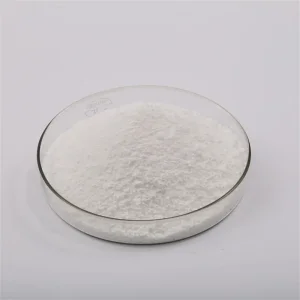
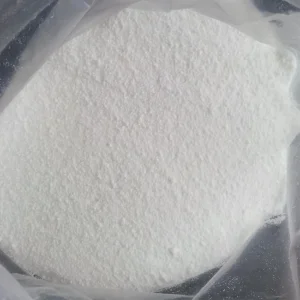
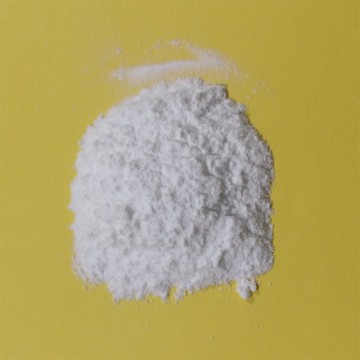
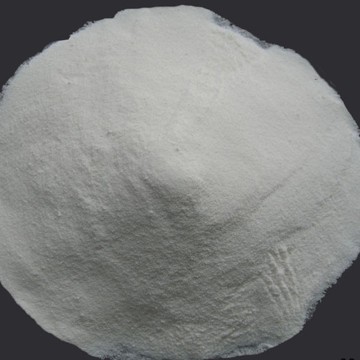
China Sodium Pyruvate CAS 113-24-6
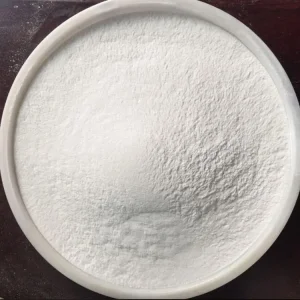
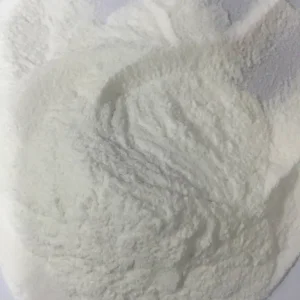
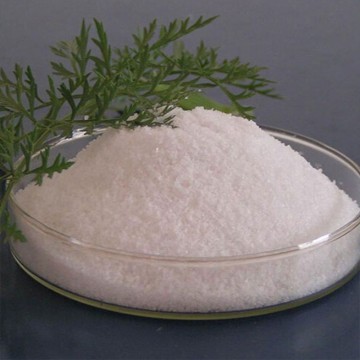
China Sodium Pyruvate CAS 113-24-6 - Quality White Powder
View Product Details
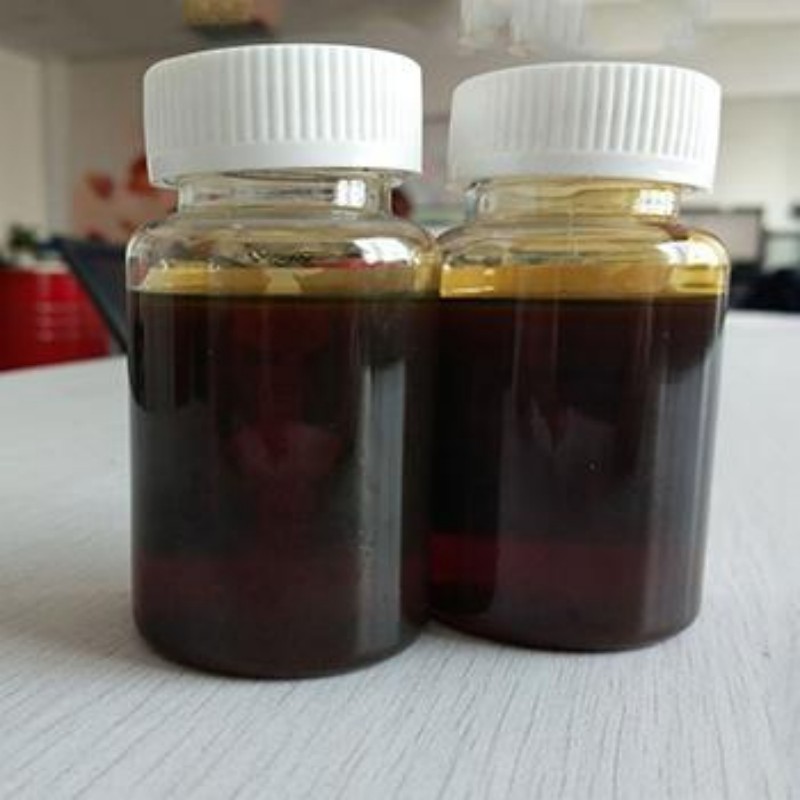
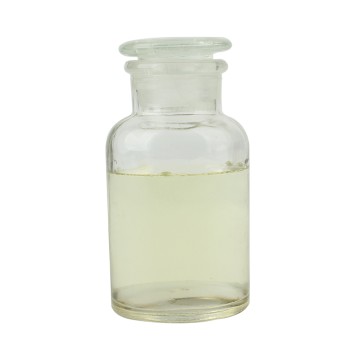
Ascorbyl Tetraisopalmitate CAS 183476-82-6
Buy Ascorbyl Tetraisopalmitate CAS 183476-82-6 Liquid
View Product Details
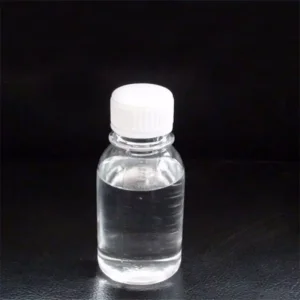
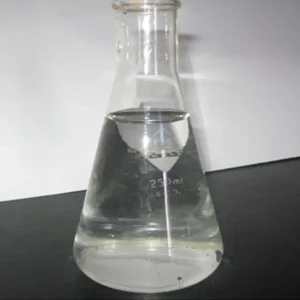
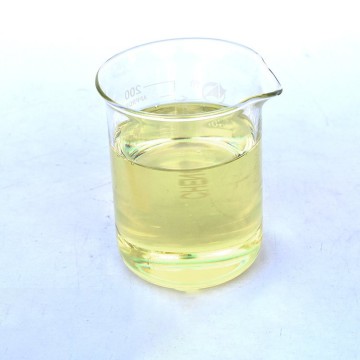
China Isopropyl Myristate CAS 110-27-0
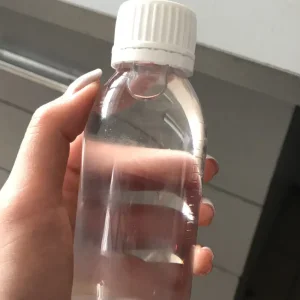
China Isopropyl Myristate CAS 110-27-0 Quality Liquid
View Product Details
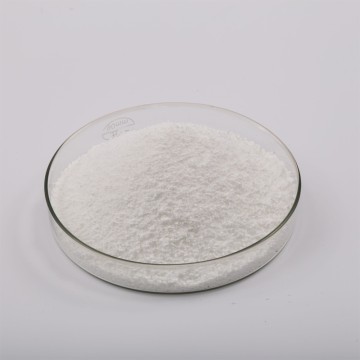
Hydroxyapatite CAS 1306-06-5
Buy Hydroxyapatite CAS 1306-06-5 High Purity Grade
View Product Details
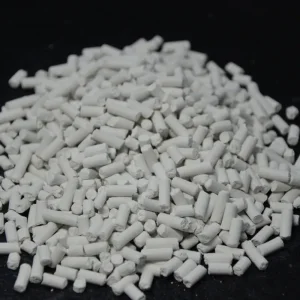
Soda Lime Carbon Dioxide Absorbent CAS 8006-28-8
View Product Details
PPG-20 Methyl Glucose Ether CAS 61849-72-7
PPG-20 Methyl Glucose Ether CAS 61849-72-7 Polymer
View Product Details
Benzethonium Chloride CAS 121-54-0
Benzethonium Chloride CAS 121-54-0 Fine Powder
View Product Details
Kojic Acid Dipalmitate CAS 79725-98-7
China Kojic Acid Dipalmitate CAS 79725-98-7
View Product Details
16+
Years of Industry Excellence
500+
Acres Production Complex
200+
Export Nations & Regions
5,000+
Global Brand Partners

Global Commercial & Industrial Status of DHHB (CAS 302776-68-7)

An authoritative analysis of market supply dynamics, broad-spectrum UV protection shifts, and manufacturing scalability

Market Evolution & Growth Drivers

In the contemporary personal care and photoprotection industry, Diethylamino Hydroxybenzoyl Hexyl Benzoate (DHHB) has emerged as the definitive oil-soluble UVA-I filter (320–400 nm peak wavelength at ~354 nm). Driven by escalating consumer awareness regarding photo-aging (Soliagenesis), deep dermal structural degradation, and skin cancer risks, global cosmetic brands are systematically phasing out unstable traditional UVA absorbers like Avobenzone in favor of photostable organic filters.

China has firmly established itself as the global manufacturing epicenter for high-purity DHHB raw materials. Backed by integrated chemical supply chains, robust synthesis technology, and scalable crystal-purification capacity, premier Chinese chemical producers supply over 65% of the worldwide demand for daily sun care, premium anti-aging formulations, and sports sunscreens.

Industrial Capacity & Sourcing Dynamics

Historically monopolized by international chemical conglomerates, the DHHB market experienced significant cost efficiency and quality maturation as leading Chinese entities like JIMPOCHEM CO., LTD modernized synthesis pathways. Operating modern production complexes spanning over 500 acres in Jinan, Shandong, premier manufacturers have resolved legacy issues including residual solvent contamination (e.g., toluene/methanol limits) and color batch variations.

Global procurement teams favor sourcing DHHB from verified China suppliers due to flexible minimum order quantities (MOQ), stringent compliance with European REACH registrations, US FDA OTC monograph updates, and competitive total cost of ownership (TCO).

Strategic Applications Across Sectors

While primary consumption resides in personal care (sunscreen lotions, BB creams, anti-aging serums), industrial applications of DHHB are expanding rapidly. DHHB serves as an ultra-effective UV stabilizer for advanced coatings, polymeric clear films, high-end automotive transparent paints, and specialty optical plastics that require non-yellowing, prolonged resistance to solar radiation.

By preventing free-radical cascade generation induced by long-wave UVA photons, DHHB safeguards both biological tissue and synthetic matrix structures from oxidative stress and mechanical degradation.

Photochemical Mechanism & Technical Specifications

Understanding the molecular architecture, keto-enol tautomerism stability, and spectral absorption profile of DHHB

Molecular Stability & Intramolecular Hydrogen Bonding

The structural efficacy of Diethylamino Hydroxybenzoyl Hexyl Benzoate (CAS 302776-68-7, C24H31NO4, MW: 397.51 g/mol) stems from its optimized intramolecular hydrogen bond situated between the hydroxyl group and the carbonyl oxygen on the benzoyl moiety. Upon absorbing high-energy UVA-I photons (320–400 nm), the molecule undergoes an ultra-fast Excited State Intramolecular Proton Transfer (ESIPT).

This rapid photophysical cycle converts dangerous solar radiative energy into non-destructive vibrational thermal energy without releasing reactive oxygen species (ROS) or undergoing molecular cleavage. Consequently, DHHB demonstrates exceptional photostability: even after 5 hours of continuous high-intensity UV irradiation, over 98% of the active molecule retains its original structural integrity, drastically outperforming un-stabilized dibenzoylmethane derivatives.

Technical Parameter Standard Specification Analytical Method / Test Standard
Chemical Name Diethylamino Hydroxybenzoyl Hexyl Benzoate (DHHB) IUPAC Nomenclature
CAS Registration Number 302776-68-7 CAS Database
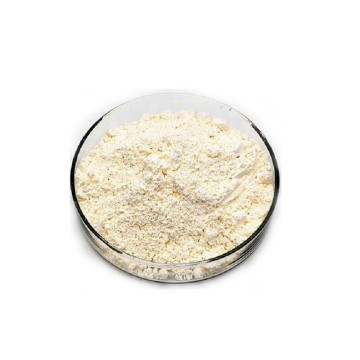
Appearance White to pale pinkish granular powder or crystalline flakes Visual Inspection
Assay (Purity) 98.0% – 102.0% HPLC (High-Performance Liquid Chromatography)
Melting Point Range 54.0°C – 59.0°C Capillary Melting Point Apparatus (ISO 3146)
Specific Absorption (E 1%/1cm) 910 – 940 (at ~354 nm in ethanol) UV-Vis Spectrophotometry
Loss on Drying ≤ 0.50% Gravimetric (105°C, 2 hours)
Heavy Metals (Pb, As, Cd, Hg) Total ≤ 10 ppm (Individual ≤ 2 ppm) ICP-MS (Inductively Coupled Plasma Mass Spectrometry)
Residual Solvents Methanol ≤ 50 ppm, Toluene ≤ 100 ppm Headspace GC-MS

Green Chemistry Manufacturing Roadmap & Process Optimization

Next-generation catalytic synthesis, solvent-free crystallization, and sustainable chemical engineering at JIMPOCHEM

Phase I: Advanced Catalytic Esterification

Conventional production pathways historically generated high chemical oxygen demand (COD) wastewater and solid salt byproducts. Modern manufacturing protocols at JIMPOCHEM employ heteropolyacid solid catalysts and atom-economic condensation of 4-(diethylamino)-2-hydroxybenzoic acid with 1-hexanol.

This process increases conversion efficiency to >96% while reducing energy consumption by 28%. Real-time inline FTIR spectroscopy continuously monitors intermediate purity to prevent side-reactions.

Phase II: Closed-Loop Solvent Recovery & Crystallization

To meet global cosmetics safety directives, raw DHHB undergoes multi-stage fractional crystallization. Utilizing food-grade alcohol solvent systems in an enclosed continuous-flow crystallizer, the crystal growth is precisely managed to produce uniform granular structures.

Over 99.2% of processing solvents are recovered and recycled via vacuum distillation columns, virtually eliminating volatile organic compound (VOC) emissions into the atmosphere.

Phase III: Digitalized Quality Control & Traceability

Every industrial batch produced in our 500+ acre Jinan complex is assigned an immutable digital batch record. Advanced batch-traceability software links raw material sourcing (phthalic anhydride derivatives) directly to downstream QA test certificates.

Third-party testing validation by independent accredited laboratories ensures 100% compliance with international heavy metal, microbial, and residual monomer standards.

Formulation Science & Macro Industry Solutions

Engineering synergy between DHHB, UVB absorbers, emollient solvents, and bio-functional active ingredients

Solubility & Oil Phase Optimization

DHHB is a crystalline solid with a melting point between 54°C and 59°C. Achieving long-term thermal stability in oil-in-water (O/W) or water-in-oil (W/O) emulsions requires choosing the correct polar cosmetic solvents to prevent recrystallization at low storage temperatures.

Superior polar oils for dissolving DHHB include Isopropyl Myristate (CAS 110-27-0), C12-15 Alkyl Benzoate, Dibutyl Adipate, and Diisopropyl Sebacate. Combining DHHB with non-polar cosmetic oils like Squalane (CAS 111-01-3) provides enhanced skin-feel while ensuring seamless film formation across skin contours.

Broad-Spectrum Photoprotective Synergy

To achieve high SPF (Sun Protection Factor) alongside high PA++++ ratings (Protection Grade of UVA), formulation chemists combine DHHB with photostable broad-spectrum and UVB absorbers. Ideal synergy partners include:

  • Bemotrizinol (BEMT / CAS 187393-00-6): Broad-spectrum protection covering both UVA and UVB spectrums.
  • Ethylhexyl Triazone (EHT): High extinction coefficient UVB filter.
  • Synergistic Brightening Actives: Integrating Tranexamic Acid (CAS 1197-18-8) or Azelaic Acid (CAS 123-99-9) mitigates existing hyperpigmentation while DHHB prevents new solar damage.

About JIMPOCHEM CO., LTD & Integrated Chemical Supply Capabilities

16 years of expertise, strategic global distribution, and end-to-end custom synthesis solutions

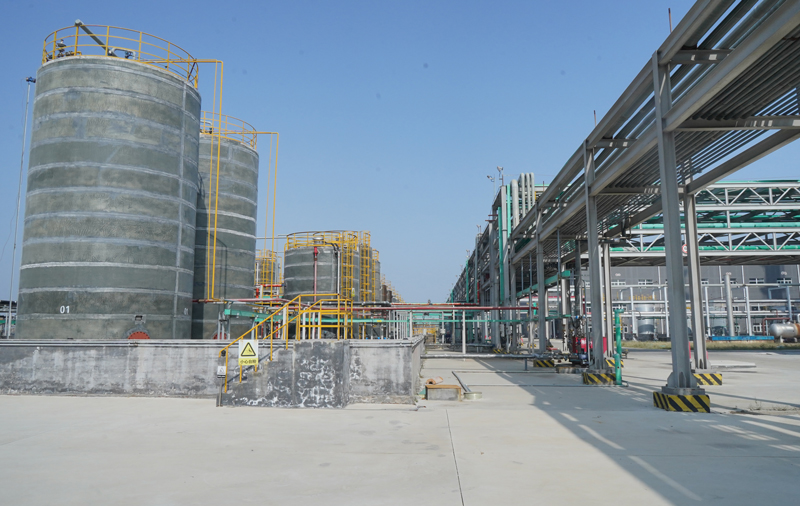
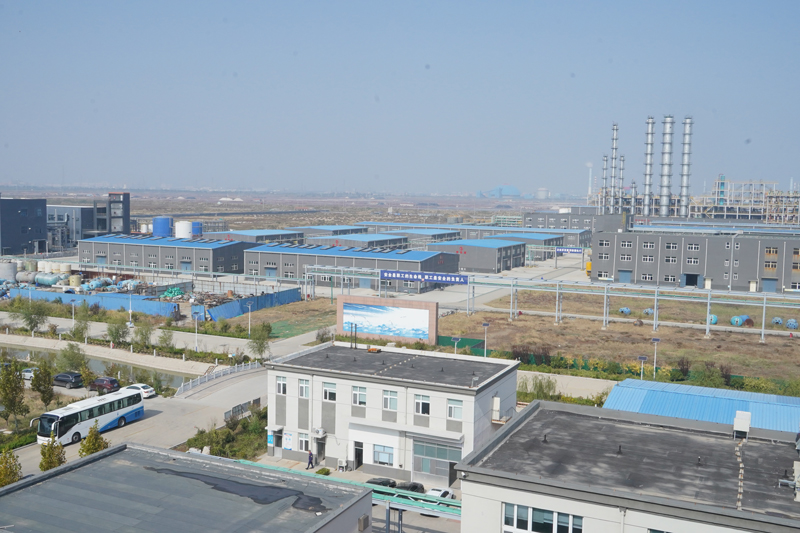
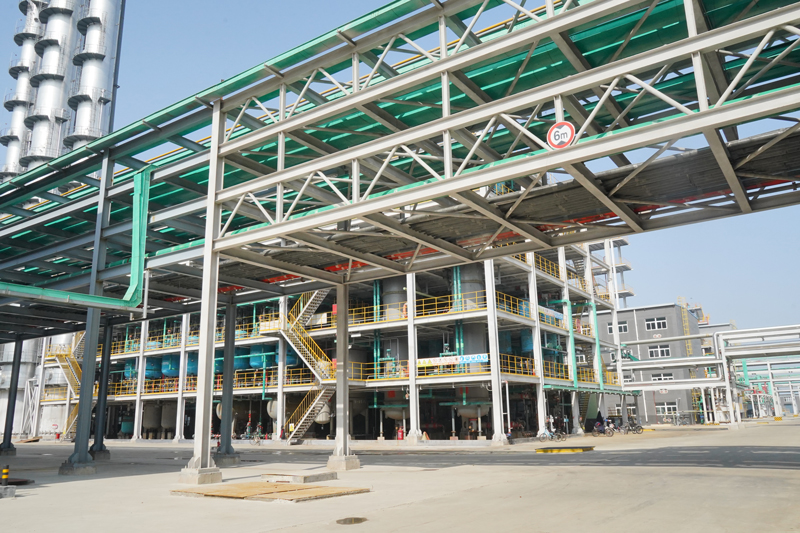
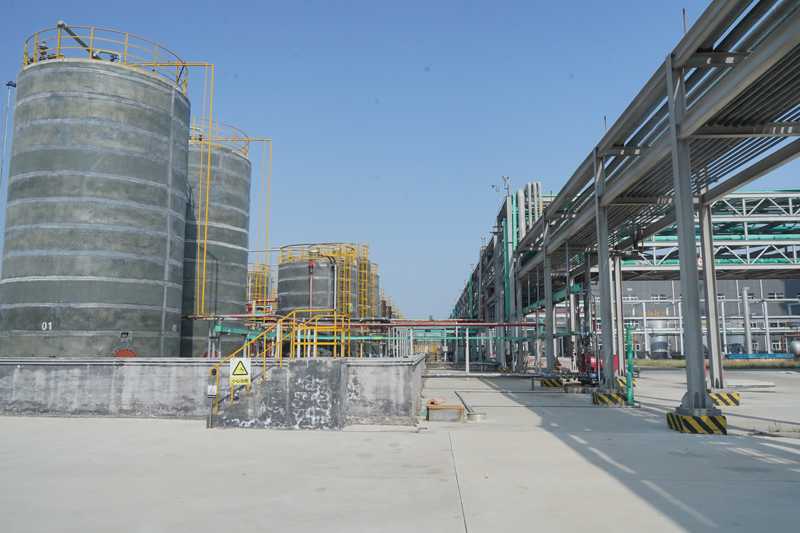
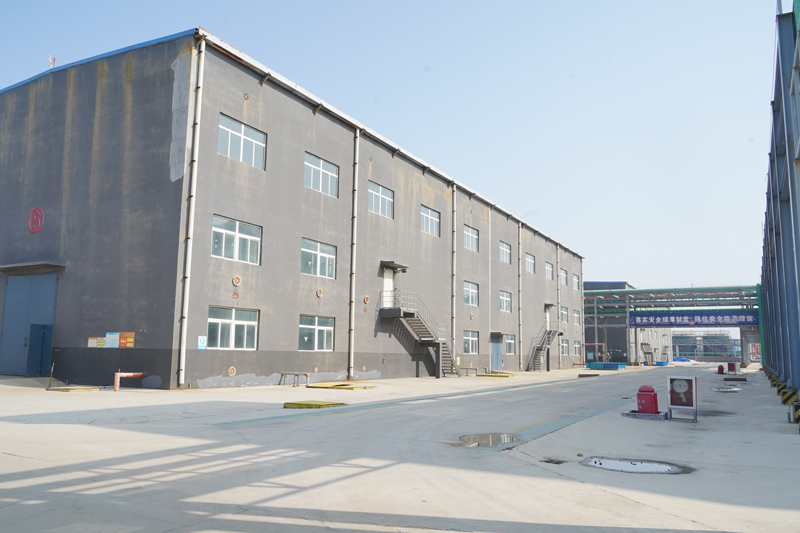
JIMPOCHEM CO., LTD was established in 2010 and is headquartered in the Chemical Industry Park of Jinan City, Shandong Province. The company covers an area of over 500 acres and is a professional chemical raw material manufacturer that integrates research and development, production, sales, and technical services. Its core focus is on high-end fine chemicals and cosmetic raw materials. We have obtained multiple product-related certifications, including ISO quality system certification and environmental management system certification, and are committed to providing high-quality chemical products and one-stop procurement service solutions to global customers.

Our core team comprises experts with over 10 years of experience in the chemical industry. This enables us not only to provide professional products but also to offer solutions in product development, formula optimization, and supply chain management, meeting the personalized needs of diverse clients. We provide high-quality products and services, and our products are exported to over 200 countries and regions in Europe, America, Southeast Asia, the Middle East, and Oceania, serving more than 5,000 international companies. We have also established long-term strategic partnerships with many internationally renowned chemical companies, becoming a trusted "designated chemical service provider" for numerous clients.


Core Competitive Advantages

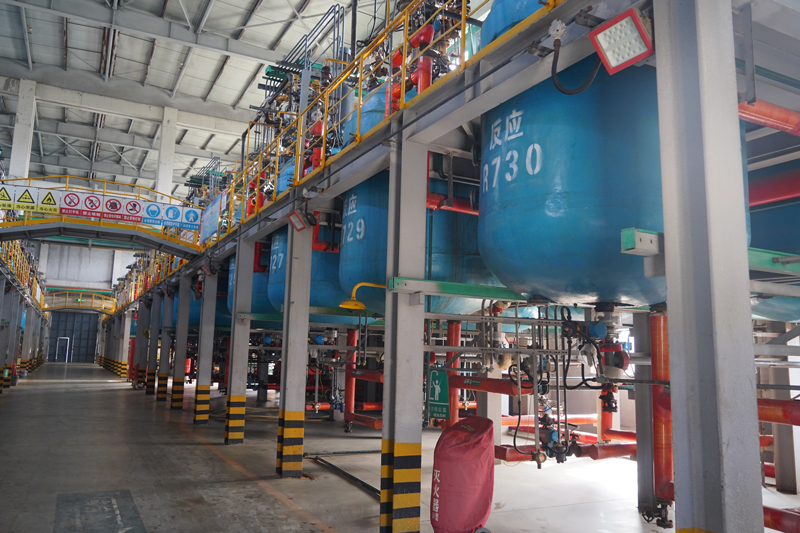
  • Supply Chain and Production Capacity: Leveraging years of industry experience, we have established stable raw material procurement channels and partnered with top global chemical raw material suppliers, ensuring stable raw material quality and ample supply. Our modern production base employs an intelligent control system to automate and digitally manage the production process, balancing large-scale production with flexible customization needs.
  • Quality Control System: Adhering to the philosophy that "quality is the lifeline of an enterprise," the company has established a comprehensive quality control system. From raw material warehousing and inspection, real-time monitoring of the production process, to full-item inspection of finished products before shipment, every step adheres to strict quality standards to ensure that every batch meets relevant technical specifications. A product traceability system allows users to trace raw material sources, testing data, and logistics through batch numbers.
  • Green and Environmental Commitment: In response to the global "dual-carbon" strategy, the company focuses on the research and development and production of green chemical products, adopting environmentally friendly production processes and optimizing wastewater, waste gas, and waste residue treatment systems to achieve compliant pollutant emissions and resource recycling. Many core products have obtained environmental certifications, helping downstream customers achieve green production transformation.

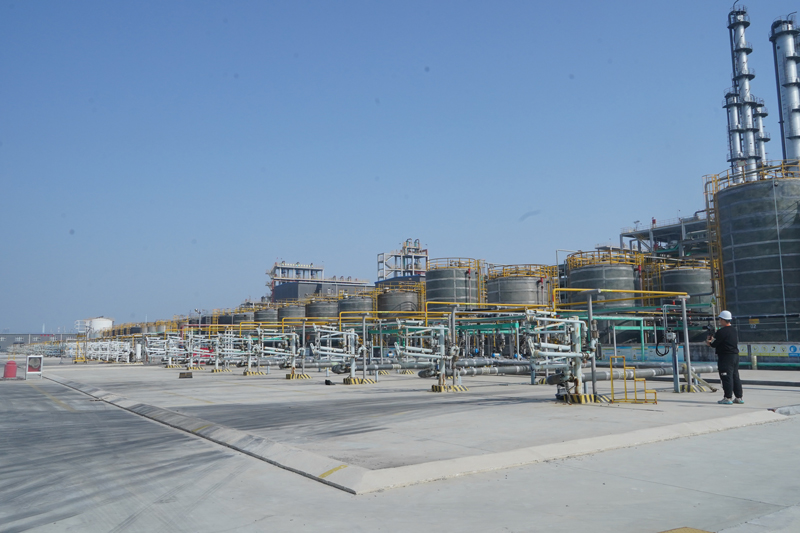
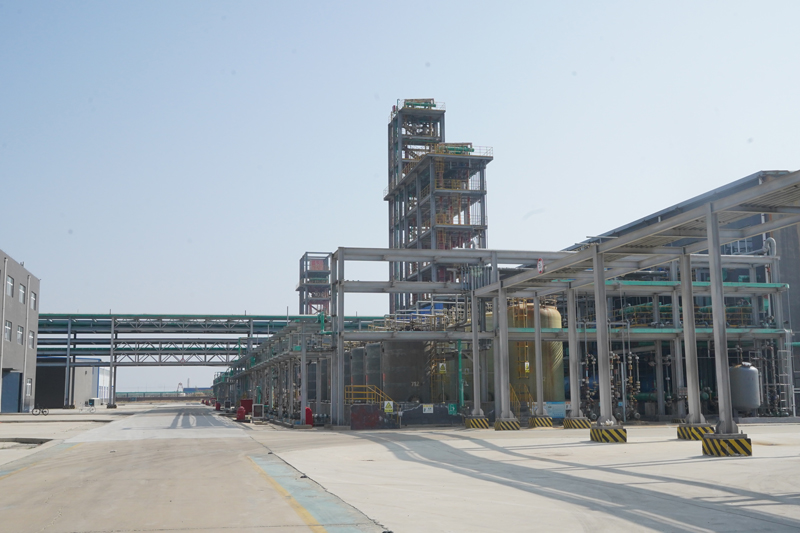
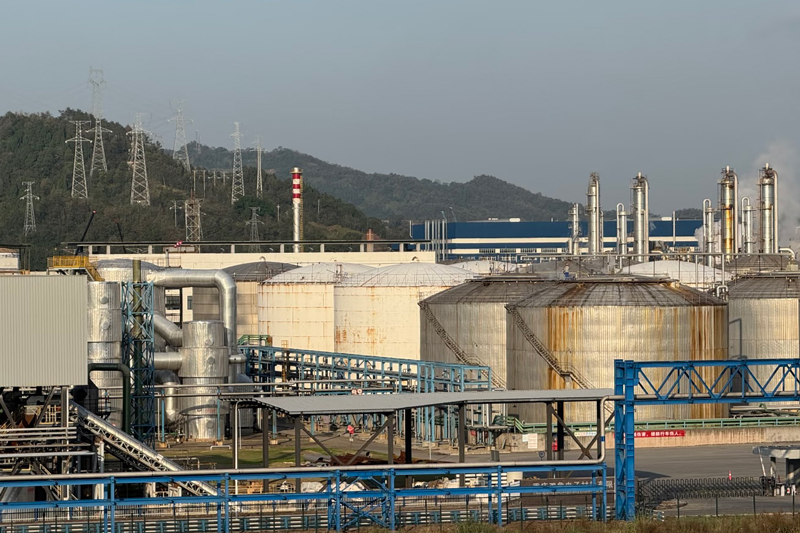
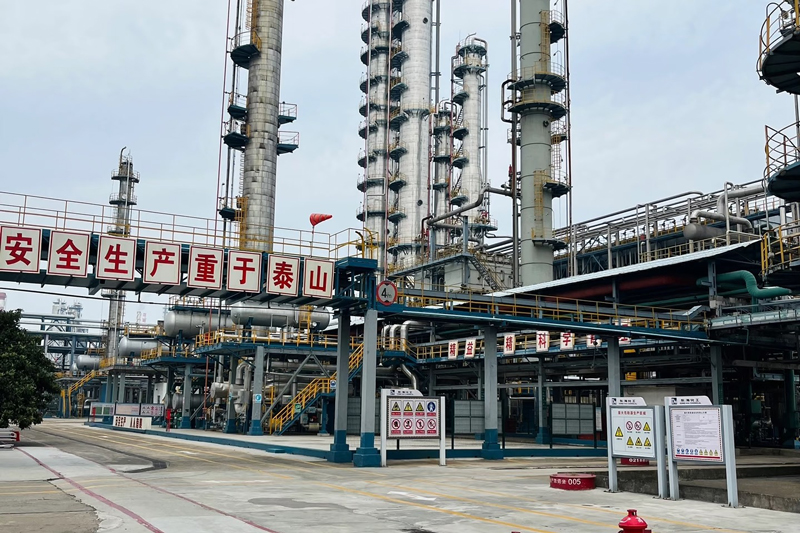
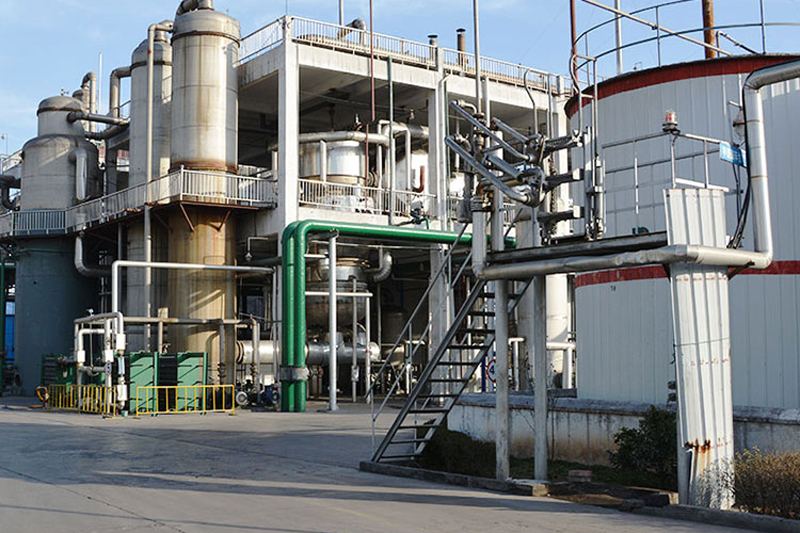
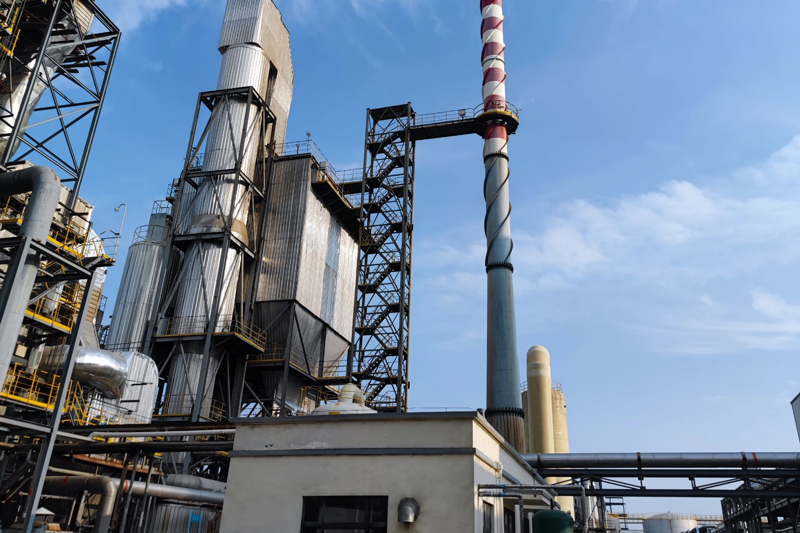
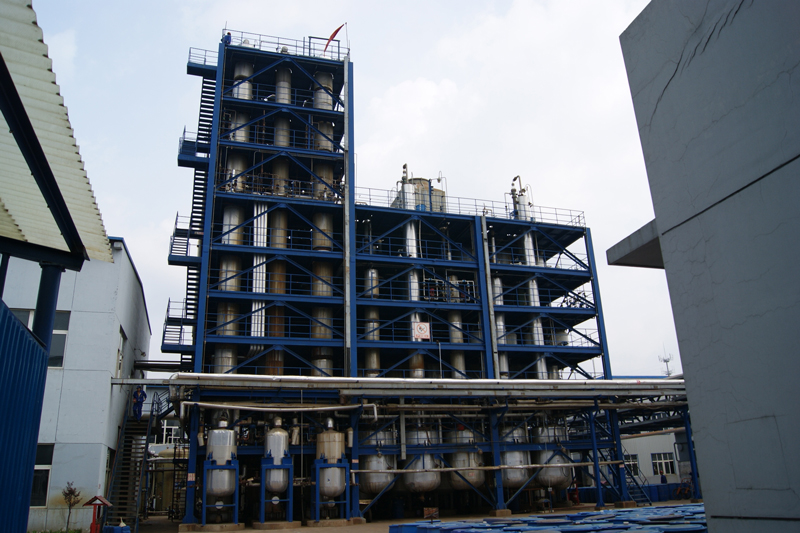
Factory Tour & R&D Laboratory Infrastructure

Technical & Regulatory Frequently Asked Questions (FAQ)

Expert technical insights regarding compliance, safety, formulation chemistry, and global market authorization

Q1: What is the maximum permitted concentration of DHHB in cosmetic formulations globally?
Under the European Union Cosmetic Regulation (EC No 1223/2009 Annex VI), DHHB (Diethylamino Hydroxybenzoyl Hexyl Benzoate) is authorized as a UV filter up to a maximum concentration of 10%. Similar regulatory caps of 10% are enforced by China NMPA (National Medical Products Administration), Japan's PMDA, ASEAN Cosmetic Directive, and Australia TGA. In South Korea, it is approved up to 10%.
Q2: How does DHHB compare to Avobenzone in terms of photostability and safety?
Avobenzone (Butyl Methoxydibenzoylmethane) rapidly degrades upon UV exposure, losing up to 36%–50% of its absorbance within 1 hour unless stabilized by Octocrylene. Conversely, DHHB possesses an intrinsic intramolecular hydrogen bond that renders it almost 100% photostable independently. Furthermore, DHHB does not undergo photo-allergen conversion or stain clothing yellow upon contact with iron-rich water.
Q3: Is DHHB compliant with eco-friendly and "Reef-Safe" standards?
Yes. Unlike legacy organic filters such as Oxybenzone (Benzophenone-3) and Octinoxate (Ethylhexyl Methoxycinnamate)—which have been banned in Hawaii, Key West, and Palau due to coral bleaching—DHHB shows no bioaccumulation tendency in marine environments and has demonstrated exceptional eco-toxicological safety profiles regarding marine microalgae and coral polyps.
Q4: What solvent systems work best to prevent DHHB crystallization?
To prevent DHHB from recrystallizing during room temperature or low-temperature storage, solubilize DHHB at 60°C–65°C in polar ester solvents like Isopropyl Myristate (CAS 110-27-0), C12-15 Alkyl Benzoate, or Propylene Glycol Dicaprylate. Ensure complete dissolution prior to combining with the oil phase.
Q5: Can DHHB be incorporated into water-phase or alcohol-based formulas?
DHHB is intrinsically lipophilic (oil-soluble) and practically insoluble in pure water. For hydro-alcoholic gels or clear water-based sprays, pre-solubilize DHHB using high-efficiency emulsifiers, ethoxylated esters such as PPG-20 Methyl Glucose Ether (CAS 61849-72-7), or micro-encapsulation techniques.
Q6: What packaging options are available for bulk industrial procurement?
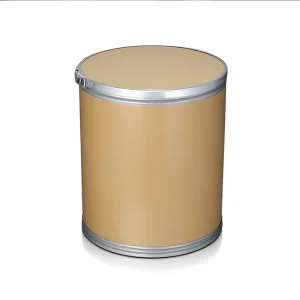
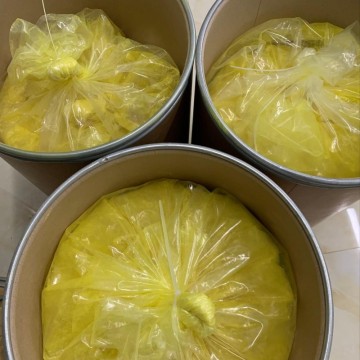
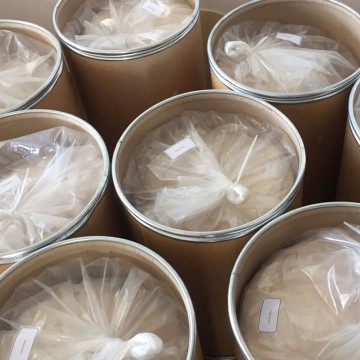
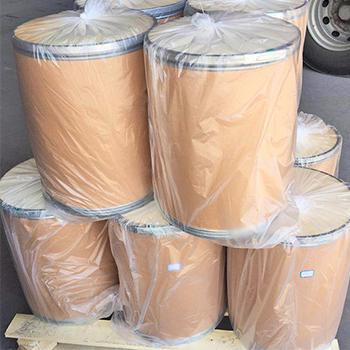
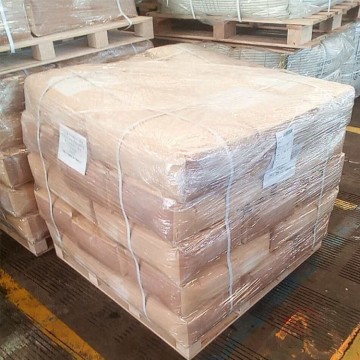
JIMPOCHEM supplies industrial DHHB in standard 25 kg fiber drums lined with anti-static double PE food-grade bags. Customized packaging such as 500 kg super-sacks or palletized moisture-barrier corrugated cartons can be arranged for large-scale enterprise manufacturing requirements.
Q7: What analytical documentation accompanies each shipment batch?
Every batch delivered by JIMPOCHEM includes a Comprehensive Certificate of Analysis (CoA), HPLC Purity Spectrum Chromatogram, Material Safety Data Sheet (MSDS/SDS compliant with GHS standard), Heavy Metal ICP-MS Analysis, and Residual Solvent GC Report.
Q8: How does DHHB perform in anti-aging daily moisturizers versus dedicated sunscreens?
Because long-wave UVA radiation penetrates deep into the dermal matrix—causing collagen fragmentation and solar elastosis—incorporating 2%–5% DHHB into daily day creams offers non-greasy, non-tacky protection against incidental indoor/outdoor UVA exposure. It blends seamlessly with skin-brightening actives like Kojic Acid Dipalmitate (CAS 79725-98-7) and Ascorbyl Tetraisopalmitate (CAS 183476-82-6).

Featured Enterprise Product Range (Showcase II)

Complementary chemical ingredients for cosmetics, medical care, and fine organic synthesis

Tranexamic Acid CAS 1197-18-8
China Tranexamic Acid CAS 1197-18-8 High Quality
View Product Details
Ethyl nonafluorobutyl ether CAS 163702-05-4
Buy Ethyl nonafluorobutyl ether / HFE-7200 CAS 163702-05-4
View Product Details
Solketal CAS 100-79-7
China High-Quality Solketal CAS 100-79-7 Reliable
View Product Details
Sodium L-pyroglutamate CAS 28874-51-3
China Sodium L-pyroglutamate CAS 28874-51-3 Supplier
View Product Details
Sodium L-pyroglutamate Natural Moisturizing Factor
Buy Sodium L-pyroglutamate CAS 28874-51-3 NMF Grade
View Product Details
Azelaic Acid CAS 123-99-9
China Azelaic Acid CAS 123-99-9 High Quality Factory
View Product Details
Squalane CAS 111-01-3
China Squalane CAS 111-01-3 Transparent Liquid
View Product Details
Phenolphthalein CAS 77-09-8
China Phenolphthalein CAS 77-09-8 Acid-Base Indicator
View Product Details

Comprehensive Multi-Industry Chemical Solutions

Providing integrated "R&D - production - application - service" solutions across global industrial sectors

Daily Chemical Industry

Cosmetics, makeup, perfume, facial cleansers, hand sanitizers, body wash, toothpaste, and detergents, etc.

Pharmaceutical Industry

Production of active pharmaceutical ingredients (API), pharmaceutical excipients, intermediates, solvents, catalysts, reactants, medical anesthesia.

Rubber and Plastics Industry

Packaging, automobiles, tire manufacturing, seals, and industrial components.

Ink & Coatings

Architectural and decorative coatings, industrial coatings, printing inks, industrial and specialty inks.

Food & Feed Additives

Food additives, preservatives, colorants, and nutritional additives.

Electronics & New Energy Industry

Manufacturing semiconductors, printed circuit boards (PCBs), display materials, batteries, electrolytes, etc.
Lauryl Hydroxysultaine
Lauryl Hydroxysultaine CAS 13197-76-7
View Details
Bemotrizinol
Bemotrizinol CAS 187393-00-6
View Details
Polydeoxyribonucleotide PDRN
Polydeoxyribonucleotide PDRN CAS 100403-24-5
View Details
Sodium phytate
Sodium phytate CAS 14306-25-3
View Details
Zinc Pyrithione
Zinc Pyrithione CAS 13463-41-7
View Details
ε-Polylysine
ε-Polylysine CAS 28211-04-3
View Details
N,N'-Bis(1-methylpropyl)-1,4-phenylenediamine
N,N'-Bis(1-methylpropyl)-1,4-phenylenediamine CAS 101-96-2
View Details
D-Mannose
D-Mannose CAS 3458-28-4
View Details
Tetradecane
Tetradecane CAS 629-59-4
View Details
Diallyl Trisulfide
Diallyl Trisulfide CAS 2050-87-5
View Details
Sodium caprylate
Sodium caprylate CAS 1984-06-1
View Details
O-Phthalaldehyde
O-Phthalaldehyde CAS 643-79-8
View Details
LITFSI
Lithium Bis(trifluoromethanesulphonyl)imide / LITFSI CAS 90076-65-6
View Details
HFE-7100
Methyl Perfluoroisobutyl Ether / HFE-7100 CAS 163702-08-7
View Details
Tris Base
Tris Base CAS 77-86-1
View Details
Glutathione
Glutathione CAS 70-18-8
View Details
SUCROSE MONOLAURATE
SUCROSE MONOLAURATE CAS 25339-99-5
View Details
Calcium acetylacetonate
Calcium acetylacetonate CAS 19372-44-2
View Details
OCTYLPHENYLPOLYETHYLENE GLYCOL
OCTYLPHENYLPOLYETHYLENE GLYCOL CAS 9002-93-1
View Details
Propyl disulfide
Propyl disulfide CAS 629-19-6
View Details
Dibenzoylmethane
Dibenzoylmethane CAS 120-46-7
View Details
2,4,6-Tri-(6-aminocaproic acid)-1,3,5-triazine
2,4,6-Tri-(6-aminocaproic acid)-1,3,5-triazine CAS 80584-91-4
View Details
Methylhydroquinone
Methylhydroquinone CAS 95-71-6
View Details
Diethylamino Hydroxybenzoyl Hexyl Benzoate DHHB
Diethylamino Hydroxybenzoyl Hexyl Benzoate / DHHB / CAS 302776-68-7
View Details
N-(3-Aminopropyl)morpholine
N-(3-Aminopropyl)morpholine CAS 123-00-2
View Details
PCMX
4-Chloro-3,5-dimethylphenol / PCMX CAS 88-04-0
View Details
4-Isopropyl-3-methylphenol
4-Isopropyl-3-methylphenol CAS 3228-02-2 / 39660-61-2
View Details
Lactitol Monohydrate
Lactitol Monohydrate CAS 81025-04-9
View Details
Sodium lactate
Sodium lactate CAS 72-17-3
View Details
Casein
Casein CAS 9000-71-9
View Details
Dioctyl Sulfosuccinate Sodium Salt
Dioctyl Sulfosuccinate Sodium Salt CAS 577-11-7
View Details