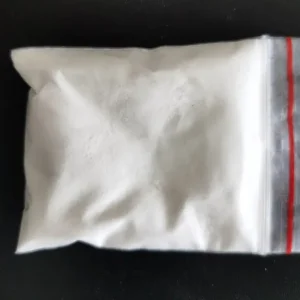
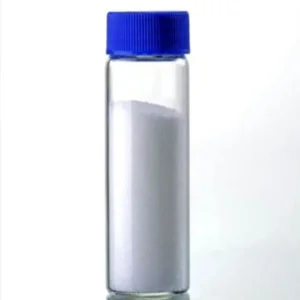
Direct Factory Procurement Solutions from China's Leading Chemical Manufacturer
An in-depth chemical evaluation of ε-Polylysine (CAS 28211-04-3), detailing structural polymer characteristics, antimicrobial mechanisms, and industrial purity standards from Chinese manufacturing hubs.
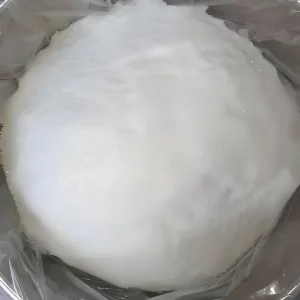
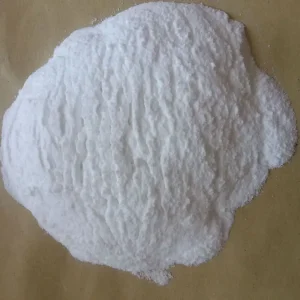
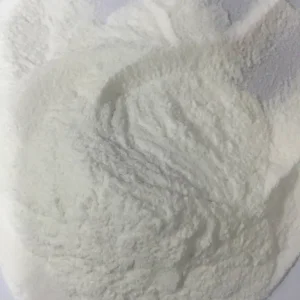
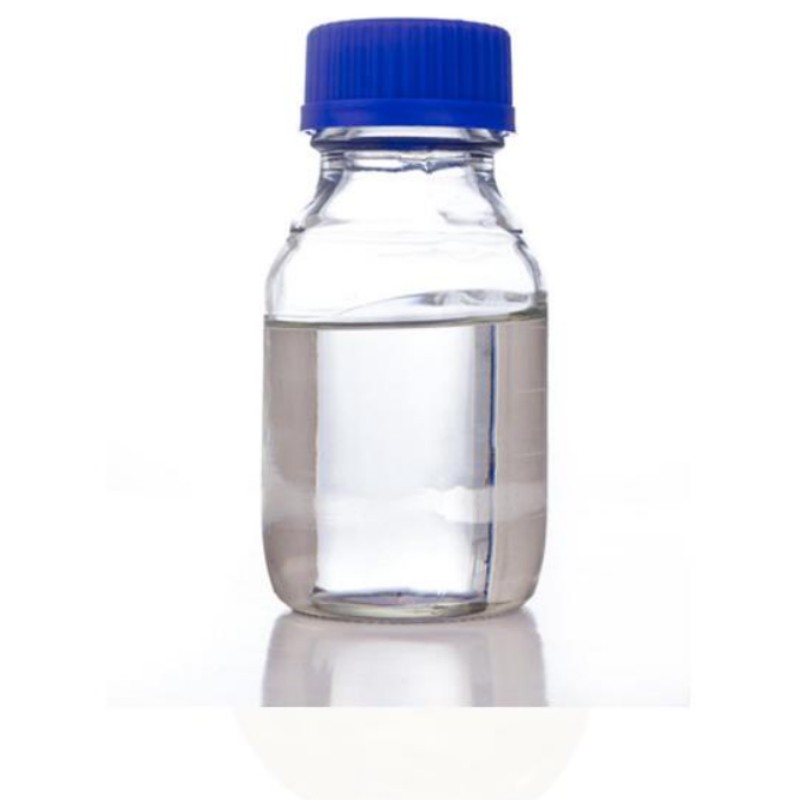
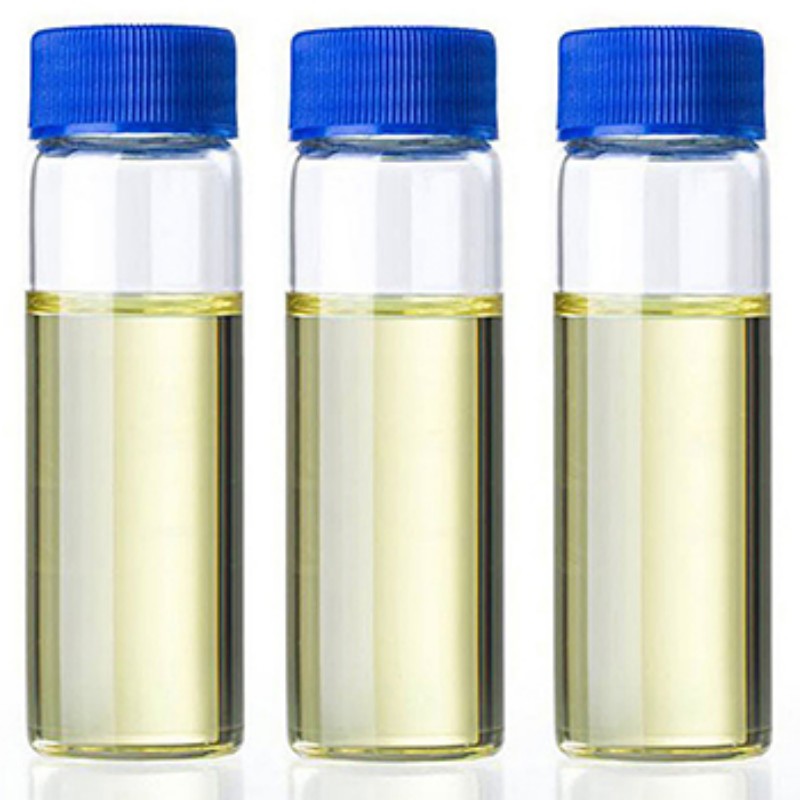
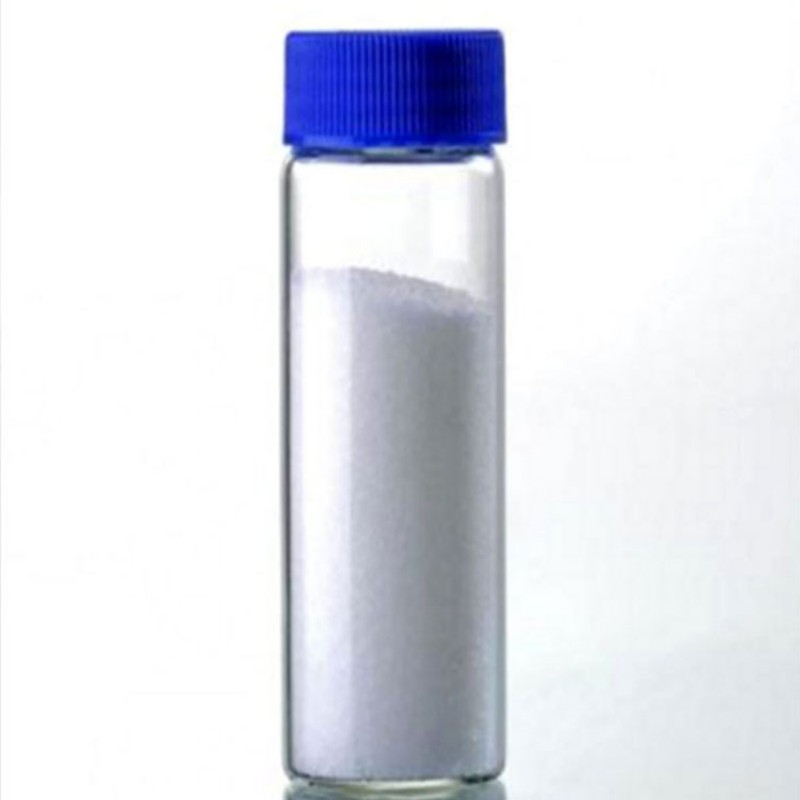
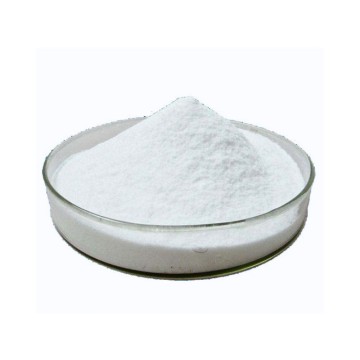
ε-Polylysine (CAS 28211-04-3) is a naturally derived, homopolymer of L-lysine connected by peptide bonds between the α-carboxyl and ε-amino groups. Typically synthesized via aerobic fermentation using Streptomyces albulus strains, the polymer characteristically consists of 25 to 35 L-lysine residues.
Unlike conventional broad-spectrum chemical preservatives, CAS 28211-04-3 operates through electro-static disruption. As a highly charged polycation, it adsorbs rapidly onto the negatively charged outer membranes of microorganisms.
This physical mode of action exhibits broad-spectrum inhibition against Gram-positive bacteria, Gram-negative bacteria, yeasts, and molds.
| Target Microorganism | Microbial Classification | MIC Value (ppm / μg/mL) | Industrial Relevance |
|---|---|---|---|
| Escherichia coli | Gram-Negative Bacteria | 1.5 - 5.0 | Food Safety & Water Systems |
| Staphylococcus aureus | Gram-Positive Bacteria | 1.0 - 4.0 | Personal Care & Topical Formulations |
| Bacillus subtilis | Spore-Forming Bacteria | 2.0 - 8.0 | Thermal-Processed Foods |
| Pseudomonas aeruginosa | Gram-Negative Opportunist | 5.0 - 10.0 | Cosmetics & Ophthalmic Solutions |
| Saccharomyces cerevisiae | Yeast | 12.5 - 25.0 | Beverage Preservation & Fermentation Control |
| Aspergillus niger | Filamentous Mold | 15.0 - 50.0 | Industrial Coating & Surface Protection |
Why global life-science, food technology, and industrial chemical enterprises source CAS 28211-04-3 directly from specialized Chinese manufacturing hubs like JIMPOCHEM.
Located in the Jinan Chemical Industry Park, Shandong Province, Chinese factories leverage immediate access to starch hydrolysates, glucose feeds, and specialized nitrogen sources. This geographic clustering lowers raw material logistics costs by up to 25% compared to European or American counterpart producers.
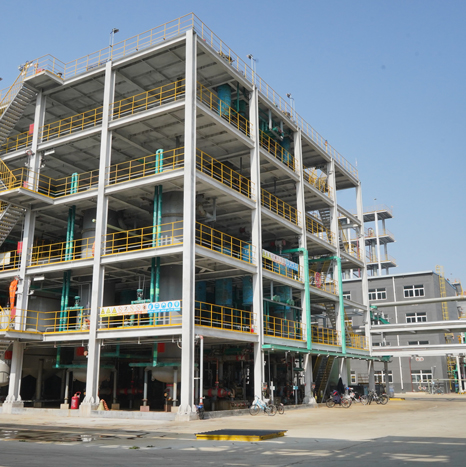
Modern Chinese manufacturing facilities utilize automated multi-stage bioreactors equipped with real-time digital monitoring for pH, dissolved oxygen (DO), and metabolic substrate feeding. This precise control guarantees consistent polymer molecular weight distribution across 50-ton fermentation batches.
Every single batch of CAS 28211-04-3 produced undergoes rigorous analytical verification including HPLC purity testing, ash content analysis, and heavy metal screening. Batch-specific Certificates of Analysis (COA) guarantee seamless compliance for international buyers.
Discover how CAS 28211-04-3 is formulated across diverse industrial verticals globally to substitute toxic chemical biocides with bio-based solutions.
Extensively applied in cooked rice, seafood, meat products, and fruit juices. Replaces artificial preservatives like sodium benzoate and potassium sorbate while maintaining organoleptic quality without altering flavor profiles.
Incorporated into creams, serums, and facial cleansers. Acts as a multifunctional booster that reduces the required concentration of conventional cosmetics preservatives while delivering skin-conditioning and moisture-retention properties.
Utilized in hydrogel matrix formulations, gene therapy carriers, and medical device surface coatings. Prevents bacterial biofilm formation on catheter surfaces and wound dressing substrates.
Formulated into premium non-irritating toothpastes, mouthwashes, and alcohol-free surface disinfecting wipes to provide long-lasting bacterial suppression against oral pathogen strains.
Employed as a natural agricultural biopesticide spray to protect fruit crops and post-harvest produce against gray mold (Botrytis cinerea) and soft rot without chemical residue risks.
Integrated into water-borne architectural paints, specialty industrial coatings, and paper packaging to prevent fungal colonization and bio-degradation under humid conditions.
Strategic technological developments driving the next generation of biopolymer manufacturing in China.
Chinese bioprocess research institutes are utilizing CRISPR-Cas9 genome editing on Streptomyces albulus strains to overexpress key enzymatic pathways (ε-poly-L-lysine synthetase, Pls). Expected outcomes by 2026 include a 35% increase in fermentation yield per batch and reduced metabolic byproduct formation.
Future commercial developments focus on pre-blended synergistic complexes combining CAS 28211-04-3 with Nisin, Natamycin, and Chitosan Oligosaccharides. These custom formulations lower effective dosage thresholds by up to 50% while broadening antimicrobial efficacy against extreme spore-formers.
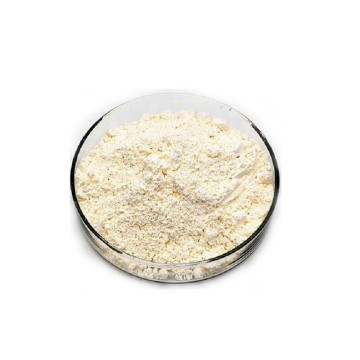
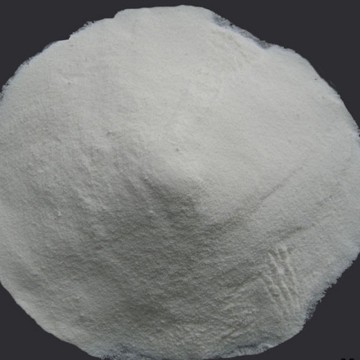
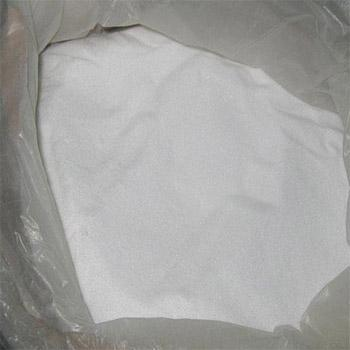
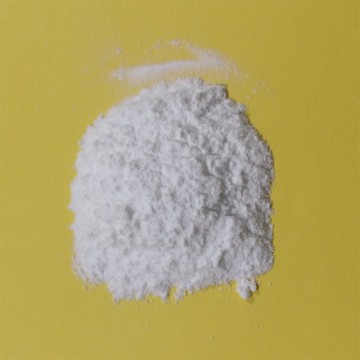
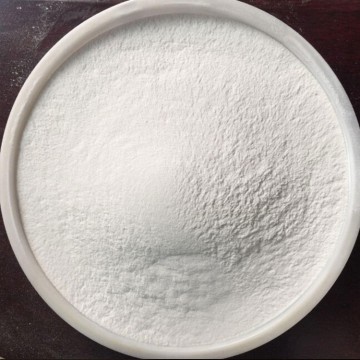
Traditional ion-exchange resin separation is being superseded by ultrafiltration membrane cascades coupled with electrodialysis. This green processing technique reduces operational wastewater by 40% and yields high-grade CAS 28211-04-3 with pure white color and zero bitter peptide aftertaste.
Developing micro-encapsulated ε-polylysine active release systems for controlled delivery in food active packaging films. This extends shelf-life under variable temperature stress during cross-border cold chain transport.
Designated Chemical Service Provider | Quality Leads The Future
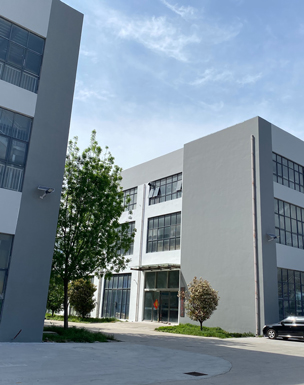
JIMPOCHEM CO., LTD was established in 2010 and is headquartered in the Chemical Industry Park of Jinan City, Shandong Province. The company covers an area of over 500 acres and is a professional chemical raw material manufacturer that integrates research and development, production, sales, and technical services.
Our core focus is on high-end fine chemicals, cosmetic raw materials, organic intermediates, and food additives. We have obtained multiple product-related certifications, including ISO quality system certification and environmental management system certification, and are committed to providing high-quality chemical products and one-stop procurement service solutions to global customers.
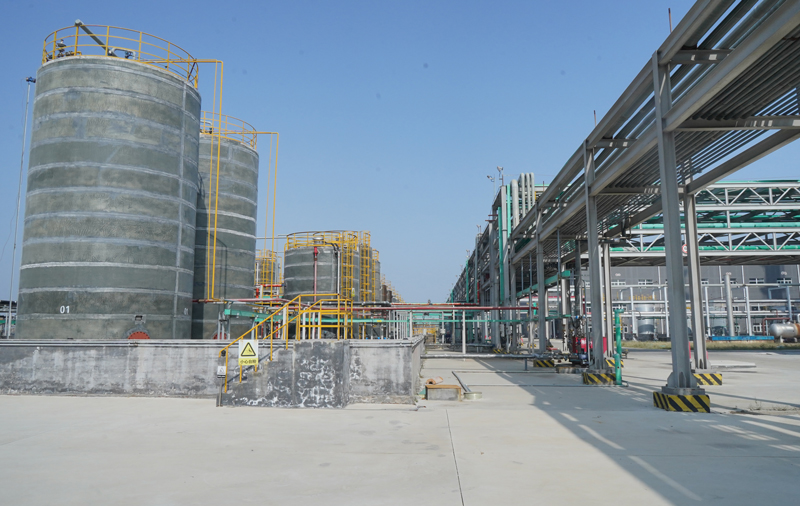
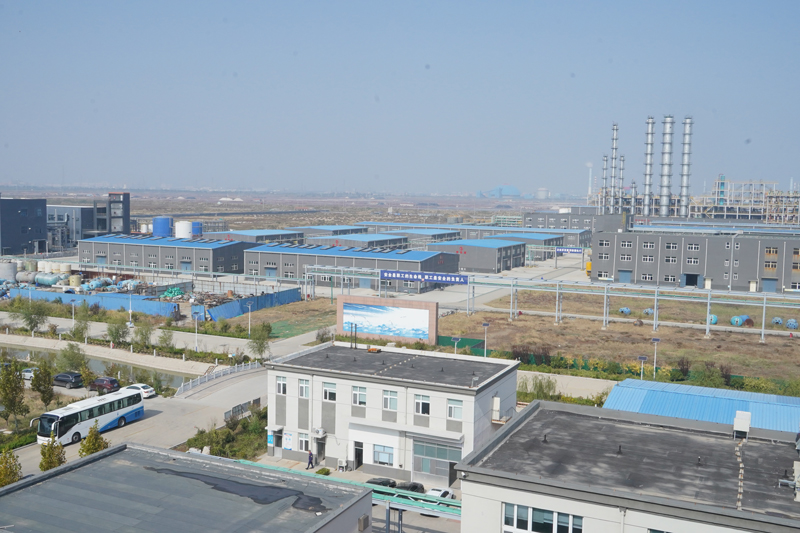
Partnered with top global raw material suppliers to balance large-scale automated digital production with flexible batch customization.
End-to-end QC system from raw material warehousing, real-time batch monitoring, to full-item finished product testing with digital batch traceability.
Adhering to dual-carbon eco-goals with zero-emission waste gas/water recycling systems and eco-certified green chemical lines.
JIMPOCHEM delivers integrated "R&D - Production - Application - Service" solutions across key chemical industries.
Cosmetics, active skin brighteners, perfume fixatives, facial cleansers, hand sanitizers, body washes, toothpastes, and eco-detergents.
Active Pharmaceutical Ingredients (API), pharmaceutical excipients, synthetic intermediates, reaction solvents, catalysts, and medical anesthesia grade materials.
Specialty packaging polymers, automotive resin components, tire manufacturing additives, industrial seals, and elastomers.
Architectural protective coatings, decorative finishes, heavy-duty industrial coatings, high-resolution printing inks, and electronic inks.
Natural bio-preservatives, organic acidulants, natural colorants, nutritional fortification agents, and livestock feed antioxidants.
Semiconductor cleaning reagents, printed circuit board (PCB) chemicals, display materials, lithium battery electrolyte additives.
Explore our factory-direct product lines for high-purity chemical manufacturing
Navigating international regulatory approvals seamlessly with Jimpochem's dedicated documentation and regional compliance protocols.
ε-Polylysine (CAS 28211-04-3) is recognized as Generally Recognized as Safe (GRAS Notice No. GRN 000098 & GRN 000135) by the US FDA for direct food application in rice, poultry, and cooked meats.
Full technical dossiers available to support REACH registration and EFSA novelty assessments for biopolymer active preservation in cosmetics and specialty technical applications.
Manufactured under strict ISO 9001:2015 Quality Management and ISO 14001:2015 Environmental Systems. Certified Kosher Pareve and Halal for global food distribution.
Expert answers to technical procurement, formulation, and chemical handling queries regarding CAS 28211-04-3.
Direct Factory Procurement for Fine Chemical Raw Materials
 JIMPOCHEM