Direct Factory Supply from Premier Chemical Manufacturers & Engineering Solution Providers
Calcium Acetylacetonate (CAS No. 19372-44-2), commonly abbreviated as Ca-AcAc, is a crucial organometallic chelate compound that has transformed modern polymer stabilization and catalytic synthesis. As global environmental regulations—such as EU REACH, RoHS, and the U.S. EPA TSCA guidelines—progressively ban lead-, cadmium-, and organotin-based heat stabilizers in Polyvinyl Chloride (PVC) processing, the demand for non-toxic, eco-friendly metal acetylacetonates has surged exponentially.
Established in 2010 in the Chemical Industry Park of Jinan City, Shandong Province, JIMPOCHEM CO., LTD operates across a state-of-the-art facility spanning over 500 acres. As a flagship Chinese manufacturer and designated chemical service provider, JIMPOCHEM integrates advanced R&D, automated digital synthesis, and strict quality control to deliver high-purity Calcium Acetylacetonate, Dibenzoylmethane (DBM), and associated auxiliary additives to over 5,000 corporate clients across 200 countries worldwide.
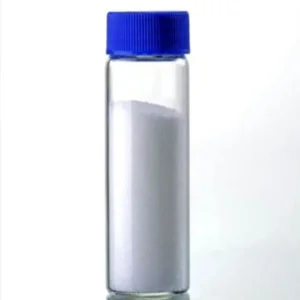
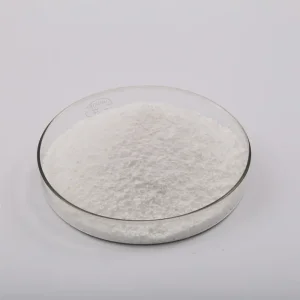
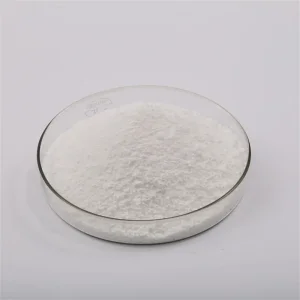
Calcium Acetylacetonate is a white or slightly yellowish crystalline powder with structural formula Ca(C5H7O2)2. The central calcium cation forms a stable coordination complex with two acetylacetonate ligands via oxygen donor atoms. This chelated structure provides high thermal decomposition thresholds (exceeding 280°C) and excellent solubility in organic solvents and polymer melts compared to traditional inorganic calcium salts.
| Technical Parameter | Standard Industrial Grade | High-Purity Polymer/Catalyst Grade | Analytical Test Method |
|---|---|---|---|
| Appearance | White to Off-White Powder | Ultra-White Crystalline Powder | Visual Inspection |
| CAS Registry Number | 19372-44-2 | 19372-44-2 | CAS Index Identification |
| Chemical Purity (Assay) | ≥ 98.5% | ≥ 99.5% | Complexometric Titration / HPLC |
| Calcium (Ca) Content | 16.2% – 17.2% | 16.6% – 17.0% | Atomic Absorption (AAS) / ICP-OES |
| Free Acetylacetone (AcAc) | ≤ 0.5% | ≤ 0.1% | Gas Chromatography (GC) |
| Loss on Drying (105°C) | ≤ 1.5% | ≤ 0.5% | Gravimetric Thermal Analysis |
| Decomposition Temp. | > 275°C | > 285°C | TGA / DSC Spectrum Analysis |
| Particle Size (D50) | 10 – 15 µm | 3 – 5 µm (Micronized) | Laser Diffraction Particle Analyzer |
Selecting the correct thermal stabilization system is a critical engineering decision for polymer compounders, pipe extruders, and cable manufacturers. Below is a comparative synthesis evaluated under rigorous operational parameters:
Toxicity: Completely non-toxic, REACH registered, safe for food contact and medical applications.
Performance: Exceptional initial color retention, excellent long-term heat stability, zero heavy metal precipitation.
Environmental Impact: Fully biodegradable organic ligand residues, minimal eco-toxicity.
Toxicity: Highly toxic bioaccumulative heavy metals. Banned in EU, North America, and major global markets.
Performance: Good long-term thermal stability, but causes sulfide staining and toxic dust hazards during mixing.
Environmental Impact: Severe soil and groundwater contamination hazards.
Toxicity: Variable; mercatide organotins present pungent odors and regulatory restrictions in domestic use.
Performance: High transparency, high efficiency, but high unit chemical procurement costs.
Environmental Impact: Aquatic toxicity concerns and specialized hazardous waste management requirements.
During PVC thermal processing (180°C – 210°C), thermal degradation initiates via dehydrochlorination—the loss of HCl gas from allyl chloride structures along the polymer backbone. This creates conjugated polyene sequences that cause discoloration (turning from white to yellow, orange, and ultimate black degradation) and severe embrittlement.
Ca-AcAc Mechanism: Calcium Acetylacetonate acts as an active HCl scavenger while exchanging acetylacetonate ligands with active chlorine atoms on the PVC chain. When combined with Zinc Acetylacetonate and Dibenzoylmethane (DBM), Ca-AcAc neutralizes the zinc chloride (ZnCl2) byproduct—a strong Lewis acid that normally accelerates catastrophic "zinc burning"—thereby extending the thermal processing window by over 40%.
Beyond PVC, Calcium Acetylacetonate serves as a high-efficiency catalyst and curing agent in thermosetting resin chemistry:
Automotive interiors demand low volatile organic compound (VOC) emissions and minimal fogging. High-purity Ca-AcAc manufactured by JIMPOCHEM undergoes a specialized deodorization and flash-drying process, ensuring free acetylacetone levels remain strictly under 0.1%, effectively supporting OEM low-VOC vehicle cabin mandates.
Operating from Jinan City's national chemical park, JIMPOCHEM CO., LTD enforces an end-to-end quality assurance program across all 500+ acres of its production facility. Every batch of Calcium Acetylacetonate is manufactured under ISO 9001:2015 Quality Management Systems and ISO 14001:2015 Environmental Management Systems.
Every shipment is assigned a digital QR batch ID tracking raw material sourcing, reaction kinetics data, AAS purity analysis, and logistics history.
Complete compliance with EU REACH registration, RoHS 3.0, China GB standards, and U.S. FDA indirect food additive contact compliance.
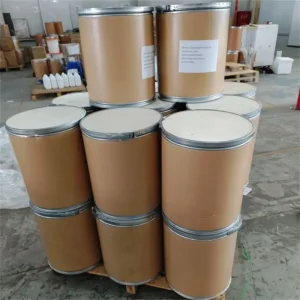
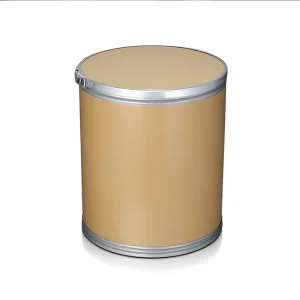
Flexible packaging options: 25kg moisture-proof kraft bags with PE liners, 500kg jumbo super-sacks, or nitrogen-sealed fiber drums.
As polymer processing advances toward higher thermal stability, lower energetic footprint, and bio-based feedstock integration, JIMPOCHEM’s R&D division in Jinan is focusing on three key technology frontiers:
1. Ultra-Fine Micronized & Nano-Dispersed Ca-AcAc: Developing sub-micron particle sizes (D50 < 2 µm) via continuous supercritical precipitation to maximize surface activity, reduce dosage requirements by 30%, and achieve optical clarity in transparent PVC films.
2. Zero-VOC Liquid Ca/Zn Chelate Systems: Synthesizing low-viscosity, solvent-free liquid acetylacetonate complexes tailored for automated dosing in high-speed PVC pipe and profile extrusion lines.
3. Bio-Based Synergistic Additive Combinations: Integrating calcium acetylacetonate with bio-derivedepoxidized soybean oil (ESO) and modified plant-derived β-diketones to create 100% bio-based heat stabilizer packages.
Typically, Ca-AcAc is added at 0.2 to 0.8 phr (parts per hundred resin) when combined with Zinc Acetylacetonate (0.1 to 0.4 phr) and Dibenzoylmethane (0.1 to 0.3 phr). In rigid PVC profiles, a typical loading of 0.35 phr Ca-AcAc provides excellent initial color and long-term dynamic thermal stability during prolonged extrusion.
While Calcium Stearate acts mainly as a lubricant with modest acid-scavenging properties, Calcium Acetylacetonate provides strong chelating capability, directly substituting reactive chlorine sites on the polymer chain and complexing with zinc ions. This prevents early-stage yellowing far more effectively than Calcium Stearate alone.
Ca-AcAc should be stored in cool, dry, well-ventilated warehouses away from direct sunlight, moisture, and strong oxidizing agents. Sealed in its original polyethylene-lined packaging, JIMPOCHEM Calcium Acetylacetonate retains a guaranteed shelf life of 24 months from the date of manufacture.
Every shipment from JIMPOCHEM includes a comprehensive Certificate of Analysis (COA) specifying purity (HPLC), metal content (AAS), moisture content, and particle size distribution. SDS (Safety Data Sheets) in multiple languages and REACH compliance statements are provided upon request.
Reliable Chemical Ingredients & Raw Materials from JIMPOCHEM CO., LTD
 JIMPOCHEM