China Azelaic And Tranexamic Acid Manufacturers & Supplier

Global Industrial White Paper on High-Purity Dicarboxylic & Antifibrinolytic Actives, Smart Supply Chains & OEM/ODM Synergies

Featured High-Purity Active Ingredients & Fine Chemicals

Direct factory sourcing from premier China manufacturing lines with strict quality controls and full batch traceability.

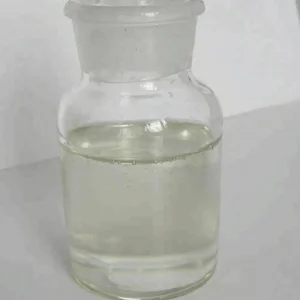
China Methyl Perfluoroisobutyl Ether HFE-7100 CAS 163702-08-7

China Methyl Perfluoroisobutyl Ether HFE-7100 CAS 163702-08-7

View Details & Procurement
China Kojic Acid Dipalmitate CAS 79725-98-7

China Kojic Acid Dipalmitate CAS 79725-98-7 White Crystals

View Details & Procurement
Buy D-Mannose CAS 3458-28-4

Buy High-Purity D-Mannose CAS 3458-28-4 Manufacturer

View Details & Procurement
Magnesium Myristate CAS 4086-70-8

Buy Magnesium Myristate CAS 4086-70-8 Premium Quality

View Details & Procurement
Hydroxyapatite CAS 1306-06-5

Buy Hydroxyapatite CAS 1306-06-5 White Powder

View Details & Procurement
2,5-Furandicarboxylic Acid FDCA CAS 3238-40-2

Buy 2,5-Furandicarboxylic Acid (FDCA) CAS 3238-40-2

View Details & Procurement
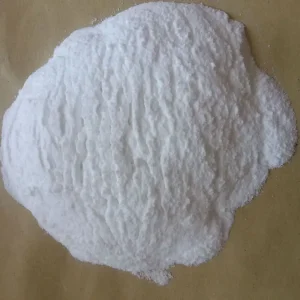
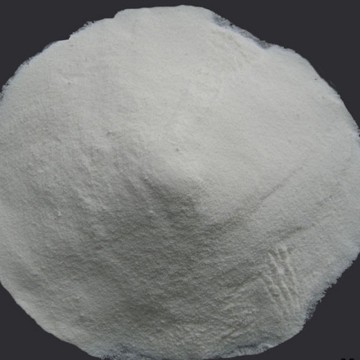
China Tranexamic Acid CAS 1197-18-8

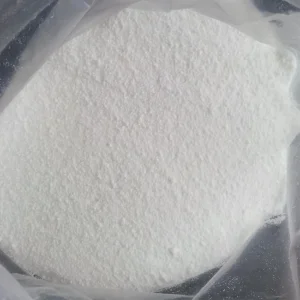
China Tranexamic Acid CAS 1197-18-8 Crystalline Powder

View Details & Procurement
China Ethyl Nonafluorobutyl Ether HFE-7200

China Ethyl Nonafluorobutyl Ether (HFE-7200) CAS 163702-05-4

View Details & Procurement
16+
Years Industry Expertise
500+
Acres Production Base
200+
Countries & Regions
5000+
Global B2B Clients

Section 1: Molecular Synergy of Azelaic Acid & Tranexamic Acid

Technical evaluation of biophysical pathways, enzymatic inhibition, and chemical synthesis innovation in Chinese chemical manufacturing centers.

Azelaic Acid (CAS 123-99-9): Dicarboxylic Acid Mechanisms

Azelaic Acid is a naturally occurring saturated nine-carbon dicarboxylic acid $\text{HOOC(CH}_2\text{)}_7\text{COOH}$. In industrial synthesis, top-tier Chinese manufacturers utilize eco-friendly ozonolysis or catalytic oxidation of oleic acid to produce pharmaceutical-grade ultra-pure powder ($>99.5\%$).

Biophysical Pathway: Azelaic Acid selectively acts on hyperactive melanocytes by competitively inhibiting tyrosinase and mitochondrial oxidoreductase enzymes. Furthermore, its anti-inflammatory mechanism stems from scavenging free radicals (hydroxyl radicals and superoxide) and reducing 5-alpha reductase activity, preventing keratinocytes from hyper-follicular cornification.

  • Competitive Tyrosinase Inhibition: Reduces abnormal melanin synthesis without affecting normal pigmentation.
  • Anti-Comedogenic & Antibacterial: Suppresses *Cutibacterium acnes* protein synthesis.
  • Micronization Standard: $D_{90} < 10\mu\text{m}$ for high bioavailability in skin formulations.

Tranexamic Acid (CAS 1197-18-8): Antifibrinolytic Pigment Blockade

Tranexamic Acid (trans-4-aminomethylcyclohexanecarboxylic acid) represents a breakthrough synthetic amino acid derivative. Manufactured via rigorous stereospecific crystallization in automated China facility complexes, it delivers consistent trans-isomer purity exceeding 99.0% with ultra-low residual solvents.

Biophysical Pathway: Unlike traditional exfoliant acids, Tranexamic Acid functions as a reversible competitive inhibitor of plasminogen activation. By blocking the binding of plasminogen to keratinocytes, it decreases intracellular free arachidonic acid and prostaglandin $\text{E}_2$ ($\text{PGE}_2$) levels, thereby halting melanocyte-stimulating hormone ($\alpha\text{-MSH}$) cascades.

  • Plasmin-Mediated Pathway Interruption: Prevents UV-induced melanocyte activation.
  • Vascular Stabilization: Minimizes erythema and capillary dilation in damaged skin barriers.
  • High Thermal & pH Stability: Remains robust across pH 3.0 to 8.0 without oxidation.
Chemical Active CAS Number Molecular Formula Primary Industrial Grade Standard HPLC Purity Key Synergistic Function
Azelaic Acid 123-99-9 $\text{C}_9\text{H}_{16}\text{O}_4$ Pharma & Cosmetic Grade $\ge 99.5\%$ Tyrosinase & 5-$\alpha$ Reductase Inhibition, Acne Control
Tranexamic Acid 1197-18-8 $\text{C}_8\text{H}_{15}\text{NO}_2$ USP / EP / Cosmetic Grade $\ge 99.0\%$ Plasminogen Blockade, Melasma & Erythema Suppression
Kojic Acid Dipalmitate 79725-98-7 $\text{C}_{38}\text{H}_{66}\text{O}_6$ Oil-Soluble Cosmetic Grade $\ge 98.0\%$ Lipophilic Tyrosinase Deactivation & Storage Stability
N-Acetyl-D-Glucosamine 7512-17-6 $\text{C}_8\text{H}_{15}\text{NO}_6$ Bio-Fermentation Grade $\ge 99.0\%$ Tyrosinase Glycosylation Interruption & Hydration

Section 2: Global Industrial Trends & Strategic Procurement Demand

Navigating regulatory shifts, global cosmeceutical demands, and supply chain strategies for international contract manufacturers.

1. Multi-Target Cosmeceutical Shift

Modern global skincare consumers have moved away from single-ingredient, harsh chemical treatments toward dual-action, non-irritating active complexes. Combining Azelaic Acid (targeting active inflammation and follicular hyperkeratosis) with Tranexamic Acid (preventing post-inflammatory hyperpigmentation - PIH) is now the benchmark formulation architecture across North America, Europe, and Asia-Pacific.

2. Strict Global Regulatory Compliance

With tighter regulations enforced by the European Union SCCS, U.S. FDA MoCRA, and China NMPA, chemical buyers require standardized technical dossiers. Chinese suppliers lead in providing comprehensive REACH Registrations, ISO 9001/14001 certifications, GMP compliance, Heavy Metal (< 5 ppm) tracking, and Impurity Profiling.

3. Cost Rationalization & Bulk Availability

Fluctuations in raw chemical precursor availability make single-region sourcing risky. China's integrated oleochemical and pharmaceutical parks provide uninterrupted access to basic precursors like C9 dicarboxylic building blocks and cyclohexanecarboxylic acids, safeguarding global buyers against price spikes and supply disruptions.

Section 3: China Factory 4.0 — Supply Chain Resilience & Smart Production

How intelligent continuous flow chemical manufacturing elevates purity, batch stability, and cost efficiencies.

Automated Continuous Synthesis

Traditional batch reaction tanks often lead to lot-to-lot color variation and uneven crystal sizes. China's Industry 4.0 smart chemical plants utilize micro-channel micro-reactor continuous flow chemistry. This allows precise microsecond control of temperature and stoichiometric ratios, guaranteeing identical purity vectors across metric-ton output batches.

Green Catalytic Technology

In response to dual-carbon mandates, major Chinese manufacturers have replaced aggressive chromic acid or potassium permanganate oxidation protocols with eco-efficient catalytic peroxide processes. This results in ultra-low carbon footprints, zero hazardous wastewater runoff, and bio-based certification options for premium buyers.

Full-Cycle Batch Traceability

Every single drum exported from certified facilities is tagged with unique digital batch tracking IDs. Purchasing teams can instantly access complete Certificate of Analysis (CoA), gas chromatography (GC) spectrum reports, liquid chromatography (HPLC) curves, and logistics status via streamlined customer portals.

Section 4: Technical Formulation Engineering & Localized Scenarios

Solving solubilization challenges, crystallization prevention, and vehicle optimization in modern chemical manufacturing.

Formulating with Azelaic Acid (Solubility Solutions)

Azelaic Acid presents high melting point ($106.5^\circ\text{C}$) and low water/oil solubility. Formulators frequently encounter gritty textures or recrystallization. China R&D suppliers advocate for the following processing enhancements:

  • Ethoxydiglycol & Polyols solubilization: Incorporating 10-15% Ethoxydiglycol or Propanediol prevents thermal precipitation during phase cooling.
  • Polymer Suspensions: Utilizing Polyacrylate Crosspolymer-6 creates stable suspensions of micronized Azelaic Acid ($D_{50} < 5\mu\text{m}$) without requiring total dissolution.
  • Optimal pH Buffer: Maintaining formula pH between 4.0 and 4.9 guarantees ideal bioavailability while minimizing skin tingling.

Formulating with Tranexamic Acid (Stability & Delivery)

Tranexamic Acid is freely soluble in water but can cause destabilization when paired with certain cationic emulsifiers. To optimize formulation performance:

  • Aqueous Phase Integration: Dissolve Tranexamic Acid directly in the water phase at temperatures below $60^\circ\text{C}$.
  • N-Acetyl Glucosamine Synergy: Combining 2-3% Tranexamic Acid with 2% N-Acetyl-D-Glucosamine enhances epidermal brightness via complementary pathways.
  • pH Stability Window: Broad compatibility from pH 3.5 to 7.5; ideal compatibility with non-ionic and anionic polymer networks.

Company Profile: JIMPOCHEM CO., LTD

Designated Chemical Service Provider & Strategic Partner for High-End Fine Chemicals and Cosmetic Raw Materials.

About JIMPOCHEM

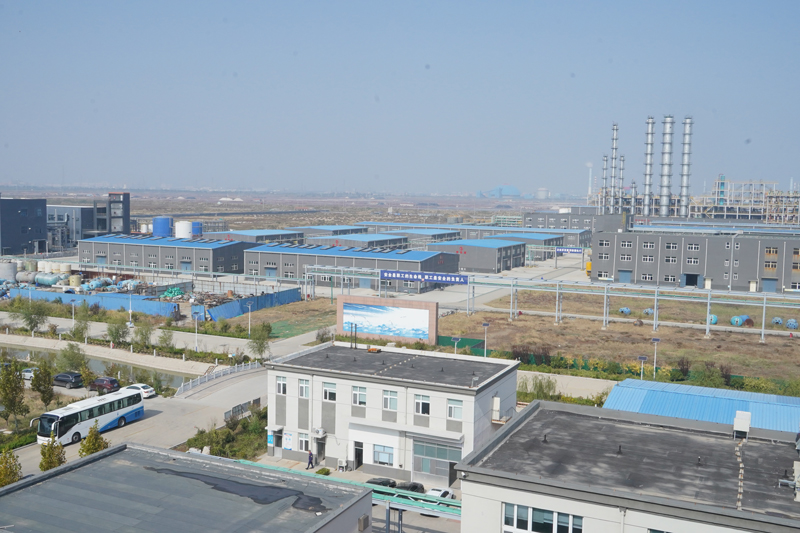
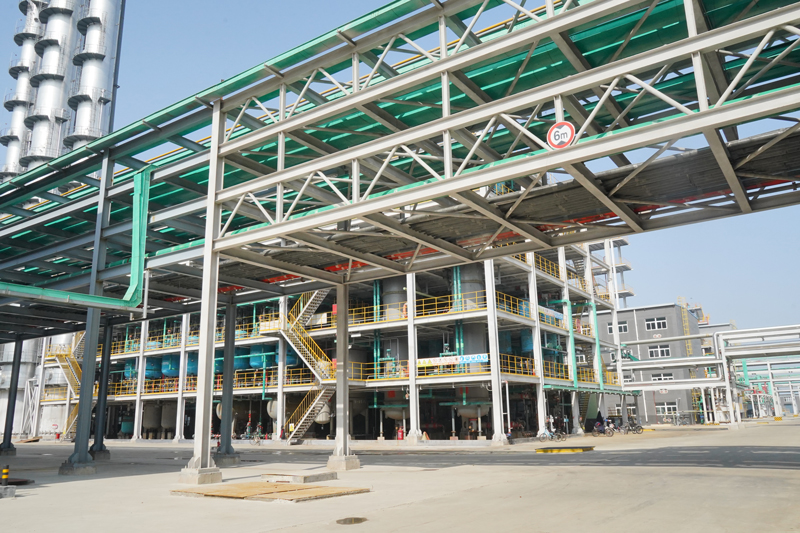
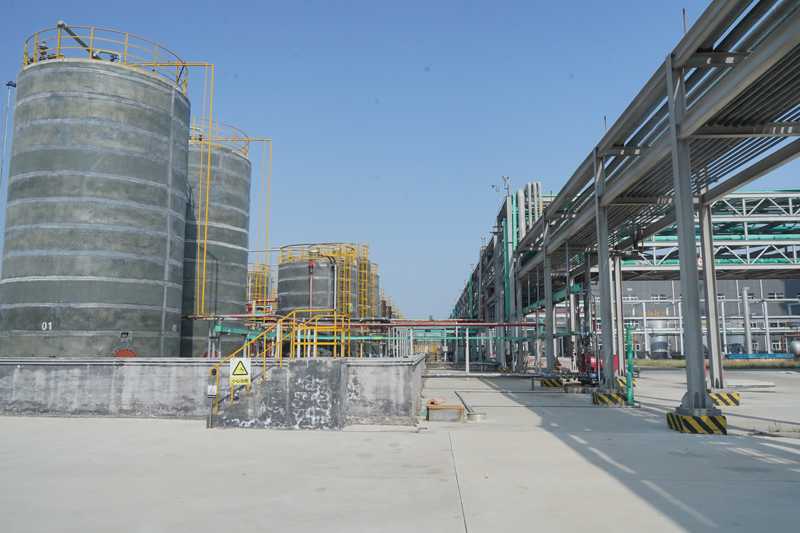
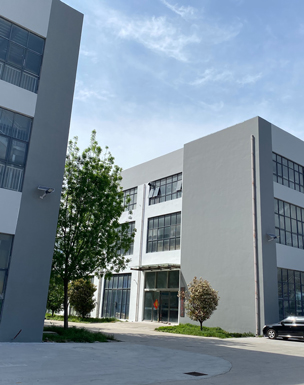
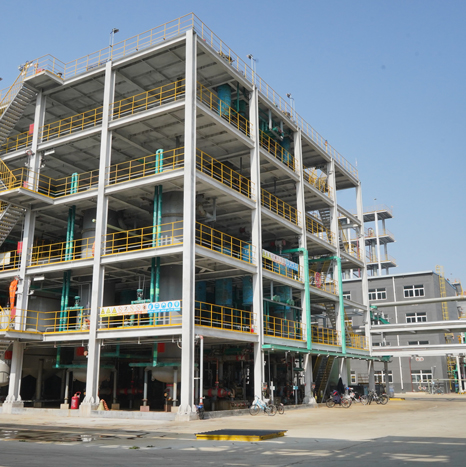
Established in 2010, JIMPOCHEM CO., LTD is headquartered in the Chemical Industry Park of Jinan City, Shandong Province. Covering an area of over 500 acres, we are a professional chemical raw material manufacturer integrating research and development, production, sales, and technical services.

Our core focus centres on high-end fine chemicals and cosmetic raw materials. With ISO quality system certification and environmental management system certification, we deliver one-stop procurement service solutions to global clients across more than 200 countries and regions in Europe, America, Southeast Asia, the Middle East, and Oceania.
Core Competitive Advantages

  • Supply Chain Advantage: Raw material procurement channels partnered with top chemical suppliers ensure ample stock and pricing leverage.
  • Quality Control Lifeline: Real-time monitoring, full-item inspection before shipment, and strict batch traceability systems.
  • Green & Environmental Commitment: Aligned with global "dual-carbon" strategies, adopting eco-friendly processes and pollutant resource recycling.
  • Customized Solutions: Dedicated one-on-one technical service, formulation adjustment, and custom synthesis support.

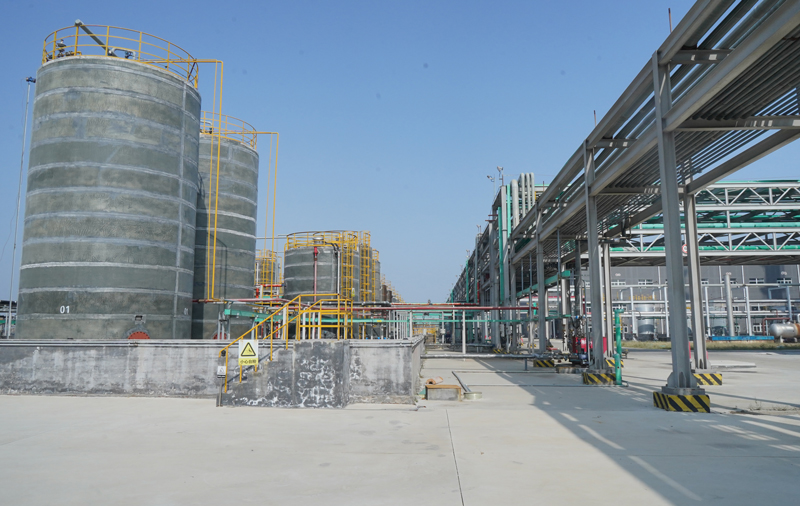
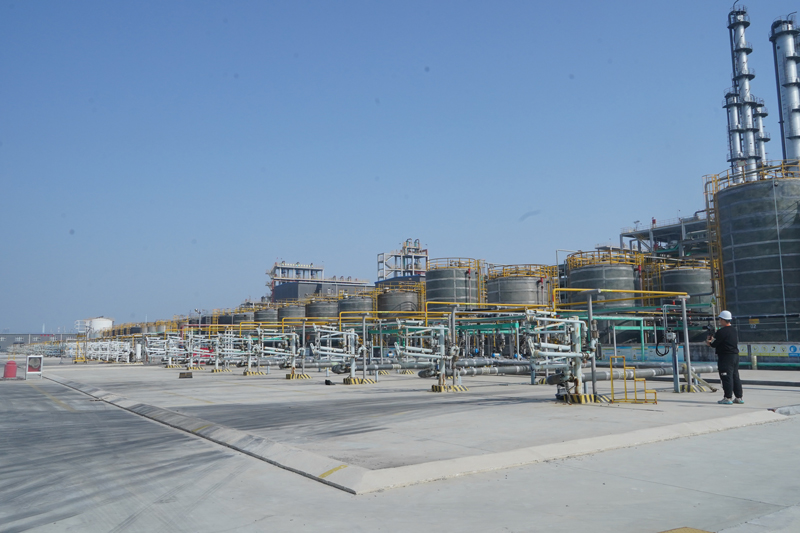
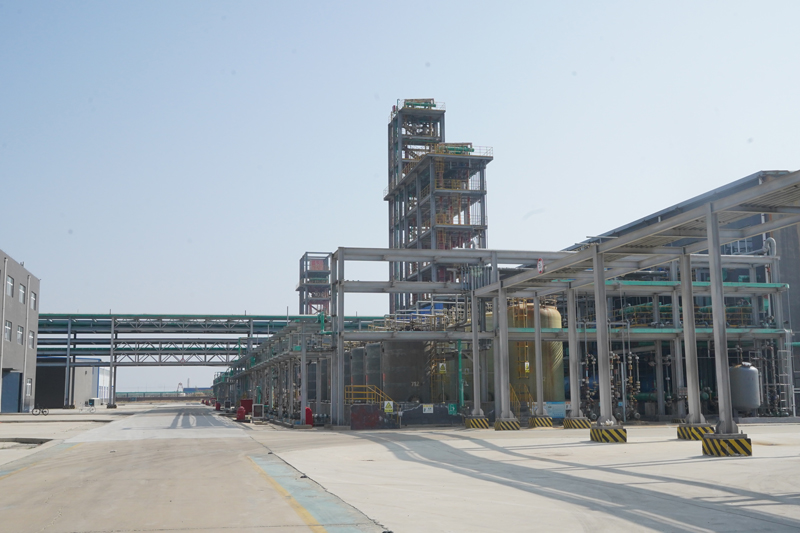
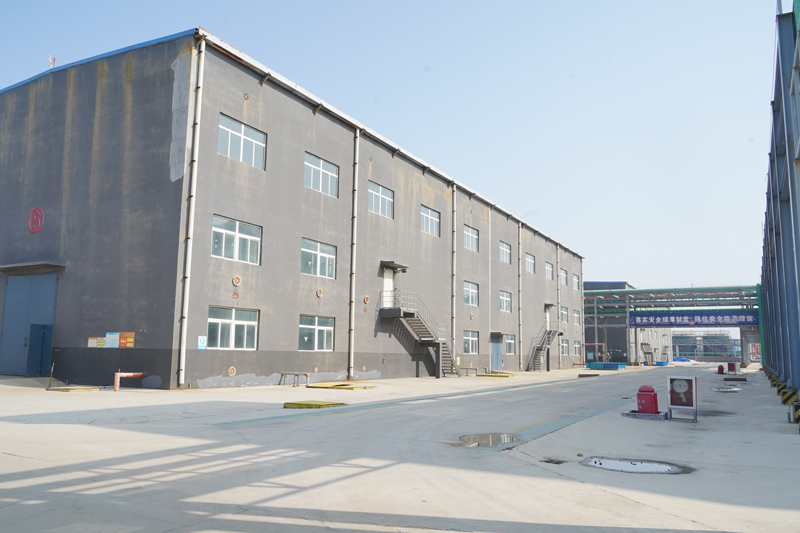
Factory Tour & Facility Infrastructure

Frequently Asked Procurement & Technical Questions (FAQ)

Authoritative technical guidance for raw material buyers, B2B procurement heads, and cosmetic chemists.

Q1: What are the standard specifications for pharmaceutical-grade Azelaic Acid from China suppliers?
Standard pharmaceutical/cosmetic grade Azelaic Acid (CAS 123-99-9) features an HPLC purity of $\ge 99.5\%$, a melting range of $105^\circ\text{C} - 108^\circ\text{C}$, heavy metal content under 5 ppm, and residual solvents compliant with ICH Q3C guidelines. Particle size distribution can be customized to micronized grades ($D_{90} < 10\mu\text{m}$) for improved dissolution and smooth feel in topical gels.
Q2: How does Tranexamic Acid prevent UV-induced hyperpigmentation?
Tranexamic Acid (CAS 1197-18-8) inhibits plasminogen binding to epidermal keratinocytes. UV radiation stimulates plasminogen activity, which releases free arachidonic acid and prostaglandins, signaling melanocytes to produce melanin. By blocking this cascade, Tranexamic Acid effectively suppresses melanogenesis at the cell signaling stage before tyrosinase over-activation occurs.
Q3: Can Azelaic Acid and Tranexamic Acid be combined in the same formulation?
Yes, they are highly synergistic. Azelaic Acid directly inhibits tyrosinase activity and manages sebum oxidation, while Tranexamic Acid mitigates inflammatory vascular signaling and plasmin activity. Maintaining the formula pH around 4.3 to 4.8 optimizes the stability and bioavailability of both active ingredients without causing phase separation or irritation.
Q4: What international regulatory support does JIMPOCHEM offer for global export?
JIMPOCHEM provides robust documentation packages including Certificate of Analysis (CoA), Safety Data Sheets (SDS) in multi-language GHS formats, Technical Data Sheets (TDS), Allergen Statements, Non-GMO Certifications, BSE/TSE-Free Certificates, ISO compliance certificates, and EU REACH registration data for seamless customs clearance in North America, Europe, and Asia-Pacific.
Q5: What are the standard lead times, packaging options, and MOQ for international bulk orders?
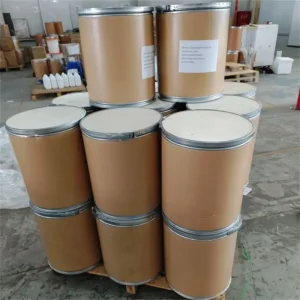
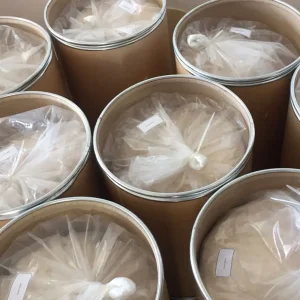
Standard Minimum Order Quantity (MOQ) for active raw materials is typically 1 kg for sample evaluation, with commercial production batches packed in 25 kg fiber drums with double inner PE liners. Lead times for standard stock items range from 3 to 7 business days, while custom micronization or synthesis requests are typically fulfilled within 14 to 21 days.

Comprehensive Product Portfolio & Sourcing Catalog

Explore our complete range of fluorinated compounds, specialty organics, functional cosmetic actives, and industrial reagents.
China Lithium Bis(trifluoromethanesulphonyl)imide LITFSI CAS 90076-65-6

China Lithium Bis(trifluoromethanesulphonyl)imide / LITFSI CAS 90076-65-6

View Details & Procurement
Buy Azelaic Acid CAS 123-99-9 Crystalline Powder

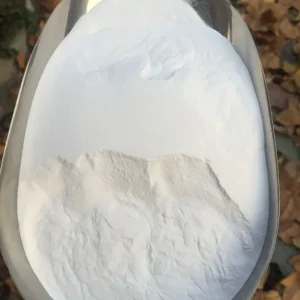
Buy Azelaic Acid CAS 123-99-9 Quality Crystalline Powder

View Details & Procurement
China Sodium lactate CAS 72-17-3

China Sodium lactate CAS 72-17-3 Manufacturer & Supplier

View Details & Procurement
China Sodium L-pyroglutamate CAS 28874-51-3

China Sodium L-pyroglutamate CAS 28874-51-3 Supplier

View Details & Procurement
China FDCA CAS 3238-40-2 Free Samples

China 2,5-Furandicarboxylic Acid (FDCA) CAS 3238-40-2

View Details & Procurement
Buy N-Acetyl-D-Glucosamine CAS 7512-17-6

Buy N-Acetyl-D-Glucosamine CAS 7512-17-6 Suppliers & Factory

View Details & Procurement
Buy Ammonium Thioglycolate CAS 5421-46-5

Buy Ammonium Thioglycolate CAS 5421-46-5 Quality Chemicals

View Details & Procurement
China N,N'-Bis(1-methylpropyl)-1,4-phenylenediamine CAS 101-96-2

China N,N'-Bis(1-methylpropyl)-1,4-phenylenediamine CAS 101-96-2

View Details & Procurement

Specialty Industrial Raw Material Portfolio

PPG-20 Methyl Glucose Ether CAS 61849-72-7

PPG-20 Methyl Glucose Ether CAS 61849-72-7

View Details
Lauryl Hydroxysultaine CAS 13197-76-7

Lauryl Hydroxysultaine CAS 13197-76-7

View Details
Bemotrizinol CAS 187393-00-6

Bemotrizinol CAS 187393-00-6

View Details
Polydeoxyribonucleotide PDRN CAS 100403-24-5

Polydeoxyribonucleotide (PDRN) CAS 100403-24-5

View Details
Sodium Phytate CAS 14306-25-3

Sodium Phytate CAS 14306-25-3

View Details
Zinc Pyrithione CAS 13463-41-7

Zinc Pyrithione CAS 13463-41-7

View Details
Polylysine CAS 28211-04-3

ε-Polylysine CAS 28211-04-3

View Details
Tetradecane CAS 629-59-4

Tetradecane CAS 629-59-4

View Details