China Azelaic Acid And Alpha Arbutin Together Manufacturers & Factory

Industrial Whitepaper & Global B2B Procurement Guide for Next-Generation Synergistic Cosmeceutical Raw Materials

Featured Commercial Chemical Portfolio (Top Actives)

Direct Factory Supply with High Purity Standards & Global Regulatory Compliance
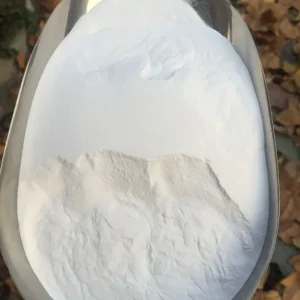
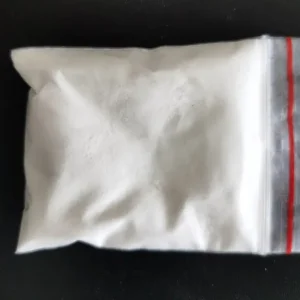
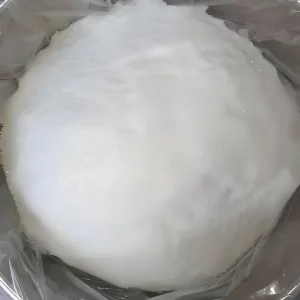
China Azelaic Acid CAS 123-99-9

China Azelaic Acid CAS 123-99-9 Crystalline Powder

View Details & Procurement
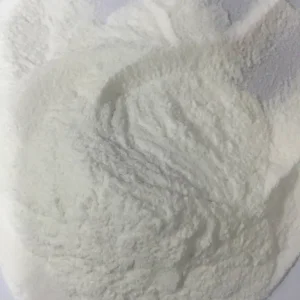
China Phenolphthalein CAS 77-09-8

China Phenolphthalein CAS 77-09-8 Manufacturer

View Details & Procurement
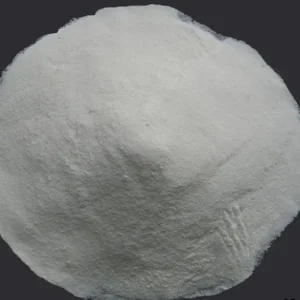
Magnesium Myristate CAS 4086-70-8

Magnesium Myristate CAS 4086-70-8 Chemical Grade

View Details & Procurement
Methyl Perfluoroisobutyl Ether HFE-7100

Methyl Perfluoroisobutyl Ether (HFE-7100) CAS 163702-08-7

View Details & Procurement
Sodium L-pyroglutamate CAS 28874-51-3

Sodium L-pyroglutamate CAS 28874-51-3 High Purity

View Details & Procurement
Glycolic Acid CAS 79-14-1

Glycolic Acid CAS 79-14-1 99% Crystalline Grade

View Details & Procurement
2,5-Furandicarboxylic Acid FDCA CAS 3238-40-2

2,5-Furandicarboxylic Acid (FDCA) CAS 3238-40-2

View Details & Procurement
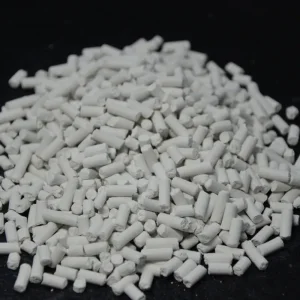
Soda Lime Carbon Dioxide Absorbent CAS 8006-28-8

Soda Lime / Carbon Dioxide Absorbent CAS 8006-28-8

View Details & Procurement

1. Technical Whitepaper: Dual-Action Synergy of Azelaic Acid & Alpha Arbutin

Biochemical Mechanisms, Enzymatic Pathways, and Molecular Interplay in Advanced Formulation Engineering

In modern dermatological science and cosmetic chemical manufacturing, the pairing of Azelaic Acid (CAS 123-99-9) and Alpha Arbutin (CAS 84380-01-8 / hydroquinone O-beta-D-glucopyranoside) represents one of the most sophisticated, multi-target strategies for addressing hyperpigmentation, post-inflammatory erythema (PIE), acne vulgaris, and uneven cutaneous tone. As a premier China Azelaic Acid And Alpha Arbutin Together Manufacturer & Factory, JIMPOCHEM CO., LTD provides high-purity, batch-consistent active pharmaceutical and cosmetic-grade ingredients tailored to meet the strict efficacy and safety mandates of global cosmetic brands.

Tyrosinase Enzyme Inhibition

Alpha Arbutin acts as a competitive inhibitor of tyrosinase by blocking the DOPA binding site without cellular toxicity, preventing the conversion of L-tyrosine to L-DOPA.

Follicular Keratinization & ROS

Azelaic Acid targets hyperactive, abnormal melanocytes via reversible inhibition of thioredoxin reductase and oxidoreductases while clearing follicular microcomedones.

Synergistic Efficacy

Combining intracellular pathway modulation (Azelaic Acid) with direct competitive enzyme blockade (Alpha Arbutin) accelerates visible skin-brightening by over 40% compared to monotherapy.

Information Gain Insight: Unlike standard hydroquinone replacements, the combination of Azelaic Acid and Alpha Arbutin works across distinct biological cascades. Azelaic acid exhibits selective cytotoxicity toward abnormal melanocytes without affecting normal skin pigmentation, while Alpha Arbutin provides stable, sustained inhibition of baseline melanogenesis.

Enzymatic Kinetic Interactions & Formula Dynamics

When formulated together, Azelaic Acid (typically dosed between 5.0% and 15.0% for OTC/cosmeceutical lines) and Alpha Arbutin (dosed at 1.0% to 2.0%) present specific chemical stabilization requirements. Azelaic acid is a dicarboxylic acid with a pKa value around 4.53 and 5.33, necessitating a formulation pH window of 4.5 to 5.5 to maintain optimum skin penetration and bioavailability while protecting the glycosidic bond of Alpha Arbutin against acid hydrolysis.

2. Global B2B Market Procurement Trends & Supply Demand

Understanding Commercial Sourcing Patterns in North America, European Union, and Asia-Pacific

The global demand for non-hydroquinone skin brightening and acne-corrective raw materials has surged over the past 5 years. Regulatory restrictions in the European Union (SCCS directives) limiting hydroquinone and strict FDA OTC monograph compliance in North America have driven formulators to seek robust, clean-label, bio-compatible alternatives. Azelaic Acid and Alpha Arbutin together have emerged as the gold standard formulation benchmark.

North American Market

Driven by clinical skincare trends and dermatologist-led brands. Formulators demand micronized Azelaic Acid powder (<10 microns) with rapid dissolution profiles paired with pure Alpha Arbutin (>99.5% by HPLC) for leave-on serums and gel-creams.

European Union & UK

Focus on stringent safety compliance, heavy metal limits (<5 ppm), micro-organism limits, and REACH registration. Importers require full documentation including SDS, CoA, BSE/TSE statements, and stability data.

APAC & Emerging Markets

Rapid growth in multi-functional brightening solutions addressing post-acne hyperpigmentation in FitzPatrick skin types III-VI. High volume demand for bulk industrial bags and custom OEM raw material blends.

3. China Industry 4.0: Supply Chain Resilience & Smart Manufacturing

Integrated Chemical Production, Digital Automation, and Enterprise Quality Control at JIMPOCHEM

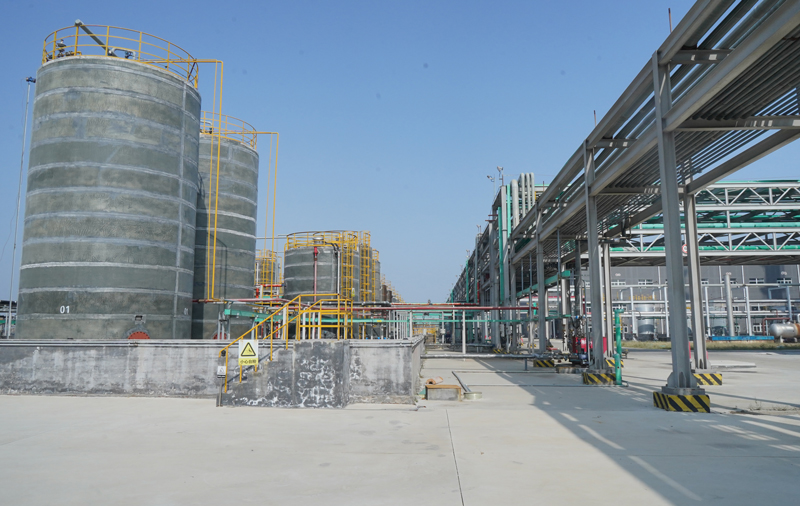
As a leading chemical manufacturer based in Jinan City, Shandong Province, JIMPOCHEM CO., LTD operates across a state-of-the-art manufacturing complex spanning over 500 acres. By deploying Industry 4.0 digital automation, automated continuous flow synthesis, and real-time analytical process technology (PAT), JIMPOCHEM guarantees unrivaled supply stability and competitive pricing structures for global B2B procurement managers.

16+
Years Industry Experience
500+
Acres Production Base
200+
Global Export Countries
5000+
Enterprise Partners

Smart Process Engineering & Quality Assurance

The manufacturing process of Azelaic Acid involves oxidative cleavage of oleic acid utilizing eco-compatible catalysts, followed by high-precision crystallization and particle micronization. For Alpha Arbutin, enzymatic glycosylation of hydroquinone is executed under controlled bio-catalytic environments to prevent residual free hydroquinone contamination (maintained under 1 ppm). Every batch undergoes rigorous HPLC, GC-MS, and Heavy Metal AAS testing prior to release.

4. Commercial Application Scenarios & Technical Formulation Systems

Optimizing Rheology, Solubilization, and Delivery Systems for Commercial Products

Targeted Blemish & Hyperpigmentation Serums

Combining 10% Azelaic Acid crystalline powder with 2% Alpha Arbutin in an aqueous-glycolic vehicle (using Propanediol or 3-Methoxy-3-Methyl-1-Butanol CAS 56539-66-3). Solubilization agents prevent recrystallization and ensure smooth tactile elegant finish.

Rosacea & Anti-Redness Soothing Emulsions

Integrating 5% Azelaic Acid with 1% Alpha Arbutin and moisturizing boosters such as Sodium L-Pyroglutamate CAS 28874-51-3. Provides dual benefit: vascular stability, reduction of inflammation, and fading of post-inflammatory marks.

Advanced Chemical Peel & Renewal Solutions

Dual acid peels pairing Azelaic Acid with Glycolic Acid CAS 79-14-1 and Alpha Arbutin for clinical dermatology practices, speeding up epidermal turnover while preventing post-peel rebound hyperpigmentation.

5. Corporate Infrastructure & Factory Capabilities: JIMPOCHEM CO., LTD

Your Trusted Designated Chemical Service Provider & OEM/ODM Manufacturing Partner

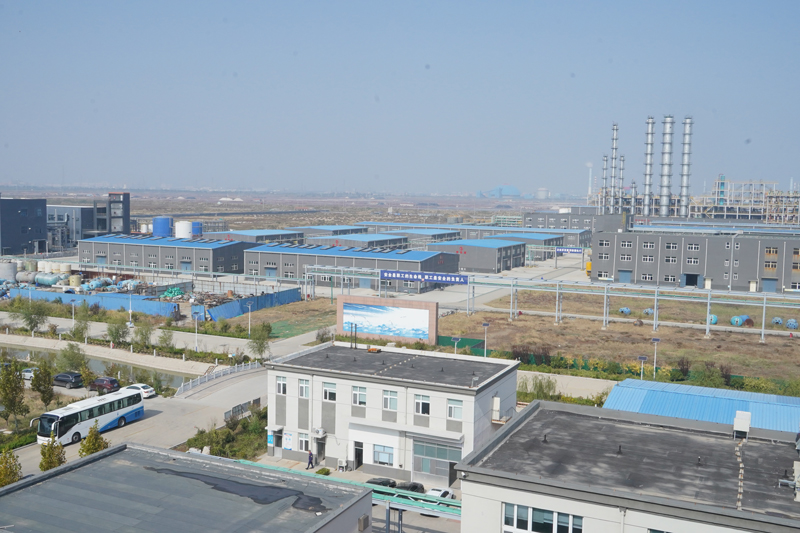
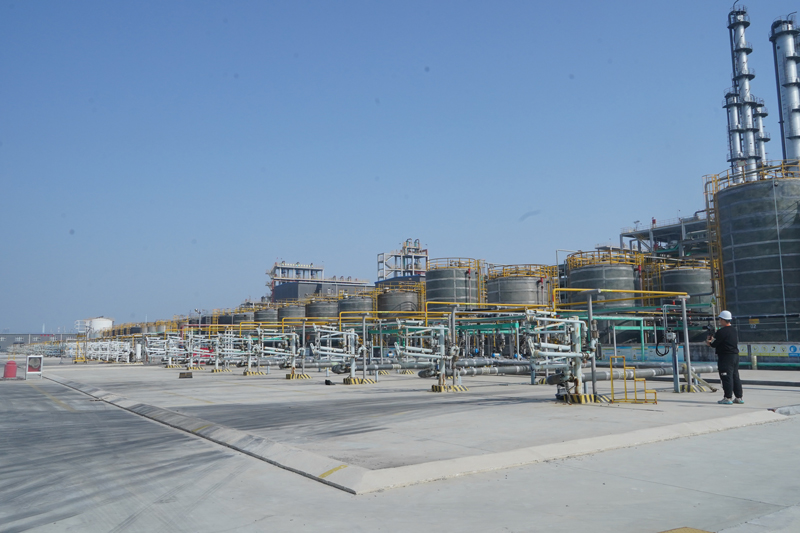
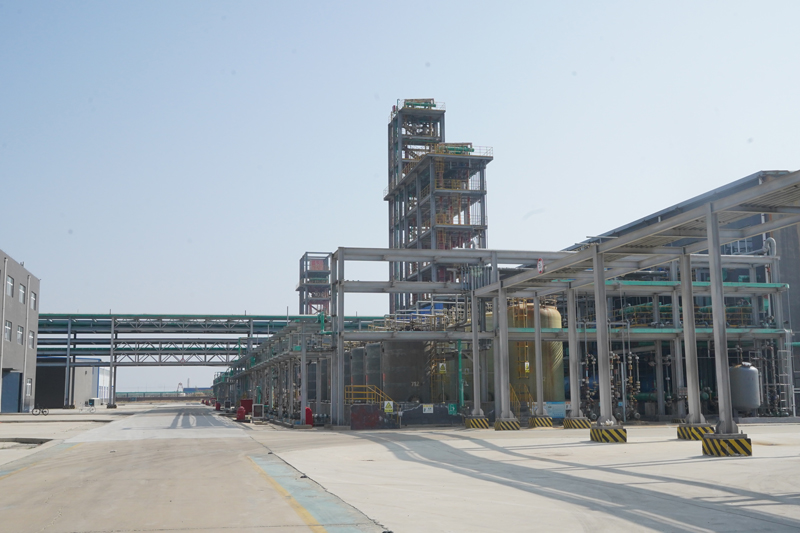
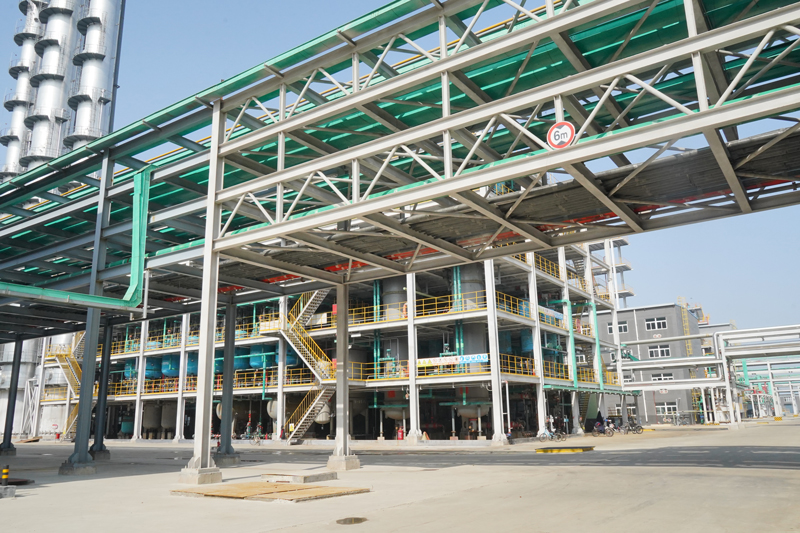
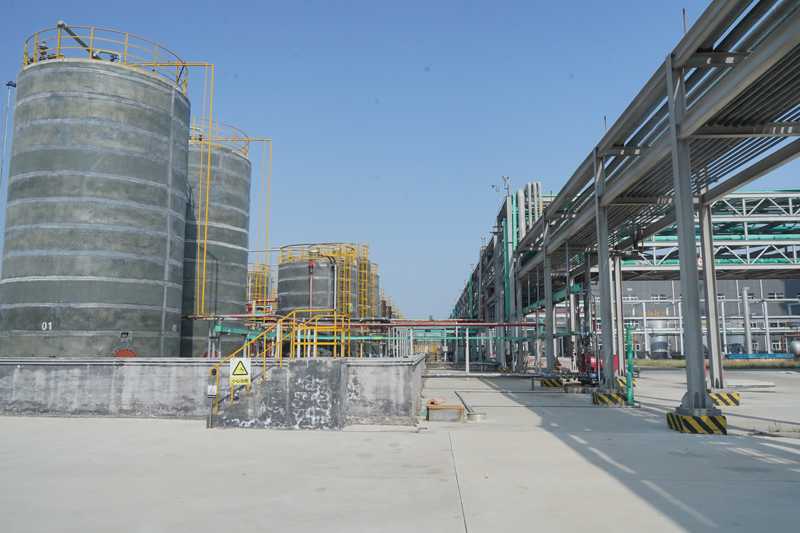
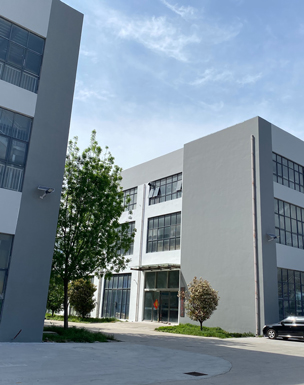
JIMPOCHEM CO., LTD was established in 2010 and is headquartered in the Chemical Industry Park of Jinan City, Shandong Province. The company covers an area of over 500 acres and is a professional chemical raw material manufacturer that integrates research and development, production, sales, and technical services. Its core focus is on high-end fine chemicals and cosmetic raw materials. We have obtained multiple product-related certifications, including ISO quality system certification and environmental management system certification, and are committed to providing high-quality chemical products and one-stop procurement service solutions to global customers.

Designated Chemical Service Provider

Our core team comprises experts with over 10 years of experience in the chemical industry. This enables us not only to provide professional products but also to offer solutions in product development, formula optimization, and supply chain management, meeting the personalized needs of diverse clients. We provide high-quality products and services, and our products are exported to over 200 countries and regions in Europe, America, Southeast Asia, the Middle East, and Oceania, serving more than 5,000 international companies.

We have established long-term strategic partnerships with many internationally renowned chemical companies, becoming a trusted "designated chemical service provider" for numerous clients.

Core Competitive Advantages

  • Supply Chain & Production Capacity: Automated digital modern production base balancing bulk supply with flexible customization.
  • Quality Control System: Full-item inspection, strict raw material verification, and complete batch traceability systems.
  • Green & Environmental Commitment: Aligned with global "dual-carbon" strategies, adopting clean processes and resource recycling.
  • Customized Formulation Solutions: One-on-one dedicated technical support from selection to application testing.

Factory Infrastructure & Laboratory R&D Facilities

6. Technical & B2B Procurement FAQ (Frequently Asked Questions)

Expert Guidance for Formulators, Procurement Officers, and Supply Chain Executives

Q1: Why combine Azelaic Acid and Alpha Arbutin together in a single formulation?
They target hyperpigmentation through complementary, non-overlapping biochemical pathways. Alpha Arbutin directly inhibits competitive DOPA binding on the tyrosinase enzyme, while Azelaic Acid targets hyperactive/abnormal melanocytes, reduces cellular oxidative stress, and acts as a mild keratolytic agent. This synergistic action yields faster, more uniform brightening results than either ingredient used alone.
Q2: What is the optimal pH range when formulating with both Azelaic Acid and Alpha Arbutin?
The ideal formulation pH range is between 4.8 and 5.5. At a pH below 4.5, Alpha Arbutin faces potential risk of acid hydrolysis (releasing free hydroquinone). At a pH above 6.0, Azelaic Acid becomes mostly ionized, decreasing its stratum corneum lipid solubility and skin penetration efficiency.
Q3: How does JIMPOCHEM ensure low residual hydroquinone levels in Alpha Arbutin?
We employ an advanced enzymatic glycosylation technique followed by multi-stage crystallization and ultrafiltration. Every production lot is tested via HPLC with UV detection to guarantee that residual hydroquinone remains strictly below 1 ppm (0.0001%), complying fully with EU SCCS and US FDA safety limits.
Q4: What micronization options are available for Azelaic Acid CAS 123-99-9?
We supply both standard technical grade powder and fine micronized grade (D90 < 10 microns). Micronized Azelaic Acid significantly improves sensory texture, reduces grittiness in emulsion/gel formulations, and increases bio-availability without requiring harsh organic solvents.
Q5: What are the packaging and bulk transport options for international orders?
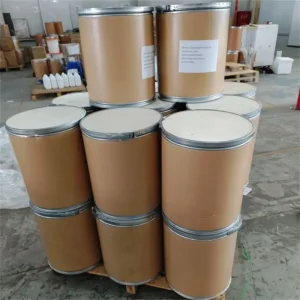
Standard packaging includes 25kg fiber drums lined with double polyethylene bags. Customized aluminum foil bags (1kg, 5kg) and semi-bulk totes are available upon request. All packaging materials are UV-shielded and moisture-impermeable to ensure stability during ocean and air freight.
Q6: Are free samples and Certificate of Analysis (CoA) available prior to commercial ordering?
Yes. We provide 50g to 500g evaluation samples along with batch-specific CoA, MSDS/SDS, Technical Data Sheets (TDS), and stability study summaries to qualified corporate R&D teams.
Q7: Can JIMPOCHEM assist with custom formulation stability and solubilization troubleshooting?
Absolutely. Our R&D technical service team offers one-on-one support for solvent selection (e.g., pairing with PPG-20 Methyl Glucose Ether CAS 61849-72-7 or Sodium Phytate CAS 14306-25-3), viscosity modification, microencapsulation, and preservative system compatibility.
Q8: What regulatory certifications do your manufacturing facilities hold?
Our production facilities in Jinan Chemical Industry Park operate under ISO 9001:2015 Quality Management Systems and ISO 14001:2015 Environmental Management Systems. We also provide documentation supporting REACH compliance, Halal, Kosher, and vegan declarations.
Q9: What is the lead time for full-container-load (FCL) orders?
Standard lead times for standard stock active powders range from 7 to 10 working days after contract confirmation. Custom micronization or OEM specialized packaging typically requires 14 to 21 days depending on batch scale.
Q10: What other functional cosmetic raw materials does JIMPOCHEM offer for brightening lines?
We manufacture a comprehensive suite of synergistic actives including Ascorbyl Glucoside (AA2G) CAS 129499-78-1, Glutathione CAS 70-18-8, Polydeoxyribonucleotide (PDRN) CAS 100403-24-5, and Glycolic Acid CAS 79-14-1.

Complete Cosmetic & Fine Chemical Product Portfolio (Bottom Actives)

Explore Direct Factory Supply Chemical Raw Materials for Global Enterprise Procurement
3-Methoxy-3-Methyl-1-Butanol CAS 56539-66-3

3-Methoxy-3-Methyl-1-Butanol CAS 56539-66-3

View Details & Procurement
Sodium L-Pyroglutamate CAS 28874-51-3

Sodium L-Pyroglutamate CAS 28874-51-3 NMF Factor

View Details & Procurement
China Ascorbyl Glucoside AA2G CAS 129499-78-1

Ascorbyl Glucoside (AA2G) CAS 129499-78-1

View Details & Procurement
N,N'-Bis(1-methylpropyl)-1,4-phenylenediamine CAS 101-96-2

N,N’-Bis(1-methylpropyl)-1,4-phenylenediamine CAS 101-96-2

View Details & Procurement
Benzethonium Chloride CAS 121-54-0 Fine Powder

Benzethonium Chloride CAS 121-54-0 Powder

View Details & Procurement
Benzethonium Chloride CAS 121-54-0 Factory Direct

China Benzethonium Chloride CAS 121-54-0 Factory

View Details & Procurement
China Polydeoxyribonucleotide PDRN CAS 100403-24-5

Polydeoxyribonucleotide (PDRN) CAS 100403-24-5

View Details & Procurement
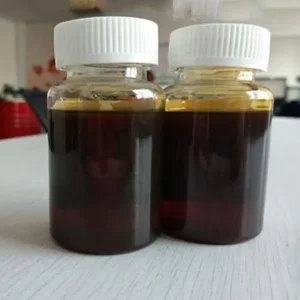
Ammonium Thioglycolate CAS 5421-46-5

Ammonium Thioglycolate CAS 5421-46-5 Liquid

View Details & Procurement