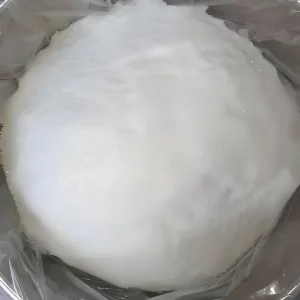
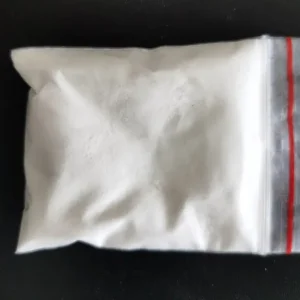
Explore our high-purity cosmetic raw materials and dermatological active components engineered for superior bioavailability and skin hyperpigmentation correction.
Hyperpigmentation—encompassing melasma, post-inflammatory hyperpigmentation (PIH), and solar lentigines—represents one of the most resilient clinical challenges in dermatological science. Among the pharmacological agents evaluated for topical depigmentation, Azelaic Acid (1,7-heptanedicarboxylic acid, CAS 123-99-9) at a 20% concentration has emerged as a gold-standard therapeutic intervention. Historically prescribed as a secondary topical treatment, modern clinical trials and mechanistic biochemistry validate Azelaic Acid 20% Cream as a primary monotherapy capable of outperforming standard treatments while exhibiting zero risk of permanent leukoderma or ochronosis.
As leading B2B chemical raw material and finished cosmetic formulation manufacturers based in China, we leverage advanced organic synthesis, precision micronization, and proprietary emulsification matrices to overcome traditional formulation hurdles. The industrial synthesis of Azelaic Acid from bio-based oleic acid precursors, combined with China's automated Industry 4.0 production infrastructure, allows global pharmaceutical buyers, cosmeceutical brands, and clinical distributors to access prescription-grade 20% Azelaic Acid formulations with unprecedented batch-to-batch consistency and regulatory compliance.
Azelaic acid acts as a reversible inhibitor of tyrosinase, selectively targeting hyperactive melanocytes while sparing normal non-functioning skin cells from hypopigmentation.
By inhibiting mitochondrial oxidoreductase enzymes and DNA synthesis in abnormal cells, Azelaic Acid effectively halts the proliferation of dysplastic melanocytes.
Reduces free radical production within neutrophil populations, preventing post-inflammatory melanogenesis driven by oxidative stress and cutaneous inflammation.
The therapeutic efficacy of Azelaic Acid is concentration-dependent. While lower concentrations (10% to 15%) provide mild keratinolytic and anti-acne benefits, achieving significant clinical clearance of deep dermal and epidermal hyperpigmentation requires a 20% saturation threshold. At 20% w/w, Azelaic Acid establishes a concentration gradient sufficient to penetrate the stratum corneum and diffuse across cellular membranes into abnormal melanocyte mitochondria.
| Depigmenting Active Agent | Primary Mechanism | Safety Profile / Side Effects | Suitability for Long-Term Maintenance |
|---|---|---|---|
| Azelaic Acid 20% Cream | Selective tyrosinase inhibition & mitochondrial respiration suppression | Excellent; low irritation, non-teratogenic, non-cytotoxic to normal melanocytes | High (No risk of ochronosis; safe during pregnancy/lactation) |
| Hydroquinone (4% Rx) | Substrate competition for tyrosinase & melanocyte cytotoxicity | Risk of exogenous ochronosis, permanent leukoderma, and cytotoxic rebounds | Low (Restricted to 3–6 month cycles under strict medical supervision) |
| Kojic Acid (2-4%) | Chelation of copper ions in tyrosinase enzymes | High incidence of contact dermatitis and oxidative instability | Moderate (Prone to rapid oxidation and color degradation) |
| Tranexamic Acid (3-5%) | Plasminogen/plasmin pathway suppression & arachidonic acid reduction | Mild; requires synergistic agents for deep epidermal melasma | High (Often combined with 20% Azelaic Acid for dual-action therapy) |
A key biological advantage of Azelaic Acid over non-selective depigmenting agents is its target-specific behavior. Azelaic acid exhibits minimal affinity for normal, resting melanocytes or normally pigmented skin. Its cellular uptake and subsequent cytotoxic action are preferentially confined to hyperactive, atypical melanocytes—such as those present in melasma lesions, senile lentigines, and post-inflammatory dark spots. This selectivity prevents the formation of unslightly hypopigmented halos around treated lesions, rendering it the ideal candidate for ethnic skin types (Fitzpatrick IV–VI) prone to post-inflammatory hyperpigmentation.
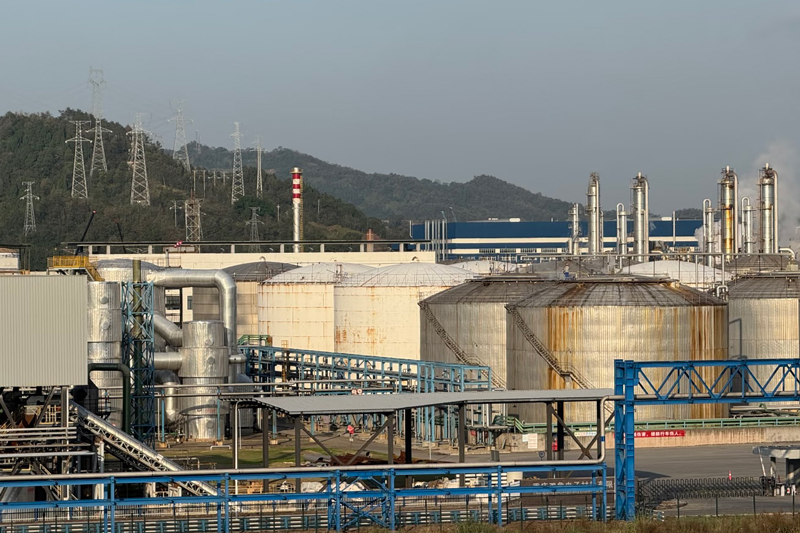
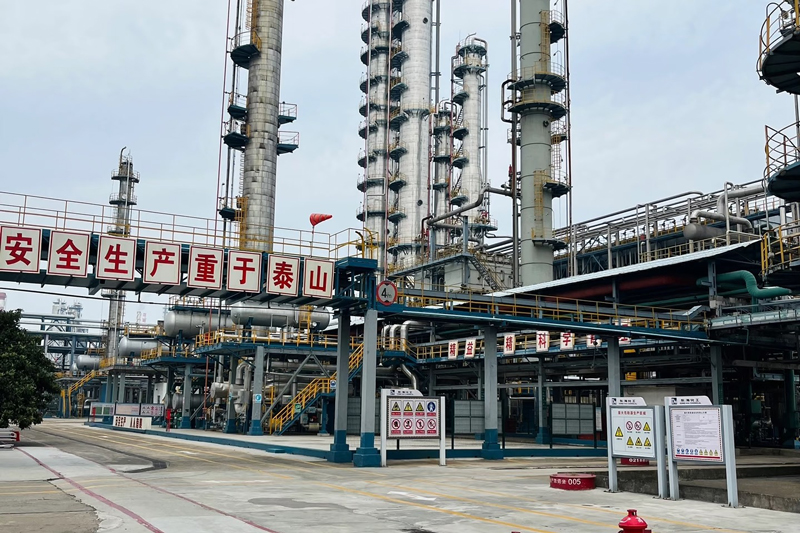
As global demand for non-hydroquinone skin brightening therapies expands, manufacturing resilience, raw material sourcing, and processing precision become paramount. China has established itself as the world's premier production hub for high-purity dicarboxylic acids, combining backward-integrated chemical supply chains with state-of-the-art green chemistry processes.
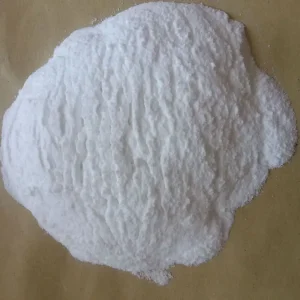
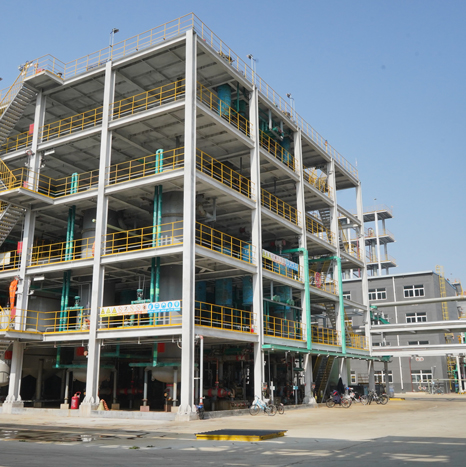
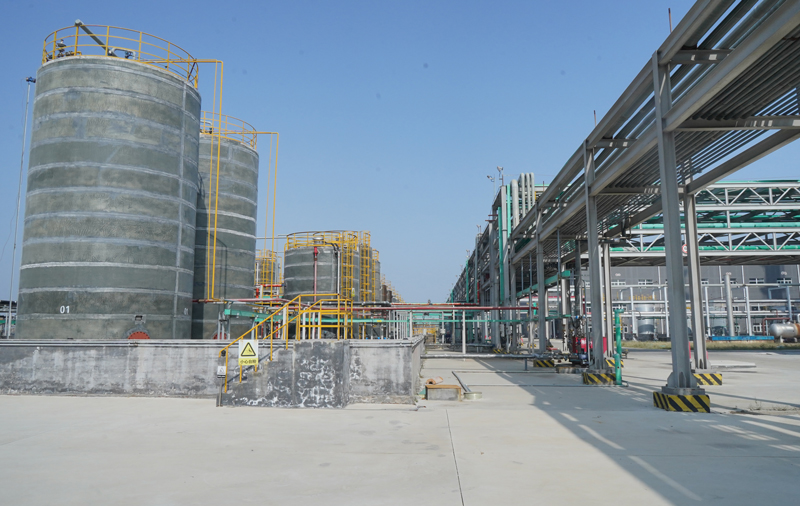
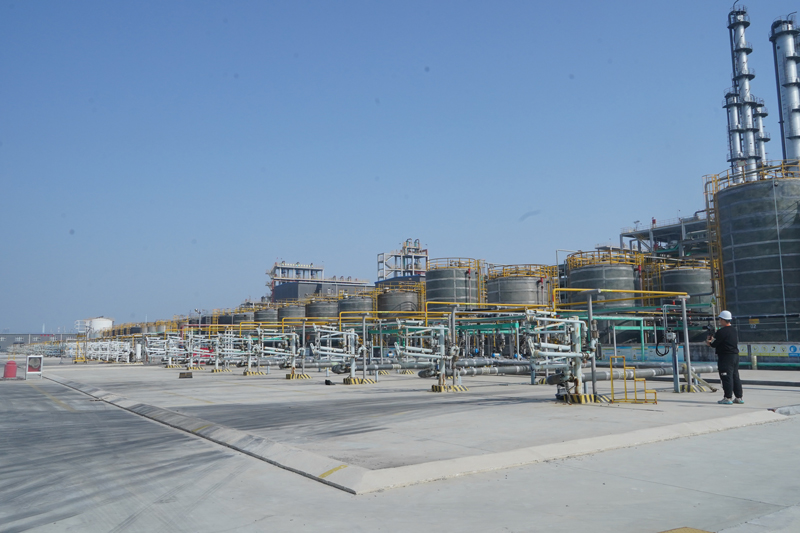
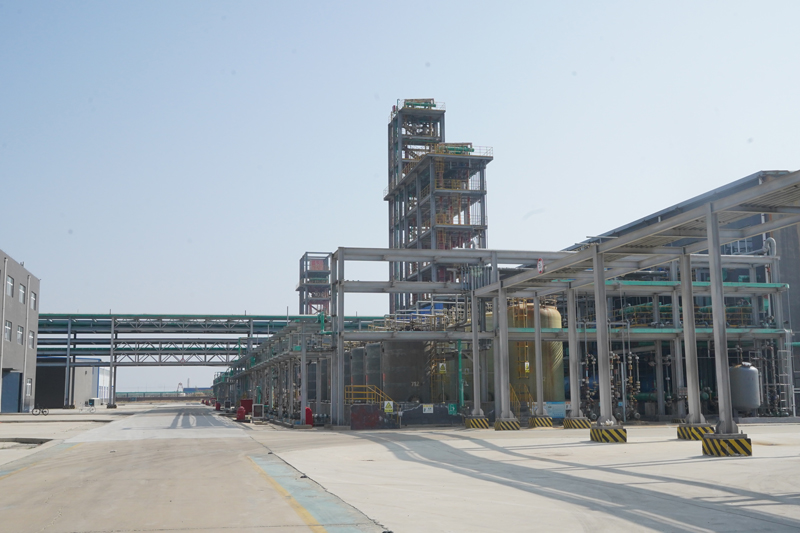
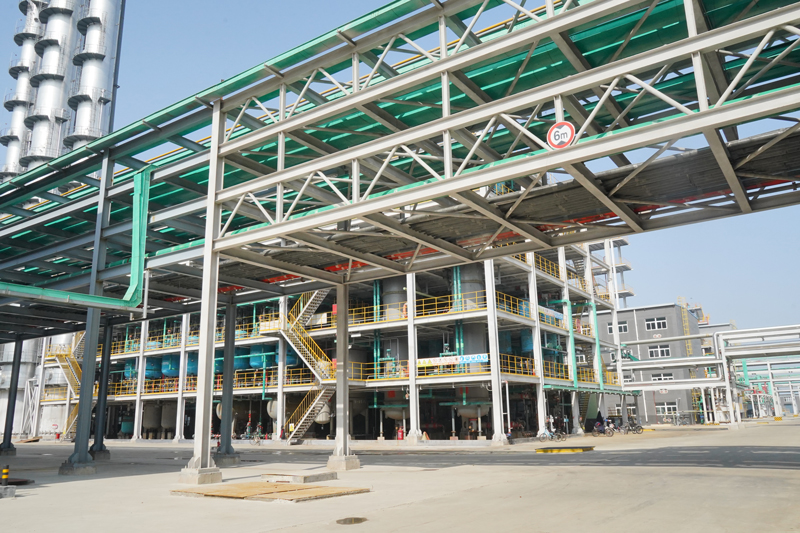
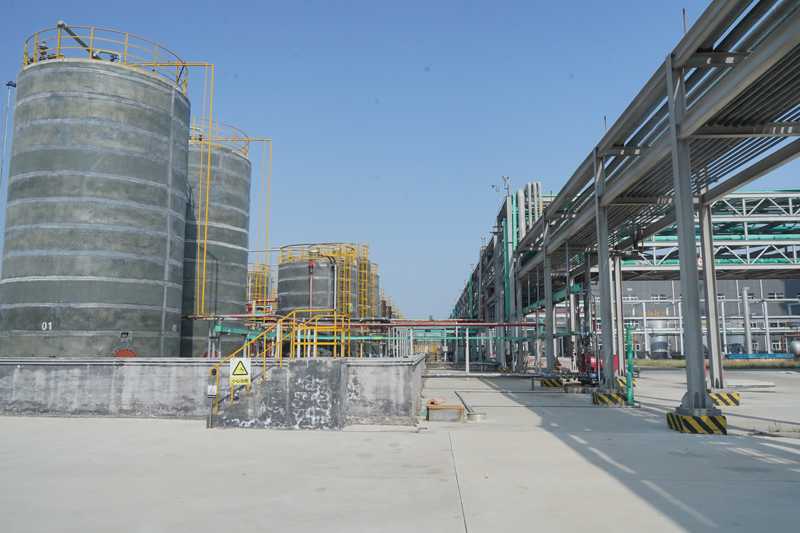
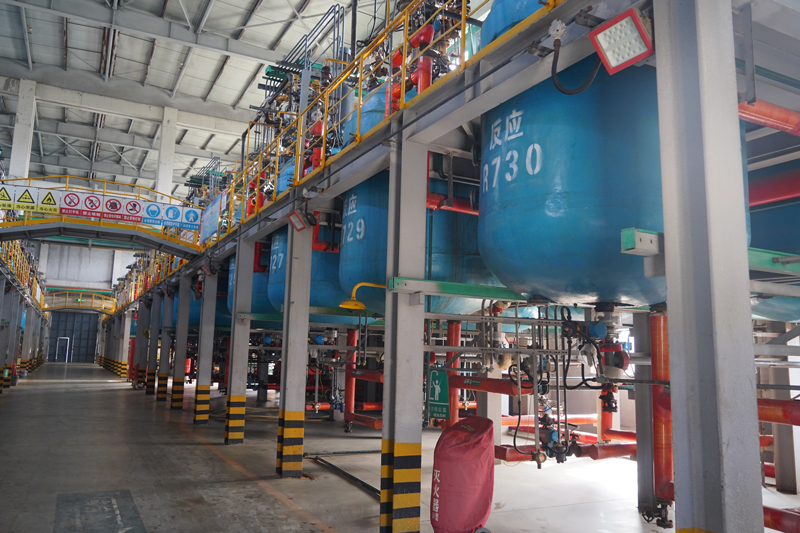
Our state-of-the-art facilities utilize automated continuous flow ozonolysis of oleic acid derivatives, ensuring ultra-pure API yield (>99.5%) with zero residual heavy metal or toxic solvent residues.
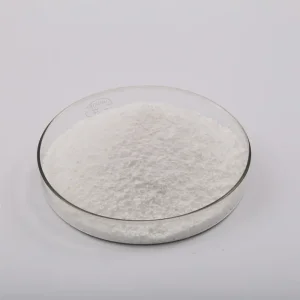
Standard Azelaic Acid suffers from gritty texture and poor skin feel. Our proprietary air-jet micronization reduces particle size to D90 < 5 microns, unlocking silk-like cream elegance and enhanced transdermal delivery.
Operating under strict dual-carbon mandates, our automated waste-treatment systems recycle solvents and neutralize effluents, satisfying global ESG procurement criteria for top-tier retail brands.
Formulating a stable, cosmetically elegant 20% Azelaic Acid cream presents severe physical chemistry challenges. Azelaic acid has low solubility in both water and lipophilic oil phases. Consequently, a 20% concentration functions as a suspended solid load within a cream emulsion. Improper formulation leads to phase separation, crystal growth, graininess, and compromised bio-availability.
Through extensive research and development at JIMPOCHEM, our R&D team has implemented three core stabilization technologies:
By blending specialized glycol carriers—such as PPG-20 Methyl Glucose Ether and High-Purity Propylene Glycol—we create a partial liquid-crystal lattice that keeps suspended micronized particles evenly distributed without agglomeration over time.
Incorporating premium esters like Isopropyl Myristate and hydrophobic texturizers like Magnesium Myristate creates a protective film around active azelaic acid crystals. This prevents recrystallization during thermal shock test cycles (-20°C to +50°C).
To mitigate initial tingling sensations associated with high-dose dicarboxylic acids, our formulas incorporate soothing agents including Sodium Lactate and N-Acetyl-D-Glucosamine to reinforce stratum corneum hydration and lipid barrier integrity.
Our OEM/ODM manufacturing solutions serve diverse commercial sectors across North America, Europe, the Middle East, and Asia-Pacific. We supply customized private-label formulations and bulk APIs tailored to specific regional regulatory standards.
Prescription-strength 20% Azelaic Acid creams packaged in airless medical-grade aluminum or multi-layer barrier tubes, targeted at post-laser recovery, melasma management, and dermatological clinic distribution.
Elegant, fast-absorbing micro-emulsions optimized for everyday retail consumers. Formulated to combat post-acne marks (PIH), uneven skin tone, and erythema with velvety non-greasy finishes.
Custom OEM synergy formulations blending Azelaic Acid with Ethyl Ascorbic Acid, Ascorbyl Glucoside (AA2G), and Glycolic Acid to deliver multi-pathway skin clarity for high-end spa and beauty brands.
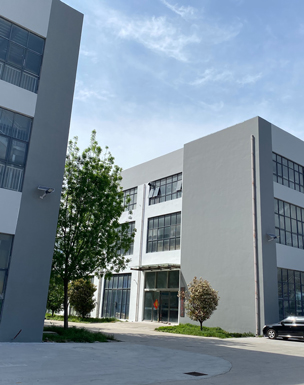
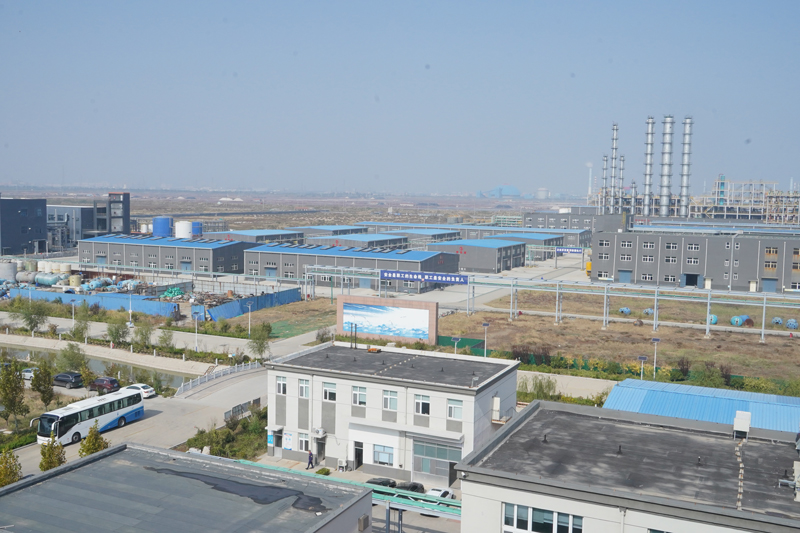
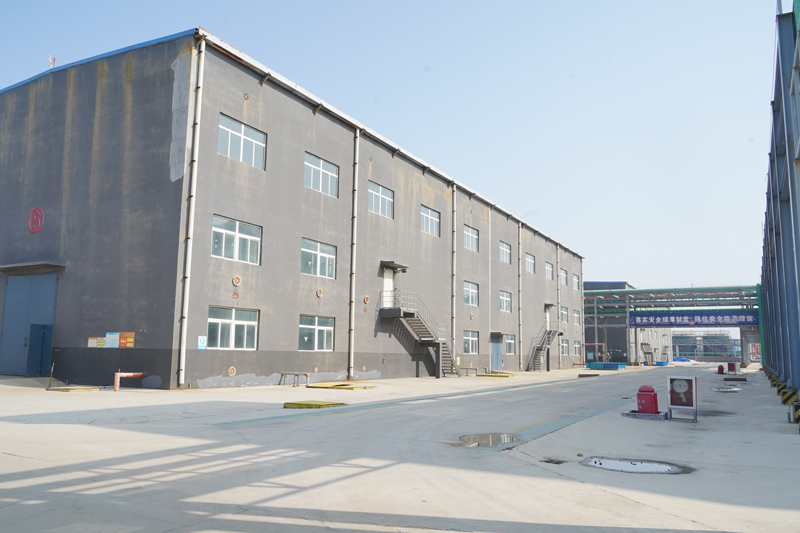
Established in 2010 and headquartered in the prestigious Chemical Industry Park of Jinan City, Shandong Province, JIMPOCHEM CO., LTD covers an operational footprint exceeding 500 acres. As a flagship chemical raw material and cosmeceutical manufacturer, we integrate advanced laboratory R&D, continuous automated production, regulatory compliance oversight, and turnkey B2B export logistics.
Our core team comprises senior chemical engineers and pharmaceutical formulation scientists with over 16 years of hands-on industry expertise. We maintain stringent adherence to ISO 9001 Quality Management Systems and ISO 14001 Environmental Management Systems. Our high-purity fine chemicals, cosmetic ingredients, and active pharmaceutical intermediates are exported to over 200 countries, empowering more than 5,000 international enterprises with custom supply chain solutions.
Get authoritative answers regarding chemical specifications, custom OEM manufacturing, stability testing, and international shipping protocols.
Clinical studies demonstrate that while 10% to 15% concentrations are adequate for acne vulgaris and mild redness, a 20% concentration is required to achieve the transdermal flux necessary for significant tyrosinase inhibition in deep epidermal and dermal melasma. The 20% saturation level ensures maximum competitive inhibition against hyperactive melanocytes without causing cytotoxic damage to surrounding normal tissues.
Grittiness is caused by the precipitation and crystallization of coarse azelaic acid particles. We overcome this using dynamic jet-milling technology that reduces raw API particle size below 5 microns. Additionally, our emulsion system utilizes specialized polyol dispersants (such as PPG-20 Methyl Glucose Ether) to create a homogenous suspension that remains smooth and luxurious on the skin.
We provide full turnkey solution services, including custom viscosity adjustments, scent/fragrance-free profiles, additional active ingredient integration (e.g., Niacinamide, Ethyl Ascorbic Acid, Hyaluronic Acid), customized primary packaging (laminated tubes, airless pump bottles), and private label artwork design complying with regional regulatory standards (FDA, EU CPNP, NMPA).
Every shipment is accompanied by a comprehensive technical dossier, including Certificate of Analysis (COA), Safety Data Sheet (SDS/MSDS), Technical Data Sheet (TDS), Stability Testing Reports (Accelerated & Real-time), ISO 9001 / ISO 14001 certificates, and EU REACH registration data for raw material imports.
When stored in original sealed barrier containers at ambient temperatures below 25°C away from direct sunlight, our 20% Azelaic Acid formulations maintain a certified shelf life of 24 to 36 months. Accelerated stability testing confirms zero active ingredient degradation or phase separation under standard challenge conditions.
Our flexible production infrastructure accommodates both pilot-scale runs and high-volume retail campaigns. MOQ for standard OEM white-label creams starts at 3,000 units for customized packaging, while bulk raw material API orders (CAS 123-99-9) start at 25kg fiber drums.
Complete your cosmetic, pharmaceutical, or technical formulations with our comprehensive catalog of high-purity fine chemical solutions.
 JIMPOCHEM