Premium grade industrial intermediates and specialty organic compounds manufactured under ISO standards.
Comprehensive analytical data, chemical structure parameters, and technical benchmark standards.
Information Gain Insight: 2-Methylhydroquinone (also known as Methylhydroquinone, MHQ, or 2-Methyl-1,4-benzenediol, CAS 95-71-6) serves as a critical sterically hindered phenolic antioxidant and polymerization inhibitor. Compared to unsubstituted hydroquinone (HQ) or mono-methyl ether hydroquinone (MEHQ), MHQ exhibits superior thermal stability, lower volatility, and targeted free-radical quenching kinetics in aggressive chemical environments such as acrylic ester monomer storage and high-temperature polymer synthesis.
IUPAC Name: 2-Methylbenzene-1,4-diol
CAS Registry Number: 95-71-6
EINECS Number: 202-443-7
Molecular Formula: C7H8O2
Molecular Weight: 124.14 g/mol
Synonyms: Toluhydroquinone, Methyl-p-hydroquinone, 2,5-Dihydroxytoluene.
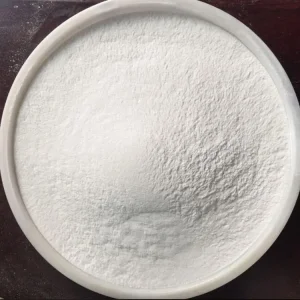
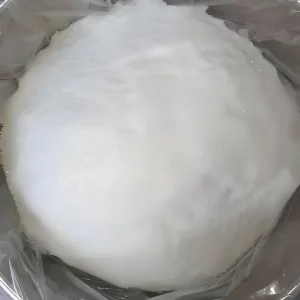
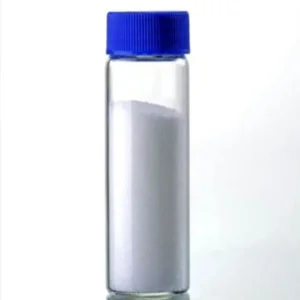
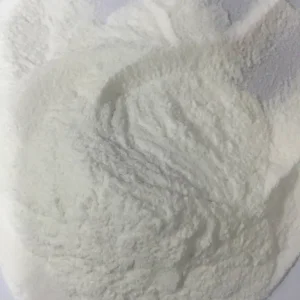
Appearance: Off-white to tan crystalline powder
Melting Point: 126.0 °C to 130.0 °C
Boiling Point: 285.0 °C at 760 mmHg
Flash Point: 172.4 °C
Solubility: Highly soluble in methanol, ethanol, ethyl acetate, and ether; sparingly soluble in cold water.
HPLC Purity: ≥ 99.0% (Industrial & Fine Chemical Grade)
Loss on Drying: ≤ 0.50%
Residue on Ignition: ≤ 0.10%
Heavy Metals (as Pb): ≤ 10 ppm
Iron Content (Fe): ≤ 5 ppm
Primary Application: Radical inhibitor & specialty intermediate
| Specification Parameter | Standard Specification (Industrial Grade) | High-Purity Grade (Pharma/Electronics) | Analytical Test Method |
|---|---|---|---|
| Chemical Appearance | Off-white to light beige powder | White crystalline powder | Visual inspection |
| Active Component (2-Methylhydroquinone) | ≥ 98.5% | ≥ 99.5% | HPLC (High-Performance Liquid Chromatography) |
| Hydroquinone Impurity | ≤ 0.5% | ≤ 0.1% | HPLC Area Normalization |
| Cresol / Alkylphenol Impurities | ≤ 0.3% | ≤ 0.05% | GC-MS |
| Melting Range | 125 - 129 °C | 127 - 129.5 °C | Capillary Melting Point Apparatus |
| Moisture (Karl Fischer) | ≤ 0.5% | ≤ 0.15% | KF Titration (ISO 760) |
Analyzing global supply chains, market demand drivers, and the chemical performance advantages of Chinese sourcing.
In the production, shipment, and storage of volatile vinyl monomers—such as acrylic acid, methacrylic acid, methyl methacrylate (MMA), acrylonitrile, and styrene—unintended premature polymerization poses severe safety hazards and costly vessel blockages. 2-Methylhydroquinone acts as a potent electron-donating radical scavenger. The electron-releasing methyl group (+I inductive effect) increases electron density on the aromatic ring, making hydroxyl hydrogen abstraction by alkyl peroxyl radicals faster than in non-substituted hydroquinone.
Beyond monomer stabilization, 2-Methylhydroquinone is widely utilized as a co-monomer and antioxidant in liquid crystal polymers (LCPs), unsaturated polyester resins (UPRs), high-performance polycarbonates, and specialty polyurethanes. Its specific molecular geometry introduces controlled asymmetry into polymer backbones, preventing excessive crystallization, enhancing chain solubility, improving impact resistance, and boosting thermal oxidation thresholds in automotive and aerospace composite materials.
The unique structural motif of 2-Methylhydroquinone allows high-selectivity regioselective functionalization. It serves as an essential raw material for synthesizing Vitamin E derivatives, active pharmaceutical ingredients (APIs) targeting cardiovascular diseases, anti-fungal agents, and complex agricultural fungicides. China's integrated chemical clusters provide downstream synthesis facilities with raw materials at minimal logistical lead times.
Engineering expertise, catalytic efficiency, and multi-stage purification processes at JIMPOCHEM.
Direct liquid-phase or gas-phase methylation of hydroquinone using methanol or dimethyl ether in the presence of acidic zeolites or solid acid catalysts. While atom-economical, this route requires high-precision distillation columns to separate ortho-, meta-, and dialkylated side products, ensuring batch purity ≥ 99.0%.
Selective oxidation of o-cresol utilizing hydrogen peroxide or molecular oxygen under transition-metal catalytic systems (titanium silicalites or vanadium complexes), followed by mild reduction of the resulting methyl-1,4-benzoquinone intermediate. This process offers lower byproduct formation and excellent color quality.
JIMPOCHEM utilizes multi-stage fractional crystallization in organic solvent media coupled with continuous vacuum drying. Every production lot undergoes automated HPLC analytical testing, gas chromatography impurity tracing, moisture titration, and heavy metal mass spectrometry to guarantee lot-to-lot consistency.
16+ years of chemical manufacturing excellence, expansive production facilities, and global delivery systems.
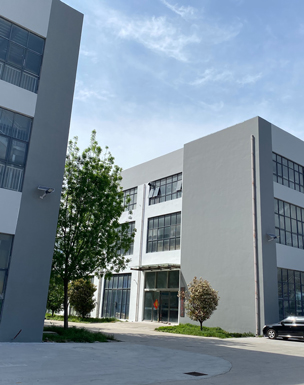
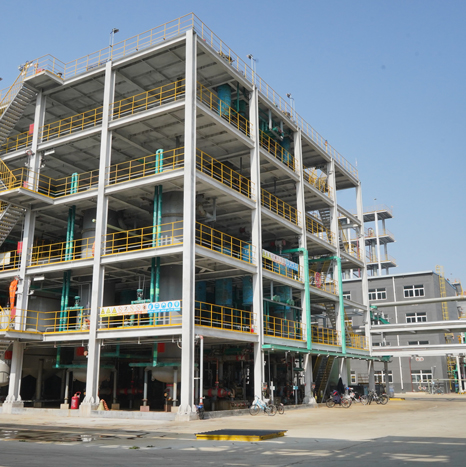
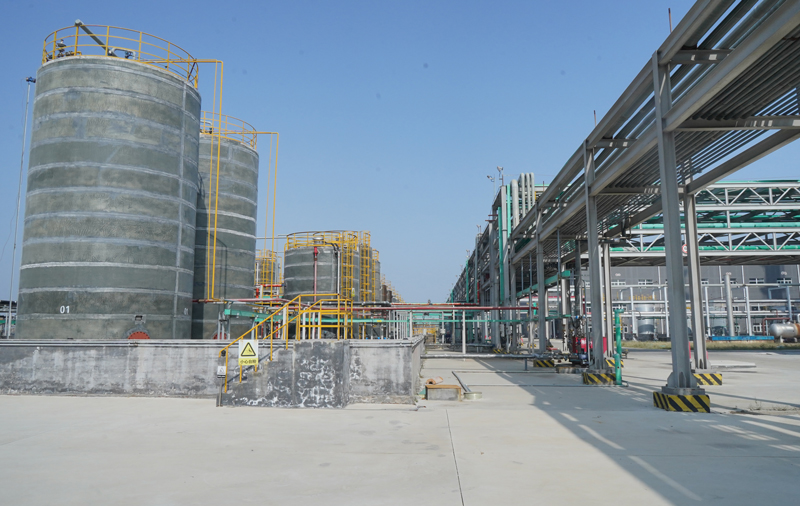
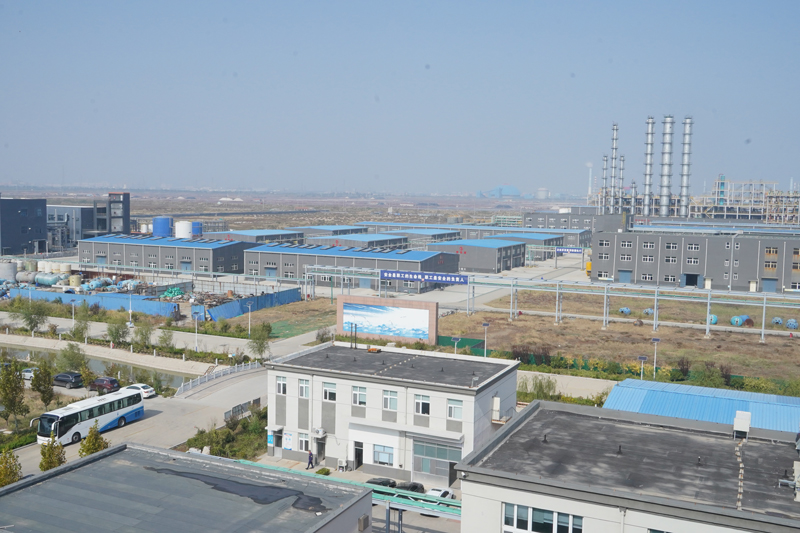
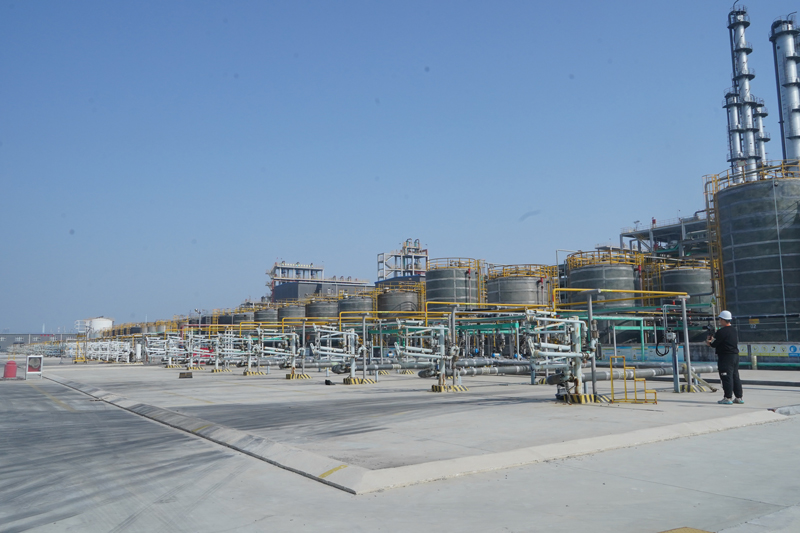
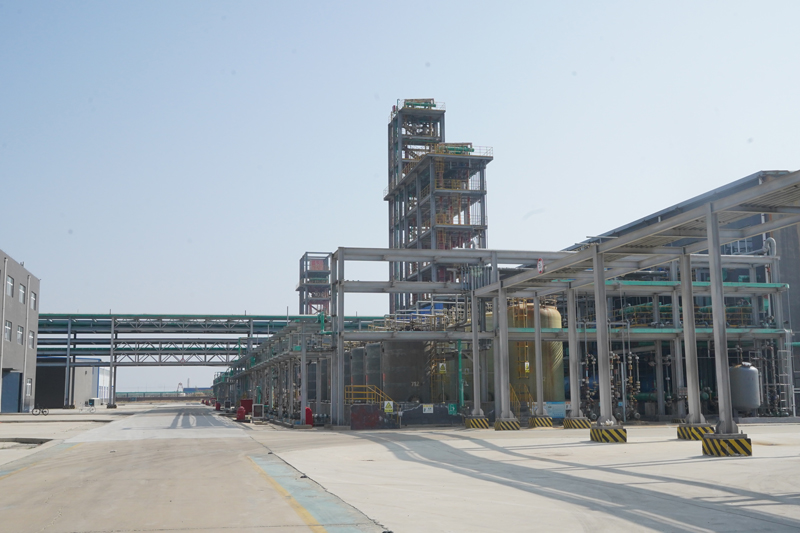
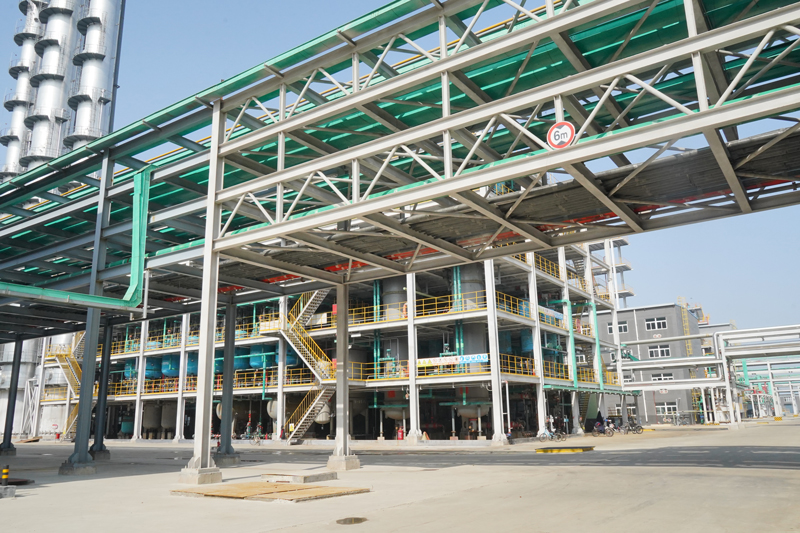
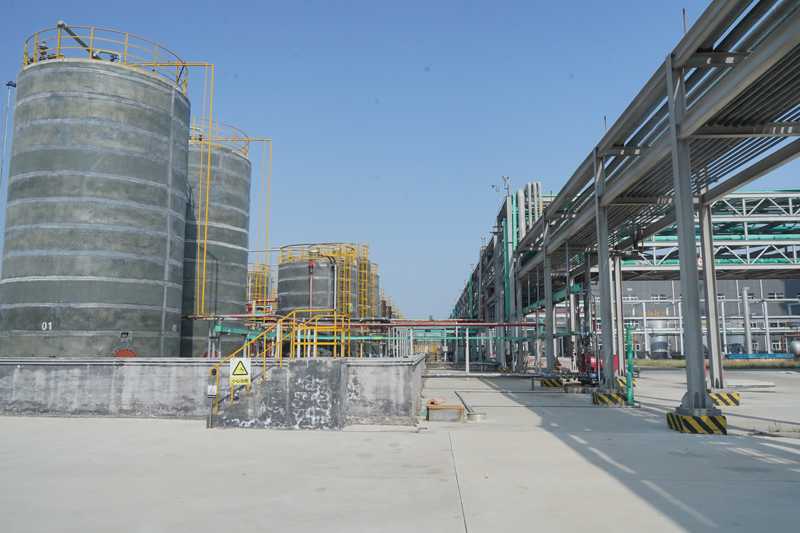
JIMPOCHEM CO., LTD was established in 2010 and is headquartered in the Chemical Industry Park of Jinan City, Shandong Province. The company covers an area of over 500 acres and is a professional chemical raw material manufacturer integrating R&D, production, sales, and technical services. Our core focus centers on high-end fine chemicals and specialty organic raw materials. We maintain ISO quality system certifications and environmental management system certifications, serving as a trusted designated chemical service provider globally.
Leveraging strategic raw material procurement channels in Shandong chemical parks, JIMPOCHEM balances continuous large-scale production with flexible batch customization. Intelligent automated control systems manage feeding, temperature regulation, crystallizing, and packaging, permitting rapid response to high-volume commercial orders across Europe, North America, Southeast Asia, and the Middle East.
Our comprehensive batch traceability system maps finished products back to raw material lots, specific reaction vessels, analytical testing logs, and shipping documentation. Adhering to dual-carbon targets, our green plant operates zero-discharge wastewater treatment units, closed-loop solvent recovery systems, and compliant off-gas scrubbing scrubbers.
Implementation methodologies, dosing protocols, and solvent compatibility parameters across industries.
Dosing Recommendation: 10 to 100 ppm based on storage temperature and oxygen dissolved levels.
Operational Mechanics: Unlike MEHQ which requires dissolved oxygen co-inhibitors to form active hydroperoxyl radicals, 2-Methylhydroquinone provides direct hydrogen donor activity, stabilizing acrylic acid, butyl acrylate, and hydroxyethyl methacrylate (HEMA) during maritime transport and warm climate storage.
Dosing Recommendation: 50 to 250 ppm during polycondensation cooking.
Operational Mechanics: Added directly into phthalic anhydride/maleic anhydride glycol charges to prevent premature gelation at polycondensation temperatures (180–210 °C). It maintains clear resin color and extends room-temperature shelf life of styrene-diluted resin batches.
Dosing Recommendation: High-purity grade (≥99.5%), 0.01% to 0.5% by weight.
Operational Mechanics: Serves as a thermal radical scavenger in negative-tone photoresists and UV-curable inks. Prevents dark-state polymerization while preserving high sensitivity during photolithographic exposure cycles in semiconductor and PCB packaging.
Complete regulatory dossiers, hazard documentation, packaging choices, and transport compliance.
Signal Word: Warning
Hazard Statements: H302 (Harmful if swallowed), H315 (Causes skin irritation), H317 (May cause an allergic skin reaction), H319 (Causes serious eye irritation), H335 (May cause respiratory irritation), H410 (Very toxic to aquatic life with long lasting effects).
PPE Requirements: Safety goggles, nitrile gloves, dust mask (N95/P2), local exhaust ventilation.
REACH (EU): Full Registration / Tonnage Band Compliance.
TSCA (USA): Listed on Inventory Active List.
IECSC (China): Listed in Existing Chemical Substances.
K-REACH (Korea): Compliant / Registered.
Documentation: Full SDS available in 24+ languages, Certificate of Analysis (CoA) with every lot, REACH SVHC declaration, ISO 9001:2015 certification.
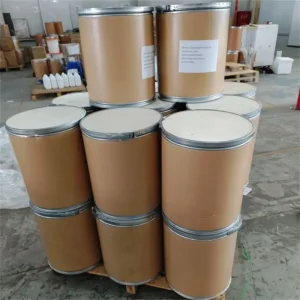
Standard Packaging: 25 kg cardboard fiber drums lined with double-layer anti-static PE bags; 500 kg woven super-sacks.
Storage Conditions: Store in tightly sealed containers in a cool, dry, well-ventilated area away from direct sunlight, strong oxidizing agents, and strong bases.
Shelf Life: 24 months from date of manufacture under prescribed conditions.
Next-generation synthesis technologies, carbon footprint reduction, and continuous flow engineering.
JIMPOCHEM R&D is transitioning batch reactors to continuous flow microchannel systems. This innovation precise-controls reaction residence time to seconds, eliminates hot-spot over-oxidation, reduces energy consumption by 35%, and increases catalytic selectivity towards 2-Methylhydroquinone over 99.2%.
As part of our sustainable chemistry commitment, research projects explore catalytic conversion of bio-lignin-derived aromatics into alkylated hydroquinones. Bio-based 2-Methylhydroquinone will allow downstream polymer customers to reduce scope 3 emissions and meet eco-label requirements in North America and Europe.
By implementing real-time FBRM (Focused Beam Reflectance Measurement) during crystallizer cooling, we control crystal size distribution (CSD). This eliminates ultra-fine dust, improves flowability, prevents caking during overseas transit, and speeds up dissolution times for industrial users.
Expert insights on 2-Methylhydroquinone selection, chemistry, ordering, and application troubleshooting.
Explore our extensive portfolio of high-purity solvents, organic intermediates, and cosmetic active ingredients.
 JIMPOCHEM