Buy Tretinoin, Niacinamide & Azelaic Acid Raw Materials

High-Purity Active Pharmaceutical Ingredients (APIs) & Cosmetic Actives from China's Premier Chemical Manufacturing Enterprise. Engineered for Advanced Clinical Formulations.

Primary Pharmaceutical & Cosmetic Actives

Direct factory supply of certified active raw materials for global dermatological and daily chemical manufacturing.
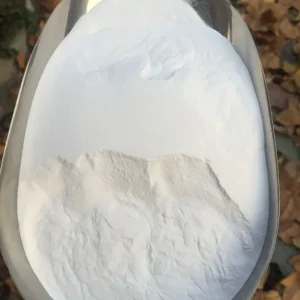
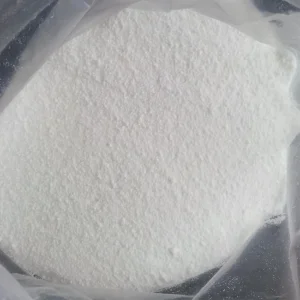
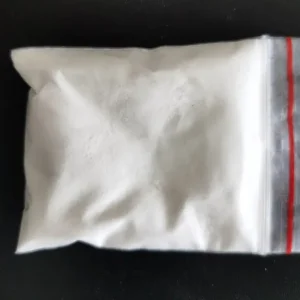
Azelaic Acid CAS 123-99-9

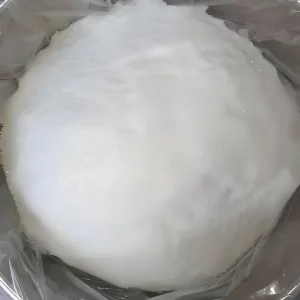
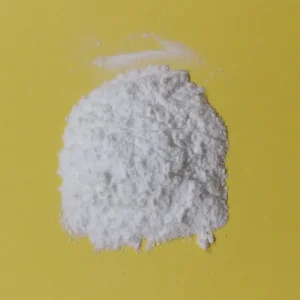
Azelaic Acid Powder CAS 123-99-9 Micronized Grade

View Details & Order
Tranexamic Acid CAS 1197-18-8

Tranexamic Acid CAS 1197-18-8 High Purity Grade

View Details & Order
Ascorbyl Glucoside

Ascorbyl Glucoside CAS 129499-78-2 Stable Vitamin C Derivative

View Details & Order
Ascorbyl Tetraisopalmitate

Ascorbyl Tetraisopalmitate CAS 183476-82-6 Lipid Vitamin C

View Details & Order
Bakuchiol CAS 10309-37-2

Bakuchiol CAS 10309-37-2 Natural Retinol Alternative

View Details & Order
Sodium L-pyroglutamate

Sodium L-pyroglutamate CAS 28874-51-3 NMF Humectant

View Details & Order
Polylysine CAS 28211-04-3

ε-Polylysine CAS 28211-04-3 Natural Antimicrobial

View Details & Order
PPG-20 Methyl Glucose Ether

PPG-20 Methyl Glucose Ether CAS 61849-72-7 Fixative

View Details & Order

Technical White-Paper: The Tretinoin, Niacinamide & Azelaic Acid Trifecta

Comprehensive analysis of clinical synergy, chemical stability, and multi-pathway dermatological efficacy for commercial cosmetic and pharmaceutical B2B buyers.

In modern dermatological science and advanced cosmetic formulation engineering, combining Tretinoin (All-Trans Retinoic Acid), Niacinamide (Vitamin B3), and Azelaic Acid represents one of the most clinically proven active chemical matrices for treating recalcitrant acne vulgaris, post-inflammatory hyperpigmentation (PIH), melasma, and structural cutaneous photoaging. Global formulators seeking to manufacture high-potency, prescription-strength or medical-grade topical formulations must understand the precise biochemical mechanisms, physical chemistry compatibility, and raw material purity requirements essential for commercial product stability.

1. Biochemical Mechanisms and Cellular Pathways

The combination functions via three distinct, non-overlapping biochemical mechanisms that produce exponential efficacy while mitigating individual side-effect profiles:

  • Tretinoin (CAS 302-79-4): Operates as a direct ligand for Nuclear Retinoic Acid Receptors (RAR-α, RAR-β, RAR-γ). Upon binding, it modulates transcription factors responsible for cellular differentiation and proliferation. Tretinoin accelerates basal keratinocyte mitosis, thins the stratum corneum, and promotes normal desquamation within the follicular infundibulum, directly preventing microcomedone formation. Additionally, it upregulates pro-collagen synthesis while downregulating matrix metalloproteinases (MMPs).
  • Niacinamide (CAS 98-92-0): Serves as a vital precursor to the nicotinamide adenine dinucleotide coenzymes (NAD+ and NADP+). In topical applications, Niacinamide stabilizes epidermal barrier function by upregulating *de novo* synthesis of ceramides, free fatty acids, and cholesterol. Crucially, it acts as an enzymatic anti-inflammatory agent by inhibiting PARP-1 and nuclear factor kappa B (NF-κB) transcription, effectively preventing the cutaneous irritation, erythema, and transepidermal water loss (TEWL) historically induced by topical retinoids.
  • Azelaic Acid (CAS 123-99-9): A naturally occurring saturated dicarboxylic acid ($C_9H_{16}O_4$) that acts as a competitive inhibitor of tyrosinase, the rate-limiting enzyme in melanogenesis. It selectively targets hyperactive or abnormal melanocytes without affecting normal skin pigmentation. Furthermore, Azelaic Acid exerts broad-spectrum antibacterial activity against Cutibacterium acnes and Staphylococcus epidermidis via intracellular protein synthesis disruption, while exerting anti-inflammatory actions by scavening reactive oxygen species (ROS).

Formulation Insight: The incorporation of ultra-pure Niacinamide (>99.5% HPLC purity) reduces retinoid-induced dermatitis by up to 64%, allowing formulators to integrate higher concentrations of Tretinoin while maintaining superior patient compliance and long-term emulsion integrity.

Barrier Cushioning Mechanism

Niacinamide synthesizes endogenous sphingolipids to reinforce lipid bilayers, counteracting Tretinoin's temporary disruption of stratum corneum cohesiveness.

Dual Pigment Suppression

Azelaic Acid competitively blocks tyrosinase synthesis while Niacinamide prevents melanosome transfer from melanocytes to surrounding keratinocytes.

Follicular Clearing Kinetics

Tretinoin normalization of keratinization combined with Azelaic Acid antimicrobial action eliminates follicular hyperkeratinization and microbial load.

B2B Raw Material Specifications & Chemical Parameters

Precision-engineered physical specifications tailored for stability in pharmaceutical gels, cosmetic emulsions, and anhydrous delivery systems.

Chemical Active CAS Registry No. Assay Purity (HPLC) Particle Size / Mesh Solubility Profile Regulatory Grade
Tretinoin (Retinoic Acid) 302-79-4 ≥ 99.0% - 101.0% 100% < 45 microns Soluble in DMSO, Ethanol; Insoluble in Water USP / EP / IP Grade (DMF Available)
Niacinamide (Vitamin B3) 98-92-0 ≥ 99.5% (Low Nicotinic Acid) 60 - 80 Mesh Crystalline Powder Freely soluble in Water ($1000\text{ g/L}$), Ethanol USP / Cosmetic Grade (Nicotinic Acid < 10 ppm)
Azelaic Acid 123-99-9 ≥ 99.0% Ultramicrofine (D90 < 10 microns) Soluble in Hot Water, Glycols; Micro-dispersion Cosmetic & Pharma Micronized Grade
Tranexamic Acid 1197-18-8 ≥ 99.0% 100 Mesh Fine Powder Freely soluble in Water, Glacial Acetic Acid EP / BP / Cosmetic Grade
Bakuchiol 10309-37-2 ≥ 98.0% (Monoterpene Phenol) Viscous Liquid Accent Lipophilic (Soluble in Cosmetic Oils & Esters) Natural High-Purity Cosmetic Active

JIMPOCHEM Global Enterprise Scale & Manufacturing Strength

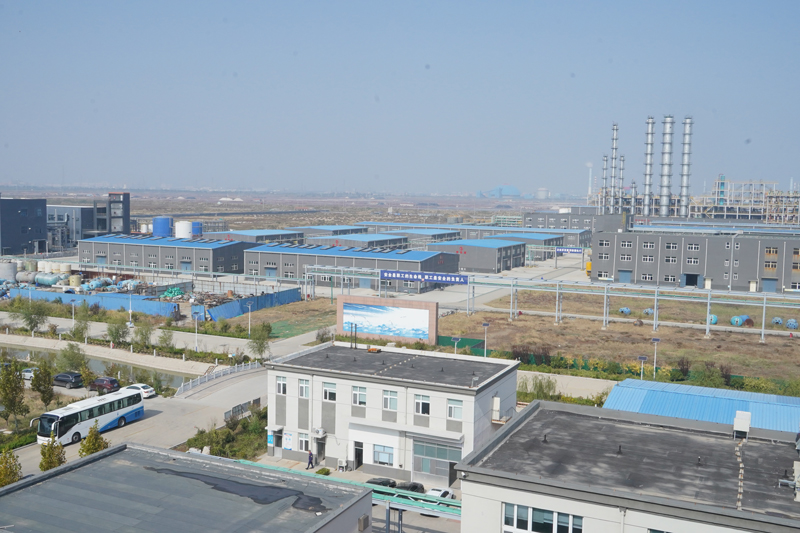
Headquartered in Jinan Chemical Industry Park, driving sustainable green chemistry and continuous technical innovation worldwide.

16+
Years Industry Experience
500+
Acres Production Footprint
200+
Countries & Regions Exported
5000+
Global Corporate Clients

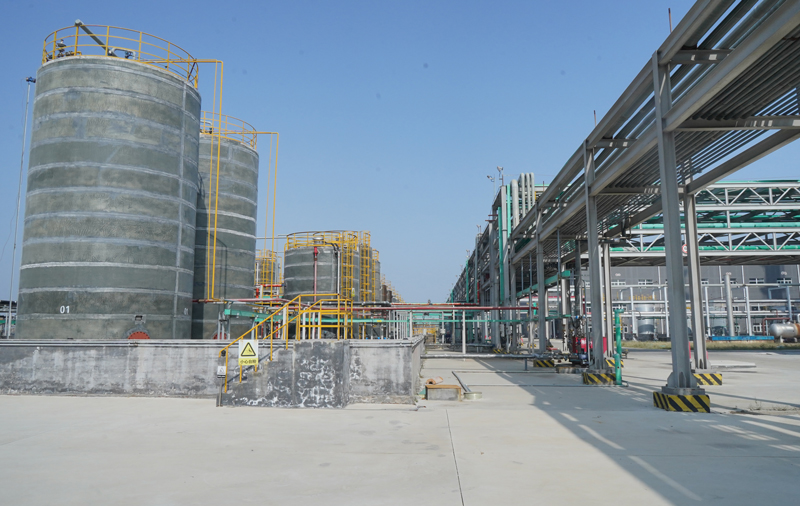
Modern Production Facilities

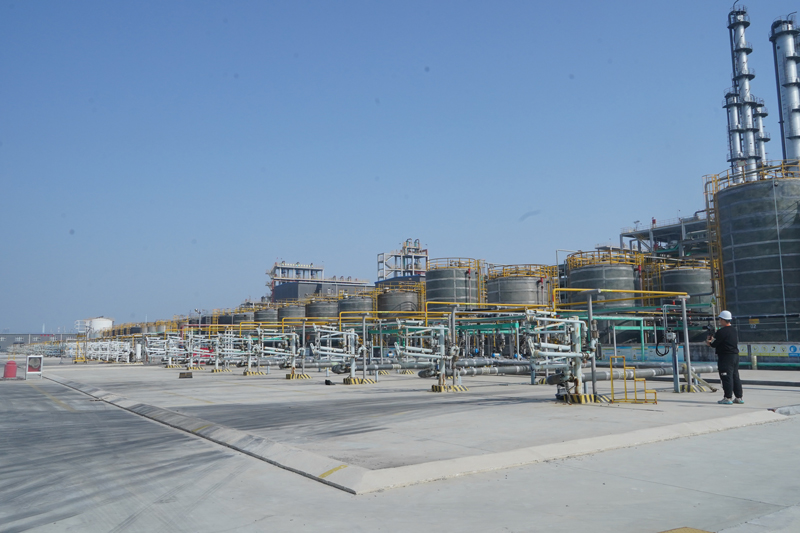
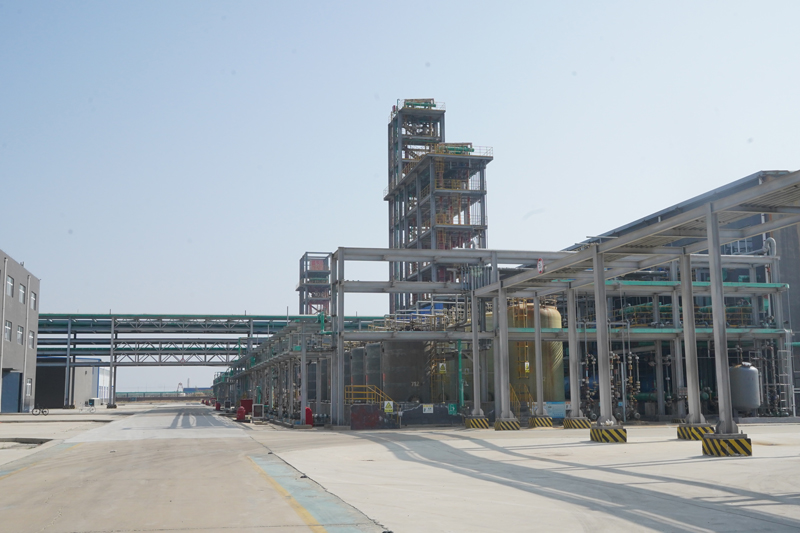
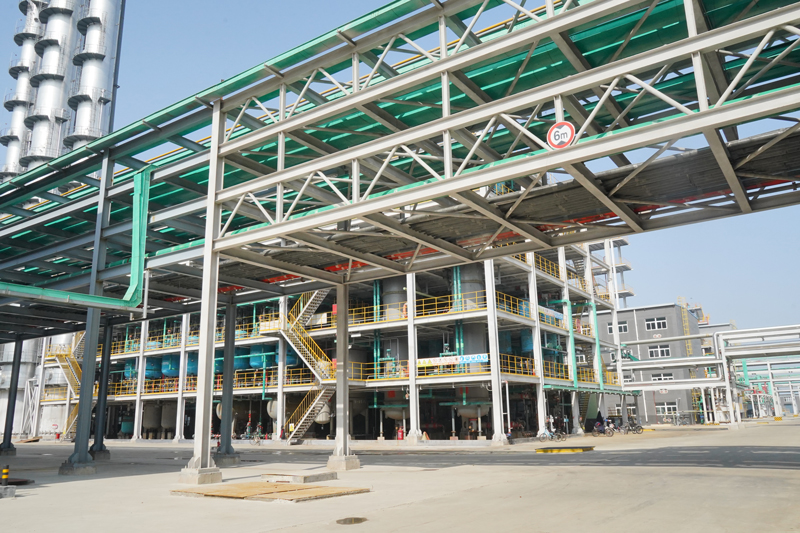
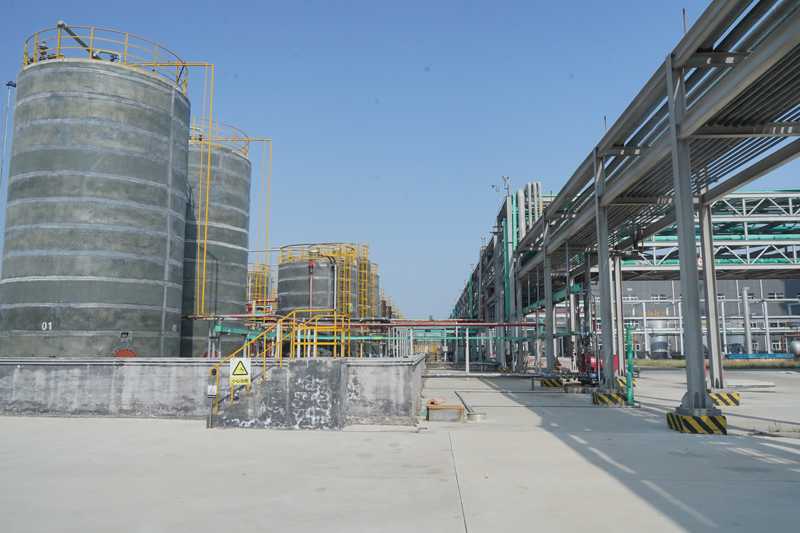
Operating out of the Jinan Chemical Industry Park (Shandong Province), our automated digital reactor suites ensure strict batch-to-batch reproducibility across scale ranges from metric tons to high-potency laboratory batches.

Full Quality Control System

Integrated ISO 9001 and ISO 14001 certified QA workflows. Raw materials undergo full HPLC, GC-MS, ICP-MS heavy metal testing, and microbiological assays with end-to-end batch traceability codes.

Green Chemistry & Compliance

Aligned with the global "dual-carbon" reduction strategy, our environmental remediation units process waste gas, water, and residues, delivering low-carbon footprint chemical solutions for international partners.

China Supply Chain Superiority & B2B Purchasing Solutions

Why multinational chemical buyers and pharmaceutical compounders choose JIMPOCHEM as their designated supplier.

Procuring complex active cosmetic ingredients like Tretinoin, Niacinamide, and Azelaic Acid demands seamless supply chain integration, raw material synthesis optimization, and strict regulatory documentation. As a leading manufacturer based in Jinan, China, JIMPOCHEM provides clear strategic procurement advantages:

1. Direct Raw Material Precursor Vertical Integration

Our centralized manufacturing site eliminates intermediary markups by controlling precursor sourcing. From raw adipic acid derivatives for bio-based Azelaic Acid synthesis to high-purity pyridine derivatives for low-nicotinic acid Niacinamide manufacturing, our vertical integration guarantees price stability and uncompromised structural purity.

2. Customized Physical Specifications

Formulation behavior relies heavily on solid-state particle physics. We provide custom micronization down to $D_{90} < 10\ \mu\text{m}$ for Azelaic Acid (crucial for smooth, non-gritty suspension gels) and controlled crystalline particle sizing for Niacinamide to enhance dissolution rates in aqueous phases.

3. Complete Regulatory Support Package

Every commercial order is accompanied by a complete compliance dossier: Certificate of Analysis (COA) per batch, Material Safety Data Sheets (MSDS/SDS) compliant with GHS regulations, Heavy Metal & Residual Solvent Analyses (per USP <467>), BSE/TSE-Free Declarations, and REACH Registration documentation for European importers.

Market Trends & Localized Application Scenarios

Navigating the global shift toward multi-active clinical dermatological products across commercial sectors.

Clinical Derma-Cosmetics Shift

Global consumers are migrating from simple botanical extracts to high-efficacy, dermatologist-backed active chemicals with transparent percentage disclosures.

Micro-Encapsulation & Lipid Delivery

Formulators rely on liposomal encapsulation of Tretinoin and Azelaic Acid to enhance lipid phase skin penetration, reduce light sensitivity, and extend shelf-life stability.

Multi-Sector Application Scope

Beyond daily cosmetics, our fine chemical portfolio fuels pharmaceutical intermediate synthesis, rubber/plastics stabilizers, advanced coatings, and food additives.

Comprehensive Industrial Application Matrix

JIMPOCHEM provides integrated "R&D - Production - Application - Service" solutions tailored to specific commercial market requirements:

  • Daily Chemical & Cosmetic Industry: Prescription-strength anti-acne serums, hyperpigmentation control creams, barrier-repair lotions, medical sunscreens, and anti-aging treatments.
  • Pharmaceutical Industry: Active Pharmaceutical Ingredients (APIs), excipients, reaction intermediates, specialized synthesis catalysts, and medical anesthesia raw material supply.
  • Rubber & Plastics Industry: High-performance polymer processing aids, anti-degradants, specialized seals, and automotive component additives.
  • Coatings, Inks & Specialty Chemicals: Architectural and decorative anti-corrosion coatings, UV-curable industrial printing inks, and specialty monomer additives.
  • Food & Feed Additive Sector: Preservatives, color retention agents, natural humectants, and verified nutritional fortifiers.
  • Electronics & New Energy Sector: High-purity electronic-grade solvents, battery electrolyte materials, display chemical substrates, and semiconductor processing chemicals.

Corporate Infrastructure & Manufacturing Facilities

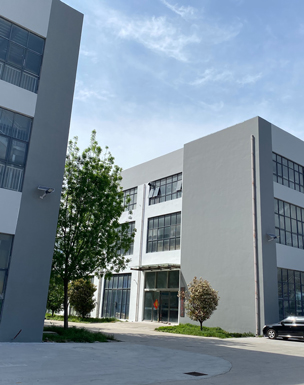
Take an operational tour of JIMPOCHEM CO., LTD — 500+ Acres of Advanced Chemical Manufacturing Excellence.

Established in 2010 in the Chemical Industry Park of Jinan City, Shandong Province, JIMPOCHEM CO., LTD integrates chemical research, automated production, international logistics, and technical customer support. With 16 years of chemical manufacturing expertise, our core team of senior chemical engineers creates custom synthesis pathways for international brands across Europe, North America, South America, Southeast Asia, and the Middle East.

5000+
Designated Partner Enterprises

Frequently Asked Procurement & Formulation Questions (FAQ)

Essential technical and logistical answers for B2B buyers, chemical engineers, and regulatory specialists.

Q1: How do you address the solubility and stability challenges of combining Tretinoin, Niacinamide, and Azelaic Acid in one emulsion?
Combining these three active ingredients requires careful pH optimization and solubility engineering. Niacinamide is water-soluble and stable around pH 5.0–6.0. Azelaic Acid has limited solubility in both water and oil, requiring micronization ($D_{90} < 10\ \mu\text{m}$) or specific glycols (such as Ethoxydiglycol or Propanediol) for uniform suspension or solubilization. Tretinoin is hydrophobic and photolabile, necessitating lipid solubilizers, antioxidants (BHT, Tocopherol), and light-protected processing. Maintaining the formula at pH 5.0–5.5 prevents Niacinamide hydrolysis into nicotinic acid while preserving Tretinoin active stability.
Q2: What purity standards and residual nicotinic acid controls apply to your Niacinamide raw material?
Our Cosmetic/Pharma Grade Niacinamide meets USP and EP monographs, offering assay purity $\ge 99.5\%$. Crucially for dermatological applications, our production process strictly limits residual free Nicotinic Acid (Niacin) to less than 10 ppm (<0.001%). This eliminates the cutaneous vasodilation, flushing, and burning sensations commonly triggered by lower-grade Niacinamide.
Q3: What documentation do you supply for international regulatory submission and customs clearance?
We issue complete regulatory dossiers for every batch. This includes standard batch COAs, SDS/MSDS, HPLC assay chromatograms, heavy metal test reports (ICP-MS), residual solvent profiles (GC-MS), microbial limit testing, REACH compliance statements, and BSE/TSE-free certificates. Drug Master Files (DMF) are available for active pharmaceutical ingredients upon request.
Q4: Can JIMPOCHEM provide micronized particle sizes tailored to our precise suspension requirements?
Yes. Our Jinan production center features air-jet micronization equipment capable of customizing particle size distribution (PSD). For Azelaic Acid, we standardly offer ultramicrofine grades with $D_{90} < 10\ \mu\text{m}$ to ensure stable physical suspension in lotion matrices without tactile grittiness. Custom PSDs are available upon customer specification.
Q5: What are the minimum order quantities (MOQ) and lead times for global orders?
Our MOQs accommodate both pilot-scale development and large-scale manufacturing. High-potency active APIs like Tretinoin start at 1 kg MOQs in specialized light-shielded packaging. Standard cosmetic raw materials like Niacinamide and Azelaic Acid have MOQs starting at 25 kg fiber drums. In-stock products ship within 3–5 business days, while custom micronization or synthesis orders carry a 2-week manufacturing cycle.
Q6: How does JIMPOCHEM protect light-sensitive and oxygen-sensitive actives during transport?
All oxidation-sensitive or light-sensitive active raw materials (such as Tretinoin and Vitamin C derivatives) are sealed under nitrogen flush in double-layer food/pharma grade PE bags within light-proof aluminum foil barrier bags, packed into heavy-duty fiber drums. Temperature-controlled cold-chain logistics are provided for thermally sensitive compounds to ensure peak potency upon arrival.

Additional Certified Chemical Raw Materials & Fine Intermediates

Explore our broader industrial chemical catalog available for direct global purchase.
Sodium Pyruvate CAS 113-24-6

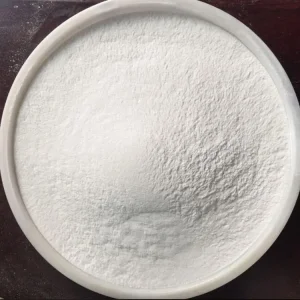
Sodium Pyruvate CAS 113-24-6 White Powder

View Details & Order
Solketal CAS 100-79-8

Solketal CAS 100-79-8 High Purity Solvent Liquid

View Details & Order
Dioctyl Sulfosuccinate Sodium Salt

Dioctyl Sulfosuccinate Sodium Salt CAS 577-11-7

View Details & Order
Magnesium Myristate CAS 4086-70-8

Magnesium Myristate CAS 4086-70-8 Binder Active

View Details & Order
Ammonium Thioglycolate

Ammonium Thioglycolate CAS 5421-46-5 Liquid

View Details & Order
Soda Lime Absorbent CAS 8006-28-8

Soda Lime CO2 Absorbent CAS 8006-28-8 Medical Grade

View Details & Order
Sodium L-Pyroglutamate Supplier

Sodium L-Pyroglutamate NMF Humectant Raw Material

View Details & Order
PPG-20 Methyl Glucose Ether CAS 61849-72-7

PPG-20 Methyl Glucose Ether CAS 61849-72-7 Supplier

View Details & Order

Complete Integrated Product Line Reference

Daily Chemical Actives:
• SUCROSE MONOLAURATE CAS 25339-99-5
• OCTYLPHENYLPOLYETHYLENE GLYCOL CAS 9002-93-1
• Bemotrizinol CAS 187393-00-6
• Lauryl Hydroxysultaine CAS 13197-76-7
• Zinc Pyrithione CAS 13463-41-7
• Sodium phytate CAS 14306-25-3
Organic & Specialty Chemicals:
• Calcium acetylacetonate CAS 19372-44-2
• Propyl disulfide CAS 629-19-6
• Dibenzoylmethane CAS 120-46-7
• 2,4,6-Tri-(6-aminocaproic acid)-1,3,5-triazine CAS 80584-91-4
• Methylhydroquinone CAS 95-71-6
• Tetradecane CAS 629-59-4
Health & Medical Care Compounds:
• DHHB CAS 302776-68-7
• N-(3-Aminopropyl)morpholine CAS 123-00-2
• PCMX CAS 88-04-0
• 4-Isopropyl-3-methylphenol CAS 3228-02-2
• Tris Base CAS 77-86-1
• Glutathione CAS 70-18-8
Fluorine Compounds & Additives:
• LITFSI CAS 90076-65-6
• Methyl Perfluoroisobutyl Ether CAS 163702-08-7
• Lactitol Monohydrate CAS 81025-04-9
• Sodium lactate CAS 72-17-3
• Casein CAS 9000-71-9
• D-Mannose CAS 3458-28-4