Explore our high-performance fine chemicals, UV absorbers, and specialty organic intermediates manufactured under strict ISO quality management protocols.
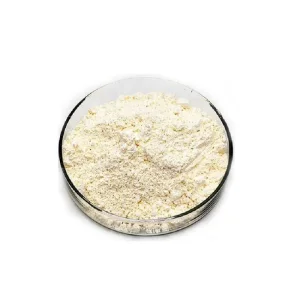
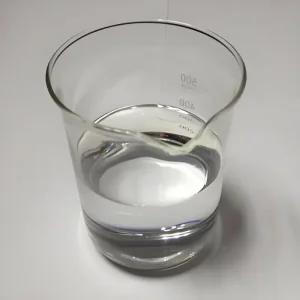
Comprehensive physicochemical profiling and synthesis parameters for Propyl Disulfide (CAS 629-19-6) in global industrial manufacturing processes.
Propyl disulfide, systematically designated as Dipropyl Disulfide or 1-(propyldisulfanyan)propane (CAS Registry Number: 629-19-6), is a symmetric organosulfur compound characterized by a disulfide linkage (-S-S-) connected to two linear propyl aliphatic chains. Featuring the chemical formula C₆H₁₄S₂ and a molecular mass of 150.31 g/mol, it represents a crucial building block in sulfur chemistry.
Exhibiting a distinct pungent, warm, and allaceous (garlic-onion-like) odor, Propyl disulfide is widely utilized in sub-ppm concentrations for sensory enhancement. Chemically, the disulfide bond exhibits moderate cleavage vulnerability under reductive conditions, enabling its conversion to 1-propanethiol or participation in radical-mediated polymerization and catalyst activation processes.
At JIMPOCHEM, our production protocols enforce rigorous Gas Chromatography-Mass Spectrometry (GC-MS) and High-Performance Liquid Chromatography (HPLC) screening. Every batch undergoes strict moisture content evaluation (Karl Fischer) and trace metallic impurity assays to ensure total active ingredient concentrations exceeding 98.0% and 99.0% for pharmaceutical/flavor grade requirements.
| Property / Parameter | Technical Specification Value | Testing Protocol / Standard |
|---|---|---|
| CAS Registry Number | 629-19-6 | EINECS: 211-079-8 |
| IUPAC Name | 1-(propyldisulfanyl)propane | Structure Verification via NMR |
| Chemical Purity (GC) | ≥ 98.0% (Industrial Grade) / ≥ 99.0% (Flavor/Tech Grade) | ASTM D5504 / Internal GC-FID |
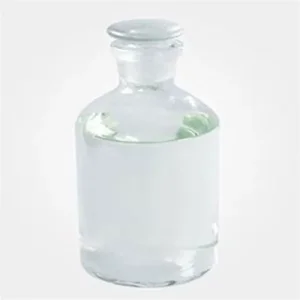
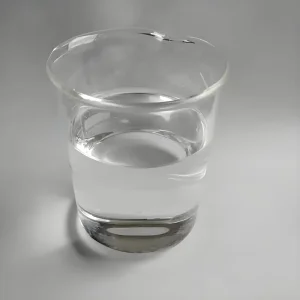
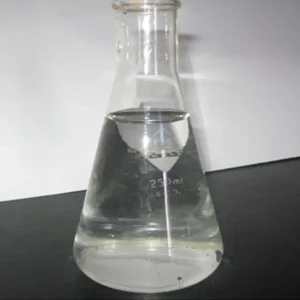
| Appearance & Physical State | Clear, colorless to pale yellow liquid | Visual Inspection |
| Boiling Point | 193.0 °C to 195.0 °C @ 760 mmHg | ISO 918 standard |
| Flash Point | 68.0 °C (154.4 °F) - Closed Cup | ASTM D93 / Pensky-Martens |
| Density / Specific Gravity | 0.960 - 0.965 g/cm³ at 20 °C | ISO 12185 Pycnometer |
| Refractive Index (n20/D) | 1.4950 - 1.5010 | Abbe Refractometer (ASTM D1218) |
| Solubility Profile | Insoluble in water; soluble in ethanol, ether, oils, and organic solvents | OECD Guideline 105 |
| Moisture Content (H₂O) | ≤ 0.1% Max | Karl Fischer Coulometric Titration |
Discover how Propyl disulfide (CAS 629-19-6) drives efficiency, flavor authenticities, and process stability across diverse global commercial domains.
Propyl disulfide acts as a specialized sulfur donor for in-situ and ex-situ presulfiding of hydrotreating (HDN, HDS) and hydrocracking catalysts (Co-Mo, Ni-Mo types). By converting metal oxides into active metal sulfide phases at optimized thermal decomposition temperatures, it maximizes catalyst activity while minimizing premature coking in pyrolysis furnaces.
Approved under FEMA number 3228 and EU Flavouring Regulation standards, Propyl disulfide provides essential savory, onion, garlic, and roasted meat flavor top-notes. Utilized in micro-quantities within processed soups, seasonings, sauces, and snack food formulations, it delivers authentic flavor profiles with exceptional stability during thermal food processing.
In modern crop protection chemistry, Propyl disulfide serves as a crucial intermediate for synthesizing bio-based soil fumigants, natural nematocides, and broad-spectrum crop protection chemicals. Its naturally derived sulfur pathways offer eco-friendly alternatives to legacy synthetic pesticides, mitigating soil resistance issues.
Functioning as a chain transfer agent and sulfur-crosslinking modifier, Propyl disulfide regulates molecular weight distribution in synthetic rubber and polymer synthesis. It enhances thermal resistance and elastic recovery parameters in specialty fluoroelastomers, silicone compounds, and industrial seals.
Synthetic chemists leverage CAS 629-19-6 for asymmetric organosulfur reactions, thiol-disulfide exchange protocols, and pharmaceutical intermediate precursor design. Its consistent reactive profile under mild catalytic conditions allows precise sulfenyl halide or sulfoxide preparation.
In high-temperature thermal cracking units, injecting trace concentrations of Propyl disulfide forms a protective metal sulfide passivation layer on internal alloy tube surfaces, drastically inhibiting iron/nickel-catalyzed carbon deposition (coking) and extending furnace run lengths.
Extensive distribution infrastructure engineered for seamless bulk procurement across North America, Europe, Asia-Pacific, and the Middle East.
The global demand for Propyl disulfide (CAS 629-19-6) continues an upward trajectory, driven by expanding petrochemical hydroprocessing needs and rising consumer preference for naturally identical flavor ingredients. Procurement directors facing volatile chemical supply chains require certified manufacturing partners capable of guaranteeing long-term supply volume stability, precise technical compliance, and competitive factory-direct pricing structures.
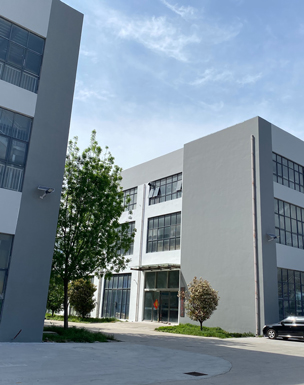
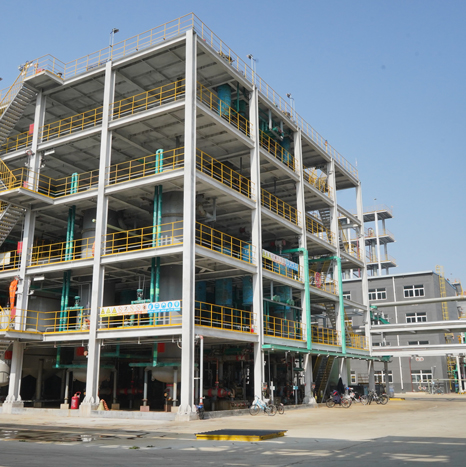
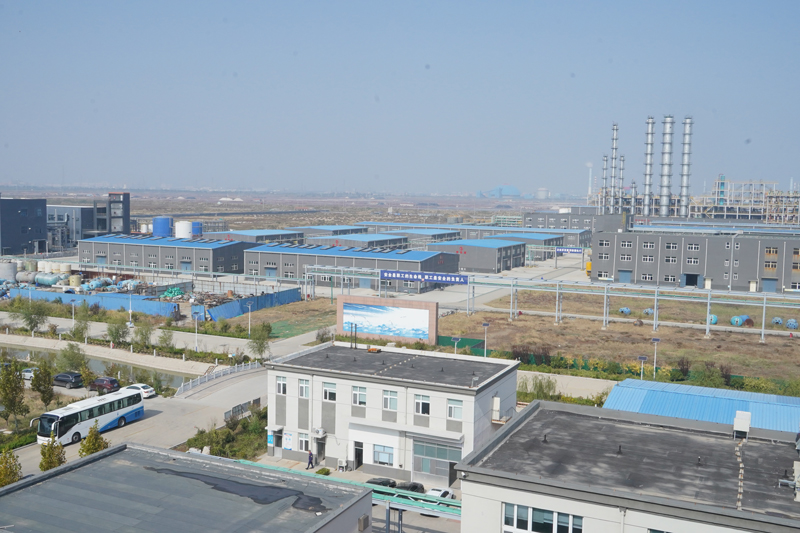
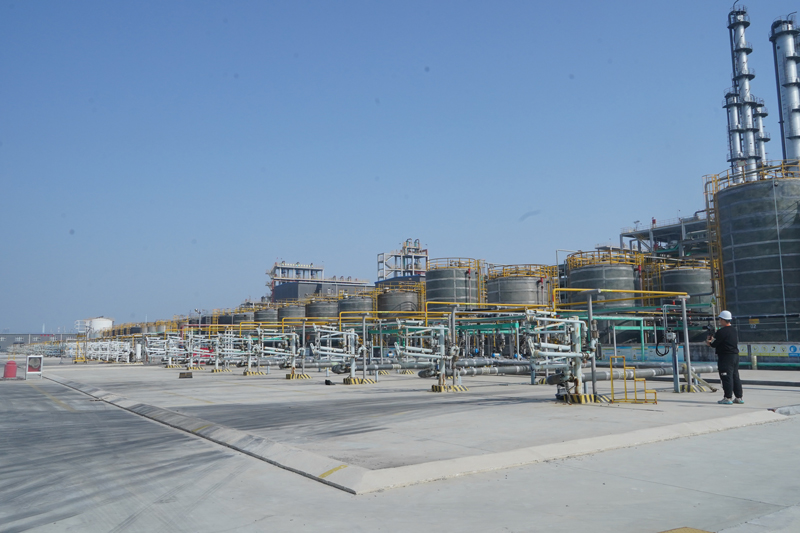
JIMPOCHEM CO., LTD was established in 2010 and is headquartered in the Chemical Industry Park of Jinan City, Shandong Province. Spanning an expansive area of over 500 acres, the company is a professional fine chemical raw material manufacturer integrating advanced research and development, large-scale industrial production, global sales, and specialized technical support.
Our core enterprise focus centers on high-end fine chemicals, pharmaceutical intermediates, daily chemical ingredients, and organosulfur solutions. Having achieved complete ISO 9001 Quality Management System Certification and ISO 14001 Environmental Management System Certification, we are dedicated to providing high-purity products alongside turnkey procurement solutions for international industrial buyers.
Pioneering eco-friendly organosulfur manufacturing pathways to align with global net-zero carbon goals and green chemistry mandates.
Transitioning from traditional stoichiometric chemical oxidation to aerobic catalytic oxidation of 1-propanethiol using green oxygen/air under mild heterogeneous catalysts. This drastically cuts liquid hazardous effluent by over 75% while maintaining chemical purity above 99.5%.
Replacing batch reactor systems with modern continuous micro-channel reactor setups. Micro-reactor technology optimizes mass and heat transfer during sulfoxidation reactions, completely eliminating thermal runaway risks and reducing residence time from hours to seconds.
Investing in bio-catalytic enzyme routes and phase-transfer catalysts operating in aqueous media. Our ongoing R&D pipeline targets zero volatile organic compound (VOC) emissions during organosulfur refining, providing ultra-clean materials for fragile application environments.
In-depth technical answers addressing purchasing specifications, regulatory certifications, and handling safety for Propyl disulfide (CAS 629-19-6).
A: We supply Propyl disulfide (CAS 629-19-6) in two main purity grades: Industrial Grade (≥98.0% min purity) for catalyst presulfiding, rubber vulcanization, and chemical synthesis; and High-Purity Flavor/Tech Grade (≥99.0% min purity) with strictly controlled trace mercaptan limits (<50 ppm) for food and flavor applications.
A: Propyl disulfide is a combustible liquid (Flash point ~68 °C) with a strong organosulfur odor. It should be handled in well-ventilated areas or under closed-loop containment using chemical-resistant gloves, protective eyewear, and vapor respirators. Refer to our latest GHS-compliant Safety Data Sheet (SDS) for detailed explosion control and spill mitigation guidelines.
A: Yes. While our standard logistics packaging includes 200 kg steel drums, 1,000 kg IBC totes, and stainless steel ISO tanks, we regularly accommodate customized drum net weights, specialized sample bottles (100 ml - 1 L for testing), and tailored nitrogen-blanketed containers based on client requirements.
A: Every commercial batch shipped from JIMPOCHEM includes a Certificate of Analysis (COA) detailing GC purity, specific gravity, refractive index, and moisture content. Upon request, we also provide Safety Data Sheets (SDS), Technical Data Sheets (TDS), REACH registration statements, and FEMA compliance declarations.
A: Propyl disulfide features a controlled thermal decomposition temperature range that allows gradual, uniform sulfur release. This facilitates smooth conversion of Co-Mo or Ni-Mo catalyst oxides into active metal sulfide states without causing local thermal spikes or carbon deposition, thereby preserving catalyst pore structure.
A: Store in tightly closed containers in a cool, dry, and well-ventilated warehouse away from direct sunlight, heat sources, and strong oxidizing agents. Under nitrogen blanket headspace and recommended storage temperatures (15-25 °C), Propyl disulfide maintains a shelf life of at least 24 months.
A: Prospective enterprise clients can request sample quantities (e.g., 250g or 500g) directly through our international sales desk. Samples are dispatched via specialized hazardous material courier services complete with COA and SDS documentation for rapid laboratory R&D evaluations.
A: Standard lead times for containerized drum orders are typically 7 to 10 days from order confirmation to port departure. ISO tank shipments and specialized export orders are fulfilled within 14 business days, backed by our Jinan manufacturing facility's stable inventory reserves.
Browse our additional certified portfolio products manufactured for pharmaceutical, fluorochemical, and specialized daily chemical applications.
Request comprehensive technical dossiers, batch-specific COAs, bulk pricing tiers, or lab-scale testing samples for Propyl disulfide (CAS 629-19-6). Our technical sales engineers respond within 12 business hours.
 JIMPOCHEM