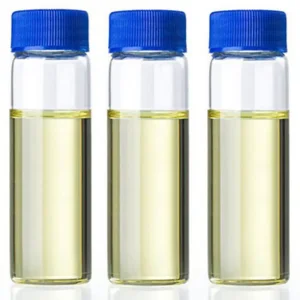
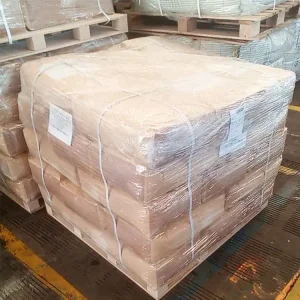
Explore our certified portfolio of fine chemicals, bio-based preservatives, and cosmetic actives backed by stringent ISO quality systems.
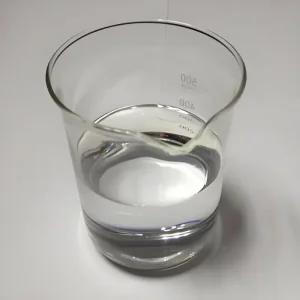
A Comprehensive Scientific & Commercial Analysis of Poly-L-lysine (CAS 28211-04-3)
Poly-L-lysine is a natural, biodegradable, cationic homo-polypeptide composed of L-lysine essential amino acid residues. In commercial biotechnology and industrial biopreservation, $\varepsilon$-Poly-L-lysine ($\varepsilon$-PL) represents the primary commercial standard. Unlike synthetic peptides linked via $\alpha$-carbon peptide bonds, $\varepsilon$-PL features unique linkage between the carboxyl group of one L-lysine and the $\varepsilon$-amino group of the adjacent monomer.
This structural conformation yields a hydrophilic polymer characterized by a degree of polymerization (DP) typically ranging between 25 to 35 amino acid units (MW ~3,600 to 4,700 Da). The abundance of positively charged amino groups ($pK_a \approx 10.5$) under physiological conditions provides exceptional electro-static interaction affinity with polyanionic biological membranes.
The biocide mechanism of action of Poly-L-lysine is predominantly physical and electrostatic rather than metabolic, preventing quick microbial mutation and resistance development:
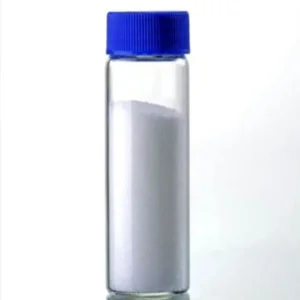
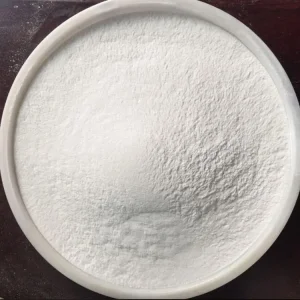
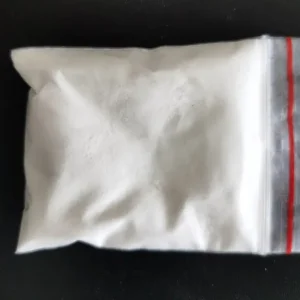
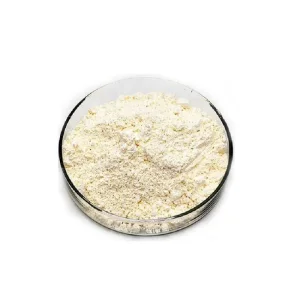
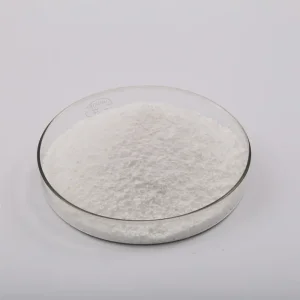
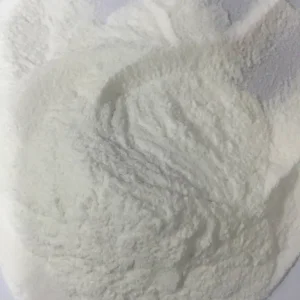
Standard industrial grade Poly-L-lysine is supplied as a high-purity off-white to pale yellow crystalline powder with minimum 95% active assay on dry basis. It exhibits exceptional thermal stability (retaining activity after 121°C processing for 20 minutes) and solubility in aqueous media up to 500 g/L across a broad pH spectrum (pH 2.0 – 9.0).
Evaluating Supply Chain Trends, Regional Demand Drivers, and Industry Growth Projections
The global Poly-L-lysine market is experiencing rapid expansion, driven by stringent global regulations against synthetic chemical preservatives (such as parabens, sodium benzoate, and nitrites). Downstream consumer demand for "clean-label" products in North America, Europe, and East Asia has positioned bio-fermented Poly-L-lysine as a premier natural antimicrobial solution.
Asia-Pacific: Dominates global manufacturing and bulk supply, led by advanced industrial fermentation hubs in China. Rapid adoption in fresh noodle, sushi, and meat preservation.
North America & EU: High-growth demand driven by strict biomedical research usage (tissue culture substrates) and cosmetics (natural botanical preservatives).
Poly-L-lysine compliance varies globally: US FDA GRAS (Generally Recognized As Safe) status (GRN No. 101, GRN No. 355), China National Food Safety Standard (GB 2760), and European Union novelty biological approvals. Comprehensive compliance requires rigorous heavy metal testing, residual solvent tracking, and microbiological certification.
| Preservative Class | Origin & Processing | Heat & pH Stability | Antimicrobial Spectrum | Consumer Perception |
|---|---|---|---|---|
| $\varepsilon$-Poly-L-lysine (CAS 28211-04-3) | Natural Bio-fermentation (Streptomyces) | Stable at 121°C / pH 2.0 - 9.0 | Broad Spectrum (Bacteria, Yeasts, Molds) | Clean Label / Natural Active |
| Nisin | Bacterial Fermentation (Lactococcus) | Sensitive to high pH (>6.0) | Gram-Positive Bacteria Only | Natural / Limited Spectrum |
| Sodium Benzoate / Potassium Sorbate | Synthetic Petrochemical Synthesis | Moderate / Degrades at high heat | Fungi & Selective Bacteria | Synthetic Chemical Label |
| Parabens (Methyl/Propyl) | Synthetic Organic Synthesis | Moderate Thermal Tolerance | Broad Spectrum | Negative / Formulator Avoidance |
From Microbial Strain Selection to Downstream Purification Infrastructure
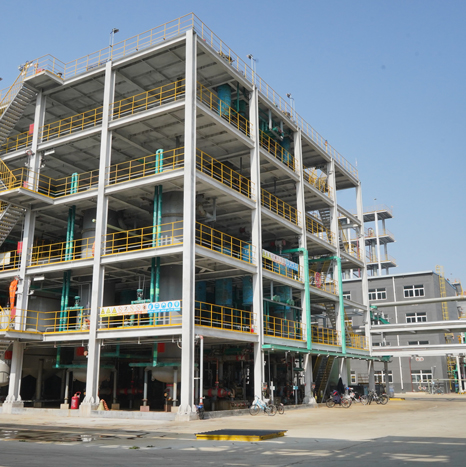
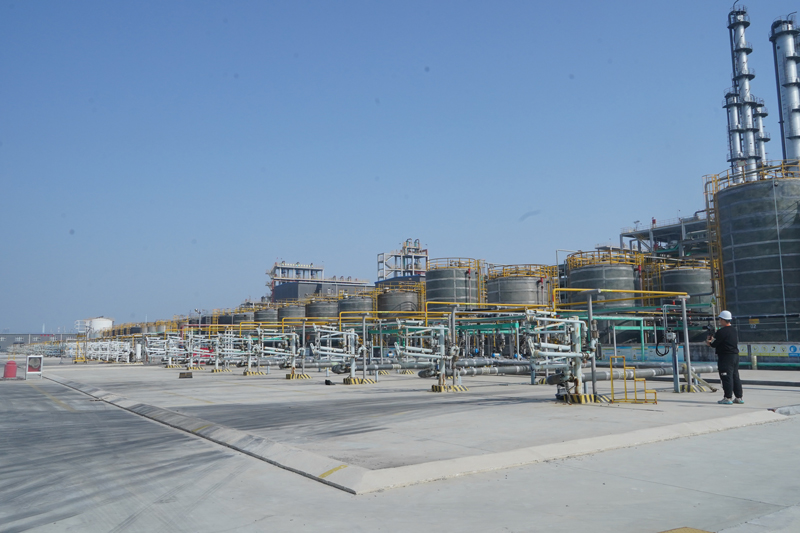
Industrial production relies on high-yield mutant strains of Streptomyces albulus. Fermentation is conducted under precisely controlled aerobic conditions in 50,000L+ stainless steel bioreactors. Glucose and ammonium sulfate serve as primary carbon and nitrogen sources. Carbon flux and dissolved oxygen (DO) levels are dynamically adjusted to optimize biosynthetic pathways, maintaining cell density while stimulating extracellular polypeptide secretion during the stationary phase.
Post-fermentation broth undergoes microfiltration or centrifugation to remove cellular biomass. The clear supernatant containing dilute $\varepsilon$-PL is subjected to multi-stage ultrafiltration (1,000–3,000 Da MWCO membranes) to concentrate the polypeptide and eliminate low-molecular-weight salts and metabolic byproducts.
Concentrated liquid passes through weak cation exchange resin columns (e.g., Macroporous resins). Poly-L-lysine is selectively adsorbed while impurities are washed away. Desorption is accomplished using gradient sodium chloride or dilute hydrochloric acid eluents, yielding high-purity fractions.
Purified eluates undergo activated carbon treatment for decolorization and endotoxin removal, followed by low-temperature vacuum evaporation. Final conversion to free-flowing crystalline powder is achieved via sterile spray drying or lyophilization under GMP-compliant cleanroom conditions.
Empowering Global Supply Chains with Tailored Technical Integration Strategies
Poly-L-lysine acts as a powerful bio-preservative in starch-rich foods, meat products, seafood, and dairy formulations. Dosage levels as low as 50–200 ppm effectively inhibit spoilage organisms such as Bacillus subtilis, Escherichia coli, Listeria monocytogenes, and Staphylococcus aureus.
Synergistic Blends: Combining $\varepsilon$-PL with organic acids (citric acid, malic acid) or vinegar extracts creates synergistic preservation systems that significantly extend shelf life without impacting organoleptic properties.
In life science research and tissue engineering, Poly-L-lysine is used as a bio-functional surface coating for cell culture labware. High molecular weight PLL ($MW > 70,000\text{ Da}$) creates a positively charged extracellular matrix that dramatically enhances cell attachment, neurite outgrowth, and cell spreading in primary neuronal and transfected cell line cultures.
Formulators utilize $\varepsilon$-PL as a natural alternative to traditional cosmetic preservatives. Due to its cationic nature, it exhibits high conditioning affinity for hair keratin and skin proteins, functioning simultaneously as a natural broad-spectrum antimicrobial agent, skin moisturizer, and anti-static conditioner in premium shampoos, lotions, and facial serums.
Poly-L-lysine is increasingly applied in sustainable agriculture as a bio-fungicide and biopesticide for fruit post-harvest crop protection. It controls soft rot and gray mold (Botrytis cinerea) without leaving toxic chemical residues on produce, aligning with international organic farming compliance standards.
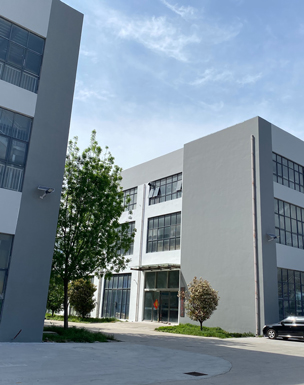
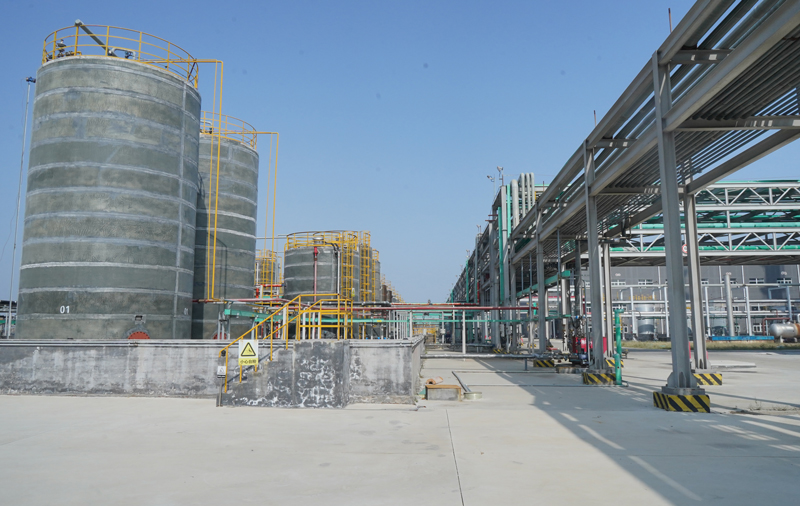
JIMPOCHEM CO., LTD — Designated Global Chemical Service Provider
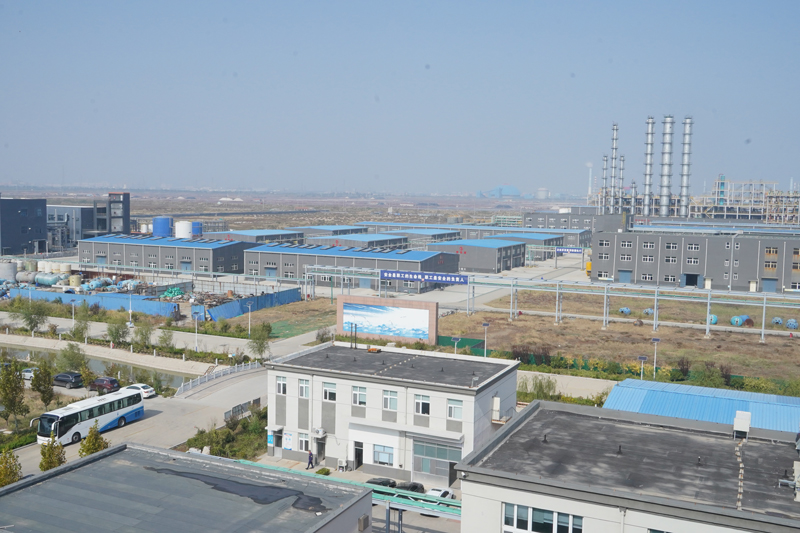
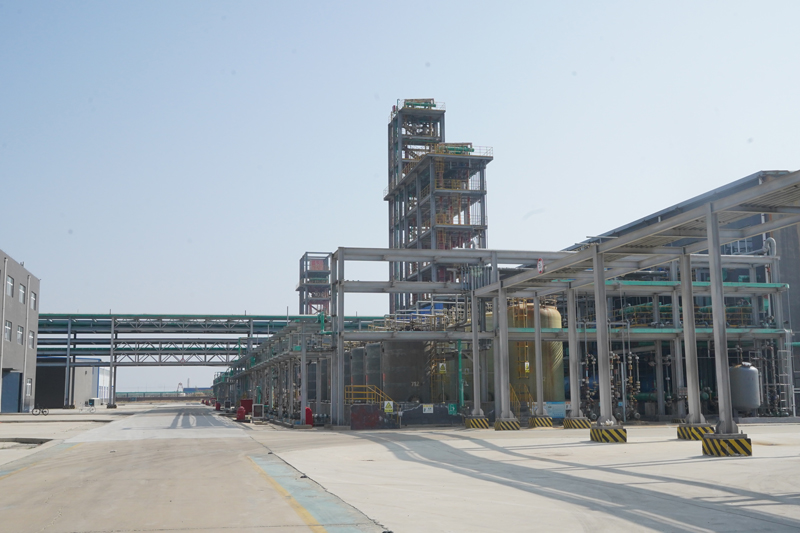
Leveraging automated digital synthesis and fermentation monitoring to balance large-scale bulk orders with specialized customer specifications.
Comprehensive quality control incorporating HPLC purity testing, FTIR molecular confirmation, heavy metal ICP-MS analysis, and third-party lab verification.
Environmentally friendly bio-processes with optimized zero-discharge water treatment systems supporting global dual-carbon sustainability goals.
Expert Engineering & Procurement Insights for Poly-L-lysine Sourcing
Discover our complementary raw chemical catalog manufactured to international standards.
 JIMPOCHEM