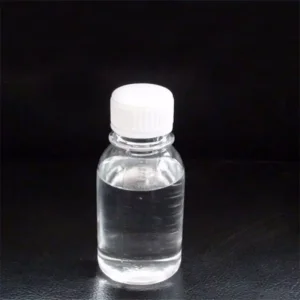
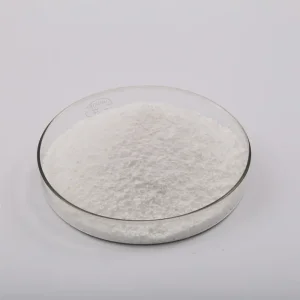
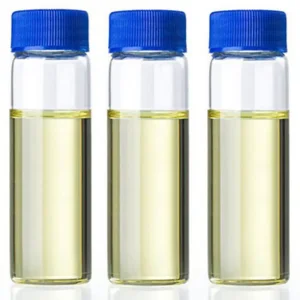
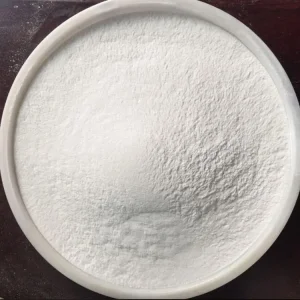
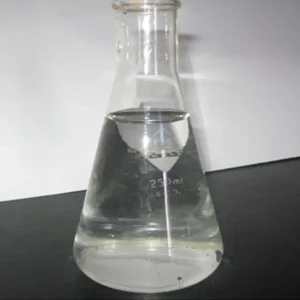
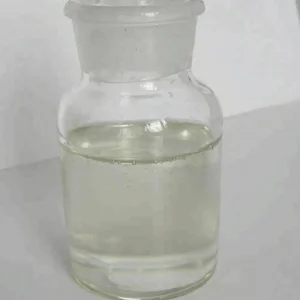
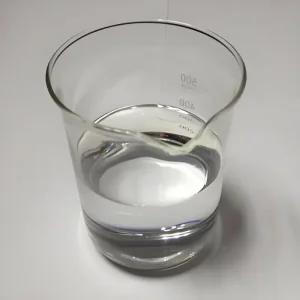
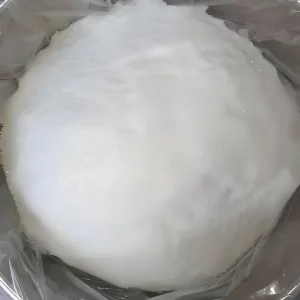
Dodecyl Hydroxysultaine (synonymously referred to as Lauryl Hydroxysultaine, N-(3-cocoamidopropyl)-N,N-dimethyl-N-(2-hydroxy-3-sulfopropyl)ammonium betaine, or LHS) represents an advanced high-performance zwitterionic amphoteric surfactant. Structurally characterized by its long-chain C12 alkyl hydrophobic tail coupled with a quaternary ammonium cation and a hydroxylated sulfonate anion, this molecule demonstrates superior interfacial activity across extreme chemical environments.
Unlike conventional alkyl betaines or alkylether sulfates, Dodecyl Hydroxysultaine exhibits extraordinary chemical stability across ultra-wide pH spectrums (pH 1.0 to 14.0), persistent foaming kinetics in hard water conditions exceeding 2,500 ppm CaCO3, and synergistic co-surfactant compatibility with anionic, cationic, non-ionic, and bio-based surfactant frameworks. As consumer demands shift aggressively toward sulfate-free personal care and industrial sectors prioritize eco-compliant, non-toxic EOR (Enhanced Oil Recovery) fluid additives, evaluating tier-1 suppliers and factory-direct manufacturing metrics for Dodecyl Hydroxysultaine becomes an essential strategic imperative for industrial procurement leads.
| Performance Parameter | Dodecyl Hydroxysultaine (LHS) | Cocamidopropyl Betaine (CAPB) | Lauryl Betaine (LB) | Sodium Alpha-Olefin Sulfonate (AOS) |
|---|---|---|---|---|
| Chemical Structure | Sulfobetaine with Hydroxyl Group | Carboxybetaine Amide | Alkyl Betaine | Anionic Sulfonate |
| pH Stability Range | 1.0 – 14.0 (Ultra Wide) | 3.0 – 10.0 (Moderate Acid Hydrolysis) | 2.0 – 12.0 | 4.0 – 12.0 |
| Hard Water Tolerance | Exceptional (> 2500 ppm) | Moderate (300 - 800 ppm) | Good (800 - 1200 ppm) | Moderate (500 - 1000 ppm) |
| Ocular & Dermal Irritation | Ultra-Low (Zein Score < 1.2) | Low-Moderate (Potential Amidoamine residual) | Moderate | High Irritation Potential |
| Foam Stability in High Salt | Outstanding (Synergistic Boost) | Degrades rapidly above 5% NaCl | Moderate decline | Precipitates at high salinity |
| Viscosity Response with Salt | Exponential Viscosifying Effect | Standard bell-curve response | Moderate response | Requires thickener additions |
The global high-purity zwitterionic surfactant market is experiencing a profound paradigm shift. The global market valuation for Dodecyl Hydroxysultaine is expanding at a projected CAGR of 7.8% from 2025 to 2035, underpinned by three major macro-industrial catalysts:
Global cosmetic formulators are systematically replacing Sodium Lauryl Sulfate (SLS) and Sodium Laureth Sulfate (SLES). Dodecyl Hydroxysultaine acts as the core secondary surfactant, mitigating irritation caused by primary cleansers while boosting flash foam and luxury creaminess in clear body washes and baby shampoos.
In mature oil fields, enhanced oil recovery relies heavily on foam flooding agents capable of maintaining interfacial tension reduction in extreme reservoir conditions (temperatures exceeding 120°C and total dissolved solids TDS > 200,000 mg/L). LHS exhibits zero thermal decomposition and superior foaminess under harsh sub-surface parameters.
Commercial cleaning formulations require surfactants that do not degrade in concentrate acid descalers (phosphoric/sulfamic acid) or heavy-duty caustic soda degreasers. The unique hydroxy-sulfobetaine structure of Dodecyl Hydroxysultaine guarantees total chemical stability without phase separation.
North America & Europe: Regulatory mandates such as EU REACH restrict trace free-amine and dichloro-propanol impurities in cosmetic raw materials. Procurement strategies favor factory suppliers delivering certified low-byproduct grades (Free Amine < 0.5%, Monochloroacetic acid free).
Asia-Pacific: Operating as the world’s manufacturing powerhouse, mainland China controls the principal supply chain for tertiary amines (Lauryl Dimethyl Amine). Sourcing directly from integrated Chinese chemical factories like JIMPOCHEM offers substantial cost efficiencies and supply continuity.
The commercial production of Dodecyl Hydroxysultaine requires precision control over a multi-stage nucleophilic substitution reaction. Quality disparities between standard regional vendors and high-grade factory suppliers stem from intermediate control and byproduct stripping processes.
Step 1 (Quaternization Intermediate): Reaction of Epichlorohydrin with Sodium Bisulfite under strictly controlled temperature (55°C – 65°C) and pH conditions to yield Sodium 3-chloro-2-hydroxypropanesulfonate.
CH2OCHCH2Cl + NaHSO3 → Cl-CH2-CH(OH)-CH2-SO3Na
Step 2 (Nucleophilic Substitution): Reaction of high-purity Lauryl Dimethylamine (C12 ≥ 98%) with Sodium 3-chloro-2-hydroxypropanesulfonate in an aqueous medium to generate Dodecyl Hydroxysultaine.
C12H25-N(CH3)2 + Cl-CH2-CH(OH)-CH2-SO3Na → C12H25-N+(CH3)2-CH2-CH(OH)-CH2-SO3- + NaCl
Standard grade: 35.0% ± 1.0%
Concentrated powder: ≥ 92.0%
≤ 0.5% (HPLC verification to eliminate skin sensitization risks)
Standard: 6.0% - 7.5%
Desalted Grade: ≤ 0.5% for high-tech applications
< 10 ppm (Strict carcinogen control for European regulatory compliance)
Formulation Objective: Achieve high luxury foam and thick viscosity without synthetic polymers or SLES.
Recommended Dosage: 3.0% – 12.0% active inclusion.
Synergy Effect: When blended with Sodium Lauroyl Sarcosinate or Sodium Cocoyl Isethionate (SCI), LHS dramatically reduces the Krafft point, preventing low-temperature precipitation while imparting a smooth, non-stripping skin feel.
Formulation Objective: Provide wetting, detergency, and stable foam in pH 1 acid descalers or pH 14 alkaline degreasers.
Recommended Dosage: 2.0% – 8.0% active inclusion.
Synergy Effect: LHS remains completely soluble in 15% HCl, 20% H3PO4, and 10% NaOH solutions, providing surface tension reduction down to 28 mN/m without oxidative breakdown.
Formulation Objective: Create micro-bubbles for mobility control in carbon dioxide (CO2) and nitrogen (N2) gas flooding.
Recommended Dosage: 0.2% – 0.5% active concentration in brine.
Synergy Effect: Maintains liquid foam half-life (> 45 minutes) at 100°C in the presence of crude oil and formation water containing divalent cations (Ca2+, Mg2+).
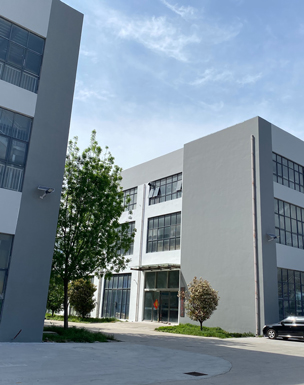
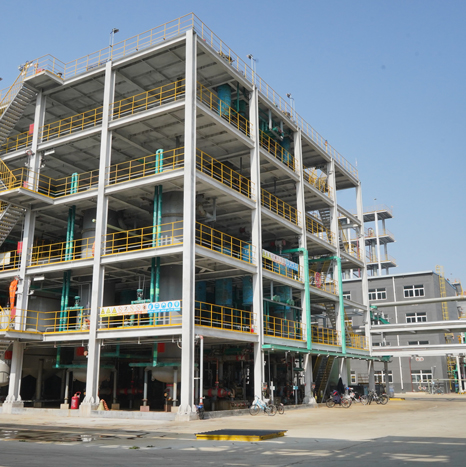
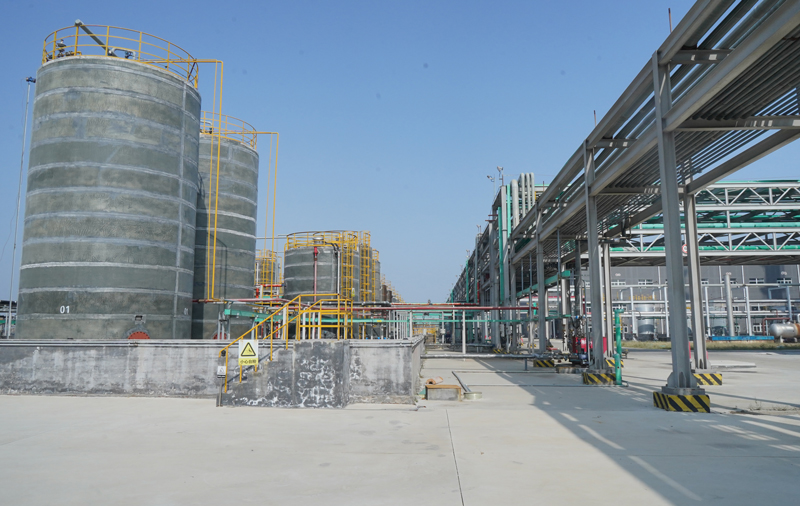
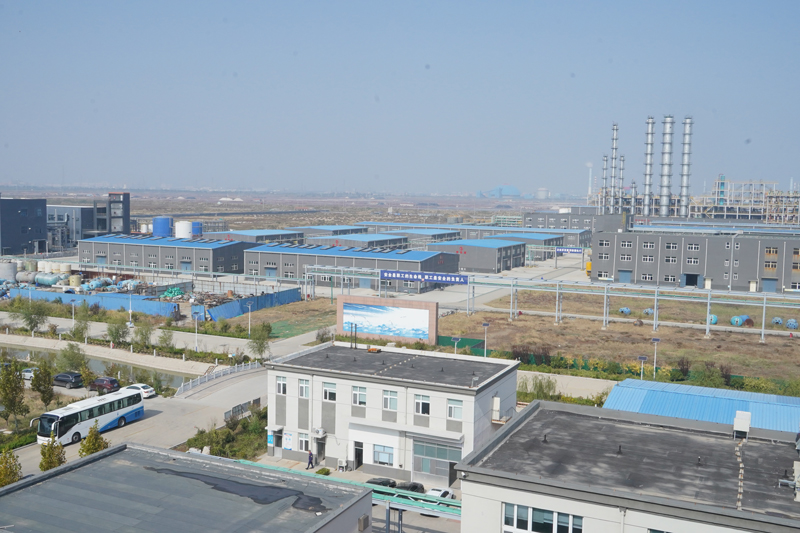
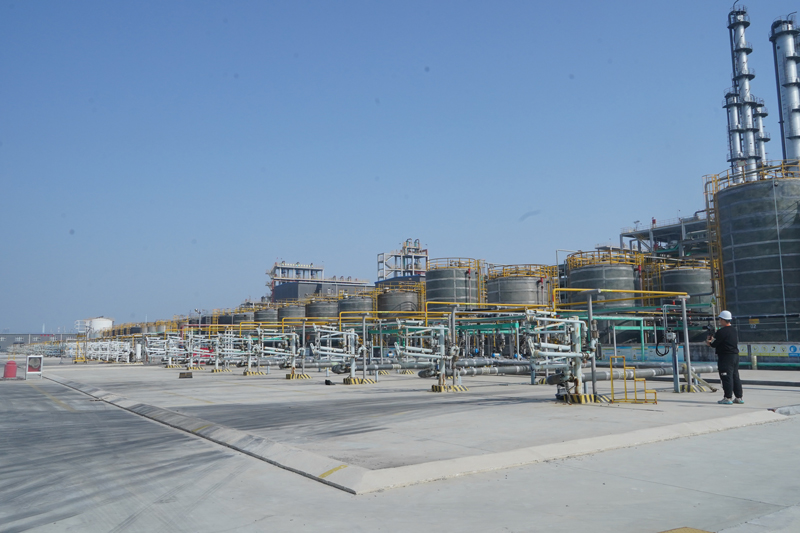
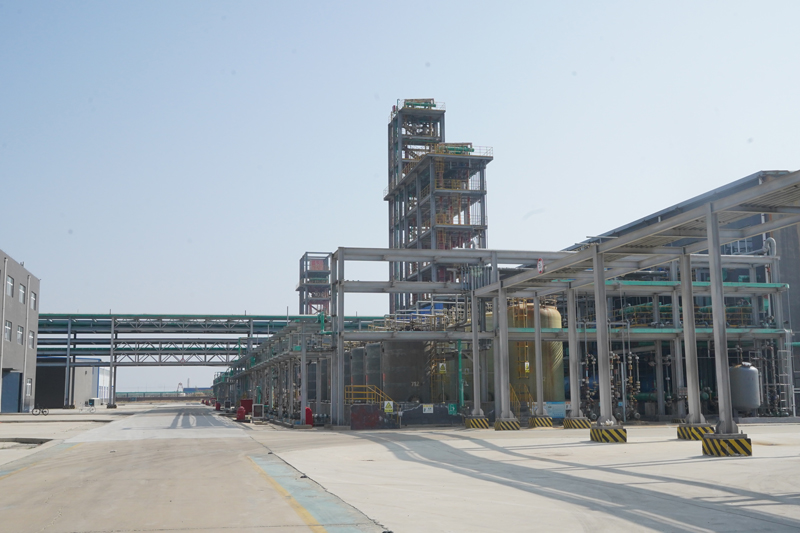
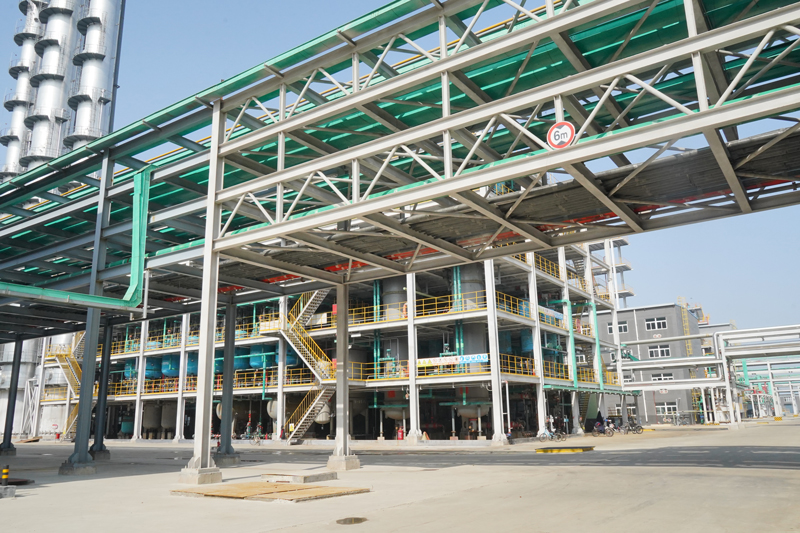
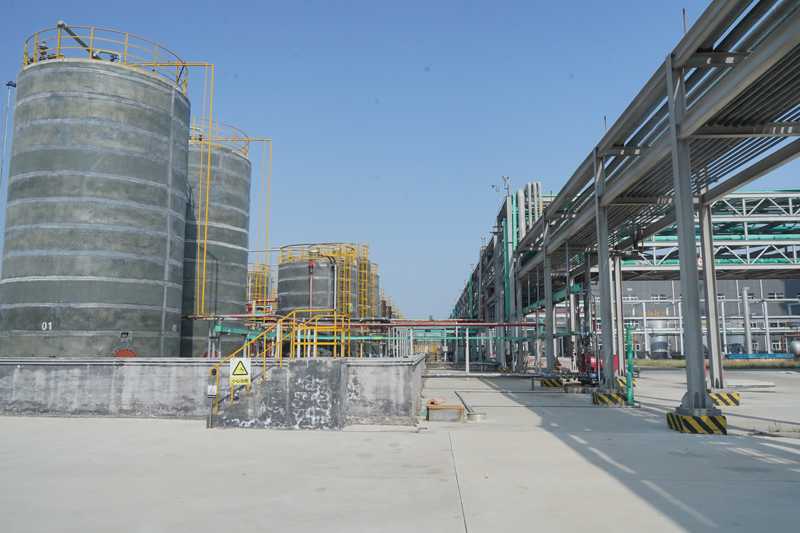
JIMPOCHEM CO., LTD was established in 2010 and is strategically headquartered in the premier Chemical Industry Park of Jinan City, Shandong Province. Spanning an expansive operational footprint of over 500 acres, JIMPOCHEM is a modern, state-of-the-art chemical raw material manufacturer integrating advanced R&D, precision mass synthesis, international sales, and dedicated application technical service. Our primary strategic focus concentrates on high-end fine chemicals, fluorine compounds, and premium cosmetic surfactants.
Leveraging deep industrial positioning, we maintain direct supply lines for high-purity fatty amines. Our automated digital production units balance massive batch runs with flexible customization, ensuring continuous supply for international bulk procurements.
Certified under ISO9001 Quality Management and ISO14001 Environmental Management Systems. Every batch undergoes full HPLC, GC, and ICP-MS testing with standardized Certificate of Analysis (COA) and complete lot traceability.
Aligning with global "Dual-Carbon" sustainability standards, JIMPOCHEM utilizes closed-loop waste treatment systems, energy-efficient distillation columns, and eco-friendly catalytic synthesis to produce low-carbon fine chemicals.
Explore our integrated synthesis workshops, analytical R&D laboratories, and automated packaging systems:
The evolving regulatory and economic realities demand continuous chemical innovation. JIMPOCHEM’s strategic R&D roadmap for Dodecyl Hydroxysultaine focuses on three distinct vectors:
Transitioning from petrochemical tertiary amines to coconut and RSPO-certified palm kernel oil derivatives. Achieving 100% renewable carbon index (RCI) compliance without altering performance parameters.
Developing ultra-pure spray-dried and flaked Dodecyl Hydroxysultaine (Active Content > 95%, NaCl < 0.5%) engineered specifically for anhydrous waterless personal care products like solid shampoo bars and powder cleansers.
Integrating machine learning formulation predictive models to calculate exact critical micelle concentrations (CMC) and binary surfactant packing parameters, helping enterprise clients shorten product development cycles from months to days.
While both are amphoteric surfactants containing a C12 alkyl chain, Lauryl Betaine possesses a carboxylic anion group (-COO-), whereas Dodecyl Hydroxysultaine features a sulfonate anion combined with a hydroxyl group (-CH(OH)-CH2-SO3-). This hydroxy-sulfobetaine structure confers substantially superior acid stability, higher salt tolerance, better eyes-and-skin mildness, and significantly stronger foam viscosity response in sulphate-free systems.
In sulfate-free formulations (e.g., using Glutamates, Sarcosinates, or Isethionates), building viscosity with electrolyte salts like NaCl is notoriously difficult. Dodecyl Hydroxysultaine forms elongated worm-like mixed micelles when paired with anionic co-surfactants. This microscopic structural transformation dramatically enhances system viscoelasticity at significantly lower salt levels (1.0% - 1.5% NaCl).
China is the world's primary producer of key precursors such as Lauryl Dimethylamine and Epichlorohydrin. Direct procurement from integrated Chinese chemical factories like JIMPOCHEM eliminates intermediary markup, guarantees continuous raw material availability, allows full customization of active content / salt levels, and ensures compliance with global REACH/ISO quality standards.
Yes. Due to the extreme stability of the C-S (carbon-sulfur) bond in the sulfonate group compared to the ester or amide bonds found in other surfactants, Dodecyl Hydroxysultaine does not undergo hydrolysis even in 15% strong mineral acids (HCl, H2SO4) or concentrated caustic soda (NaOH) solutions, making it ideal for hard-surface industrial degreasers and metal cleaners.
Dodecyl Hydroxysultaine (35% aqueous solution) is typically packed in 200kg plastic drums or 1000kg IBC totes. It should be stored in a dry, well-ventilated area away from direct sunlight at temperatures between 5°C and 40°C. The standard shelf life under unopened factory-sealed conditions is 24 months.
Absolutely. LHS exhibits exceptional thermal stability up to 150°C and maintains interfacial tension reduction in high-salinity brines (containing Mg2+ and Ca2+ ions up to 250,000 ppm TDS). It serves as a premier foaming agent for N2 and CO2 gas flooding EOR applications.
Every shipment is provided with a batch-specific Certificate of Analysis (COA), Technical Data Sheet (TDS), Safety Data Sheet (SDS) compliant with GHS Revision 8, and REACH registration documents upon request for European importers.
Formulators and procurement leads can contact our technical service department via our direct product pages. We provide free 500g laboratory evaluation samples along with custom synthesis options (e.g., low-salt grades, specific active matter concentrations).
 JIMPOCHEM