 JIMPOCHEM
Technical Whitepaper: 2,4,6-Tri-(6-aminocaproic acid)-1,3,5-triazine (CAS 80584-91-4)
An in-depth analysis of chemical structure, electrochemical passivation mechanisms, and industrial formulation engineering for modern water-based metalworking fluids.
Molecular Specification
Chemical Name: 2,4,6-Tri-(6-aminocaproic acid)-1,3,5-triazine
CAS Registry No.: 80584-91-4
EC Number: 279-505-5
Molecular Formula: C21H36N6O6
Molecular Weight: 468.55 g/mol
Physical & Chemical Properties
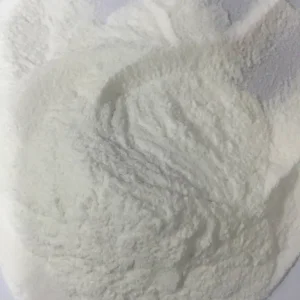
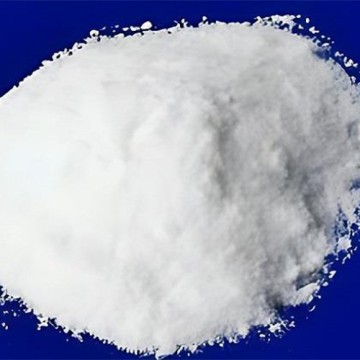
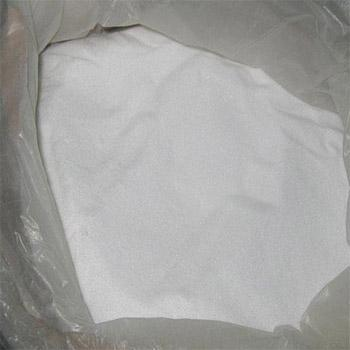
Appearance: Off-white to light yellow powder/granules
Purity (HPLC): ≥ 98.0% Active Content
Water Content: ≤ 1.0%
Melting Point: 138°C – 143°C
Solubility: Soluble in alkanolamines and alkaline aqueous solutions
Key Advantages
Zero Foaming: Does not produce secondary foam in turbulent machining.
Nitrite-Free: Environmentally safe alternative to toxic inorganic nitrites.
Hard Water Tolerant: Retains passivation in hard water up to 60°dH.
Ferrous Protection: Exceptional anti-rust defense on cast iron and steel.
1. Molecular Mechanism of Corrosion Inhibition
CAS 80584-91-4 (commercially recognized in high-end formulations under trade designations such as Irgacor 252 or TC-50) is a symmetrical triazine derivative engineered specifically for aqueous metal processing environments. The molecule consists of a stable 1,3,5-triazine core substituted with three 6-aminocaproic acid side chains. When neutralized with organic amines (such as Triethanolamine, Diisopropanolamine, or 2-Amino-2-methyl-1-propanol), it forms a highly soluble alkanolamine salt that hydrolyzes into anionic carboxylate species in water.
The electrochemical passivation occurs through a dual action mechanism: First, the nitrogen heteroatoms in the triazine ring possess lone pairs of electrons that coordinate with empty d-orbitals of ferrous iron atoms on the metal surface. Second, the terminal carboxylate groups (-COO⁻) bond ionically with Fe²⁺/Fe³⁺ ions, forming an insoluble, hydrophobic microscopic monomolecular chemisorbed film. This dense protective barrier blocks anodic oxidation sites, dramatically increasing charge transfer resistance and suppressing electron transfer from the metal substrate to dissolved oxygen molecules.
2. Performance Benchmark Table
| Property / Parameter | CAS 80584-91-4 (TC-50 Equivalent) | Standard Dodecanedioic Acid (DDDA) | Sodium Nitrite (NaNO₂) |
|---|---|---|---|
| Cast Iron Chips Test (DIN 51360/2) | Pass at 0.15% in water | Pass at 0.35% in water | Pass at 0.20% in water |
| Foaming Tendency (ASTM D892) | 0 ml (Extremely Low) | Moderate to High | Low |
| Hard Water Stability (CaCl₂) | Stable up to 2000 ppm (60°dH) | Precipitates at >300 ppm | Highly stable |
| Toxicological Profile | Nitrosamine-free, Low Ecotoxicity | Safe | Toxic, Nitrosamine Precursor |
| Aluminum Stain Inhibition | Non-staining to sensitive alloys | Requires additional inhibitors | Can etch sensitive alloys |
3. Application Scenarios & Formulation Guidelines
CAS 80584-91-4 is widely integrated into modern eco-conscious water-miscible industrial fluids. Procurement teams and formulation engineers utilize this multi-functional chemical additive across several critical sectors:
- Fully Synthetic Metalworking Fluids (Grinding & Cutting Solution): Recommended dosage ranges between 0.3% and 1.2% in concentrate formulations. Neutralized with Triethanolamine (TEA) or AMP-95 to achieve an optimal pH operational window between 8.5 and 9.5.
- Semi-Synthetic Micro-Emulsions: Serves as a primary corrosion inhibitor for ferrous metals while improving oil-water interface stability without inducing foam accumulation under high-pressure coolant jets (>50 bar).
- High-Water Content Hydraulic Fluids (HFA-S Systems): Provides vital anti-wear and anti-corrosion protection in water-based hydraulic lines used in steel manufacturing and mining hydraulics.
- Aqueous Industrial Cleaning Solutions & Anti-Rust Rinses: Added to final post-machining wash stages to leave a microscopic temporary rust preventative film that preserves workpieces during inter-process storage without requiring solvent degreasing before assembly.
- Circulating Cooling Water & Heat Transfer Systems: Prevents pitting corrosion in multi-metal cooling loops containing cast iron, mild steel, and copper alloys.
4. Global Market Dynamics & Procurement Demand Trends
The global demand for CAS 80584-91-4 is experiencing significant compound annual growth (CAGR > 6.4%) driven by stringent international environmental regulations. Western Europe (under REACH guidelines) and North America (OSHA regulations) are rapidly phasing out secondary amines, boric acid, and inorganic nitrites due to health risks associated with carcinogenic nitrosamine formation. As a consequence, formulators are migrating toward triazine tri-carboxylic acid derivatives.
Global buyers require consistent purity, tight particle size distribution for rapid dissolution in blending tanks, and absolute control over free caprolactam or cyanuric chloride residues. Supply chain resilience and predictable pricing structures have become paramount for international lubricant manufacturers when selecting primary chemical suppliers.