Buy Azelaic Acid Skin Lightening Manufacturer & Product

High-Purity (≥99.5%) Pharmaceutical & Cosmeceutical Grade Azelaic Acid (CAS 123-99-9). Direct Factory OEM/ODM Supply, Green Catalysis & Global Regulatory Compliance Solutions by JIMPOCHEM.

Request Bulk Quotation & COA Download Technical Whitepaper

Featured Fine Chemical & Cosmeceutical Portfolio (Top 8 Products)

Explore our premium manufacturing lineup, featuring high-purity functional raw materials produced under ISO-certified digital quality management systems.

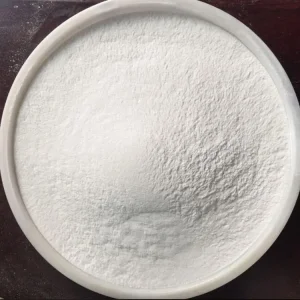
China 2,5-Furandicarboxylic Acid (FDCA) CAS 3238-40-2
China 2,5-Furandicarboxylic Acid (FDCA) CAS 3238-40-2 White Powder
View Details & Samples
China Diallyl Trisulfide Cas 2050-87-5 Supplier
China Diallyl Trisulfide CAS 2050-87-5 High Purity Supplier
View Details & Samples
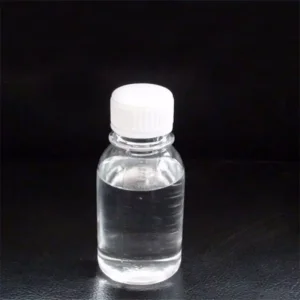
China Isopropyl Myristate CAS 110-27-0 Quality Liquid
China Isopropyl Myristate CAS 110-27-0 Quality Oily Liquid
View Details & Samples
China High-Quality Squalane CAS 111-01-3
China High-Quality Squalane CAS 111-01-3 Cosmeceutical Emollient
View Details & Samples
Buy Benzethonium Chloride CAS 121-54-0
Buy Benzethonium Chloride CAS 121-54-0 Quality Chemical
View Details & Samples
Buy Soda Lime Carbon Dioxide Absorbent CAS 8006-28-8
View Details & Samples
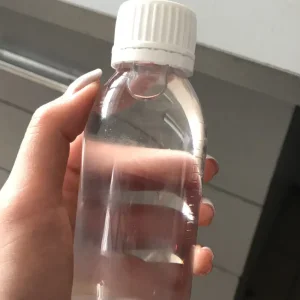
Buy Solketal CAS 100-79-8 Colorless Liquid
Buy Solketal CAS 100-79-8 Colorless Liquid High Purity
View Details & Samples
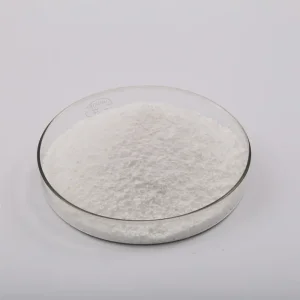
Buy Sodium pyruvate CAS 113-24-6
Buy Sodium Pyruvate CAS 113-24-6 Pure Grade Factory Supply
View Details & Samples

1. Azelaic Acid (CAS 123-99-9) In Skin Lightening: Molecular Mechanism & Formulative Superiority

Azelaic Acid (1,7-heptanedicarboxylic acid, molecular formula C9H16O4) is a naturally occurring saturated dicarboxylic acid recognized as a gold-standard dermatological agent for addressing epidermal hyperpigmentation, post-inflammatory hyperpigmentation (PIH), melasma, and acne vulgaris. Unlike harsh depigmenting chemicals such as Hydroquinone, Azelaic Acid exhibits selective cytotoxic and cytostatic action target-focused exclusively on hyperactive or abnormal melanocytes, leaving normal epidermal pigmentation completely untouched.

Competitive Tyrosinase Inhibition

Azelaic acid directly inhibits tyrosinase—the rate-limiting enzyme in melanogenesis—by blocking its active catalytic site. This halts the conversion of L-tyrosine into L-DOPA and subsequently DOPAquinone, effectively mitigating melanin synthesis at the biochemical source.

Mitochondrial Respiration Suppression

By reversibly inhibiting mitochondrial oxidoreductase enzymes and thioredoxin reductase, Azelaic Acid suppresses DNA synthesis and metabolic activity within abnormal, highly proliferative melano-cyto-pathological cells without inducing systemic cytotoxicity.

Scavenging Reactive Oxygen Species (ROS)

Demonstrating potent anti-inflammatory properties, Azelaic Acid decreases free radical generation by neutrophils. Free radicals are primary triggers for UV-induced skin darkening and post-inflammatory dermal damage.

Information Gain: Comparative Efficacy & Safety Matrix of Depigmenting Actives

Active Ingredient Primary Mechanism Melanocyte Selectivity Long-term Safety Profile Global Regulatory Limits
Azelaic Acid (CAS 123-99-9) Tyrosinase & Oxidoreductase Inhibition + ROS Neutralization High (Only Hyperactive Cells) Excellent (Non-cytotoxic, No Ochronosis Risk) OTC Cosmetic up to 10%; Rx 15-20% (NMPA, FDA, EU)
Hydroquinone Substrate Competition & Melanocyte Destruction Low (Destroys Normal Melanocytes) Poor (High risk of Exogenous Ochronosis & rebound) Banned in OTC cosmetics in EU, US, China
Kojic Acid Copper Chelation at Tyrosinase Active Site Moderate Moderate (High sensitization & oxidation risk) Restricted to 1.0% in EU cosmetic formulations
Alpha-Arbutin Reversible Tyrosinase Activity Inhibition Moderate Good (Risk of Hydroquinone release under heat) Max 2.0% in face products (EU SCCS)
Tranexamic Acid Plasminogen/Plasmin Pathway & Prostaglandin Blockade Indirect (Vascular & Inflammatory Pathway) Excellent 2.0% - 3.0% standard OTC dosage

2. China Factory 4.0: Supply Chain Resilience & Manufacturing Superiority

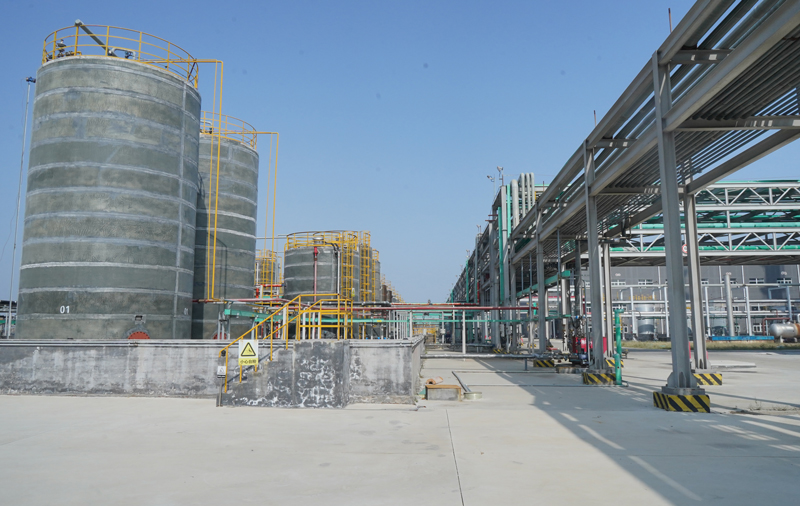
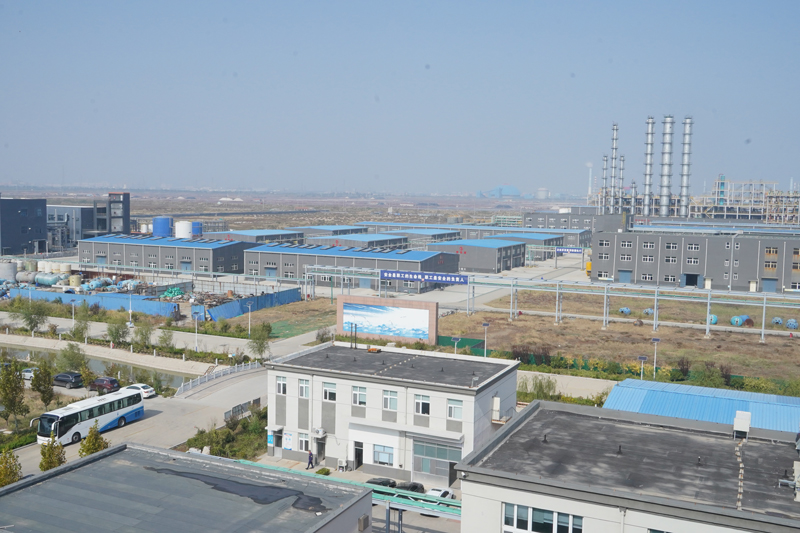
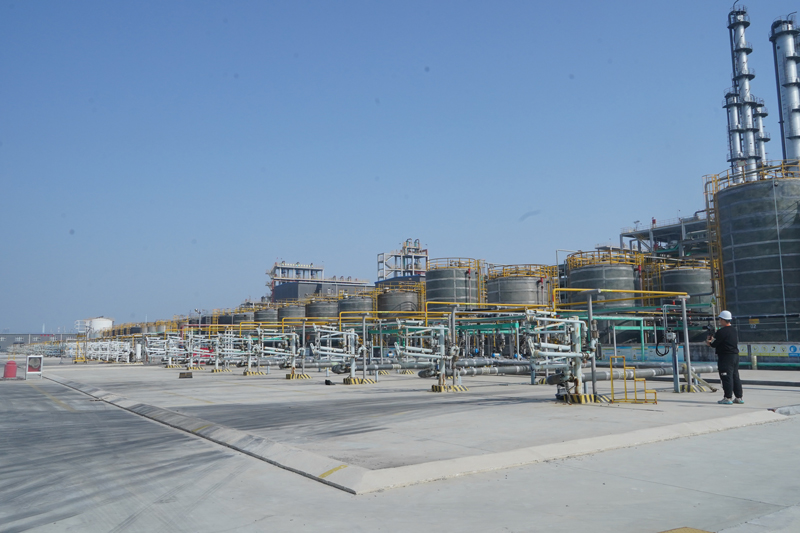
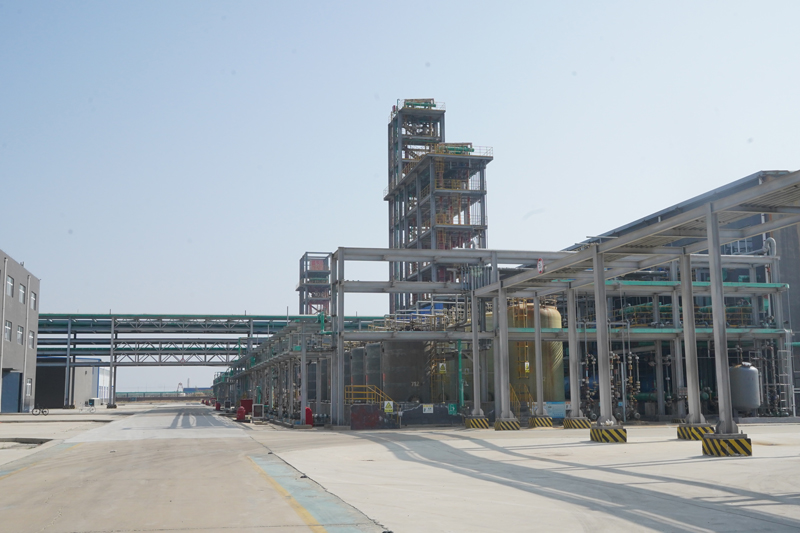
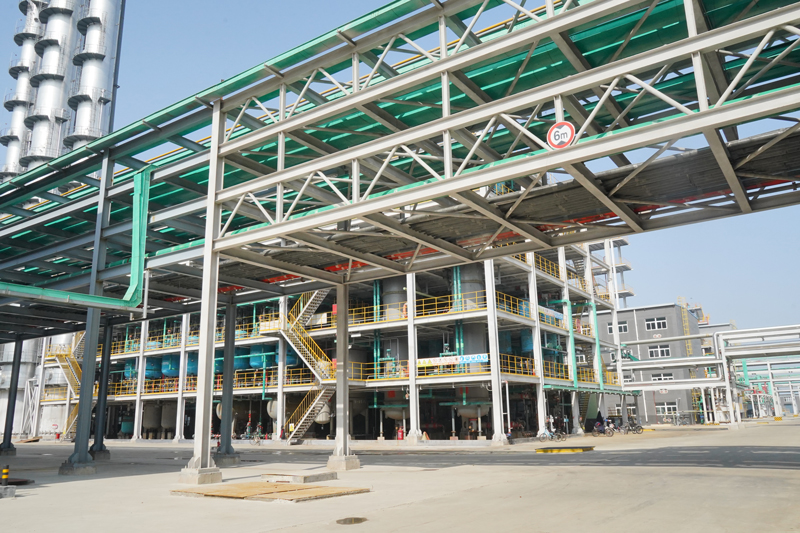
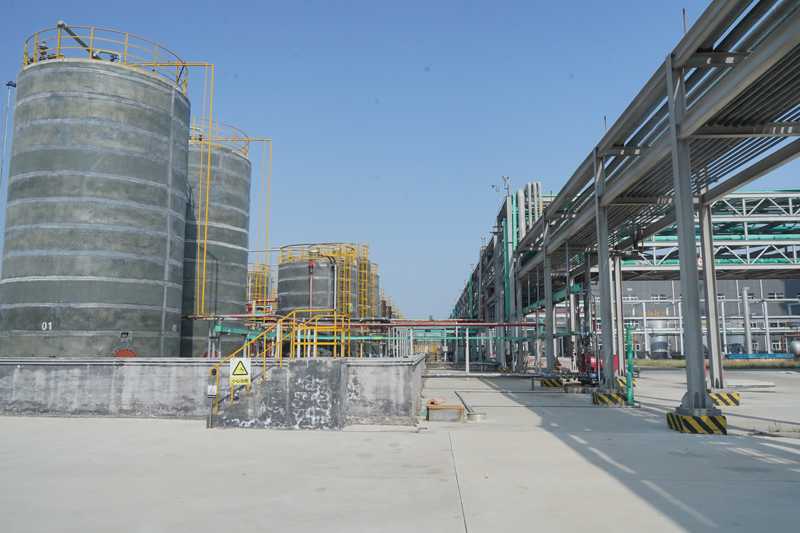
JIMPOCHEM CO., LTD operates a state-of-the-art chemical manufacturing ecosystem spanned across 500+ acres in the Jinan Chemical Industry Park, Shandong Province. Driven by intelligent automation, digital continuous-flow synthesis, and rigorous green chemistry standards, we provide enterprise partners worldwide with unparalleled purity, batch consistency, and cost efficiency.

16+
Years Industry Leadership
500+
Acres Industrial Base
200+
Global Export Regions
5000+
Enterprise Partners

Green Catalytic Ozonolysis Synthesis

Our Azelaic Acid production utilizes advanced green catalytic oxidative cleavage of oleic acid feedstocks. Controlled catalytic reaction loops ensure low side-product generation, yielding raw powder with an active chemical purity exceeding 99.5% with zero toxic solvent residue.

Micronization & Particle Size Control

Addressing the common formulation challenge of raw Azelaic Acid crystallization and grittiness, our factory offers customized particle micronization (D50 < 5µm, D90 < 15µm). Micronized Azelaic Acid delivers smooth texture, superior cream suspension, and accelerated transdermal absorption.

End-to-End Batch Traceability

Every single batch undergoes continuous digital monitoring via automated inline sensors. From incoming oleic raw materials to final packaging, full chromatographic spectra (HPLC, GC-MS) and heavy metal analytical records are archived in our LIMS for complete 10-year traceability.
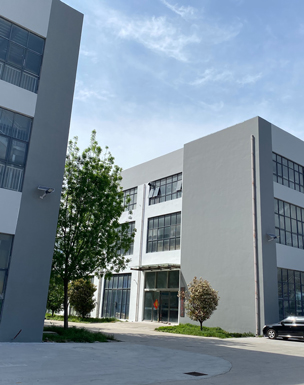
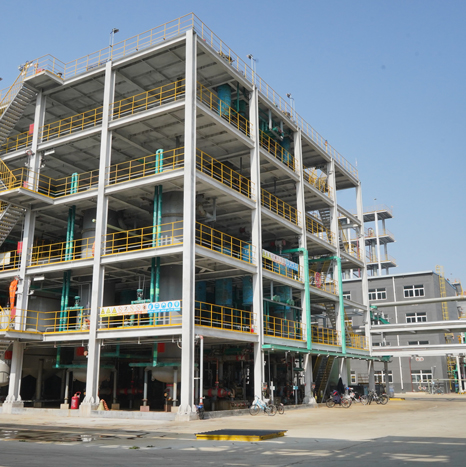
JIMPOCHEM Manufacturing Hub & Infrastructure

3. Macro Industry Solutions & Formulation Engineering Strategies

Integrating Azelaic Acid into stable cosmetic or pharmaceutical vehicles presents solubilization challenges due to its limited water solubility (approx. 2.4 g/L at 20°C) and high melting point (106.5°C). JIMPOCHEM offers specialized formulation guidance and derivative raw materials to help brands bypass recrystallization and sensory roughness.

Formulation Solubilization & Vehicle Choice

  • Polyol Solubilization Networks: Combining Propylene Glycol, Ethoxydiglycol, and Dipropylene Glycol enhances liquid phase solubility and prevents precipitation upon cooling.
  • Water-Soluble Derivatives: We supply Potassium Azeloyl Diglycinate (PAD), a water-soluble derivative of azelaic acid coupled with glycine, offering identical skin-brightening and sebum-normalizing benefits at pH 5.5–6.5 without irritation.
  • Emulsion Gel Systems (Emulgel): Utilizing polymeric thickeners (e.g., Polyacrylate Crosspolymer-6) creates light, non-greasy suspended matrices for high-strength (10%-20%) formulations.

Synergistic Active Ingredient Combinations

  • Azelaic Acid (10%) + Niacinamide (4%): Dual-action whitening that suppresses both melanosome synthesis and melanosome transfer to keratinocytes.
  • Azelaic Acid (10%) + 3-O-Ethyl Ascorbic Acid (2%): Powerful antioxidant cocktail providing potent protection against UV-induced oxidative stress and dark spots.
  • Azelaic Acid (15%) + Salicylic Acid (2%): Targeted dermatological gel for rapid clearance of post-acne erythema (PAE) and comedonal acne.

Cross-Industry Application Spectrum

Cosmeceutical Serums

Targeting hyperpigmentation, uneven skin tone, and daily brightening for sensitive and rosacea-prone skin types.

Dermatological Topicals

Prescription-strength creams (15-20%) formulated for clinical treatment of severe melasma, acne vulgaris, and papulopustular rosacea.

Scalp & Hair Care

Acts as a potent 5-alpha-reductase inhibitor in anti-hair-loss tonics to prevent dihydrotestosterone (DHT)-induced alopecia.

Industrial Intermediates

Precursor raw material used in engineering high-performance polyamides, plasticizers, and specialty lubricity agents.

4. Global Enterprise Procurement Needs & Technical Specifications

Streamlining bulk chemical purchasing for cosmetic brand owners, contract manufacturers (CDMO/CMO), and pharmaceutical formulators with stringent quality assurance and global logistics networks.

Technical Data Sheet (TDS Summary)

INCI Name:Azelaic Acid
CAS Number:123-99-9
EINECS No:204-669-1
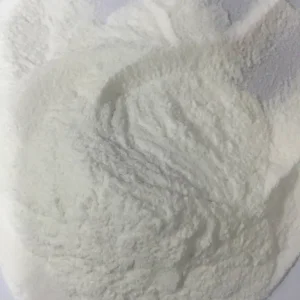
Appearance:White to off-white crystalline powder
Assay (HPLC):≥ 99.5% Active Acid
Melting Range:105.0 °C — 109.0 °C
Heavy Metals (as Pb):≤ 10 ppm
Loss on Drying:≤ 0.5%

Regulatory & Quality Compliance Safeguards

JIMPOCHEM ensures seamless market access across North America, Europe, Asia-Pacific, and Latin America through standard regulatory documentation packages:

  • EU REACH Registration: Fully compliant for high-tonnage European chemical import.
  • US FDA OTC Monograph: Conforms to USP/NF pharmaceutical purity requirements.
  • China NMPA (CSAR): Safety Dossier submitted with standardized ingredient code.
  • Certifications: ISO9001:2015 Quality Management, ISO14001:2015 Environmental System, Halal & Kosher certified grades.
  • Document Support: SDS (GHS 16 sections), Certificate of Analysis (COA), BSE/TSE-Free Statement, Non-GMO Declaration.

5. Technical Roadmap & Future Innovations in Skin Lightening Actives

The future of skin brightening chemistry lies in enhancing bio-availability, reducing skin irritation profiles, and advancing sustainable bio-fermentation synthesis. JIMPOCHEM R&D labs are pioneering next-generation delivery vehicles and bio-based derivatives.

Nano-Encapsulation & Liposomal Carriers

Novel lipid nanocarriers (SLNs) encapsulate Azelaic Acid within phospholipid bilayers, allowing sustained release into deeper epidermal layers while eliminating surface skin sting and dryness associated with high acid concentrations.

Bio-Fermentation & Synthetic Biology Routes

Moving toward zero-carbon chemical manufacturing, our research pipeline tests engineered yeast strains to ferment plant oils directly into Azelaic Acid, reducing energy footprint by 40% and offering 100% bio-based carbon index.

Multifunctional Synergistic Derivatives

Developing novel hybrid molecules combining Azelaic Acid with Ferulic Acid and Ascorbic Acid to create single-molecule multi-target actives capable of simultaneously brightening, soothing, and repairing dermal matrices.

6. Technical & Procurement FAQ (Frequently Asked Questions)

Expert answers to critical technical, chemical formulation, and bulk ordering questions regarding Azelaic Acid.

Q1: Why choose Azelaic Acid over Hydroquinone or Kojic Acid for skin lightening formulations?
Azelaic Acid offers superior safety and selective mechanism. Unlike Hydroquinone, which poses risks of exogenous ochronosis and permanent melanocyte toxicity, Azelaic Acid only acts on abnormally hyperactive melanocytes. It causes no depigmentation in normal skin and has zero photo-sensitizing side-effects, making it ideal for daily long-term cosmetic use.
Q2: How do you prevent recrystallization and grittiness in Azelaic Acid formulations?
Recrystallization is prevented by selecting our Micronized Powder grade (D50 < 5µm) and employing proper solvent couplers such as Ethoxydiglycol, Propylene Glycol, or Isosorbide Dimethyl Ether (DMI). Maintaining formula pH between 4.0 and 5.0 ensures optimal stability and skin penetration without crystallization.
Q3: What is the Minimum Order Quantity (MOQ) and packaging standard for enterprise clients?
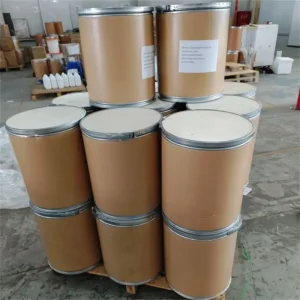
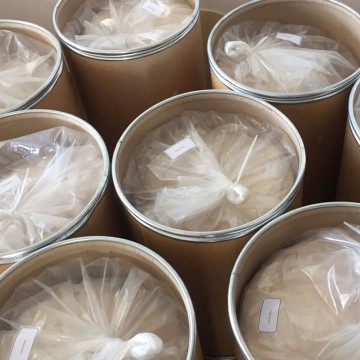
Our standard packaging for industrial Azelaic Acid is 25 kg fiber drums with double-layer PE inner liners. For R&D sampling and pilot production, we offer 1 kg aluminum foil packaging. Sample orders are dispatched within 24-48 hours.
Q4: Does JIMPOCHEM provide customized formulation adjustments and OEM contract manufacturing?
Yes. Our technical R&D team provides one-on-one dedicated service tailored to specific client needs—from raw material particle size customization and solubilization testing to full OEM/ODM finished product manufacturing of creams, serums, and peels.
Q5: Is Azelaic Acid suitable for pregnancy-safe hyperpigmentation products?
Yes. Azelaic Acid is classified as FDA Pregnancy Category B. It is widely recommended by dermatologists worldwide as a safe, effective alternative to retinoids and hydroquinone for treating melasma and acne during pregnancy and lactation.

Multi-Industry Fine Chemical Raw Material Categories

In addition to skin brightening active ingredients, JIMPOCHEM produces premium raw materials for Daily Chemicals, Organic Intermediates, Healthcare, and Fluorine Chemistry.
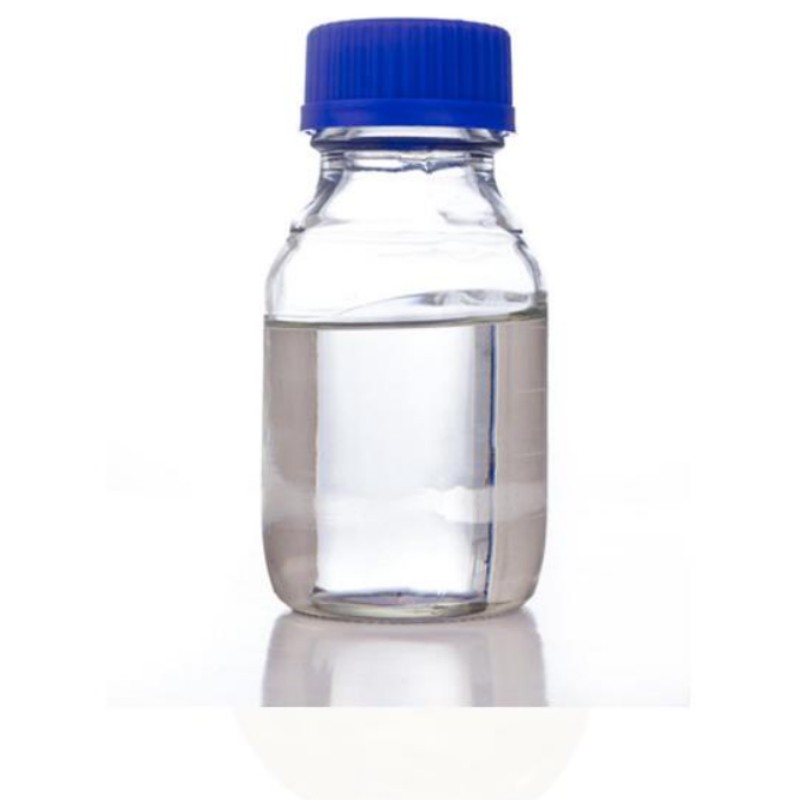
Daily Chemical Raw Materials

Daily Chemical Actives

PPG-20 Methyl Glucose Ether, Lauryl Hydroxysultaine, Bemotrizinol UV Filters, Zinc Pyrithione anti-dandruff agents.
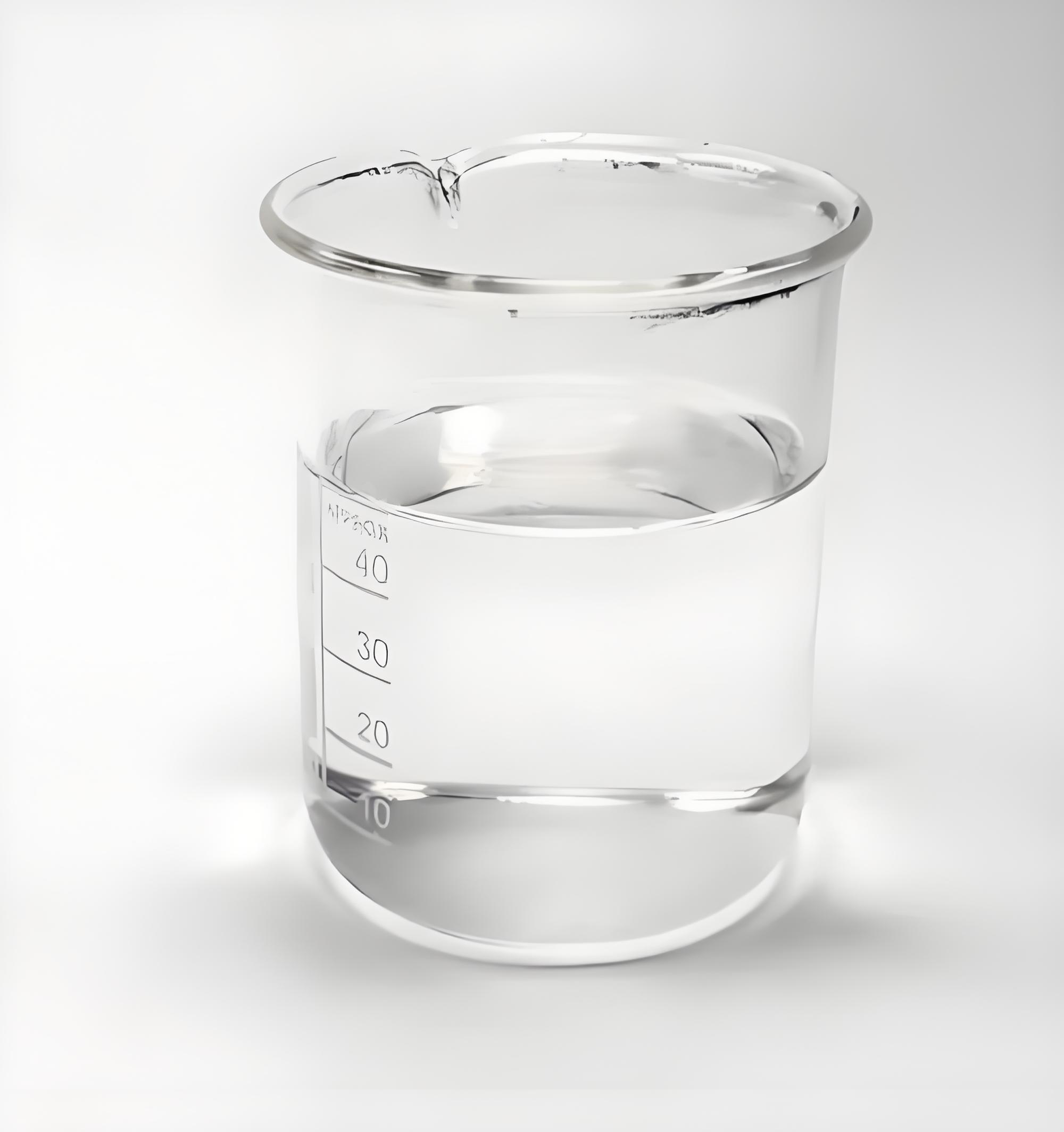
Organic Chemicals

Organic Synthetics

Tetradecane, Diallyl Trisulfide, ε-Polylysine preservatives, D-Mannose, N,N'-Bis(1-methylpropyl)-1,4-phenylenediamine.
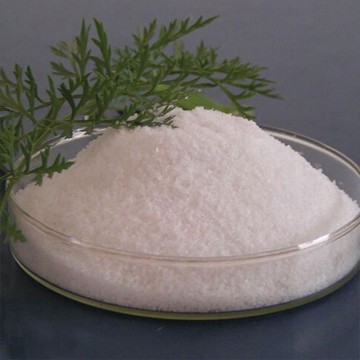
Health And Medical Care

Health & Medical Care

Tris Base biological buffers, Glutathione API, Sodium Caprylate, O-Phthalaldehyde clinical disinfectants.
Fluorine Compounds

Fluorine Specialty

Lithium Bis(trifluoromethanesulfonyl)imide (LITFSI), Methyl Perfluoroisobutyl Ether (HFE-7100), Ethyl Nonafluorobutyl Ether.

Featured Fine Chemical & Cosmeceutical Portfolio (Bottom 8 Products)

Complete supply catalog of trusted raw materials available for immediate bulk dispatch and sample evaluation.
China Ethyl Nonafluorobutyl Ether HFE-7200
China Ethyl Nonafluorobutyl Ether (HFE-7200) CAS 163702-05-4
View Details & Samples
Buy Ethyl Nonafluorobutyl Ether CAS 163702-05
Buy Ethyl Nonafluorobutyl Ether Direct Factory Samples
View Details & Samples
Buy Solketal CAS 100-79-8 Manufacturer
Buy Solketal CAS 100-79-8 Manufacturer & Supplier
View Details & Samples
Buy Ethyl Ascorbic Acid CAS 86404-04-8
Buy Ethyl Ascorbic Acid CAS 86404-04-8 Premium Quality Active
View Details & Samples
Buy PPG-20 Methyl Glucose Ether CAS 61849-72-7
Buy PPG-20 Methyl Glucose Ether CAS 61849-72-7 Clear Liquid
View Details & Samples
China Tetradecane CAS 629-59-4
China Tetradecane CAS 629-59-4 Colorless Liquid Factory Direct
View Details & Samples
China Lauryl Hydroxysultaine CAS 13197-76-7
China Lauryl Hydroxysultaine CAS 13197-76-7 Supplier & Factory
View Details & Samples
China Sodium L-Pyroglutamate CAS 28874-51-3
China Sodium L-Pyroglutamate CAS 28874-51-3 Natural Moisturizing Factor
View Details & Samples