Explore our certified active ingredients optimized for modern skincare and cosmetic formulations
Understanding user intent, search demand, and molecular mechanisms for dual-active formulations
In modern cosmeceutical engineering, combining Azelaic Acid Cream and Vitamin C (such as Ascorbyl Glucoside / AA2G) represents a dual-action therapeutic approach for post-inflammatory hyperpigmentation (PIH), acne vulgaris, rosacea, and skin tone brightening. Azelaic acid (a saturated dicarboxylic acid, C9H16O4) acts as a competitive inhibitor of tyrosinase while suppressing hyperactive melanocytes and reducing follicular keratinization. Concurrently, Vitamin C acts as a powerful antioxidant, scavenging free radicals, reducing oxidized melanin intermediates, and promoting collagen synthesis.
When co-formulated or layered via compatible emulsion systems, these two actives address hyperpigmentation through distinct bio-pathways without inducing cross-inhibition, yielding significant clinical advantages over mono-active regimens.
Global search queries for "Buy Azelaic Acid Cream And Vitamin C Together Supplier & Product" stem from two primary buyer personas: clinical end-users seeking safe regimen compatibility and B2B brand procurement managers sourcing high-stability raw materials for mass-market manufacturing.
Key intent drivers include chemical stability, pH compatibility, prevention of formula darkening (oxidation), minimizing cutaneous irritation, and securing ISO/GMP-certified chemical suppliers who provide batch-to-batch consistency and regulatory compliance dossiers (COA, REACH, MSDS).
Formulation Tip: Traditional L-Ascorbic Acid requires a low pH (<3.5) which can destabilize conventional emulsions containing 10–20% Azelaic Acid (optimal pH 4.0–5.0). Utilizing stable derivatives such as Ascorbyl Glucoside (AA2G CAS 129499-78-1) allows formulators to achieve optimal biochemical activity at a balanced pH of 4.5–5.5.
Quantitative insight into global cosmeceutical growth and chemical supply dynamics
North American and European markets display strong demand for multi-functional dermatological treatments. Regulatory bodies like the US FDA and EU SCCS strictly control Azelaic Acid concentrations (15–20% Rx, up to 10% OTC in selected regions). High demand exists for co-packaged dual-chamber creams and stable serum-cream duos that pair Azelaic Acid with stable Vitamin C variants like Ascorbyl Glucoside and Ethyl Ascorbic Acid.
The APAC region, particularly China and South Korea, leads global production of active cosmetic ingredients and finished formulations. Innovations in bio-fermentation and chemical synthesis have significantly lowered raw material costs while increasing purities. Chinese suppliers offer end-to-end supply stability for key raw ingredients like Azelaic Acid, AA2G, Sodium Phytate, and Squalane.
Industry formulations are transitioning from basic anhydrous suspensions to micro-encapsulated dual-phase delivery systems. Encapsulation protects Vitamin C from oxidative degradation while improving the dissolution rate and feel of Azelaic Acid, overcoming historical challenges such as pilling, graininess, and rapid formula browning.
Addressing chemical stability, solubility matrices, and active ingredient interactions
| Parameter / Feature | Azelaic Acid (CAS 123-99-9) | L-Ascorbic Acid (Vitamin C) | Ascorbyl Glucoside (AA2G - Recommended) |
|---|---|---|---|
| Chemical Class | Saturated Dicarboxylic Acid | Water-soluble Vitamin Derivative | Glucose-stabilized Vitamin C Derivative |
| Optimal Formula pH | 4.0 – 5.0 | 2.8 – 3.5 (Instability Risk) | 5.0 – 7.0 (Highly Compatible) |
| Solubility Profile | Slightly soluble in water, soluble in glycols/ethanols | Freely soluble in water | Highly soluble in water |
| Oxidation Vulnerability | High thermal and chemical stability | Rapidly oxidizes under light/heat/air | Extremely resistant to heat and oxidation |
| Primary Function | Anti-inflammatory, anti-acne, anti-tyrosinase | Free-radical scavenger, collagen booster | Time-released skin brightener, antioxidant |
Azelaic acid presents formulation challenges due to its low water solubility and propensity to recrystallize, causing a gritty texture. Advanced formulation techniques utilize polyols such as PPG-20 Methyl Glucose Ether (CAS 61849-72-7) and specialized solvents to enhance solubility, optimize crystal habit, and improve skin penetration without irritating the cutaneous barrier.
Trace metal ions (such as Fe3+ and Cu2+) accelerate Vitamin C oxidation and discolour Azelaic Acid matrices. Incorporating high-performance bio-based chelating agents like Sodium Phytate (CAS 14306-25-3) sequesters heavy metals, safeguarding product color integrity, extending shelf life, and preserving active concentration over 24-month stability cycles.
Your Trusted Global Chemical Supplier & Designated Chemical Service Provider
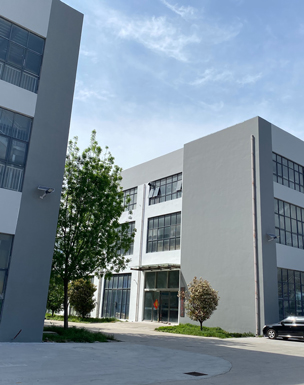
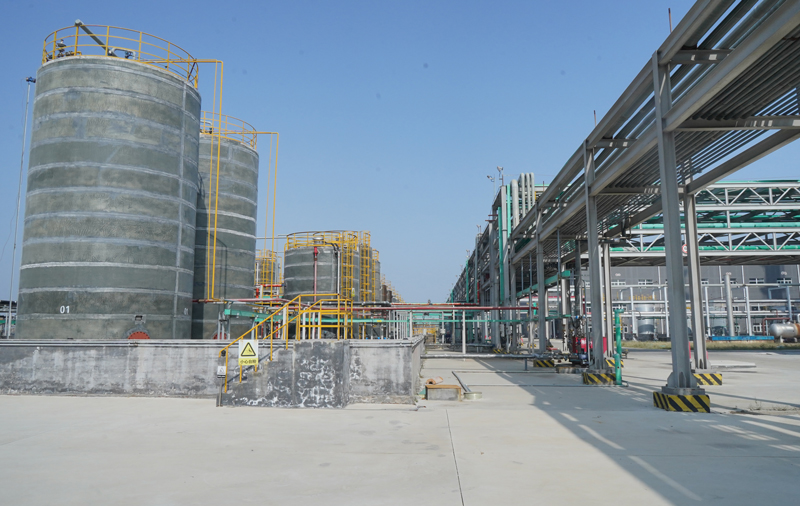
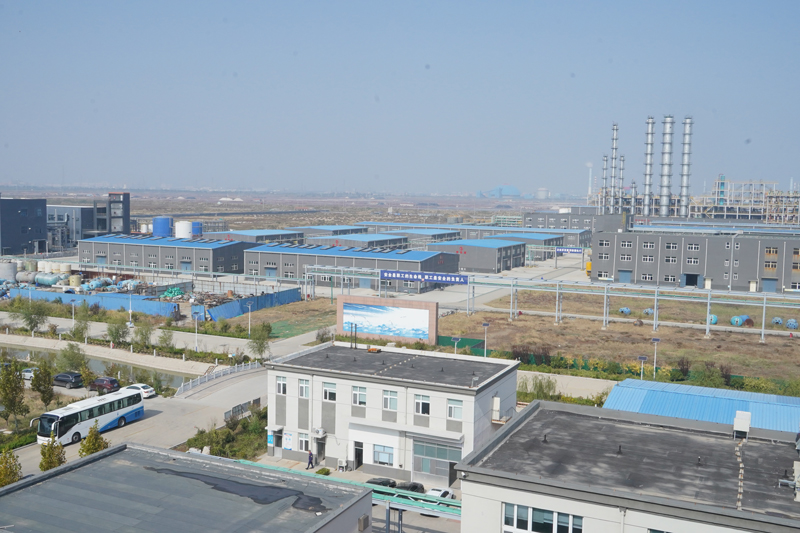
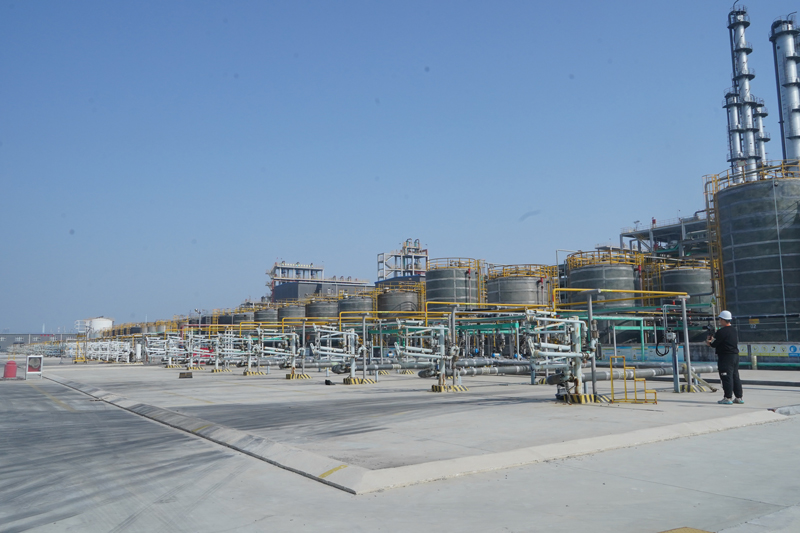
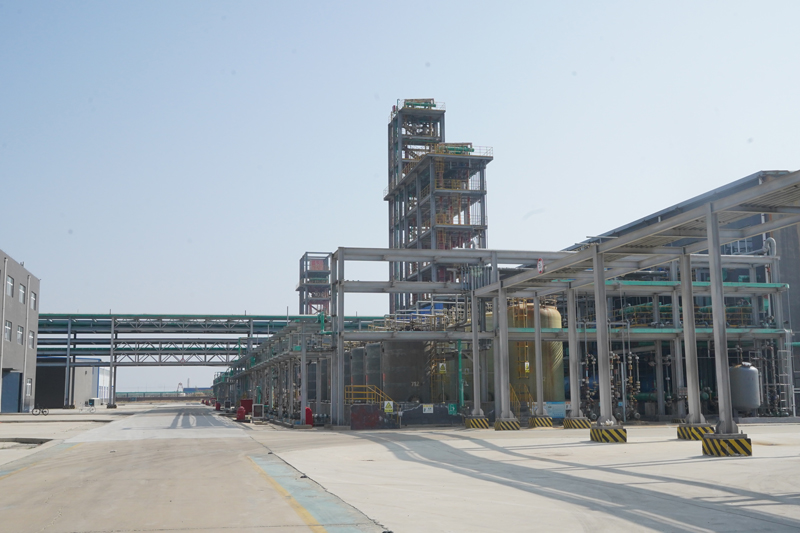
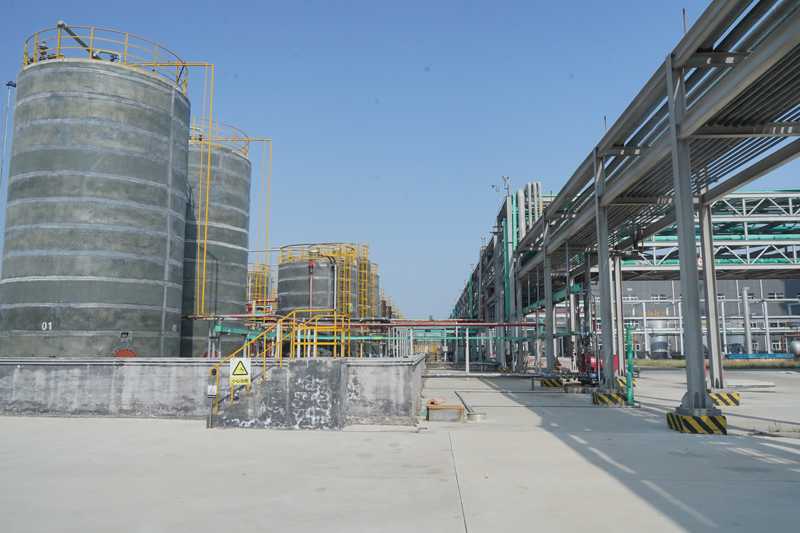
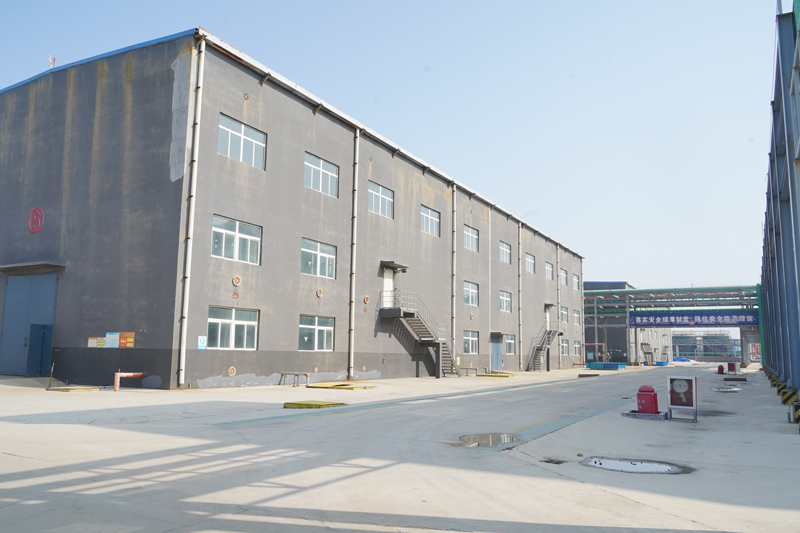
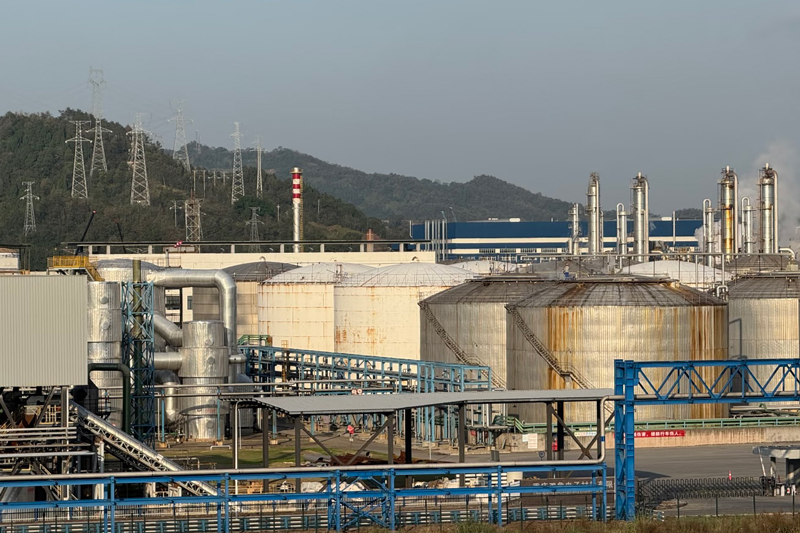
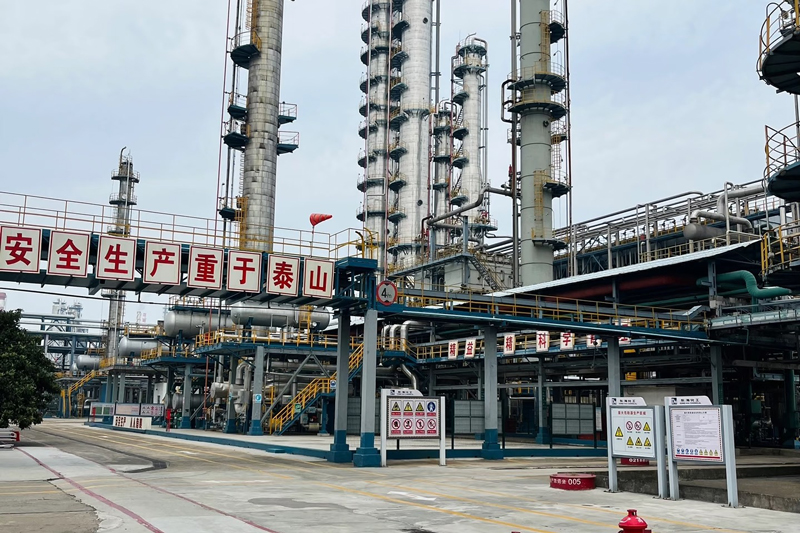
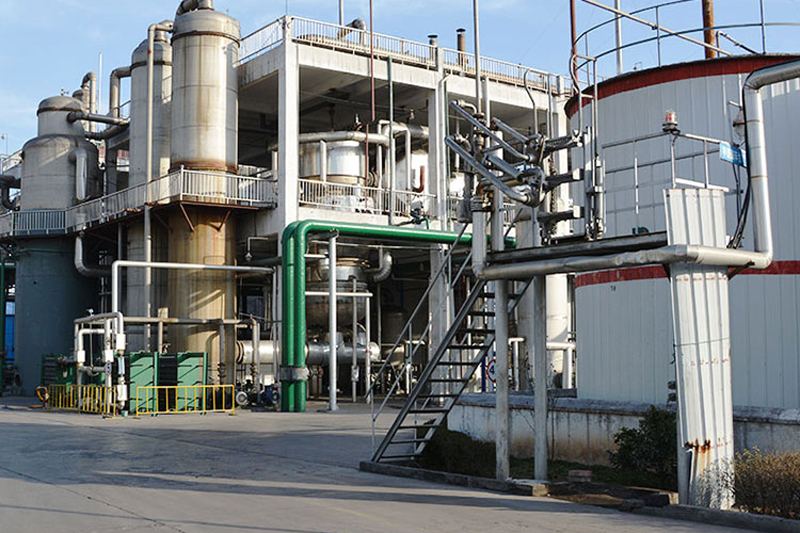
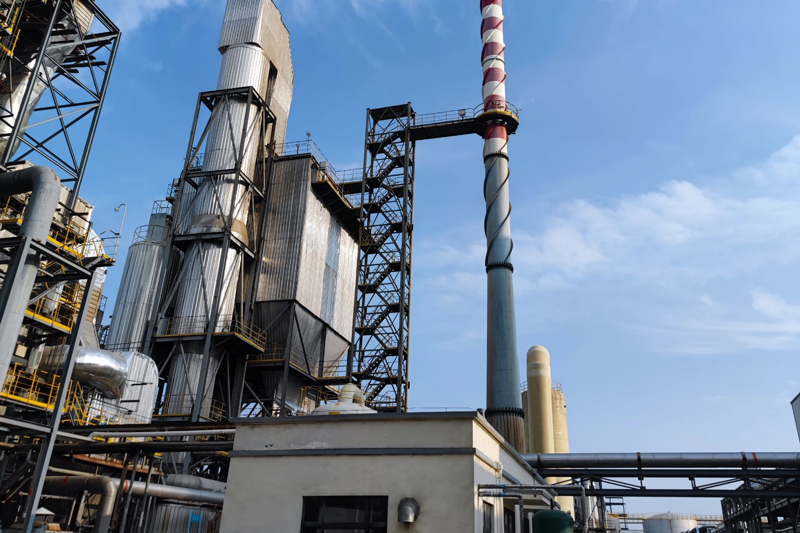
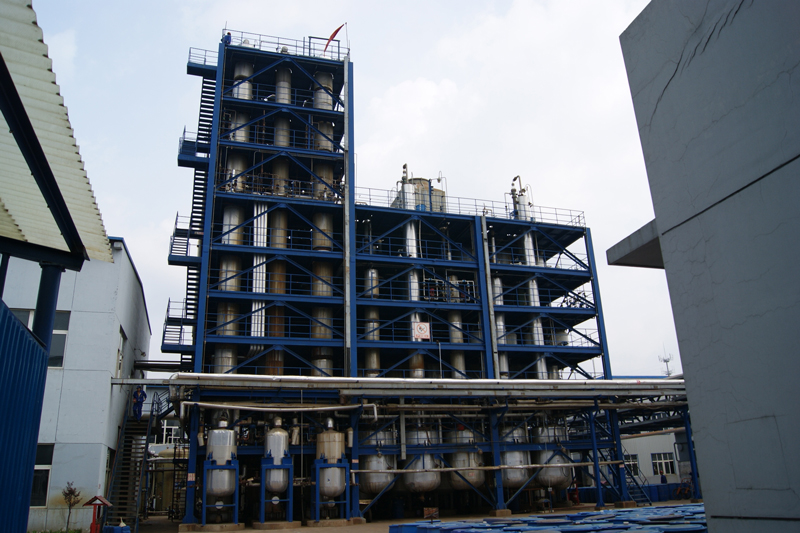
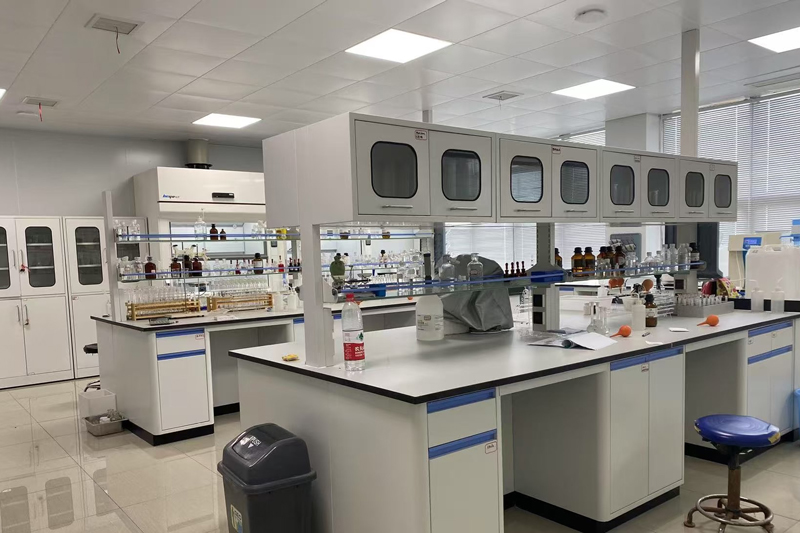
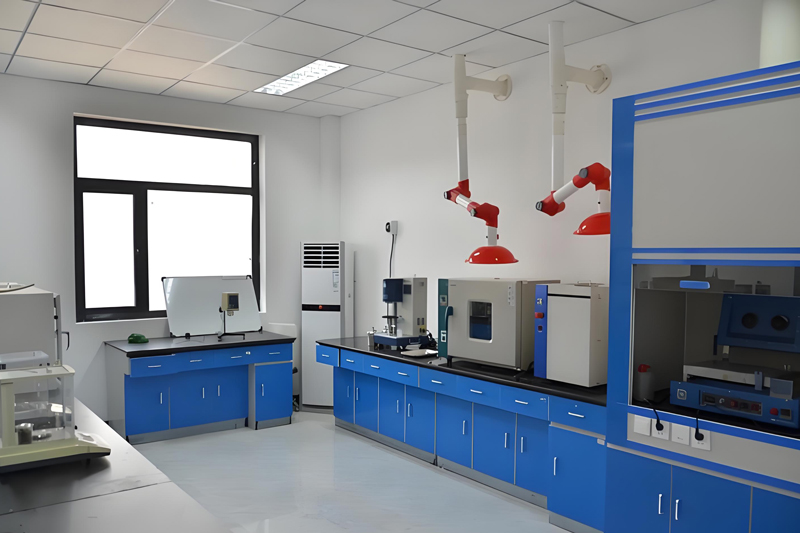
JIMPOCHEM CO., LTD was established in 2010 and is headquartered in the Chemical Industry Park of Jinan City, Shandong Province. The company covers an area of over 500 acres and is a professional chemical raw material manufacturer integrating research and development, production, sales, and technical services. Its core focus is on high-end fine chemicals and cosmetic raw materials.
We have obtained multiple product-related certifications, including ISO quality system certification and environmental management system certification, and are committed to providing high-quality chemical products and one-stop procurement service solutions to global customers.
Core Strengths:

Turnkey raw material supply, custom synthesis, and quality control systems
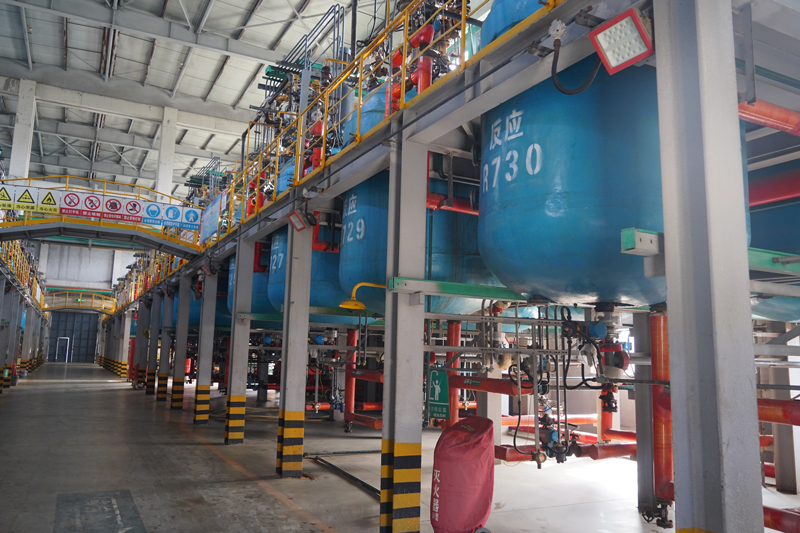
We work directly with major upstream chemical suppliers and operate automated digital manufacturing plants. This ensures raw material availability for high-demand actives including Azelaic Acid, Ascorbyl Glucoside (AA2G), Glycolic Acid, Squalane, and Tranexamic Acid, shielding your supply chain from market price volatility and stockouts.
Adhering to the principle that "quality is the lifeline of an enterprise," every chemical batch undergoes rigorous analytical testing—including HPLC, GC-MS, heavy metal limits, and microbiological counts—prior to dispatch. Full batch traceability allows customers to trace raw materials, production parameters, and testing logs instantly.
In response to global sustainability goals, JIMPOCHEM employs low-emission synthetic routes, closed-loop solvent recycling systems, and bio-based raw materials. Many of our flagship cosmetic ingredients have achieved eco-certifications to help partner brands meet green beauty standards.
Targeted formulation applications and strategic technology evolution (2025–2030)
1. Clinical Post-Acne Erythema (PAE) Creams: Combining 10–15% Azelaic Acid with 2% Ascorbyl Glucoside to reduce vascular redness, smooth post-acne scarring, and normalize keratinization.
2. Melasma & Hyperpigmentation Serums: Multi-pathway brightening formulations pairing Azelaic Acid, Vitamin C, and Tranexamic Acid (CAS 1197-18-8) to treat stubborn epidermal and dermal discoloration.
3. Daily Urban Anti-Pollution Emulsions: Lightweight creams incorporating Squalane (CAS 111-01-3), Sodium Phytate, and Vitamin C derivatives to combat particulate-induced oxidative stress and dullness.
Scaling up sustainable bio-fermentation for dicarboxylic acids to reduce petroleum dependence.
Deployment of solid lipid nanoparticles to co-encapsulate Azelaic Acid and Vitamin C for targeted epidermal delivery.
Integrating Machine Learning algorithms to predict long-term chemical compatibility and prevent ingredient oxidation.
Expert answers regarding Azelaic Acid Cream and Vitamin C sourcing, formulation, and compatibility
Premium cosmetic actives, fine chemicals, fluorinated solvents, and specialty additives
Supporting diverse industrial applications worldwide
Cosmetics, skincare, perfumes, cleansers, shampoos, and body washes.
High-purity intermediates, preservatives, and specialty additives.
APIs, pharmaceutical excipients, buffers, and diagnostic intermediates.


Your Designated Partner for Chemical Solutions & Global Supply
JIMPOCHEM adheres to the core values of "integrity, innovation, professionalism, and win-win cooperation," providing efficient services to create long-term value for every partner. We look forward to working hand in hand with global partners to create a better future!
Get in Touch / Request Quote JIMPOCHEM