Premium grade raw materials direct from ISO-certified synthesis facilities.
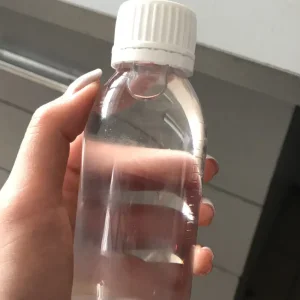
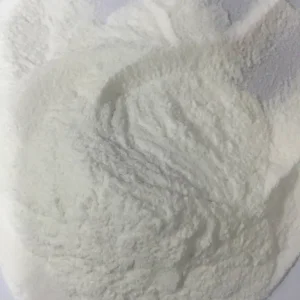
A technical overview of dual-action dermatological APIs and fine chemical intermediates.
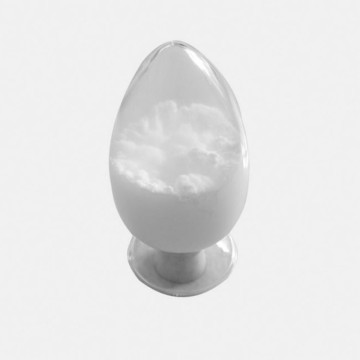
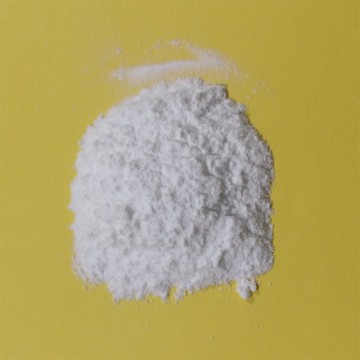
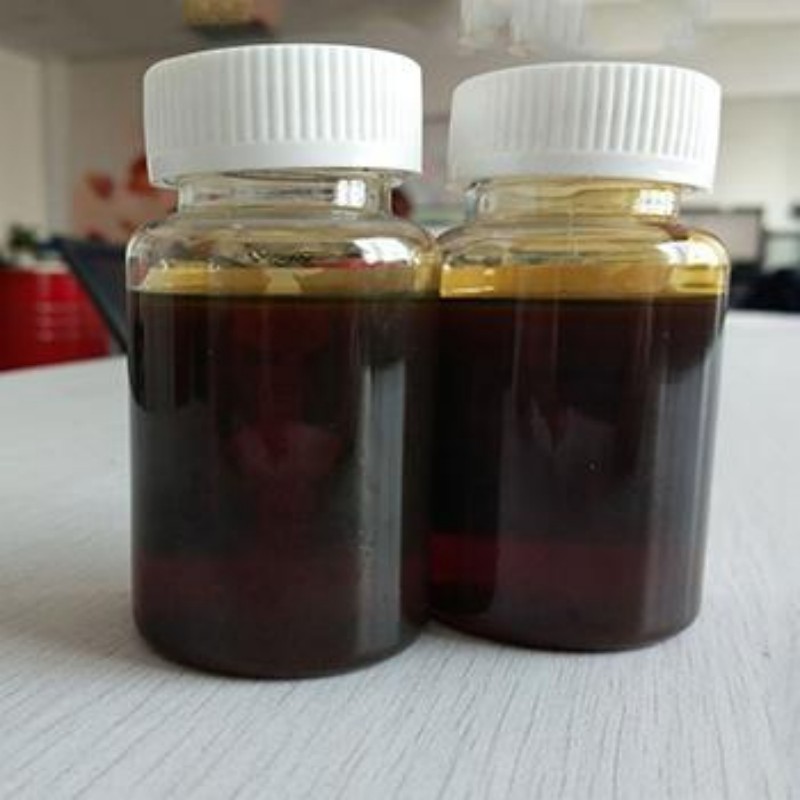
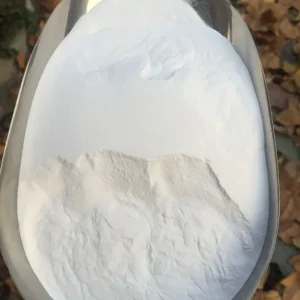
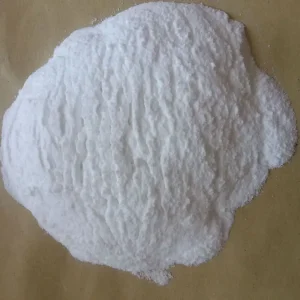
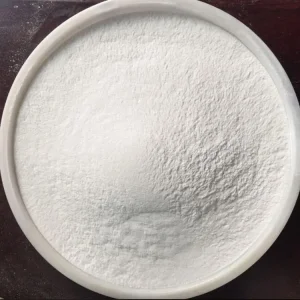
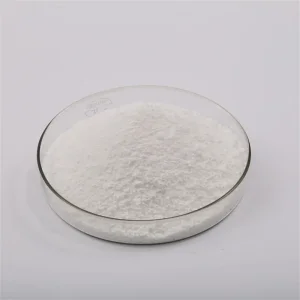
In modern dermatological science and pharmaceutical compounding, the co-formulation of Azelaic Acid (CAS 123-99-9) and Clindamycin (Phosphate / Hydrochloride CAS 24729-96-2) represents one of the most effective, multi-targeted therapeutic strategies for acne vulgaris, rosacea, and post-inflammatory hyperpigmentation (PIH). Sourcing ultra-pure active pharmaceutical ingredients (APIs) and high-grade cosmetic intermediates from a certified Azelaic Acid and Clindamycin supplier is essential for maintaining formulation bio-equivalence, thermodynamic stability, and clinical performance.
Chemical Nature: Naturally occurring saturated dicarboxylic acid ($HOOC(CH_2)_7COOH$).
Mechanism 1: Follicular Keratinization Normalization. Reduces the synthesis of filaggrin, thereby suppressing excessive keratinocyte proliferation and preventing microcomedone formation.
Mechanism 2: Selective Antimicrobial & Anti-inflammatory. Competitively inhibits mitochondrial oxidoreductases and 5-alpha-reductase, selectively arresting metabolic activity in Cutibacterium acnes without inducing bacterial resistance.
Mechanism 3: Competitive Tyrosinase Inhibition. Acts as a reversible inhibitor of tyrosinase in hyperactive melanocytes, effectively clearing post-acne erythema and melasma.
Chemical Nature: Semi-synthetic lincosamide antibiotic derived from lincomycin.
Mechanism 1: Ribosomal 50S Subunit Binding. Binds reversibly to the 50S ribosomal subunit of susceptible anaerobic microorganisms, blocking transpeptidation and peptide chain elongation.
Mechanism 2: Suppression of Inflammatory Cytokines. Reduces the cutaneous surface concentration of free fatty acids and inhibits neutrophil chemotaxis, mitigating papulopustular lesions.
Formulation Requirement: Demands meticulous pH control (optimally pH 5.5 - 6.5) to maintain chemical stability and prevent hydrolysis into inactive clindamycin base.
Synergistic Gain: Combining Azelaic Acid (typically 15-20% concentration) with Clindamycin Phosphate (1% concentration) yields superior clinical outcomes compared to monotherapy. Azelaic acid thins the hyperkeratinized stratum corneum, enhancing skin permeability and allowing deeper dermal penetration of Clindamycin, while simultaneously preventing long-term bacterial resistance profiles.
Industrial specifications supplied by JIMPOCHEM quality control laboratories.
| Analytical Parameter | Azelaic Acid (Cosmetic / Pharma Grade) | Clindamycin Phosphate (USP / EP Grade) |
|---|---|---|
| CAS Registry Number | 123-99-9 | 24729-96-2 |
| Chemical Formula | $C_9H_{16}O_4$ | $C_{18}H_{34}ClN_2O_8PS$ |
| Molecular Weight | 188.22 g/mol | 504.96 g/mol |
| Purity / Assay (HPLC) | ≥ 99.5% (Pharmaceutical Grade) | 98.0% – 102.0% (Anhydrous Basis) |
| Melting Point / Specific Rotation | 109.0 °C – 111.5 °C | +115° to +130° ($[\alpha]_D^{20}$) |
| Loss on Drying | ≤ 0.3% | ≤ 6.0% |
| Heavy Metals (as Pb) | ≤ 10 ppm | ≤ 10 ppm |
| Microbial Enumeration | Total Aerobic < 100 CFU/g; No Pathogens | Sterile / Low Bioburden API Grade |
Over a decade of leadership in fine chemicals and active active ingredient delivery.
Adapting chemical formulations to regional regulatory frameworks and market demands.
In North America (US FDA compliance context under 21 CFR), Azelaic Acid is widely formulated in 15% gel matrixes (for Rosacea) and 20% cream formulations (for severe acne vulgaris). Dual active combinations with Clindamycin 1% require strict cGMP validation, bioequivalence testing, and low nitrosamine risk assessments. Micro-emulsion gels with PPG-20 Methyl Glucose Ether enhance cutaneous hydration, counteracting dry skin side effects.
EU regulations under Regulation (EC) No 1223/2009 categorize Azelaic Acid depending on concentration. High-dose preparations (>10%) are prescription-only APIs, requiring full European Pharmacopoeia (Ph. Eur.) compliance. Suppliers must provide full REACH registration data and continuous toxicity metrics. Formulation techniques focus on green lipid carriers like plant-derived Squalane CAS 111-01-3 to maximize skin barrier restoration.
APAC markets exhibit high demand for multi-functional whitening and anti-acne solutions. Azelaic acid is frequently paired with skin brighteners like N-Acetyl-D-Glucosamine (CAS 7512-17-6) and Kojic Acid Dipalmitate (CAS 79725-98-7). Localized formulation strategies emphasize lightweight, rapid-absorbing fluid gels adapted for high-humidity climates.
Innovations in green chemistry, continuous process automation, and advanced drug delivery systems.
Traditional industrial production of Azelaic Acid relied heavily on the ozonolysis of oleic acid, which presented severe thermal control and safety challenges. The next-generation chemical synthesis roadmap developed by JIMPOCHEM utilizes eco-friendly hydrogen peroxide ($H_2O_2$) catalytic oxidation over heterogeneous tungsten-based catalysts. This eliminates toxic ozone by-products, drastically reduces carbon footprints, and produces higher-purity crystalline azelaic acid with reduced processing steps.
To overcome skin irritation associated with high-concentration free acid applications, future topical delivery utilizes lipid nanoparticle (SLN) encapsulation and polymeric hydrogel matrices. Encapsulating both Azelaic Acid and Clindamycin within biomimetic phospholipid membranes allows targeted delivery straight into the pilosebaceous unit. This achieves steady, 24-hour sustained release, maximizing bactericidal and anti-inflammatory activity while decreasing epidermal side effects.
Integrated research, mass production capacity, and strict environmental governance.
JIMPOCHEM CO., LTD was established in 2010 and is headquartered in the Chemical Industry Park of Jinan City, Shandong Province. Spanning over 500 acres, the enterprise is a professional chemical raw material manufacturer that integrates research and development, synthesis, global trade, and technical services. Its core focus is on high-end fine chemicals, active pharmaceutical ingredients (APIs), and cosmetic raw materials.
We hold multiple product and facility certifications, including ISO9001 Quality System Certification and ISO14001 Environmental Management System Certification. Leveraging Jinan’s robust chemical supply chain infrastructure, JIMPOCHEM provides seamless procurement solutions to over 5,000 corporate clients globally across 200+ countries.
Supply Chain Advantage: Dual raw material procurement channels combined with automated digital batch reactors ensure uninterrupted global supply, locked-in batch consistency, and immediate scalability for multi-ton industrial requirements.
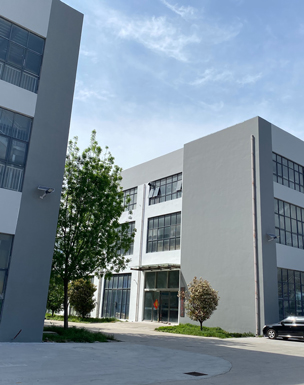
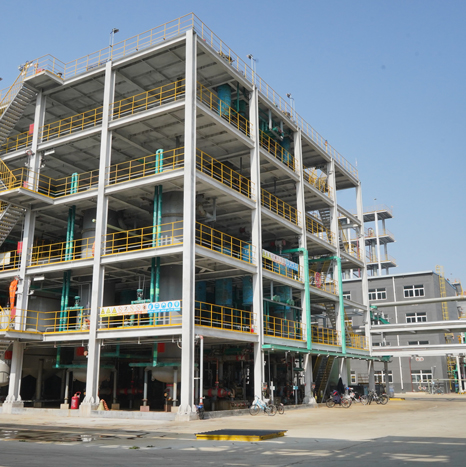
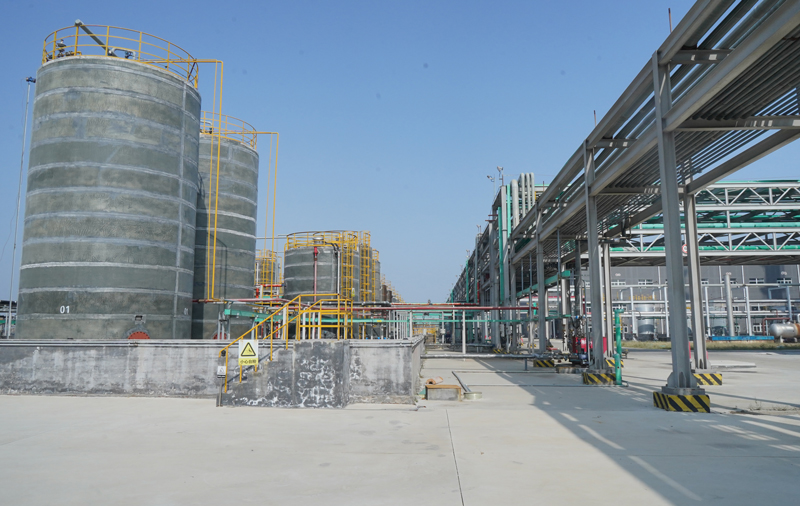
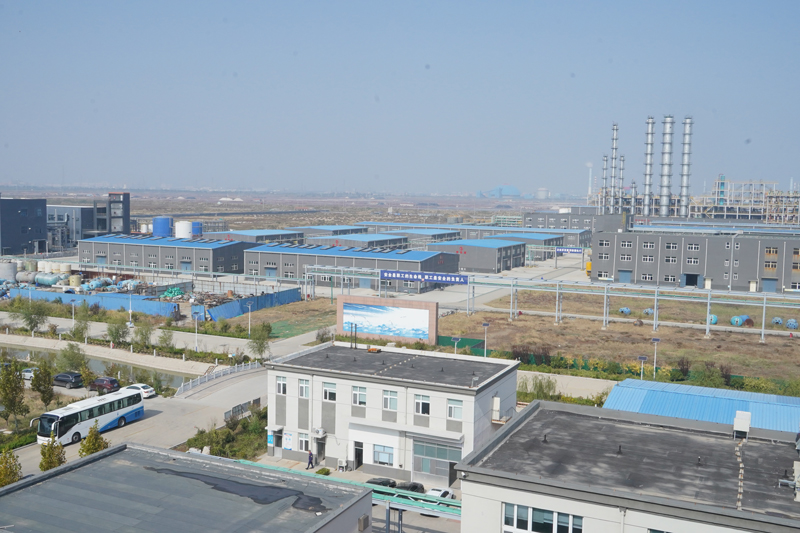
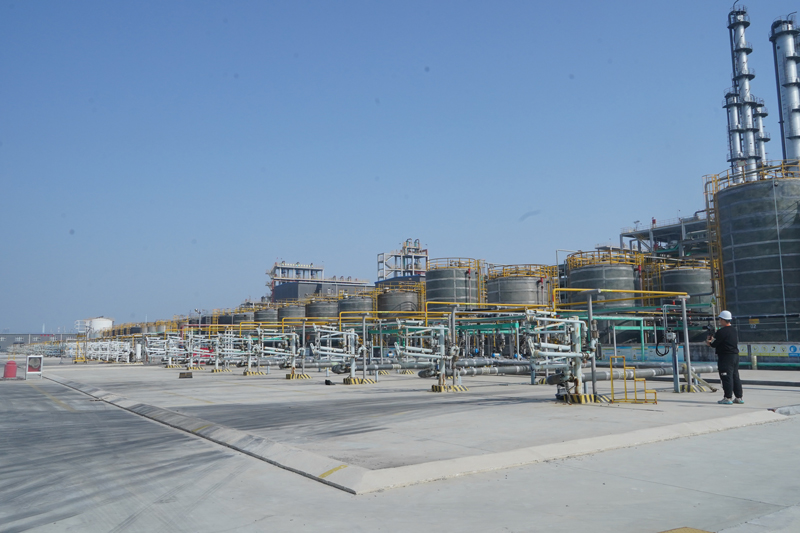
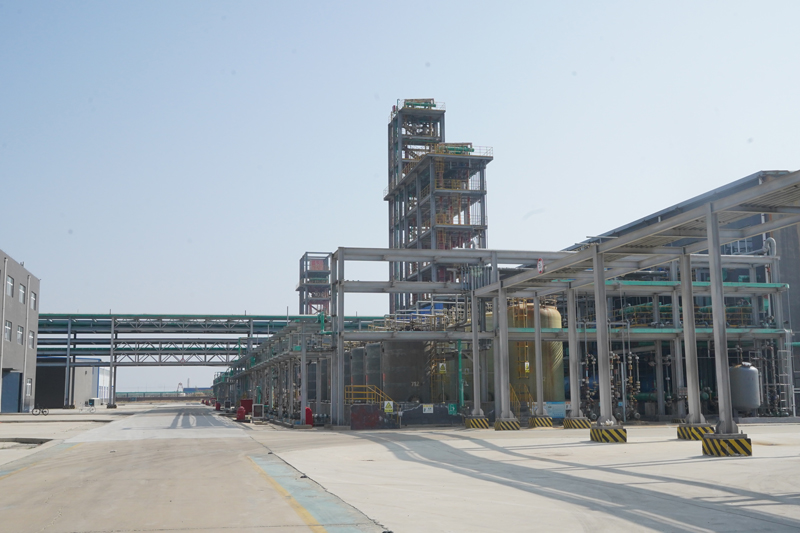
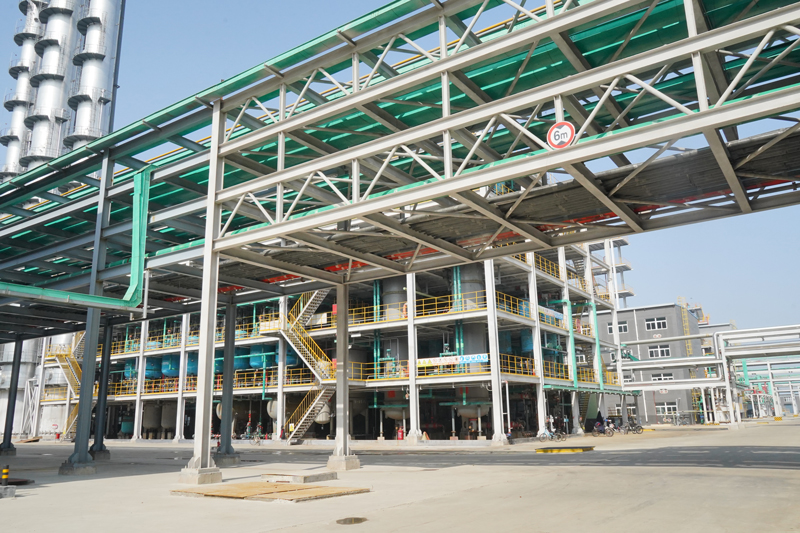
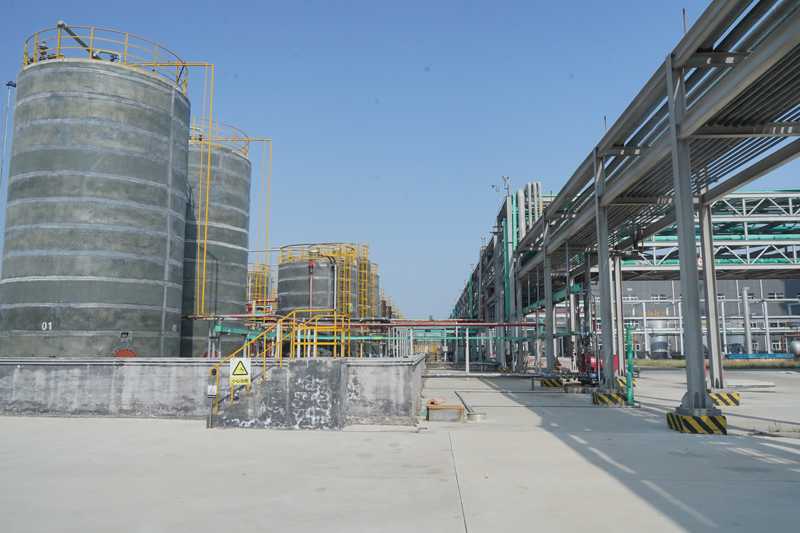
JIMPOCHEM provides integrated "R&D - Production - Application - Service" solutions tailored for diverse industrial sectors:
Active skin brighteners, preservatives, UV filters, surfactants, and emollients including PPG-20 Methyl Glucose Ether, Squalane, Lauryl Hydroxysultaine, Bemotrizinol, and Zinc Pyrithione.
High-purity building blocks, anti-acne actives, local anesthetics, enzyme substrates, and biological buffers like Tris Base, Glutathione, O-Phthalaldehyde, and Sodium Pyruvate.
Electrolytes, electronic cleaning agents, thermal fluids, and fluorinated intermediates such as Lithium Bis(trifluoromethanesulfonyl)imide (LiTFSI) and Methyl Perfluoroisobutyl Ether.
Explore our catalog of certified raw materials available for immediate bulk shipment.
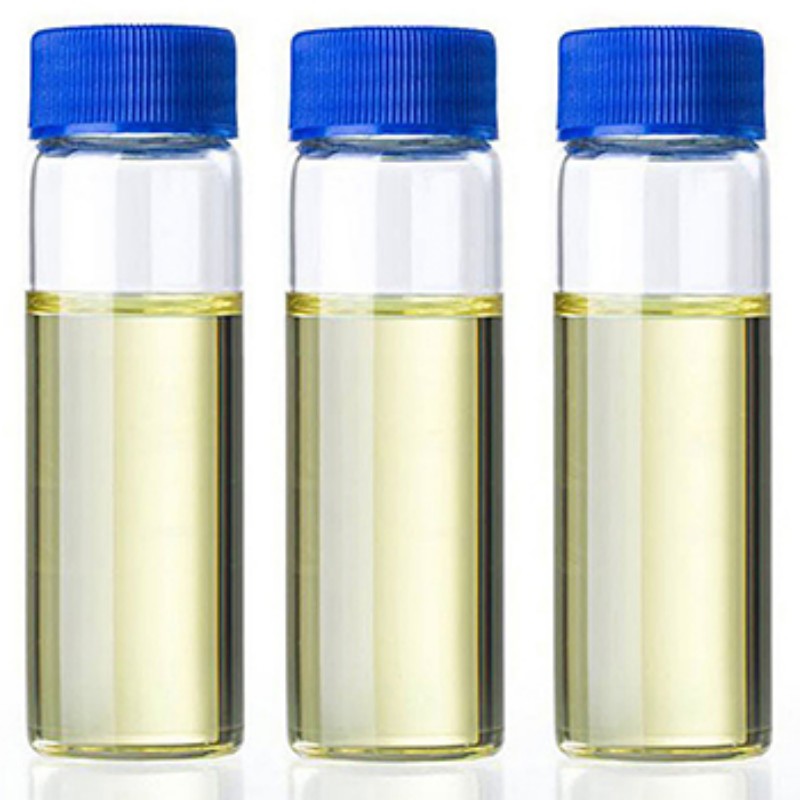
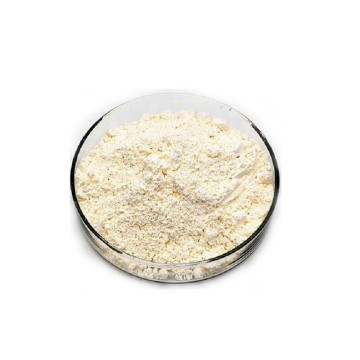
Technical answers regarding Azelaic Acid & Clindamycin procurement, formulation stability, and regulatory compliance.
Premium grade raw materials direct from ISO-certified synthesis facilities.
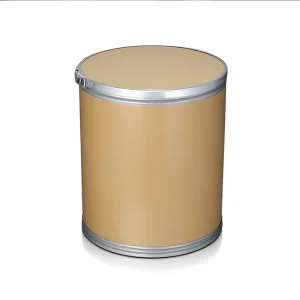
JIMPOCHEM adheres to the core values of "Integrity, Innovation, Professionalism, and Win-Win Cooperation". Contact our technical team today for batch pricing, CoA certificates, and customized formulation support.
Request Quote & Sample JIMPOCHEM