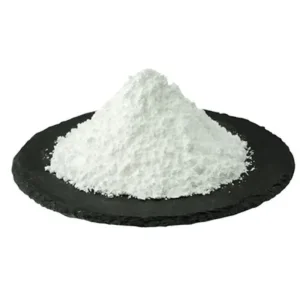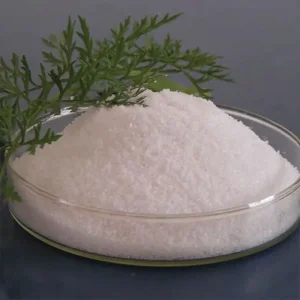
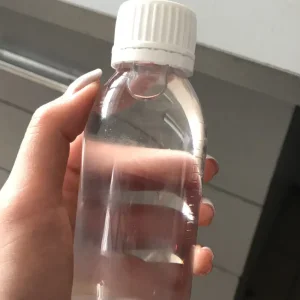
A comprehensive analysis of dual active procurement: Why global formulators combine saturated dicarboxylic acid (Azelaic Acid) and L-enantiomer hexose derivative (Ascorbic Acid) for advanced dermatological and industrial applications.
Molecular Formula: C9H16O4 | Molecular Weight: 188.22 g/mol
Azelaic acid is a naturally occurring saturated nine-carbon dicarboxylic acid produced chemically via the oxidative cleavage of oleic acid. Biochemically, it acts as a reversible competitive inhibitor of tyrosinase, an enzyme crucial in melanin synthesis. Crucially, its selective cytotoxic action targets hyperactive and abnormal melanocytes while leaving normal skin pigmentation unaffected. Furthermore, Azelaic acid reduces 5-alpha-reductase activity, making it a pivotal active pharmaceutical ingredient (API) for acne vulgaris, rosacea, and post-inflammatory hyperpigmentation (PIH).
Molecular Formula: C6H8O6 | Molecular Weight: 176.12 g/mol
L-Ascorbic Acid is a vital water-soluble antioxidant and essential cofactor for prolyl and lysyl hydroxylases, enzymes responsible for stabilizing the triple-helix structure of collagen. Biochemically, it donates electrons to neutralize reactive oxygen species (ROS), prevents lipid peroxidation, and reduces oxidized dopaquinone back to DOPA in melanogenesis pathways. Its high redox potential makes it an indispensable component in both cosmetic whitening serums and industrial redox systems.
When engineered into modern dual-active dermal platforms, Azelaic Acid and Ascorbic Acid execute a bi-directional cascade: Azelaic Acid halts cellular tyrosinase production at the transcriptional and enzymatic level, while L-Ascorbic Acid quenches residual free radicals and chemically reduces synthesized melanin intermediates. Formulators must address distinct physicochemical behaviors: Azelaic Acid exhibits low aqueous solubility ($0.24\text{ g/100 mL}$ at $20^\circ\text{C}$), whereas L-Ascorbic Acid suffers rapid aqueous oxidative degradation ($t_{1/2} < 48\text{ hours}$ in unbuffered aqueous solutions at $\text{pH} > 4.0$). Modern chemical engineering utilizes specialized solubilizers such as PPG-20 Methyl Glucose Ether and liposomal encapsulations to achieve long-term physical and chemical stability.
Macroeconomic drivers, global consumption patterns, supply-side consolidation, and regulatory benchmark standards shaping the international market for Azelaic Acid and Ascorbic Acid derivatives.
Driven by skyrocketing demand for dermatological solutions targeting hyperpigmentation, acne, and anti-aging, the global combined market for Azelaic Acid and Ascorbic Acid derivatives is expanding at a CAGR of 7.4%. Formulators are increasingly seeking direct manufacturer alliances to secure high-purity micro-milled grades ($\le 10\text{ }\mu\text{m}$) for superior skin penetration.
Over 70% of global L-Ascorbic Acid bulk manufacturing capacity is concentrated in specialized chemical production hubs in East Asia. Azelaic Acid production requires specialized high-pressure ozonolysis infrastructure. Sourcing directly from certified primary manufacturers eliminates intermediary markups and guarantees supply security amid shifting geopolitics.
Global B2B procurement demands strict compliance with pharmacopeial standards including USP, EP, and JP specs. Key quality parameters focus on low residual solvents, stringent heavy metal thresholds ($< 10\text{ ppm}$), optical rotation purity ($+20.5^\circ \text{ to } +21.5^\circ$ for L-Ascorbic Acid), and particle size distribution uniformity.
| Chemical Name | CAS Number | Standard Grade | Assay Purity (HPLC/Titration) | Melting Point / Specific Rotation | Key Industrial Application |
|---|---|---|---|---|---|
| Azelaic Acid | 123-99-9 | USP / Cosmetic Grade | ≥ 99.0% - 99.5% | 106.5 °C – 110.0 °C | Topical Acne / Rosacea Formulations, Polymer Intermediates |
| L-Ascorbic Acid | 50-81-7 | USP / FCC / EP Grade | ≥ 99.0% - 100.5% | [a]D20 = +20.5° to +21.5° | Antioxidant Serums, Dietary Fortification, Food Preservative |
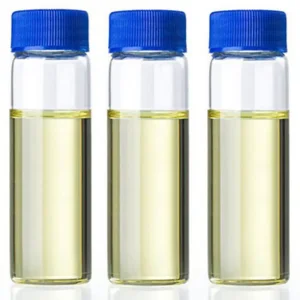
| Ascorbyl Tetraisopalmitate | 183476-82-6 | Cosmetic API Grade | ≥ 98.0% (Lipophilic Ascorbic) | Colorless to pale yellow liquid | Lipid-Soluble Anti-Aging Creams, High-Stability Oils |
| Glutathione | 70-18-8 | Pharma / Food Grade | ≥ 98.5% - 101.0% | 185 °C (dec.) | Intracellular Redox Balance, Dermal Brightening Formulations |
Deep dive into modern industrial catalytic synthesis, bio-fermentation processes, micro-channel continuous flow reaction systems, and quality control protocol vectors.
Saponification and fractionation of natural vegetable oils (e.g., sunflower or canola oil) to extract high-purity C18:1 Oleic acid feedstock.
Controlled oxidative cleavage of the double bond using ozone/oxygen gas streams in micro-channel continuous reactors, yielding azelaic acid and pelargonic acid.
Fractional thermal crystallization separating C9 dicarboxylic acid from monocarboxylic byproducts based on differential aqueous solubility profiles.
Fluidized bed jet-milling to achieve ultrafine, non-gritty particle sizing ($\text{D}_{90} < 15\text{ }\mu\text{m}$) under vacuum conditions to preserve purity.
Catalytic hydrogenation of corn-derived D-glucose under high pressure yielding D-Sorbitol with >99.2% transformation yield.
Bacterial conversion of D-Sorbitol to L-Sorbose utilizing high-efficiency Gluconobacter oxydans strains in automated fermenters.
Second bio-fermentation phase converting L-Sorbose into 2-Keto-L-gulonic acid (2-KLGA) using co-culture microbial consortia.
Acid-catalyzed lactonization of 2-KLGA to L-Ascorbic Acid followed by activated carbon decolorization, recrystallization, and vacuum drying.
From commercial dermo-cosmetic products to polymer manufacturing and food preservation systems: How high-purity chemical batches adapt to targeted market demands.
Micro-milled Azelaic Acid (10% to 20% concentration) formulated in water-in-oil emulsions or anhydrous silicone suspensions for acne treatment, rosacea redness reduction, and spot-brightening treatments. L-Ascorbic acid (10%-20%) encapsulated in low pH ($\text{pH } < 3.5$) serums for anti-photodamage protection.
Pharmaceutical-grade Azelaic acid serves as an active substance in dermatological topical ointments approved by US FDA and EMA. L-Ascorbic acid acts as an essential parenteral nutrient additive and oral therapeutic in veterinary care for livestock metabolic stress management.
Industrial technical grade Azelaic acid is a vital bifunctional intermediate used in the synthesis of Nylon-6,9 polymers, high-performance plasticizers, and synthetic bio-degradable lubricating diester oils exhibiting superior low-temperature fluidity.
Food-grade L-Ascorbic Acid (E300) acts as a oxygen-scavenging antioxidant in fruit juices, canned goods, and wine production, while acting as a dough conditioner in commercial bakery processing to strengthen gluten protein networks.
Why chemical purchasing directors worldwide choose Shandong's integrated manufacturing ecosystem for security of supply, cost control, and rapid scalability.
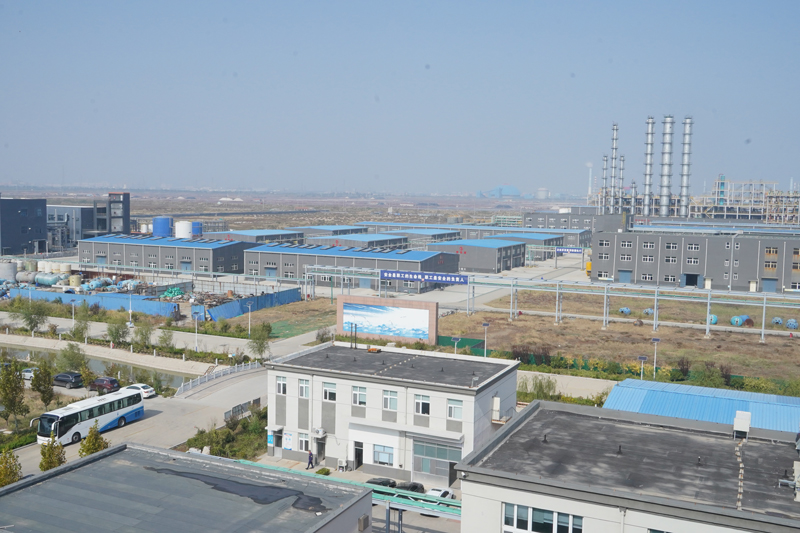
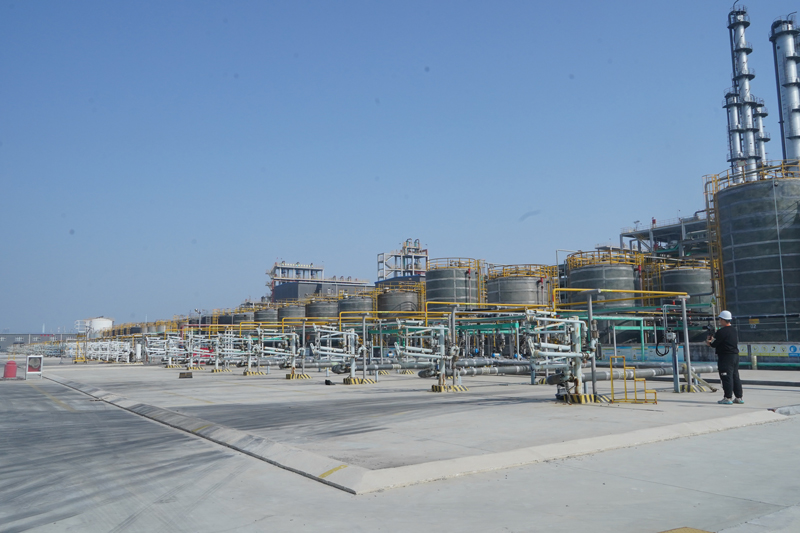
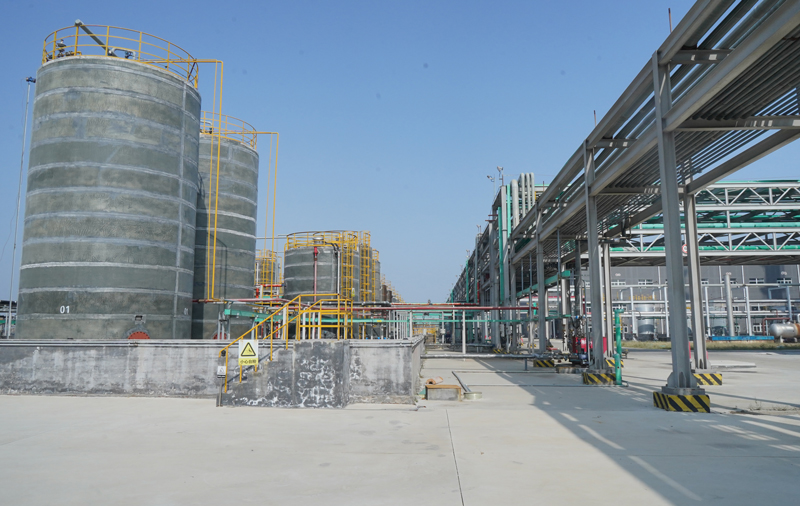
Located in the Jinan Chemical Industry Park, our production facilities benefit from direct pipeline access to base petrochemical and agricultural raw materials. This eliminates domestic freight volatility and ensures uninterrupted multi-ton bulk production capacity.
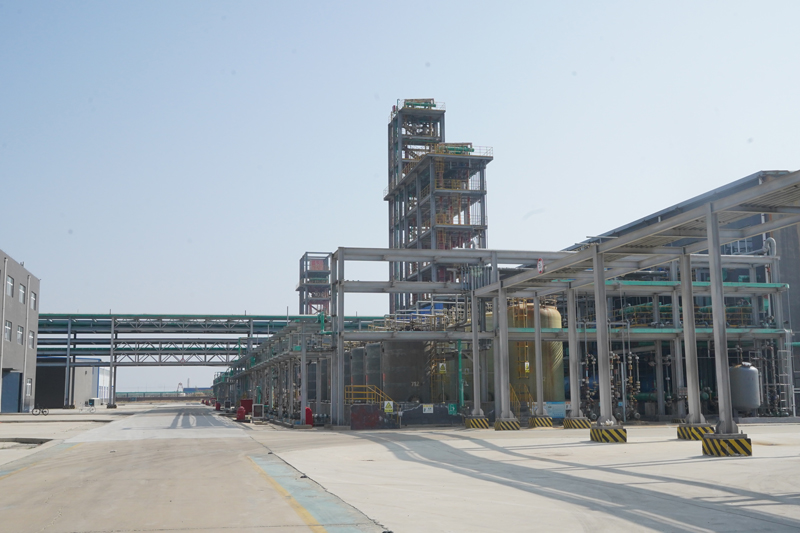
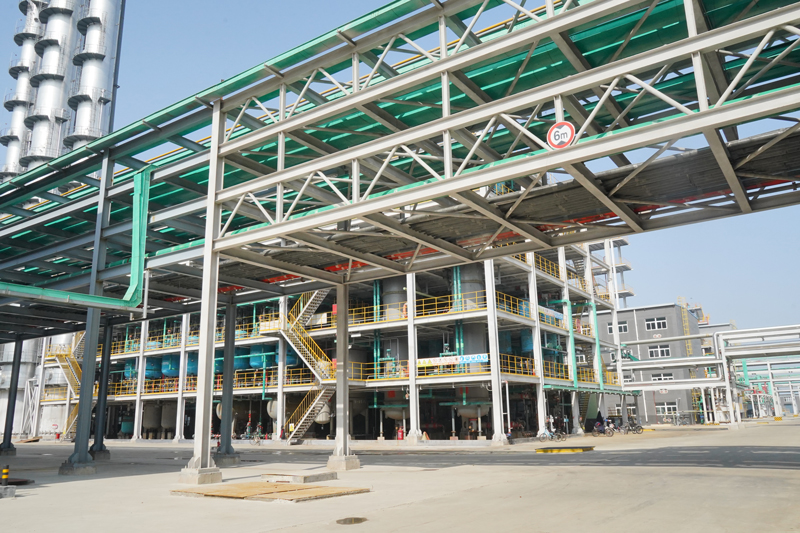
Our production facilities implement Distributed Control Systems (DCS) monitoring oxidation temperatures, pH balances, and crystallization rates in real-time. This eliminates batch-to-batch variation, achieving a constant 99.5%+ chemical purity standard.
By implementing closed-loop solvent recovery units and high-efficiency catalytic oxidation systems, our eco-friendly production processes reduce carbon footprints and ensure fully compliant waste treatment in line with international environmental regulations.
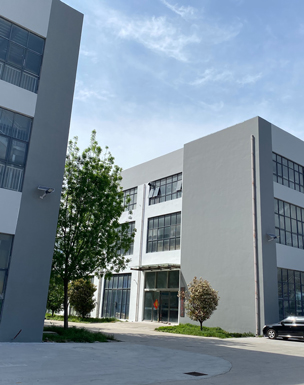
Established in 2010 and headquartered in the prestigious Chemical Industry Park of Jinan City, Shandong Province, JIMPOCHEM CO., LTD covers an expansive area of over 500 acres. We are a professional chemical raw material manufacturer integrating research and development, synthesis, mass production, export logistics, and specialized technical services.
Our core team comprises senior experts with over 16 years of experience in fine chemical engineering. Operating under strict ISO 9001 quality management and ISO 14001 environmental management certifications, we provide high-grade active ingredients, pharmaceutical intermediates, and custom formula optimization to over 5,000 international enterprises across 200+ countries.

Navigating global chemical export compliance with full documentation transparency, REACH registration, US FDA DMF filings, and strict quality assurance protocols.
For every batch of Azelaic Acid and Ascorbic Acid shipped, JIMPOCHEM provides a complete documentation package designed to accelerate customer import clearances:
Chemical active ingredients require customized environmental protection during global transit to maintain active potency and avoid physical caking:
Expert answers to the most frequent technical, chemical, and commercial purchasing queries regarding Azelaic Acid and Ascorbic Acid bulk procurement.
 JIMPOCHEM