Direct procurement catalog for premium grade active pharmaceutical intermediates, personal care active agents, and specialty industrial chemicals directly from verified manufacturing facilities.
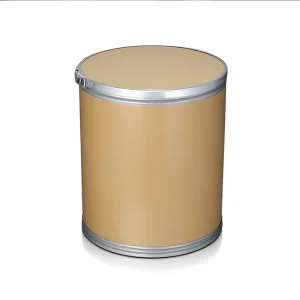
In modern organic synthesis and industrial fine chemical engineering, the 4-Chloro-3 substituent orientation represents one of the most critical skeletal motifs in halogenated aromatic chemistry. The designation typically encompasses key active compounds such as 4-Chloro-3-methylphenol (PCMC), 4-Chloro-3,5-dimethylphenol (PCMX), 4-Chloro-3-nitrobenzoic acid, and related chlorinated cresol isomers. These molecules serve as pivotal building blocks across anti-infective formulations, agrochemical fungicides, specialty polymer preservatives, and active pharmaceutical ingredient (API) pathways.
Wide-spectrum antimicrobial agents featuring high thermal stability and broad biocide efficacy in personal hygiene and healthcare sanitation.
Essential molecular scaffolds used to synthesize selective herbicide actives, antifungal drugs, and veterinary anthelmintic compounds.
Extensively utilized as biostabilizers in polymer emulsions, leather processing, metalworking fluids, and architectural coatings.
SEO & Procurement Note: When enterprise buyers search for "Buy 4-Chloro-3 Manufacturers & Product", the underlying commercial intent demands high-purity batch consistency (≥99.0% assay by HPLC), fully compliant Reach/EPA dossiers, strict isomer control (minimizing toxic 2-chloro and 6-chloro side products), and secure bulk supply chains backed by ISO-certified chemical complexes like JIMPOCHEM Co., Ltd.
The global market for 4-Chloro-3 functional chemicals has experienced sustained compounding growth driven by elevated global hygiene standards post-pandemic, expanding agricultural protection needs in South America and Southeast Asia, and escalating demand for low-VOC industrial biocides in North America and Western Europe. China stands as the world's primary synthesis backbone, producing over 65% of the global output of meta-cresol derivatives and selective chlorination intermediates.
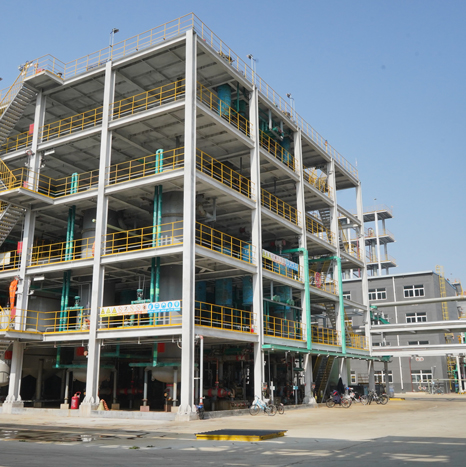
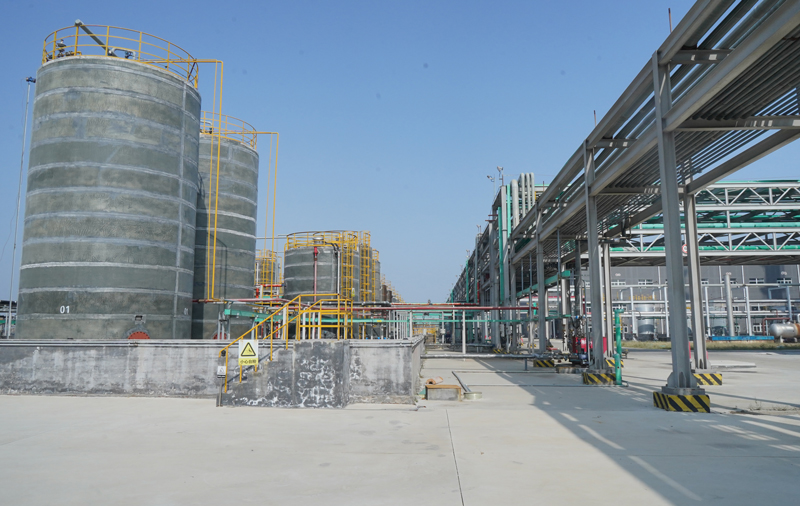
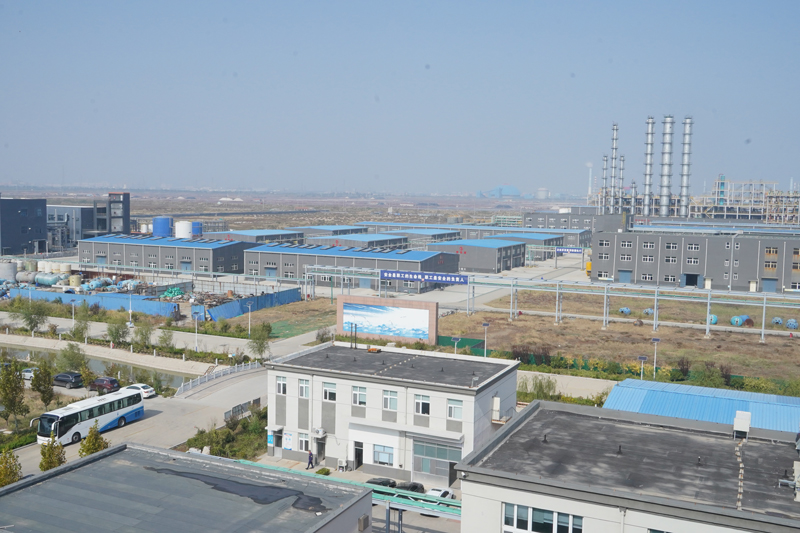
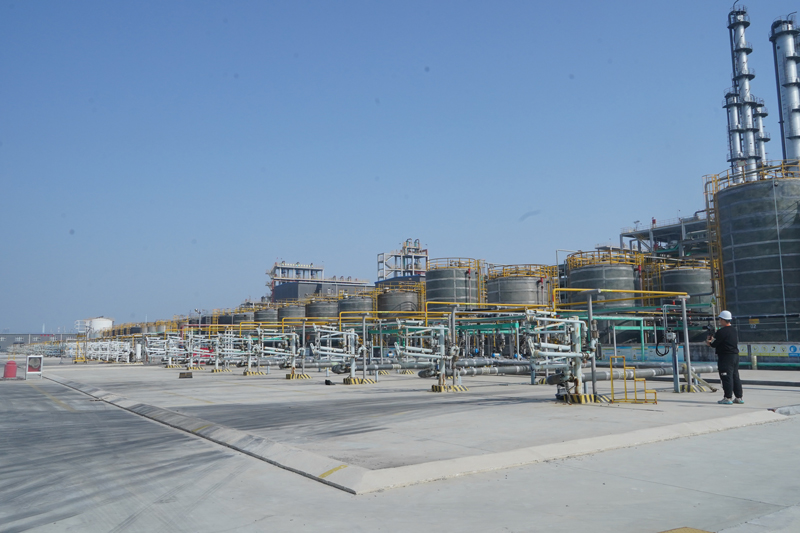
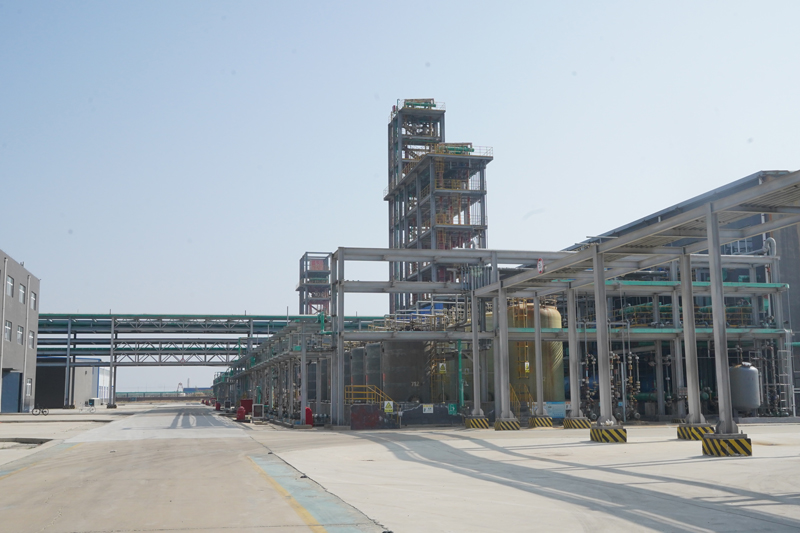
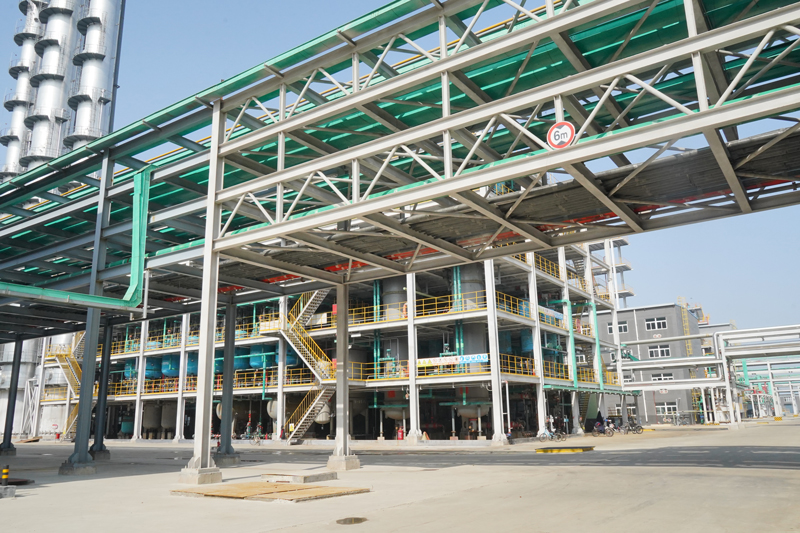
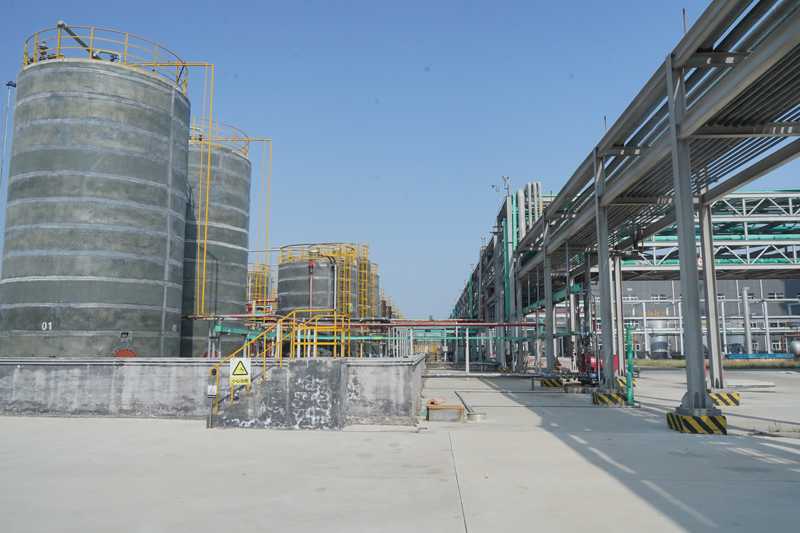
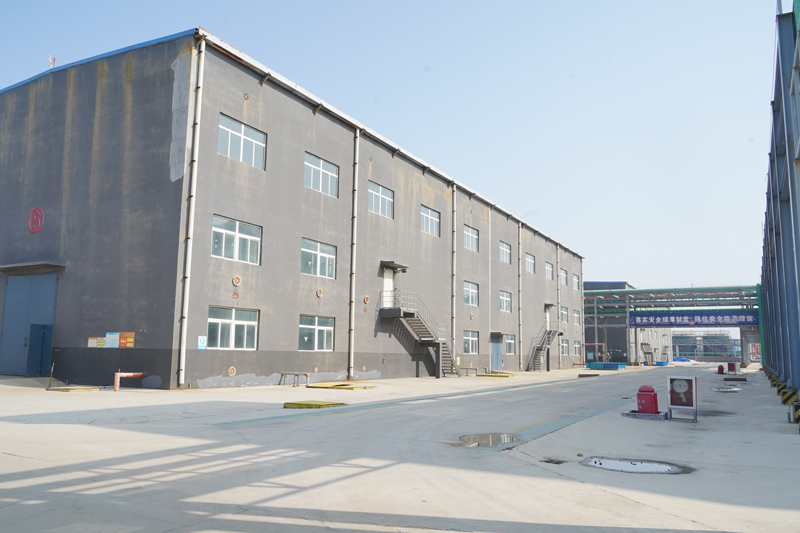
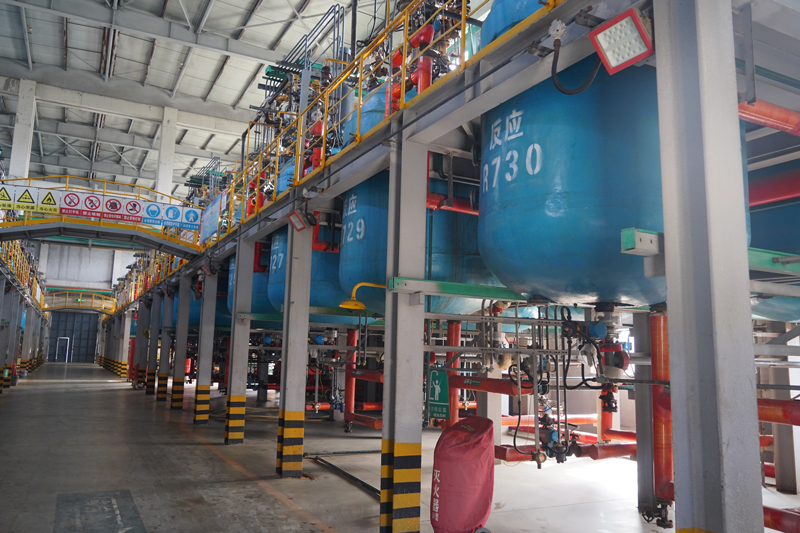
Industrial scale production relies heavily on integrated chemical parks capable of managing elemental chlorine gases, sulfuryl chloride reagents, and hazardous chemical byproduct neutralization. Manufacturers with dedicated hazardous-waste processing facilities—such as JIMPOCHEM's 500-acre site in Jinan—hold a definitive competitive advantage in continuous yield stability and environmental regulation compliance.
Achieving ultra-pure 4-Chloro-3 products demands precise regioselective chlorination of 3-substituted aromatics (e.g., m-cresol or 3,5-xylenol). Below is an architectural overview of modern synthetic chemistry pathways and standard quality control metrics maintained at JIMPOCHEM facilities.
| Parameter / Metric | Industrial Grade | Cosmetic / Pharmaceutical Grade | Analytical Methodology |
|---|---|---|---|
| Assay / Purity (HPLC/GC) | ≥ 98.5% | ≥ 99.5% - 99.9% | Chromatographic Area Normalization |
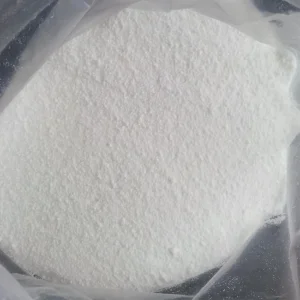
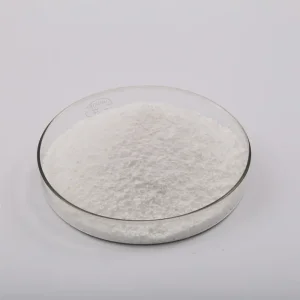
| Appearance | Off-white to Pale Yellow Powder/Liquid | Pure White Crystalline Powder / Clear Liquid | Visual / Colorimetric Inspection |
| Melting Point Range | 113.0°C - 116.0°C | 114.5°C - 116.0°C | Capillary Tube Melting Point System |
| Moisture / Water Content | ≤ 0.5% | ≤ 0.1% | Karl Fischer Titration |
| Single Impurity (Isomers) | ≤ 1.0% | ≤ 0.15% (Strict 2-chloro limit) | High Performance Liquid Chromatography |
| Residue on Ignition / Ash | ≤ 0.2% | ≤ 0.05% | Gravimetric Ashing (800°C) |
| Heavy Metals (Pb, As, Cd) | ≤ 20 ppm | ≤ 5 ppm Total Heavy Metals | ICP-MS Spectrometry |
Traditional electrophilic aromatic substitution of m-cresol often generates undesirable 2-chloro-3-methylphenol side-products due to competing ortho-para directing effects. Modern continuous-flow micro-reactors employed by premier manufacturers use ionic liquid catalysts or modified zeolites to steer chlorination exclusively to the para-position relative to the hydroxyl group (position 4).
This continuous synthesis route reduces hazardous waste by 40%, increases regioselectivity to over 98%, and eliminates batch-to-batch color variation—ensuring downstream cosmetics and drug formulations remain pristine white without requiring costly secondary re-crystallizations.
4-Chloro-3 derivatives function as crucial ingredients across multiple multi-billion-dollar global markets. Understanding these localized application scenarios provides purchasing engineers with clear ROI metrics.
Primary Product: PCMX (4-Chloro-3,5-dimethylphenol)
Function: Antimicrobial preservative, active hand sanitizer agent, anti-dandruff formulation ingredient.
Key Benefit: Destroys bacterial cell walls while remaining non-irritating to dermal tissue at standard use concentrations (0.1% - 2.0%).
Primary Product: 4-Chloro-3-nitrobenzoic Acid & PCMC
Function: Key intermediate for topical antifungal creams, hospital disinfectant solutions, and API precursors.
Key Benefit: Ultra-low metal impurity levels prevent catalyst poisoning during downstream catalytic hydrogenation steps.
Primary Product: Chlorocresol Grade Biocides
Function: Dry-film fungicide in exterior architectural paints, synthetic leather biostabilizers, metalworking fluid preservatives.
Key Benefit: High thermal endurance (>200°C) allows seamless integration during hot plastic extrusion processes.
Global chemical buyers face three persistent bottlenecks: fluctuating chlorine raw material pricing, strict EU Biocidal Products Regulation (BPR) compliance requirements, and shipping delays across transatlantic trade corridors.
JIMPOCHEM solves these challenges by offering contract-locked yearly volume pricing, complete regulatory documentation (REACH, SDS, COA per batch, ISO 9001/14001 certification), and dual-warehouse regional buffer stocks in key port zones to guarantee unbroken supply continuity for global pharmaceutical and consumer goods multinationals.
The fine chemicals market is undergoing a structural transition toward decarbonization, continuous process automation, and non-toxic byproduct chemistry. Manufacturers of 4-Chloro-3 derivatives must adapt to modern sustainability standards.
Transitioning away from elemental chlorine gas toward eco-friendly oxidative chlorination using hydrogen peroxide and catalytic alkali halides. This green pathway eliminates hazardous hydrochloric acid off-gas emissions and aligns with international carbon neutrality mandates.
Implementation of real-time near-infrared (NIR) and Raman spectroscopy sensors in synthesis lines to adjust reaction temperature, feed rates, and residence times dynamically. This ensures batch-to-batch purity variations remain under 0.02%.
Established in 2010, JIMPOCHEM CO., LTD. has grown into a premiere global manufacturer and supply chain leader specializing in high-end fine chemicals, active cosmetic ingredients, and customized pharmaceutical intermediates.
Founded in 2010
Jinan Chemical Park
Global Logistics Reach
Trusted Service Provider
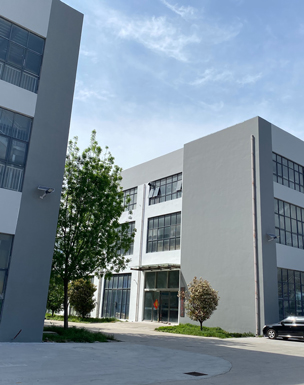
Headquartered in the Chemical Industry Park of Jinan City, Shandong Province, JIMPOCHEM integrates R&D, continuous production, international logistics, and technical field support. Our core engineering team comprises industry veterans with over a decade of hands-on synthesis experience, enabling tailored product development, formula optimization, and customized purification solutions.
In-depth technical answers addressing common questions from procurement managers, formulation chemists, and compliance officers regarding 4-Chloro-3 chemical orders.
The term primarily refers to 4-Chloro-3-methylphenol (PCMC / CAS 59-50-7) and 4-Chloro-3,5-dimethylphenol (PCMX / CAS 88-04-0). Depending on end-application requirements, it also encompasses 4-Chloro-3-nitrobenzoic acid (CAS 96-99-1) and 4-Chloro-3-nitrotoluene (CAS 89-59-8), which are widely used as chemical synthesis intermediates.
PCMX exhibits significantly lower mammalian toxicity than unsubstituted phenol while demonstrating a much higher phenol coefficient (approx. 60x greater bactericidal activity). It deactivates microbial cell enzymes and disrupts bacterial cell membranes effectively against Gram-positive, Gram-negative bacteria, and fungi.
Every shipment includes a comprehensive batch Certificate of Analysis (COA), Safety Data Sheet (SDS) compliant with GHS Revision 8, ISO 9001 quality audit reports, ISO 14001 environmental certificates, EU REACH registration documentation, and certificate of origin (COO).
Yes. We provide 100g to 500g qualified free samples for analytical testing, pilot batch synthesis, or formula testing upon request by verified business entities.
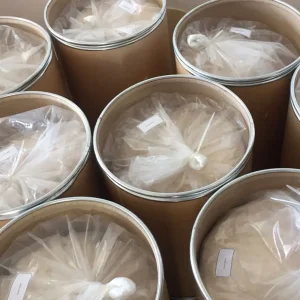
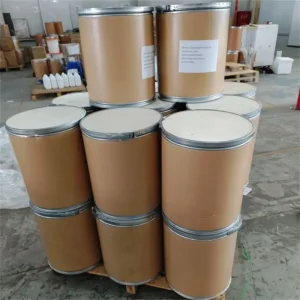
Standard packaging includes 25kg fiber drums with double PE inner liners, 50kg HDPE drums, or 500kg super sacks for solid powders. Liquid derivatives are supplied in 200L steel drums or 1000L IBC totes designed for international ocean freight stability.
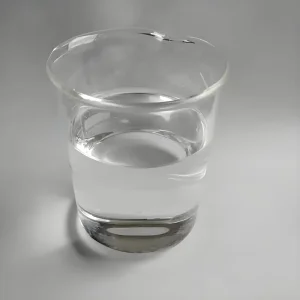
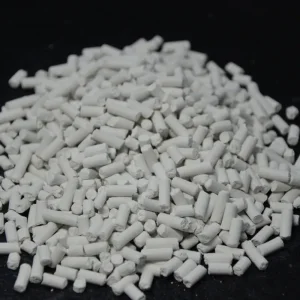
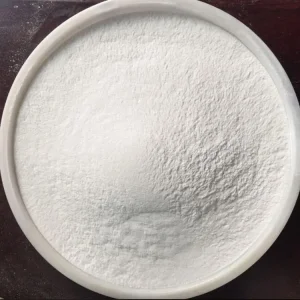
Additional high-demand products available directly from JIMPOCHEM manufacturing units.
 JIMPOCHEM