Verified chemical products engineered for cosmetics, industrial coatings, active pharmaceutical intermediates, and specialized applications.
An authoritative analysis of chemical manufacturing pathways, market dynamics, and procurement optimization for CAS 123-00-2.
In the global ecosystem of specialty fine chemicals, 4-(3-Aminopropyl)morpholine (CAS No. 123-00-2), frequently designated as N-(3-Aminopropyl)morpholine or APM, serves as an indispensably versatile aliphatic heterocycle amine. Modern chemical manufacturing relies heavily on this compound due to its dual functional architecture—combining a reactive primary amine head with a stable tertiary ether-like morpholine ring. This structural balance renders it a vital catalyst, cross-linking agent, corrosion inhibitor, and synthesis intermediate across high-tech domains including epoxy polymer formulation, pharmaceutical active API production, water treatment infrastructure, and polyurethane system customization.
Understanding the market realities surrounding the purchase of 4-(3-Aminopropyl)morpholine requires evaluating both synthetic chemical routes and global supply chain vulnerabilities. Industrially, APM is primarily synthesized via the nucleophilic Michael addition of morpholine to acrylonitrile, producing 3-morpholinopropionitrile, followed by catalytic heterogeneous hydrogenation over Raney nickel or noble-metal catalyst beds under high-pressure conditions:
Step 1 (Cyanoethylation): Morpholine + Acrylonitrile → 3-Morpholinopropionitrile (Exothermic, Base-Catalyzed)
Step 2 (Catalytic Hydrogenation): 3-Morpholinopropionitrile + 2 H&sub2; → 4-(3-Aminopropyl)morpholine (High Pressure, Fixed-Bed / Autoclave Reactor)
Global demand patterns indicate a continuous CAGR expansion driven by the automotive, aerospace, and construction sectors demanding advanced epoxy hardeners with rapid curing profiles and superior moisture resistance. Procurement professionals seeking reliable factory-direct partners must evaluate key variables: raw material pricing volatility (morpholine and acrylonitrile derivatives), continuous flow vs. batch hydrogenation capacity, strict color preservation (minimizing yellowing via thermal stabilization), and regulatory adherence under REACH, TSCA, and regional environmental standards.
Rigorous quality control parameters ensuring consistent operational efficacy in downstream industrial formulations.
To assist procurement technical managers, formulation scientists, and QA auditors in qualifying 4-(3-Aminopropyl)morpholine suppliers, the following comprehensive analytical parameters delineate industrial-grade vs. premium pharmaceutical-grade batches synthesized at our Jinan production complex:
| Analytical Parameter | Standard Technical Grade Specification | High-Purity / Pharma Grade Standard | Testing Method / Instrument |
|---|---|---|---|
| Chemical Name | 4-(3-Aminopropyl)morpholine / N-(3-Aminopropyl)morpholine | IUPAC Nomenclature | |
| CAS Registry Number | 123-00-2 | CAS Database Reference | |
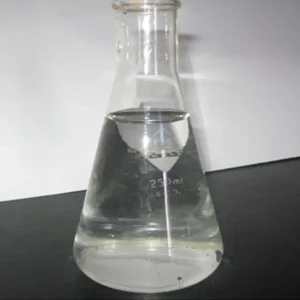
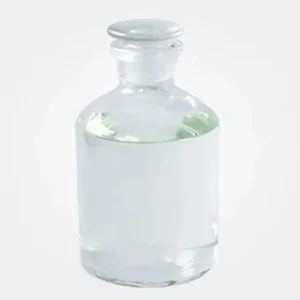
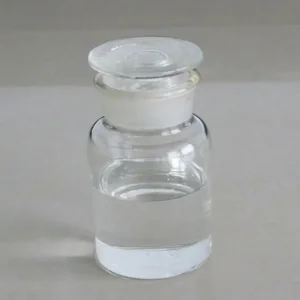
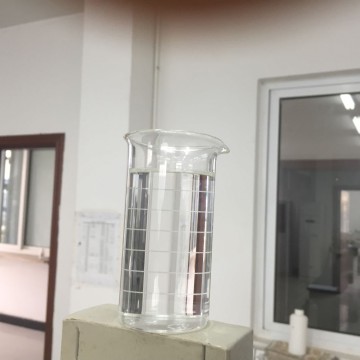
| Appearance | Clear, colorless to slightly pale yellow liquid | Colorless transparent liquid (APHA ≤ 15) | Visual / Gardner Color Scale |
| Assay / Purity (GC) | ≥ 98.5% | ≥ 99.5% | Gas Chromatography (FID) |
| Moisture Content (Water) | ≤ 0.30% | ≤ 0.10% | Karl Fischer Titration |
| Density (20°C) | 0.985 - 0.992 g/cm³ | 0.987 - 0.990 g/cm³ | Pycnometer / Digital Density Meter |
| Refractive Index (n20/D) | 1.4740 - 1.4780 | 1.4755 - 1.4765 | Abbe Refractometer |
| Boiling Point Range | 222.0°C - 226.0°C | 224.0°C - 225.0°C | Atmospheric Distillation |
| Amine Value (mg KOH/g) | 760 - 785 | 770 - 780 | Potentiometric Titration |
How 4-(3-Aminopropyl)morpholine solves critical performance challenges in specialized chemical sectors.
In heavy-duty protective coatings, structural adhesives, and composite matrixes, 4-(3-Aminopropyl)morpholine functions as an exceptional curing agent and latency accelerator. Its primary amine group initiates rapid ring-opening polymerizations of bisphenol A and F epoxy resins even at lower ambient temperatures, while the morpholine ring enhances inter-chain flexural strength and chemical resistance against acids and organic solvents.
Industrial steam boilers, petroleum refinery cooling towers, and closed loop hydronic networks utilize APM as a neutralizing volatile amine. Its favorable vapor-to-liquid distribution ratio enables it to condense simultaneously with steam, neutralizing carbonic acid (H&sub2;CO&sub3;) along condensate return pipelines, forming a durable protective monomolecular passivation film over ferrous carbon steel infrastructure.
The morpholinopropyl backbone is a privileged pharmacophore motif found in active pharmaceutical ingredients (APIs), antimicrobial agents, and agricultural fungicides. By employing ultra-pure 99.5% APM, synthesis teams avoid micro-impurities that could compromise crystal morphology or lead to regulatory non-conformance during downstream active drug registration.
Designated chemical service provider leading the future of fine chemical manufacturing and supply chain management.
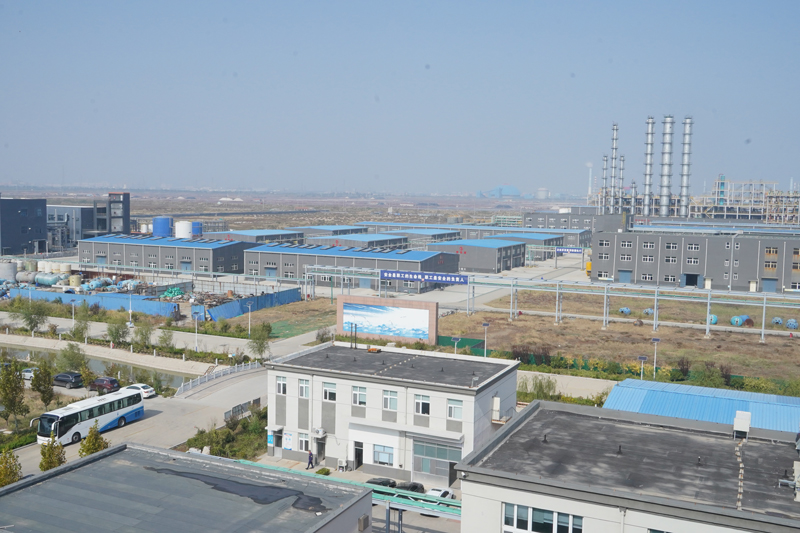
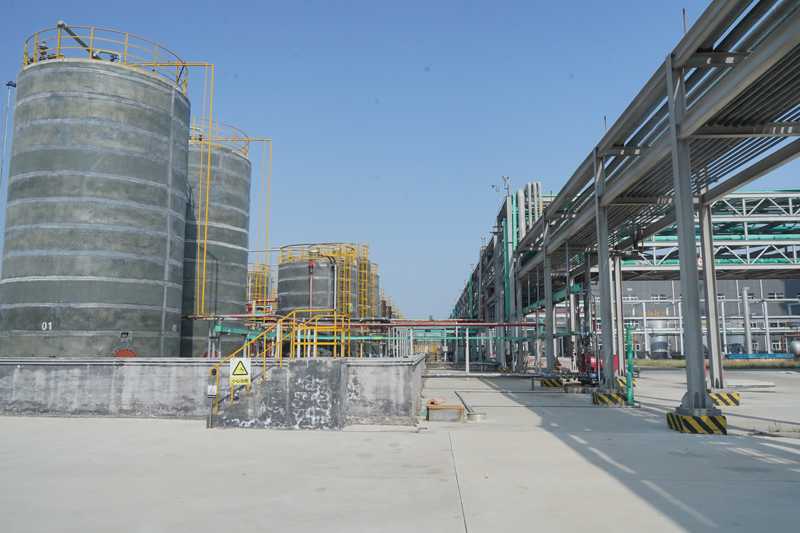
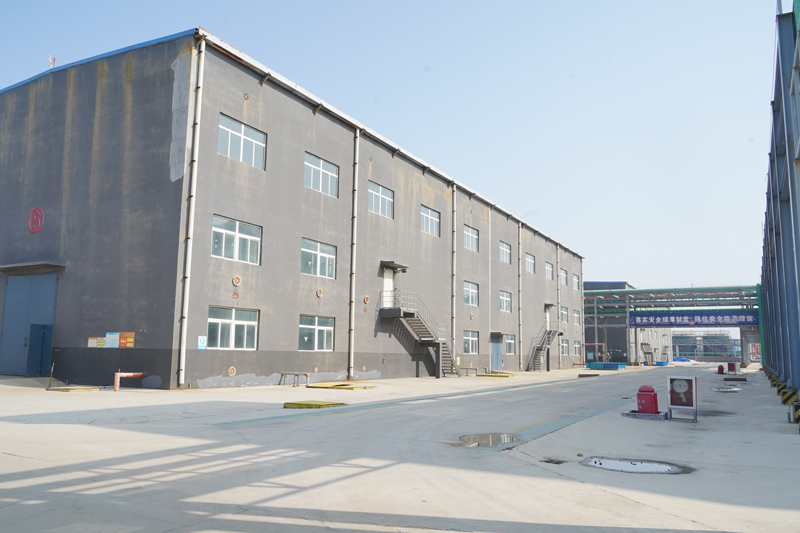
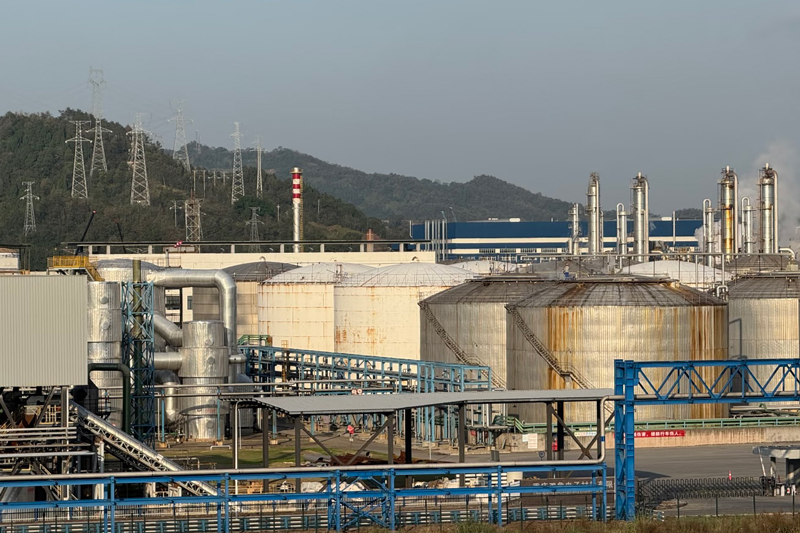
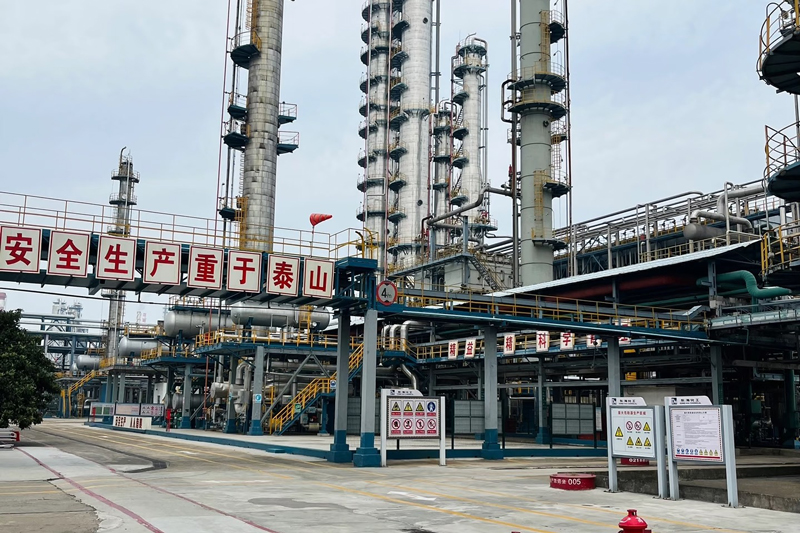
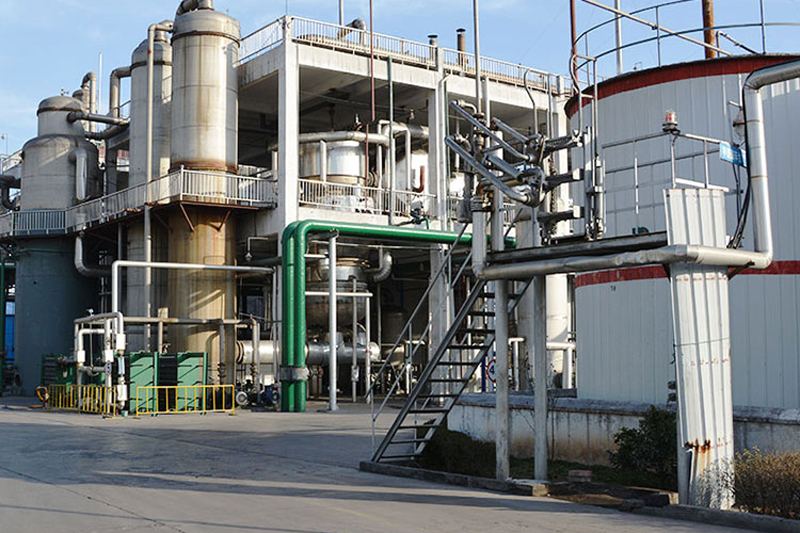
JIMPOCHEM CO., LTD was established in 2010 and is headquartered in the Chemical Industry Park of Jinan City, Shandong Province. The company covers an area of over 500 acres and is a professional chemical raw material manufacturer that integrates research and development, production, sales, and technical services. Its core focus is on high-end fine chemicals and cosmetic raw materials.
We have obtained multiple product related certifications, including ISO quality system certification and environmental management system certification, and are committed to providing high-quality chemical products and one-stop procurement service solutions to global customers. Our core team comprises experts with over 16 years of experience in the chemical industry, offering customized chemical solutions to meet diverse industrial specifications.
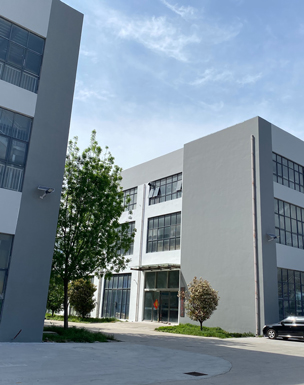

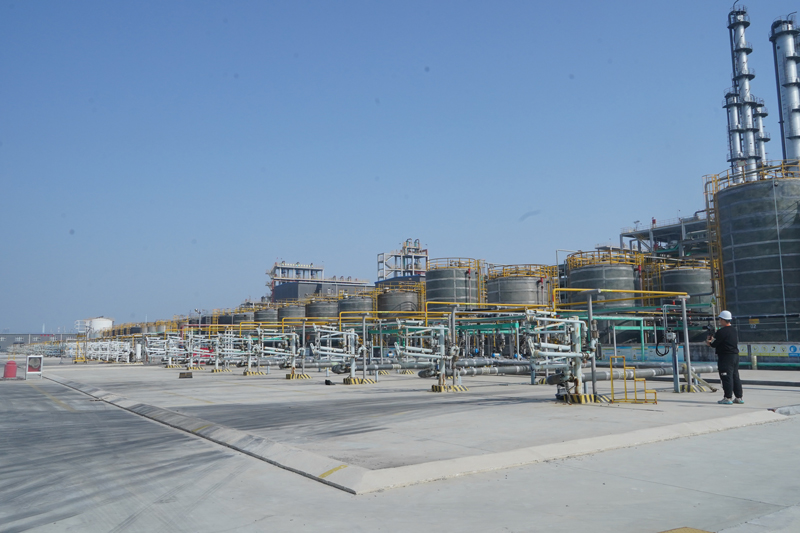
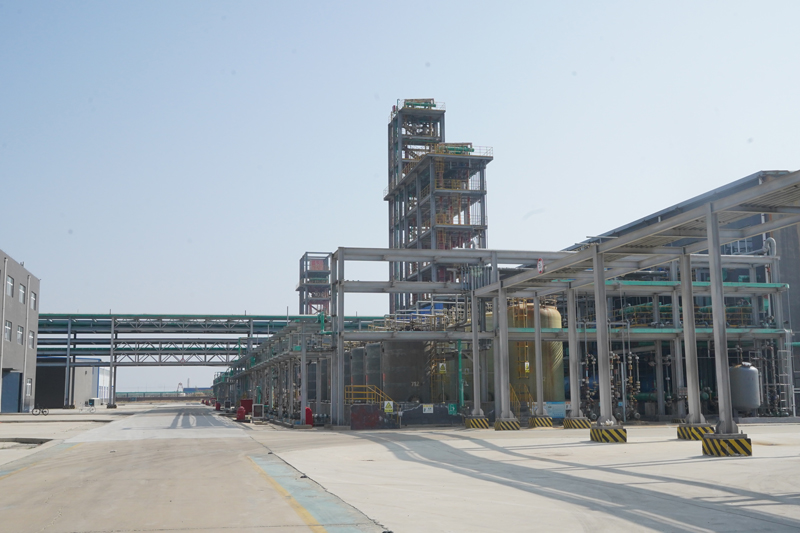
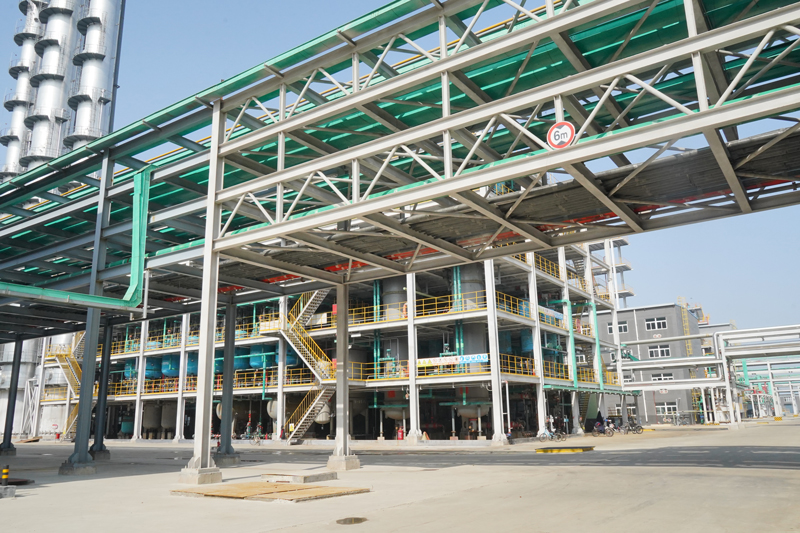
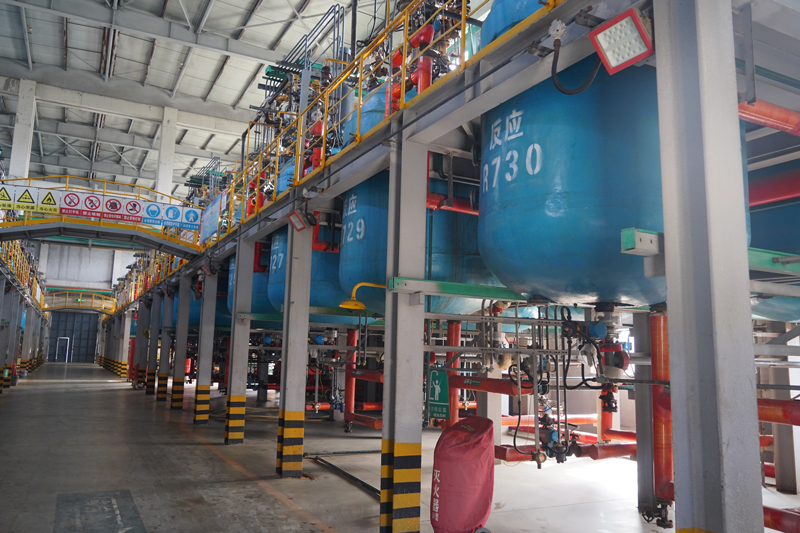
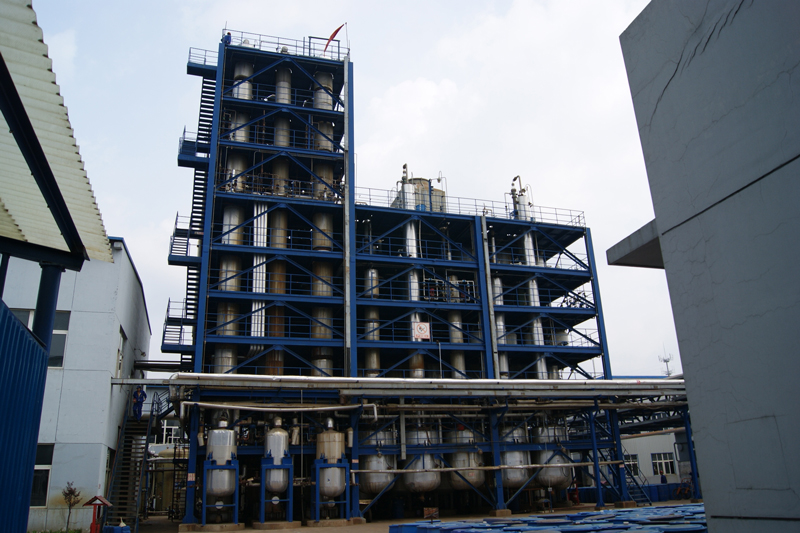
Leveraging years of industry experience, we have established stable raw material procurement channels and partnered with top global chemical suppliers. Our modern production base employs intelligent control systems to automate and digitally manage production processes, balancing large-scale commercial output with flexible client customization.
Adhering to the philosophy that "quality is the lifeline of an enterprise," we maintain a comprehensive quality control system. From raw material warehousing inspection to full-item testing of finished batches, every shipment adheres to strict technical specifications supported by complete batch traceability.
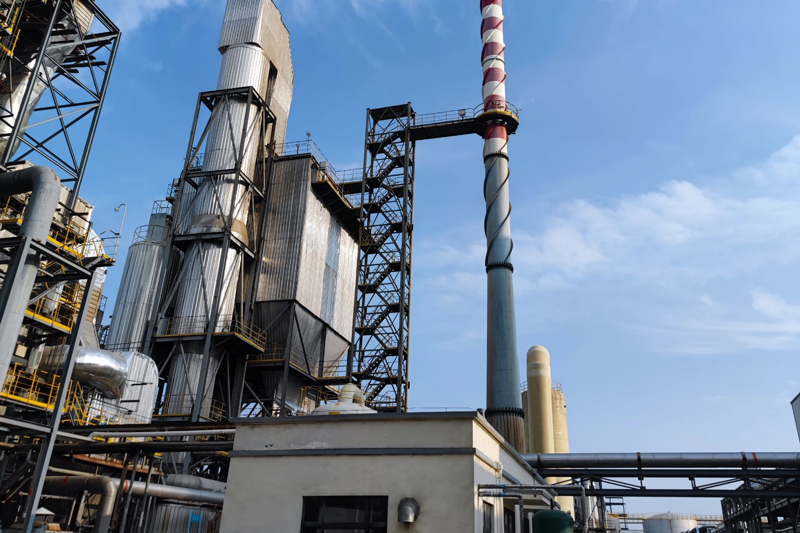
In response to global "dual-carbon" strategies, JIMPOCHEM focuses on green chemical synthesis routes, optimizing wastewater, waste gas, and waste residue treatment systems to achieve compliant pollutant emissions and sustainable resource recycling.
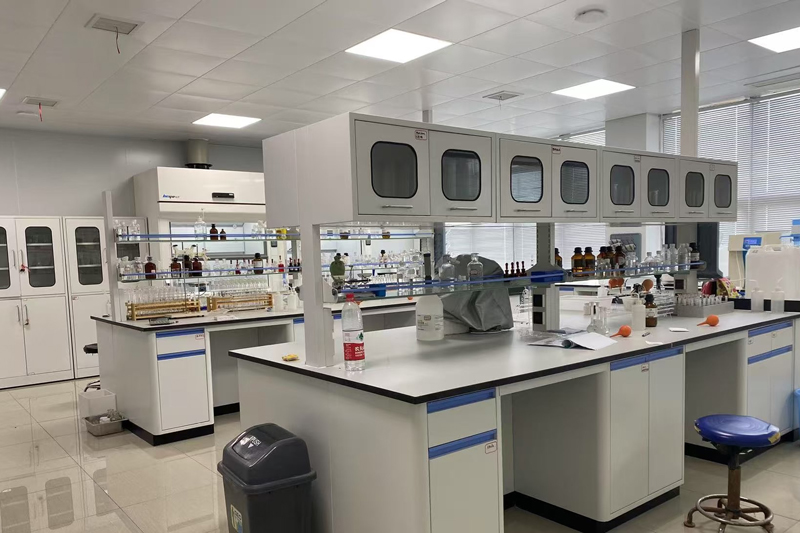
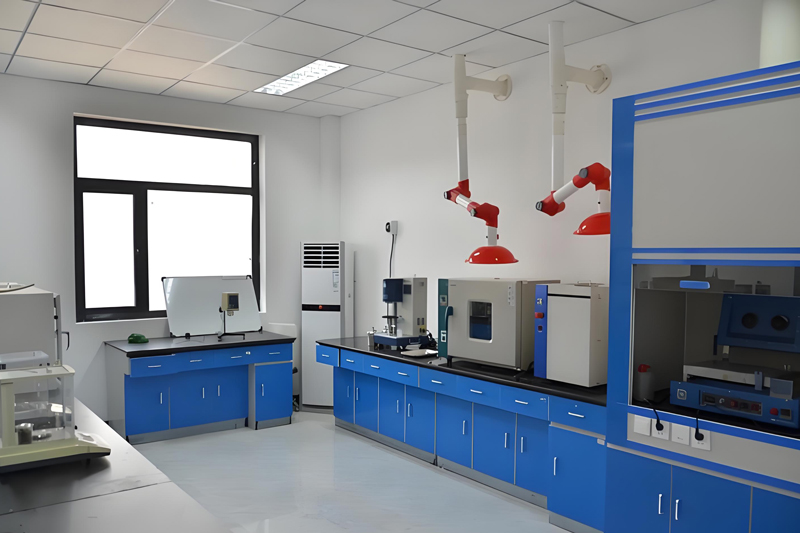
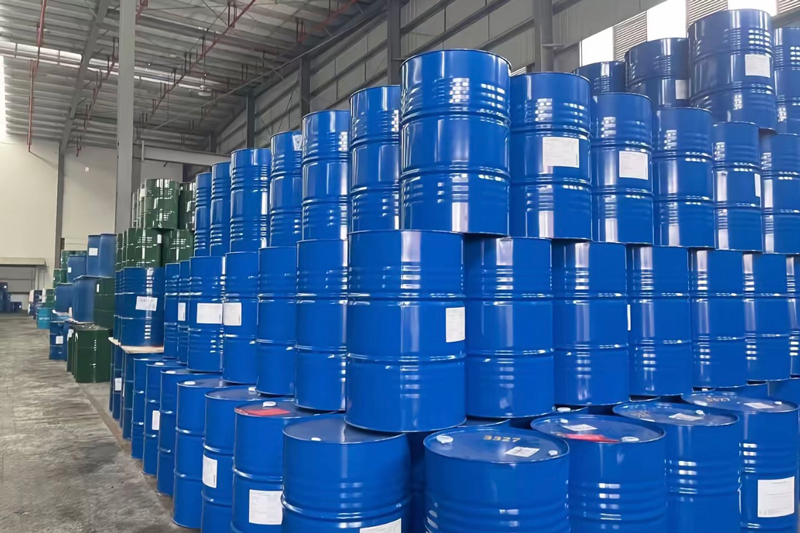
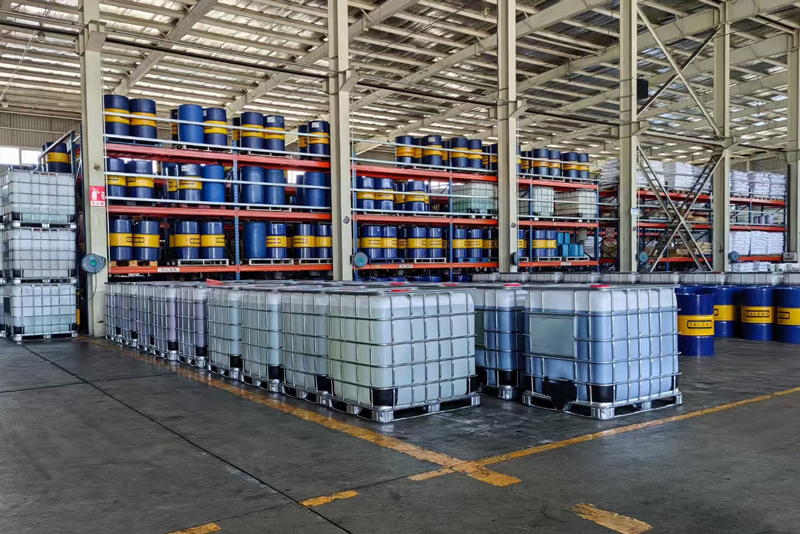
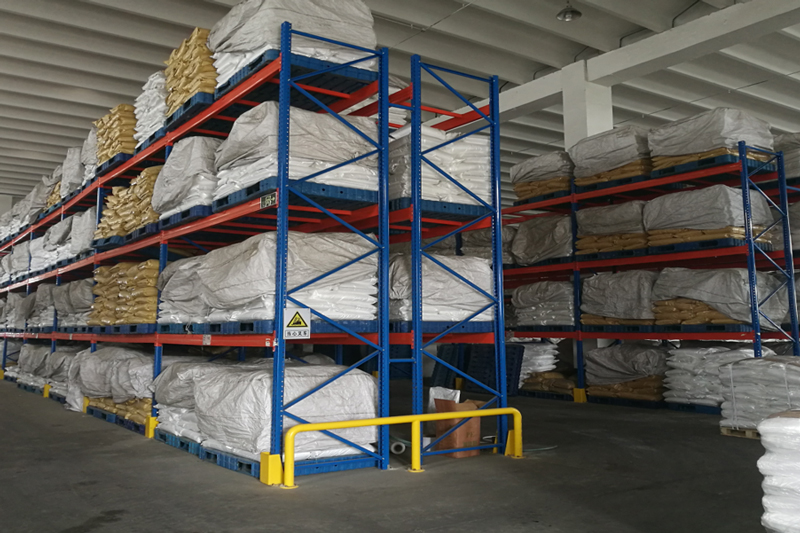
Explore corporate exterior, state-of-the-art reactors, laboratory R&D, and custom packaging systems.

Ensuring safe handling, transport, and international regulatory compliance for Class 8 Corrosive Materials.
4-(3-Aminopropyl)morpholine is classified as a hazardous chemical under GHS guidelines due to its corrosive nature to skin and eyes (Class 8 Liquid, UN 2735). JIMPOCHEM ensures full compliance with international safety protocols:
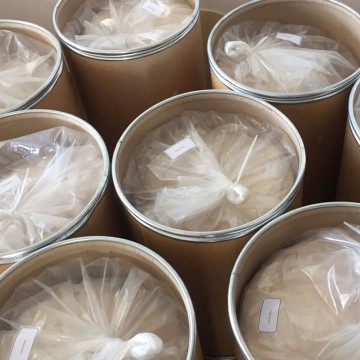
To guarantee zero leakage, oxidation protection, and physical stability during ocean freight and long-distance transport, we offer three standard container solutions:
Innovating green chemistry process pathways and next-generation amine derivative technologies.
As downstream industries transition toward carbon neutrality and stricter VOC (Volatile Organic Compound) limitations, the synthetic roadmap for 4-(3-Aminopropyl)morpholine is undergoing significant technological evolution. JIMPOCHEM’s R&D division is actively collaborating with academic institutions to introduce three key process innovations:
Transitioning from traditional Raney nickel catalysts to high-selectivity ruthenium and cobalt nano-alloy catalysts. This modification drops hydrogenation operating temperatures by 25°C, reducing thermal energy requirements while boosting product selectivity to > 99.7%.
Developing proprietary anti-yellowing antioxidant complexes added prior to distillation. This preserves ultra-water-white liquid appearance (APHA < 10) even during prolonged storage under warm climate conditions.
Investigating renewable acrylonitrile precursors derived from bio-based glycerol, preparing our supply chain for zero-carbon lifecycle demands in European and North American manufacturing hubs.
Expert insights regarding purchasing, storage, technical parameters, and order fulfillment.
Our standard minimum commercial order quantity is 1 drum (200 kg). For lab-scale testing, pilot trials, or R&D evaluation, we provide sample packaging sizes of 1 kg, 5 kg, or 25 kg upon request. Custom commercial volumes up to full ISO tank containers (24 MT) can be scheduled with short lead times.
APM possesses both primary and tertiary amine functionality. Unlike volatile tertiary amines like Triethylamine, APM exhibits a much lower vapor pressure and higher boiling point (224°C), dramatically reducing VOC emissions and workplace odor during curing. Compared to DBU, APM provides superior compatibility with liquid epoxy resins and better water resistance in humid environments.
4-(3-Aminopropyl)morpholine is hygroscopic and sensitive to atmospheric carbon dioxide and oxygen. It should be stored in tightly sealed original steel drums or stainless steel tanks under a dry nitrogen blanket. Keep storage temperatures between 15°C and 25°C in a well-ventilated area away from strong oxidizing agents and direct sunlight. Under proper nitrogen blanketing, shelf life exceeds 24 months.
Yes. Our dedicated technical service team works directly with client engineers to optimize amine ratios, adjust resin cure kinetics, and perform application testing. We provide custom blending and synthesis services to tailor physical specifications (e.g., lower water content or targeted viscosity) to your specific production demands.
Explore our full array of organic intermediates, fluorine compounds, and high-performance functional chemical products.
 JIMPOCHEM