Explore our premium bio-based emulsifiers, active ingredients, and fine chemical intermediates produced under strict ISO quality standards.
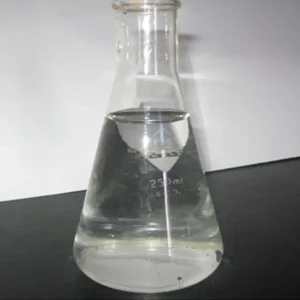
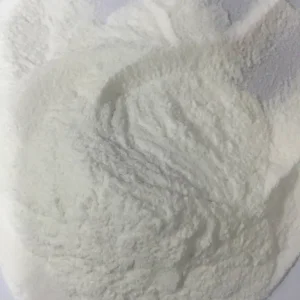
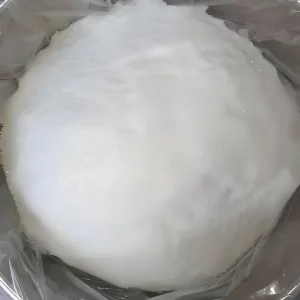
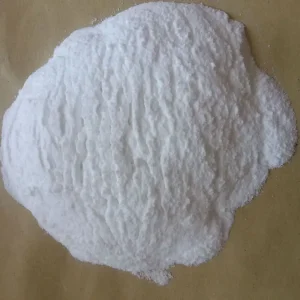
An in-depth evaluation of non-ionic bio-surfactants, HLB customization, clean-label formulation chemistry, and global market dynamics.
Sucrose Monolaurate (CAS 25339-99-5) represents a pivotal breakthrough in non-ionic bio-surfactants and green ester chemistry. Synthesized by the enzymatic or chemical transesterification of natural sucrose with lauric acid derived from renewable plant oils, sucrose monolaurate delivers an ideal Hydrophilic-Lipophilic Balance (HLB value ~15–16). As global formulation industries pivot aggressively from synthetic ethoxylated compounds (such as PEGs and SLES) toward biodegradable, non-toxic, and non-irritating alternatives, high-purity sucrose monolaurate has emerged as a cornerstone ingredient across personal care, food matrix stabilization, pharmaceutical solubilization, and advanced agrochemical delivery systems.
Key Market Insight: The global market for sugar ester surfactants is projected to expand at a CAGR of 6.8% through 2030. Driven by strict regulatory mandates in Europe (REACH) and North America limiting ethoxylated surfactants (due to trace 1,4-dioxane risks), demand for high-monoester sucrose monolaurate manufactured in China has surged by over 40% year-over-year.
The performance of sucrose monolaurate relies heavily on its monoester concentration. While multi-ester blends (diesters and triesters) exhibit hydrophobic, lipophilic characteristics, pure sucrose monolaurate provides exceptional water solubility, rapid micro-emulsification, and transparent clear-gel capabilities. The hydrophilic sucrose head group contains eight hydroxyl groups, offering massive hydrogen-bonding potential, while the 12-carbon lauric hydrophobic tail interacts seamlessly with lipid systems.
Provides powerful O/W (oil-in-water) emulsification, microemulsion formation, and effective solubilization of lipophilic active ingredients without requiring co-surfactants.
Rapidly biodegradable within 28 days according to OECD 301B guidelines. Zero toxicity to aquatic ecosystems, making it fully compliant with EU Eco-label standards.
Exceptionally low mucous membrane and cutaneous skin irritation. Ideal for sensitive skin formulations, baby products, mucosal drug delivery, and eye-area cosmetics.
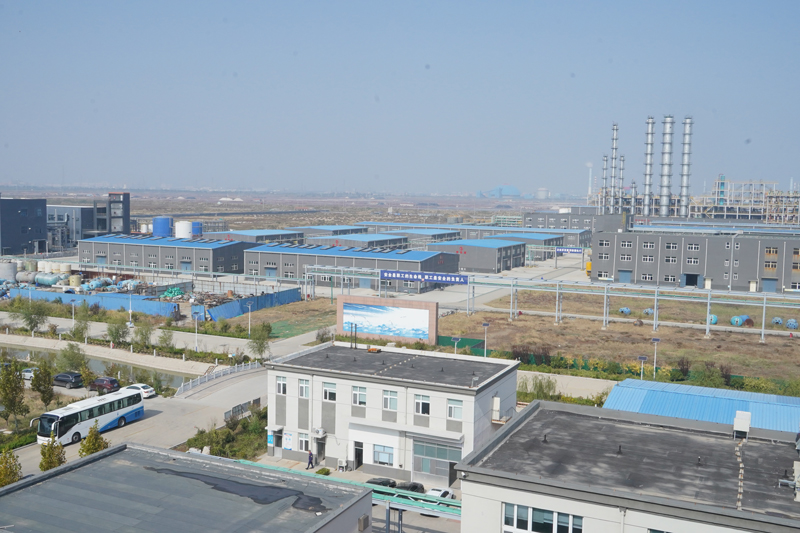
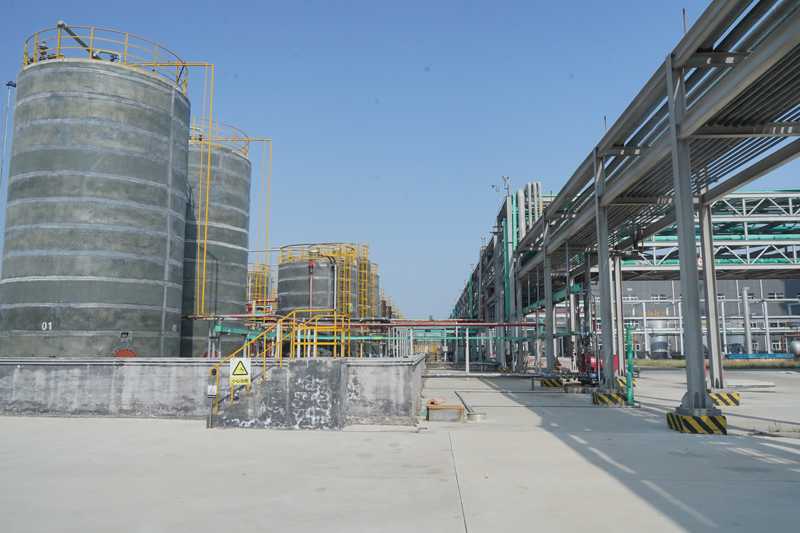
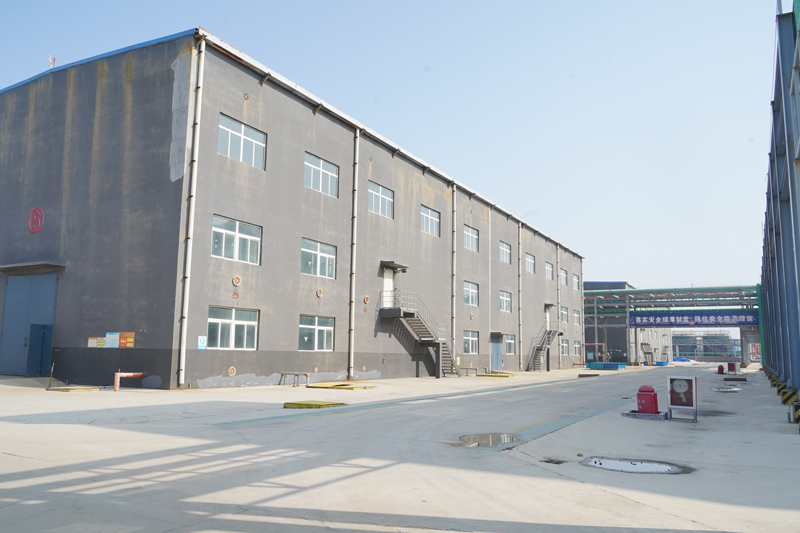
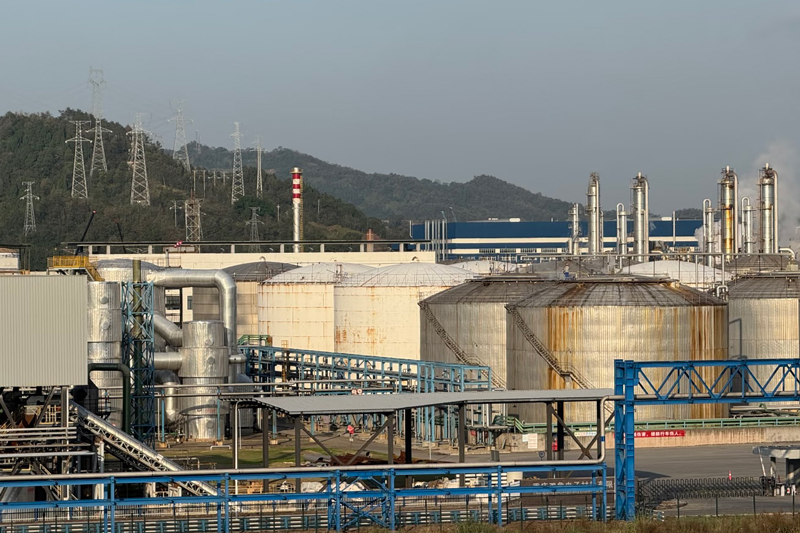
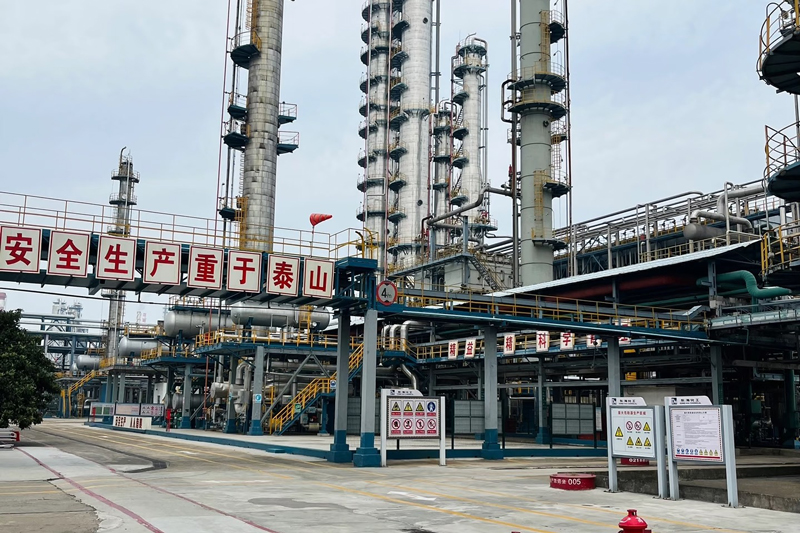
Established in 2010 and headquartered in the prestigious Chemical Industry Park of Jinan City, Shandong Province, JIMPOCHEM CO., LTD covers a state-of-the-art facility spanning over 500 acres. We are a professional chemical enterprise integrating advanced R&D, continuous synthesis production, international sales, and tailored technical services.
Adhering to our core philosophy that "Quality Leads the Future," JIMPOCHEM maintains rigorous ISO 9001 quality system certifications and ISO 14001 environmental management protocols. Our dedicated R&D team consists of chemical engineers with over 16 years of hands-on expertise in fine chemical synthesis, green esterification, and formulation stability optimization.
Today, our product portfolio reaches across more than 200 countries and regions in Europe, North America, South America, Southeast Asia, the Middle East, and Oceania, serving over 5,000 international corporate clients as a designated chemical supply provider.
How JIMPOCHEM leverages intelligent automated synthesis, raw material integration, and rigorous quality control to deliver competitive global chemical sourcing.
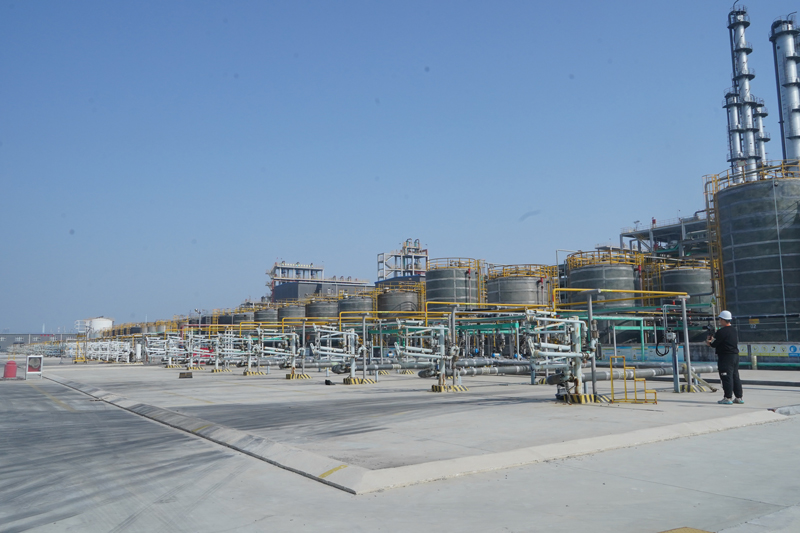
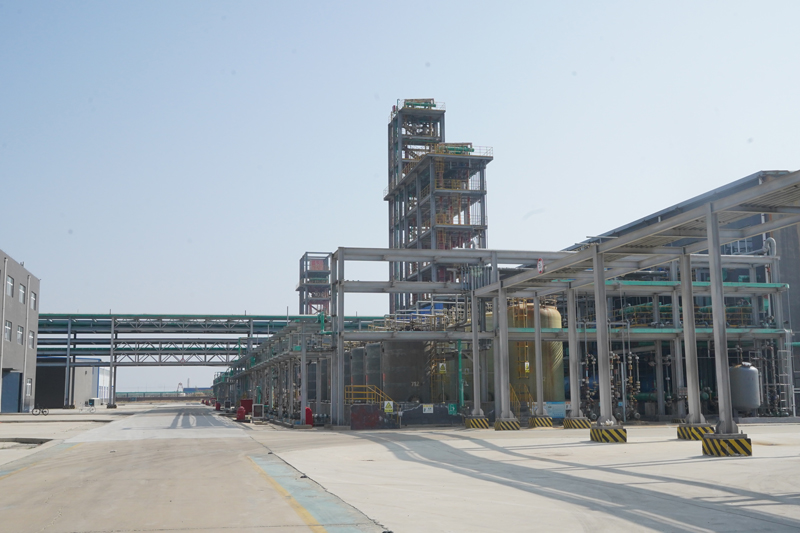
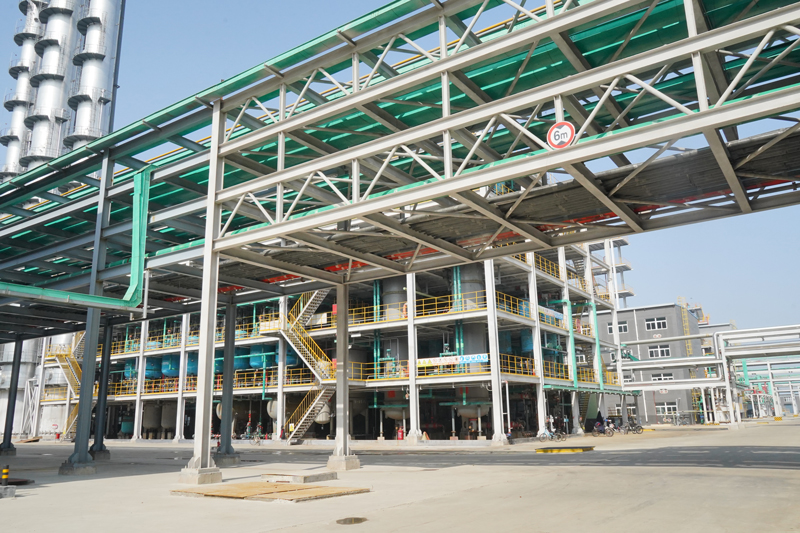
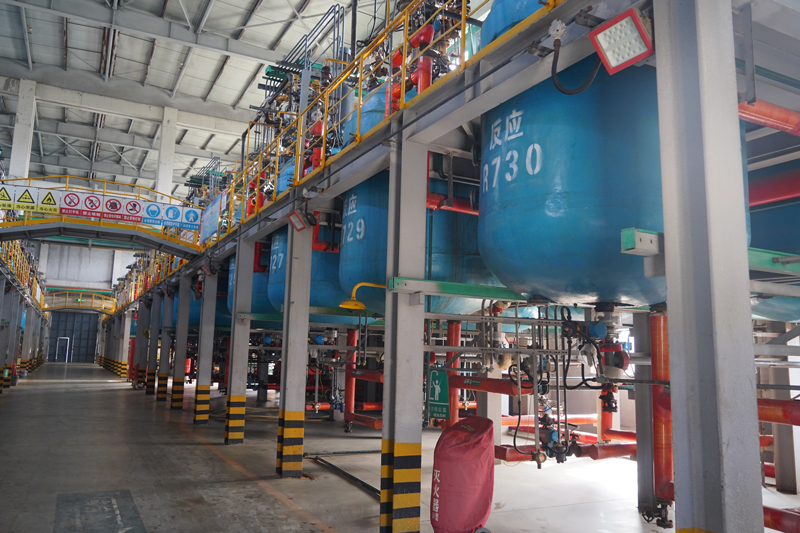
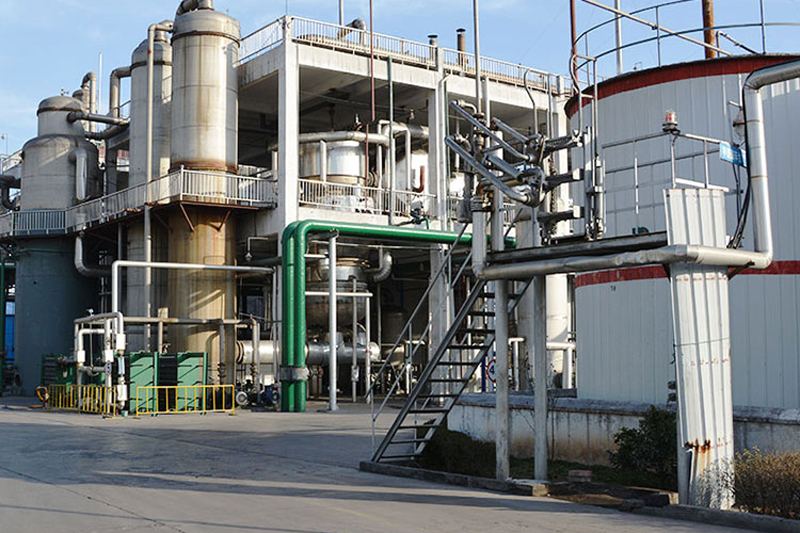
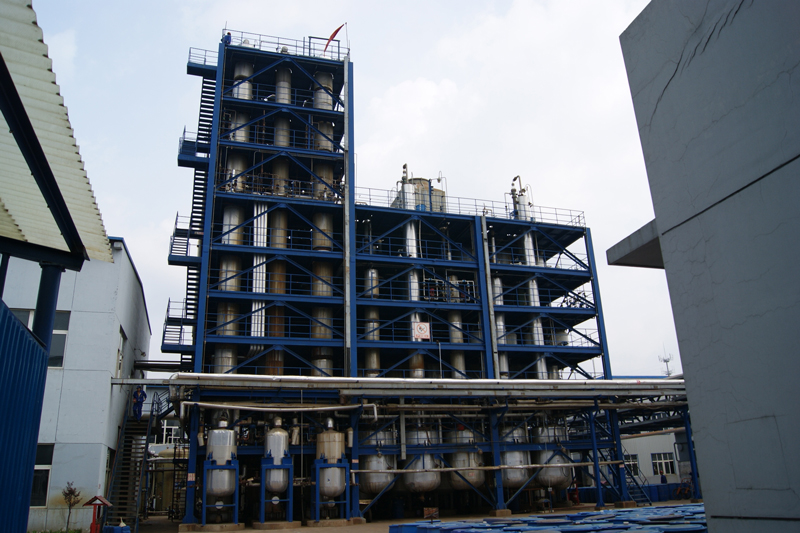
Our Jinan smart factory utilizes automated batch and continuous loop esterification reactors monitored by Distributed Control Systems (DCS). This ensures batch-to-batch consistency, tightly controlled monoester ratios (>80% monoester content), and minimal chemical byproducts.
By establishing long-term strategic partnerships with premier palm fatty acid refiners and sucrose processors across Asia, JIMPOCHEM buffers market volatility, guaranteeing uninterrupted raw material supply and competitive pricing during global supply chain disruptions.
Every single batch undergoes High-Performance Liquid Chromatography (HPLC), Gas Chromatography (GC), and Karl Fischer titration analysis. Our QR-code batch traceability system allows clients to verify raw material sources, processing telemetry, and COA test data instantaneously.
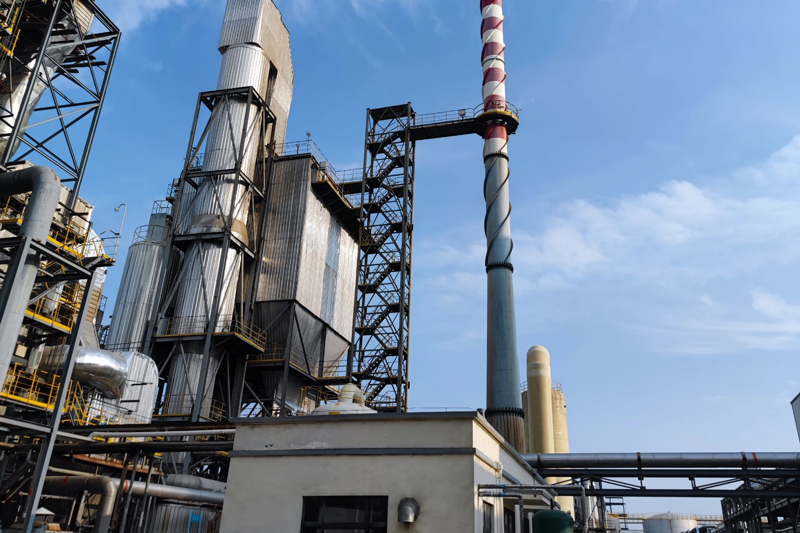
In response to global "dual-carbon" targets, our manufacturing plant employs zero-VOC recovery systems, advanced biological wastewater treatment, and solar power integration, reducing total carbon emissions per unit mass by 32% compared to conventional esterification plants.
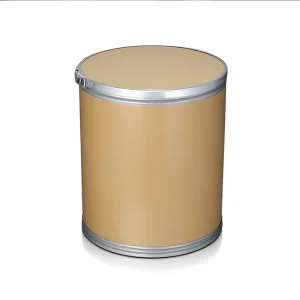
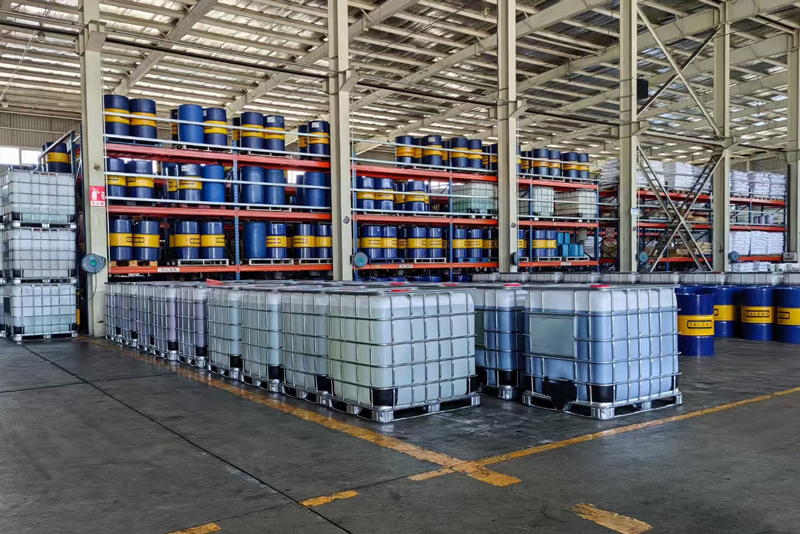
From 25kg fiber drums with double PE liners to 500kg super sacks and customized 1000kg IBC totes, our logistical packaging preserves powder fluidability and prevents moisture absorption during long-distance international sea freight.
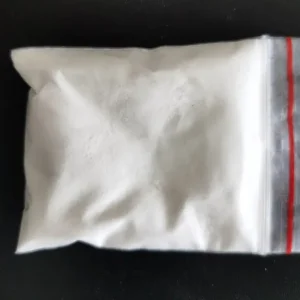
We provide specialized grades tailored to client requirements, including food-grade sucrose monolaurate (E473 compliant), cosmetic ultra-pure clear powder, and pharmaceutical solubilizer formulations with customized particle mesh sizes.
Unlocking formulation breakthroughs across personal care, oral pharmaceuticals, clean-label food systems, and high-efficiency agrochemical nano-emulsions.
In modern cosmetics, sucrose monolaurate serves as a primary non-ionic surfactant for facial cleansing oils, micellar waters, and natural oil-to-milk transformation cleansers. When combined with natural polyols (such as Glycerin or PPG-20 Methyl Glucose Ether), it creates transparent microemulsions that rinse cleanly without stripping skin lipids.
Due to its high biocompatibility and mucosal safety profile, sucrose monolaurate is extensively used as an excipient for drug delivery systems, particularly for poorly water-soluble Active Pharmaceutical Ingredients (APIs, BCS Class II and IV drugs).
Designated under food additive code E473, sucrose esters of fatty acids are critical stabilizers for dairy beverages, plant-based milk alternatives (almond, oat, soy), and flavor oil emulsions.
In eco-friendly agricultural sprays, sucrose monolaurate functions as a bio-degradable adjuvant, wetting agent, and spreader, enhancing crop foliar absorption of bioactive agents while reducing soil toxicity.
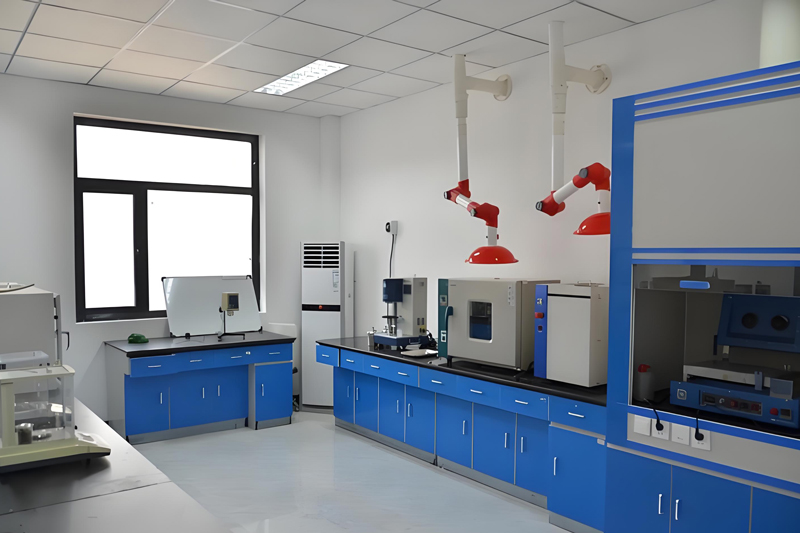
Standard quality standards maintained by JIMPOCHEM R&D Testing Facilities for Batch Certificate of Analysis (COA).
| Parameter Test Item | Guaranteed Specification (Pharma/Cosmetic Grade) | Test Method Standard |
|---|---|---|
| Chemical Name | Sucrose Monolaurate / Sucrose Laurate | IUPAC Nomenclature |
| CAS Registry Number | 25339-99-5 | CAS Database |
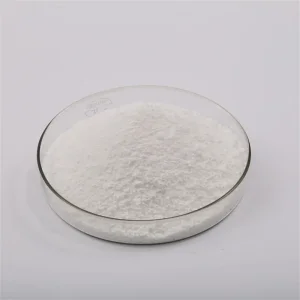
| Appearance | Off-white to light yellow powder or viscous paste | Visual Inspection |
| Monoester Content (%) | ≥ 80.0% (Customizable high-mono fraction available) | HPLC Area Normalization |
| HLB Value (Hydrophilic-Lipophilic Balance) | 15.0 – 16.0 | Calculated / Emulsion Stability Test |
| Free Sucrose Content (%) | ≤ 3.0% | HPLC / Spectrophotometry |
| Free Fatty Acid (as Lauric Acid %) | ≤ 2.0% | Acid Value Titration (ISO 660) |
| Loss on Drying (%) | ≤ 4.0% | Vacuum Drying 105°C for 3 Hours |
| Heavy Metals (as Pb) | ≤ 10 ppm | ICP-MS (Inductively Coupled Plasma) |
| Arsenic (As) | ≤ 2 ppm | Atomic Absorption Spectroscopy |
| Microbial Limits | Total Aerobic Count < 100 CFU/g, Pathogens Negative | USP / EP Standard Protocol |
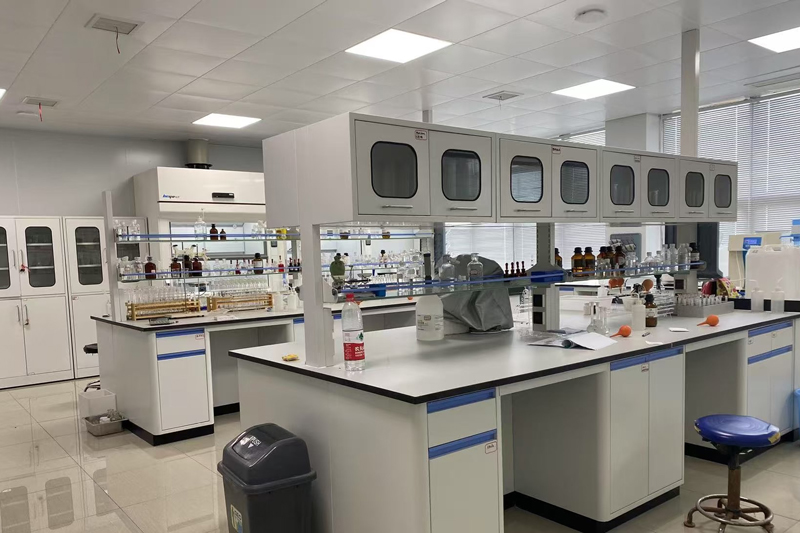
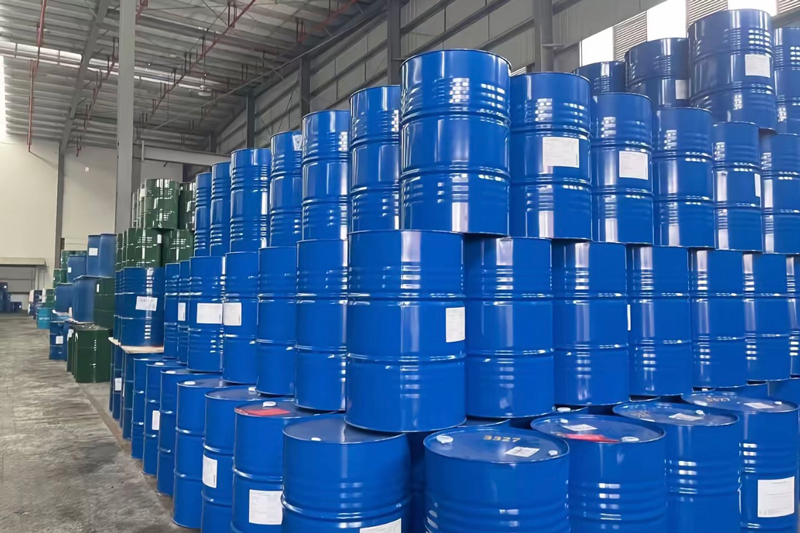
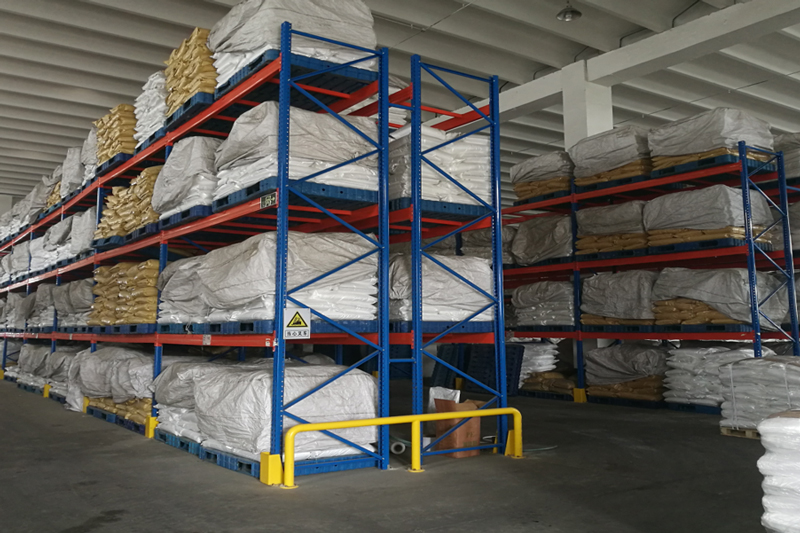
Take a virtual walkthrough of our 500+ acre Jinan chemical manufacturing hub, analytical testing facilities, dynamic storage hubs, and partner ecosystem.

Clear answers regarding ordering, minimum order quantities (MOQ), OEM customization, regulatory compliance, and formulation support.
Browse additional raw materials from JIMPOCHEM for cosmetics, personal care, fine organic synthesis, and pharmaceutical processing.
 JIMPOCHEM