High-purity industrial chemicals, concrete admixtures, and specialty performance raw materials directly supplied from our Shandong manufacturing facilities.
Understanding the Microstructural Optimization, Hydration Kinetics, and C-S-H Gel Nucleation in High-Performance Interlocking Concrete Units
Modern paver block hardener chemicals function as reactive catalysts during cement hydration. By reacting with free calcium hydroxide [Ca(OH)₂] generated during Portland cement hydration, active silicates convert weak, soluble lime crystals into insoluble Calcium Silicate Hydrate (C-S-H) gel structures that permanently densify the concrete matrix.
Dry-cast interlocking concrete paver production demands high early green strength and ultra-fast demolding cycles. Polycarboxylate ether (PCE) modified hardener additives lower inter-particle friction between aggregate grains, achieving maximum dry density under intense high-frequency vibro-compaction without deformation.
Efflorescence ("primary blooming") occurs when unbonded calcium ions migrate through capillary pores to the surface, reacting with atmospheric CO₂. Advanced chemical hardeners bind free ions internally, sealing capillary channels to maintain vibrant, long-lasting surface color and finish.
A rigorous technical comparison of primary paver block hardener systems synthesized by leading Chinese chemical manufacturers.
| Hardener Technology System | Active Chemical Composition | Compressive Strength Gain (28D) | Abrasion Resistance Index | Efflorescence Inhibition | Primary Industrial Application |
|---|---|---|---|---|---|
| Nano-Lithium Silicate Densifier | Li₂O·nSiO₂ (Colloidal Silica-Lithium) | +35% to +48% | Very High (< 1.2 mm wear depth) | 99.2% Elimination | Heavy-duty ports, container terminals, high-traffic plazas |
| Polymer-Modified Sodium Silicate | Na₂O·nSiO₂ + Organosilane Copolymer | +20% to +30% | High (< 1.8 mm wear depth) | 88.5% Reduction | Standard commercial pavers, interlocking sidewalk blocks |
| Nano-Silica Sol Accelerator | SiO₂ Nanoparticles (10–20 nm) | +40% to +55% (High Early 24h Strength) | Extremely High (< 0.9 mm wear depth) | 95.0% Elimination | Precast paver factories requiring rapid mold turnaround |
| Organosilane Hydrophobic Hardener | Alkylalkoxysilane / Fluoropolymer Emulsion | +15% to +22% | Moderate to High | 98.7% Hydrophobic Barrier | Architectural colored pavers, freeze-thaw cold climate zones |
Customized chemical hardener formulations designed for specialized environmental stresses and heavy structural load profiles globally.
Interlocking concrete pavers in container yards face extreme point loads exceeding 50 Tons per axle and severe oil/chemical spills. Formulating dry-cast concrete with Lithium Silicate & Nano-Silica Hardener increases initial surface density, preventing micro-cracking and diesel fuel penetration while multiplying surface abrasion resistance threefold.
In Northern Europe, Canada, and Northern China, paver blocks suffer rapid frost spalling caused by freeze-thaw expansion of absorbed water. Our silane-modified chemical hardeners form an internal capillary hydrophobic network. Water absorption drops below 3%, enabling pavers to withstand over 300 ASTM C666 freeze-thaw cycles without surface scaling.
High-end architectural paving uses iron oxide pigments to achieve vibrant red, yellow, and charcoal hues. White efflorescence haze severely damages aesthetics. Incorporating our dedicated anti-blooming paver hardener locks free calcium inside the matrix, stabilizing iron oxide pigments and preserving original color vibrancy for over 15 years.
Permeable interlocking concrete pavers (PICP) require high interconnected porosity while maintaining structural edge strength. Liquid chemical hardener admixtures coat the aggregate-paste interface, boosting tensile splitting strength by 40% without clogging continuous drainage void spaces.
Driving sustainable concrete chemistry through bio-based catalysts, carbon-capture hardeners, and nano-engineered smart materials.
Widespread adoption of nano-lithium and potassic silicates replacing traditional sodium silicates. Eliminates Alkali-Silica Reaction (ASR) swelling risks while providing ultra-dense C-S-H crystal packing.
Integration of bio-mineralizing bacteria and active silicate microcapsules into liquid hardener packages. Micro-cracks under load automatically trigger chemical precipitation to re-seal structural fissures.
Synthesizing hardeners tailored for alkali-activated materials (fly ash, blast-furnace slag, calcined clay). Eliminates OPC cement reliance, achieving negative carbon footprints for green municipal paving.
Why leading global construction chemical brands partner with Shandong chemical industrial clusters for reliable bulk raw material sourcing.
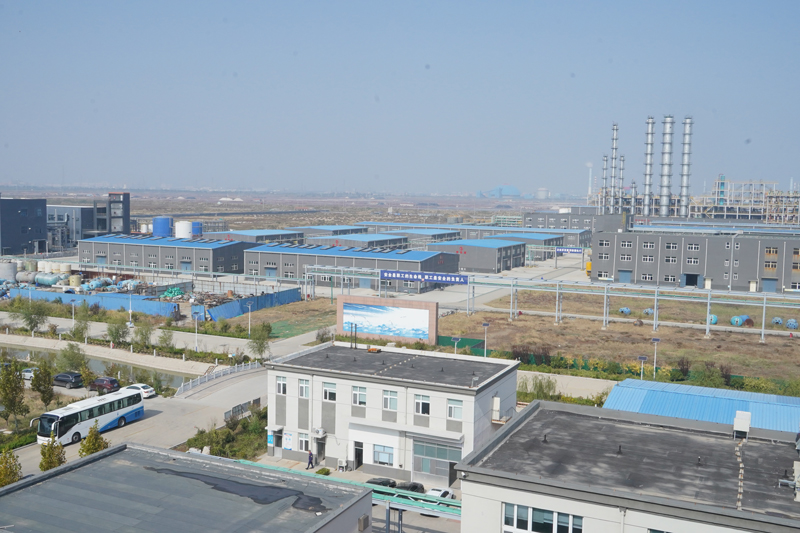
Located in the Jinan Chemical Industry Park, Shandong Province, our direct pipeline access to basic silica, alkali bases, and specialized organic synthesis plants guarantees stable chemical feedstocks unaffected by market volatility.
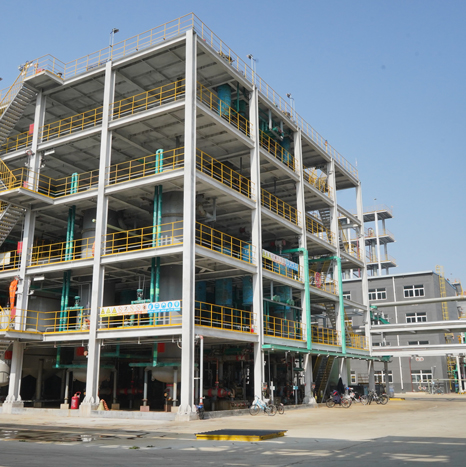
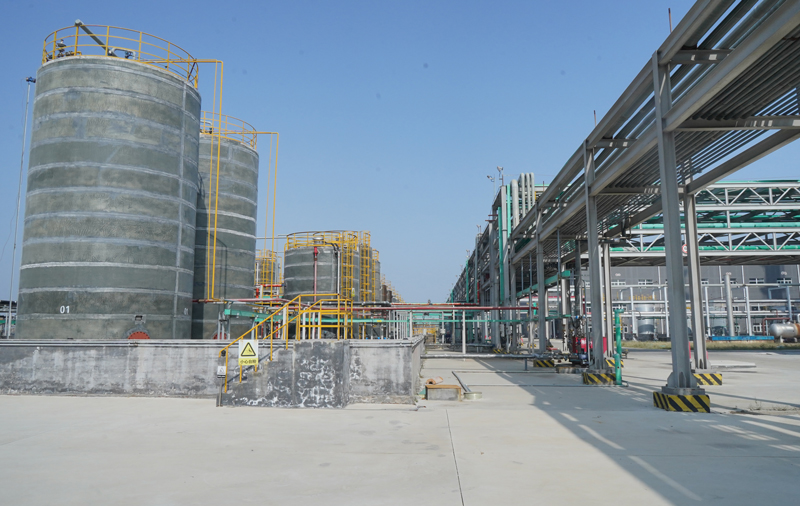
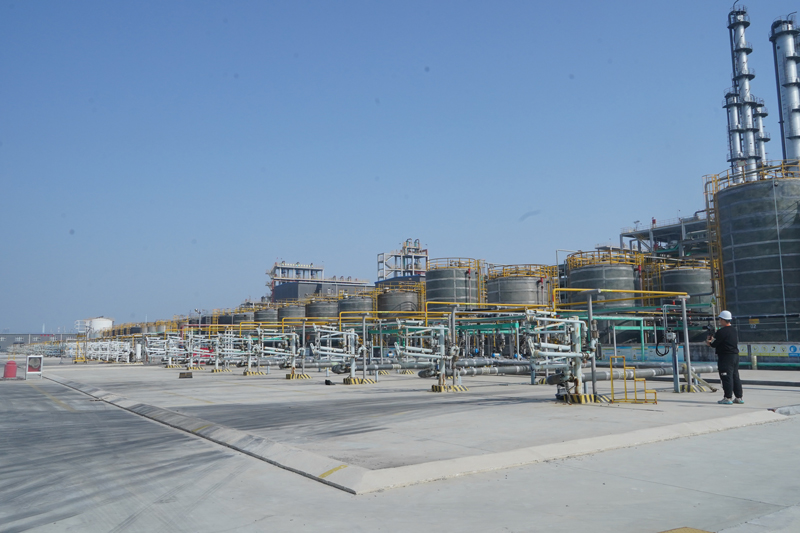
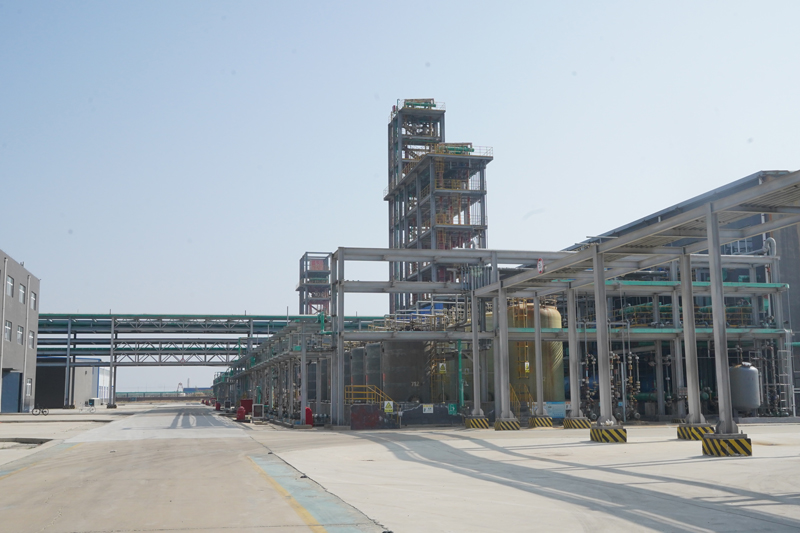
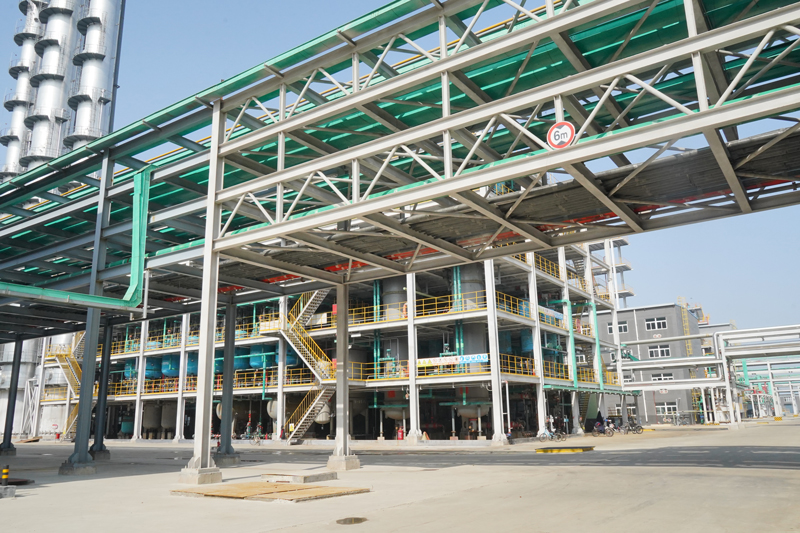
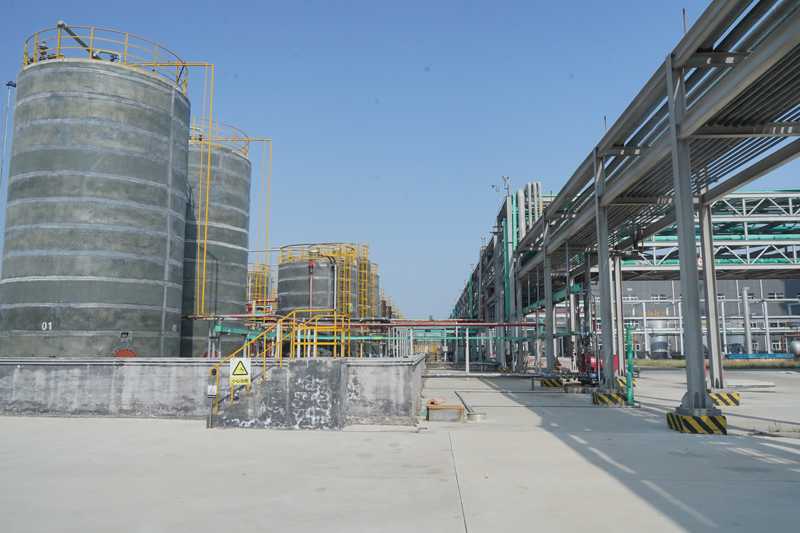
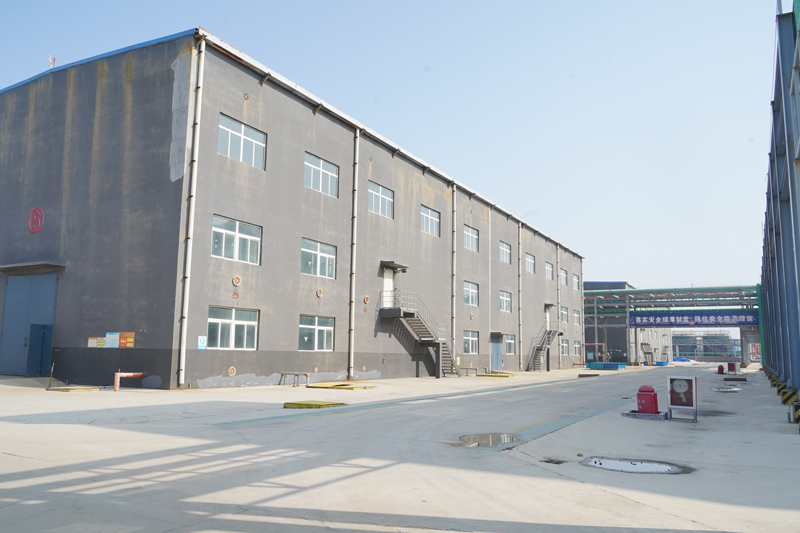
Our 500+ acre manufacturing facility operates fully automated DCS reaction kettles and digital quality verification systems. Every metric ton of liquid chemical hardener undergoes real-time viscosity, solids content, and pH control.
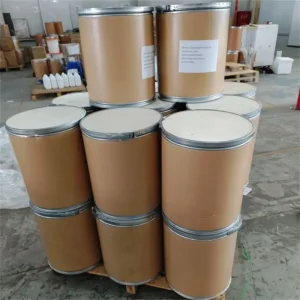
Direct proximity to Qingdao and Tianjin deep-water ports allows for seamless export packaging: 200L drums, 1000L IBC totes, or 24,000L Flexitanks with standardized customs clearance and REACH documentation.
Mapping international demand for chemical hardeners across diverse regional construction standards.
Focus on ASTM C494 Type S compliance, extreme freeze-thaw durability, and low-VOC environmental ratings for municipal sidewalk replacement projects.
High demand for heat-stable, anti-sulfate chemical hardeners resisting extreme ambient temperatures (up to 50°C) and saline groundwater erosion in coastal paving.
Strict adherence to EU REACH standards, eco-labeling, and zero microplastic emissions. Focus on high-end architectural paving blocks and pedestrian plazas.
Rapid urban modernization driving massive volume requirements for cost-effective liquid densifier concentrates and early-strength precast accelerators.
Every batch engineered to satisfy rigorous international concrete chemical additive protocols.
Certified under ISO 9001 (Quality Management) and ISO 14001 (Environmental Management). Comprehensive batch retain samples held for 24 months for complete batch traceability.
Regular independent testing performed by SGS, TÜV, and Intertek verifying non-toxicity, solid active content, alkaline stability, and non-flammability per GHS guidelines.
Full provisioning of localized Technical Data Sheets (TDS), Safety Data Sheets (SDS in 15 languages), mix design guidance, and dosage optimization testing.
Designated Chemical Service Provider — Quality Leads the Future
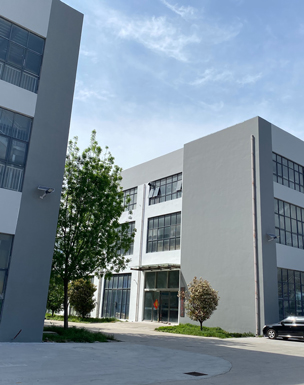
JIMPOCHEM CO., LTD was established in 2010 and is headquartered in the Chemical Industry Park of Jinan City, Shandong Province. The company covers an area of over 500 acres and is a professional chemical raw material manufacturer that integrates research and development, production, sales, and technical services.
Our core focus spans high-end fine chemicals, concrete additives, organic intermediates, and cosmetic raw materials. With ISO quality and environmental management certifications, JIMPOCHEM provides high-quality products and one-stop procurement solutions to over 5,000 corporate clients across 200+ countries and regions in Europe, America, Southeast Asia, the Middle East, and Oceania.
Technical clarity on concrete paver block hardener selection, chemical dosages, and application methods.
Explore our extended catalog of organic chemicals, pharmaceutical precursors, and daily chemical ingredients.
 JIMPOCHEM