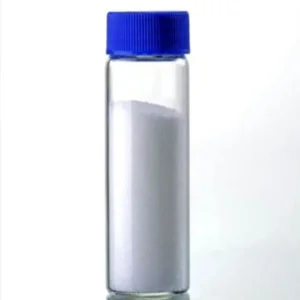
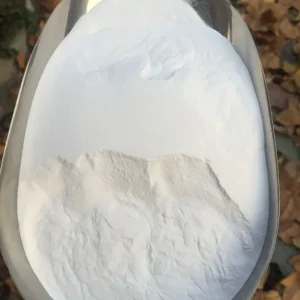
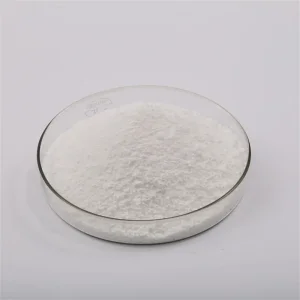
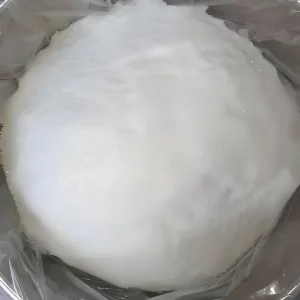
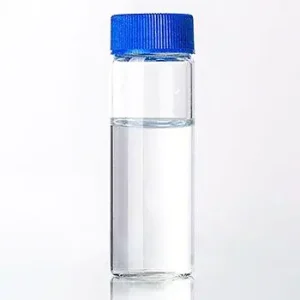
High-purity chemical precursors and active cosmetic ingredients engineered for pharmaceutical & commercial excellence.
In modern dermatological formulations, therapeutic cosmetics, and fine organic synthesis, Hydroquinone (CAS 123-31-9 / Methylhydroquinone CAS 95-71-6) and Azelaic Acid (CAS 123-99-9) represent two benchmark bioactive agents. Engineered for optimal efficacy, these compounds serve critical roles in hyperpigmentation correction, anti-acne therapies, polymer inhibition, and complex active pharmaceutical ingredient (API) manufacturing.
A naturally occurring saturated dicarboxylic acid ($C_9H_{16}O_4$). It acts as a competitive inhibitor of tyrosinase, suppressing hyperactive melanocytes while exhibiting anti-keratinizing and anti-inflammatory properties without disturbing healthy pigmentation.
A powerful phenolic compound ($C_6H_6O_2$) and its methylated derivative (Methylhydroquinone, CAS 95-71-6). Recognized worldwide as a benchmark skin-depigmenting agent and an essential radical inhibitor in acrylic chemical synthesis.
Optimized when paired with stable Vitamin C derivatives like Ascorbyl Glucoside (AA2G, CAS 129499-78-1), lipid-soluble Ascorbyl Tetraisopalmitate (CAS 183476-82-6), and Kojic Acid Dipalmitate (CAS 79725-98-7) for multidimensional skin tone correction.
| Chemical Parameter | Azelaic Acid (Micronized Grade) | Hydroquinone / Methylhydroquinone | Ascorbyl Tetraisopalmitate |
|---|---|---|---|
| CAS Registry No. | 123-99-9 | 123-31-9 / 95-71-6 | 183476-82-6 |
| Assay Purity (HPLC) | ≥ 99.5% | ≥ 99.0% | ≥ 98.0% |
| Melting Point Range | 106.5 °C – 110.0 °C | 172.0 °C – 175.0 °C | Liquid (< -20 °C) |
| Particle Size (D90) | ≤ 10 μm (Micronized) | Standard Powder / Crystalline | N/A (Lipid Liquid) |
| Heavy Metals (as Pb) | ≤ 10 ppm | ≤ 10 ppm | ≤ 5 ppm |
| Primary Regulatory Standard | USP43 / EP10.0 / Cosmetic Grade | USP / Industrial Synthesis Grade | Cosmetic ISO 16128 Standard |
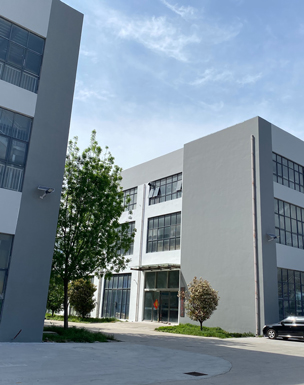
As global cosmetic and pharmaceutical sectors demand tighter quality tolerances, secure feedstock access, and competitive pricing, China has established itself as the world's most resilient manufacturing hub for dicarboxylic acids and phenolic compounds. JIMPOCHEM CO., LTD, located in the national-level Chemical Industry Park of Jinan City, Shandong Province, leads this manufacturing evolution.
Our facility leverages direct access to oleic acid and castor oil derivative cracking lines for Azelaic Acid synthesis, ensuring uncompromised purity and immunity to international raw material fluctuations. For Hydroquinone and Methylhydroquinone, direct integration with p-xylene oxidation networks guarantees steady feedstock availability.
Moving away from traditional nitric acid oxidation, JIMPOCHEM employs advanced catalytic ozonolysis for Azelaic Acid production. This eco-friendly synthesis eliminates toxic nitrogen oxide ($NO_x$) emissions while producing pristine, low-odor crystalline powders with minimal byproduct contamination.
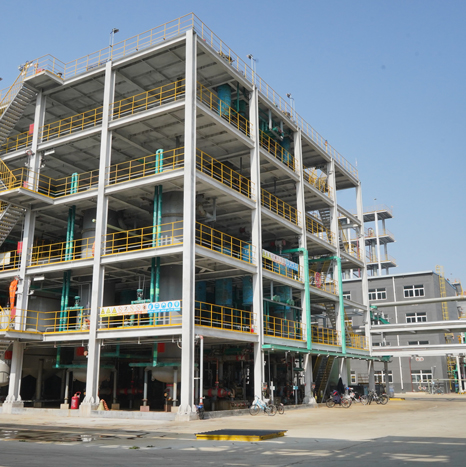
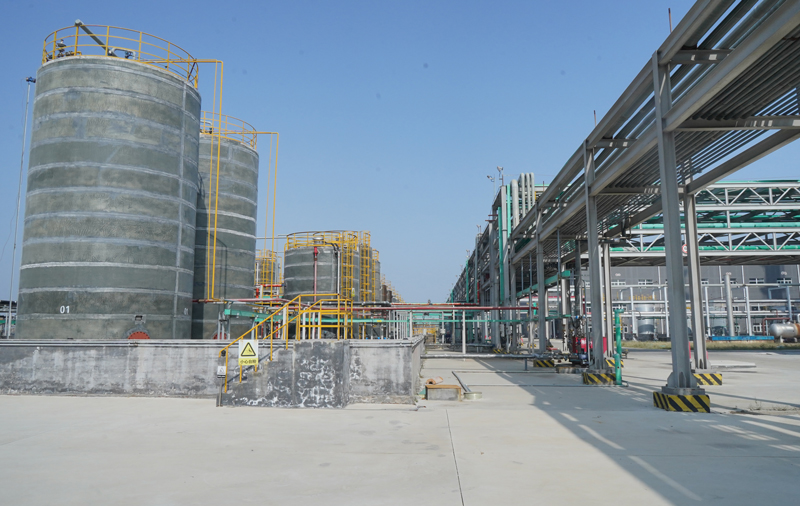
Spanning over 500 acres, our modern manufacturing site operates fully automated Distributed Control Systems (DCS). Continuous monitoring of reaction kinetics, crystallization temperatures, and drying parameters ensures batch-to-batch consistency across metric-ton output volumes.
Through strategic reserves and digitalized warehousing in Shandong, JIMPOCHEM provides international enterprise clients with guaranteed lead times. Our integrated supply network supports seamless dispatch to global ports (Qingdao, Tianjin, Shanghai), guaranteeing uninterrupted supply chains even during global market shifts.
Navigating the regulatory matrix for dermal active ingredients requires technical expertise and thorough documentation. Regulatory bodies across North America, the European Union, Asia-Pacific, and LATAM maintain strict guidelines regarding the concentration, purity, and labeling of active compounds.
In the EU, Azelaic Acid is widely accepted in cosmetic products up to statutory limits, while prescription formulations (typically 15% gel or 20% cream) fall under EMA pharmaceutical directives. Hydroquinone is strictly limited to professional hair dye systems (up to 0.5%) under Regulation (EC) No 1223/2009, making correct derivative selection—such as Methylhydroquinone (CAS 95-71-6) or Ascorbyl Glucoside—vital for topical skin-lightening products.
In North America, 2% Hydroquinone OTC drug products require rigorous drug master filing (DMF) oversight, whereas prescription strength (4%) operates under NDA/ANDA pathways. Azelaic Acid (15%-20%) holds FDA approval for acne vulgaris and rosacea treatment. JIMPOCHEM supplies full documentation, including cGMP validation data, to streamline client FDA registration.
China's NMPA (National Medical Products Association) lists Azelaic Acid on the Inventory of Existing Cosmetic Ingredients in China (IECIC). We offer specialized documentation packages, including Heavy Metal Analysis, Residual Solvent Scans (GC-MS), and Microorganism Counts, ensuring compliant import clearance across APAC markets.
To accelerate customer product launches, every shipment from JIMPOCHEM is accompanied by comprehensive quality dossiers:
Formulating with dicarboxylic acids and phenolic compounds presents unique physical and chemical challenges, including recrystallization control, pH stabilization, and color stability. Our technical team works alongside clients to deliver customized application solutions.
Azelaic Acid requires precise particle size distribution to prevent a gritty texture in water-based gels. Our micronized grade ($\le 10\mu\text{m}$) enables stable suspension in polyacrylamide hydrogels, providing high bio-availability, smooth application, and minimal epidermal stinging.
Combining skin brighteners requires careful redox management. Pairing Azelaic Acid with Ascorbyl Glucoside (AA2G) or Squalane (CAS 111-01-3) creates synergistic depigmentation, stabilizing active ingredients while restoring the stratum corneum lipid barrier.
In monomer storage and synthetic resin processing, Methylhydroquinone (CAS 95-71-6) serves as a reliable radical scavenger. It inhibits premature polymerization of acrylic esters, vinyl monomers, and unsaturated polyesters during storage and high-temperature transport.
| Target Active System | Recommended Target pH | Solubility & Carrier Strategy | Recommended Stabilizers |
|---|---|---|---|
| Azelaic Acid (10% - 20%) | 4.0 – 4.8 | Suspension in Glycol-water matrix or solubilized in Ethoxydiglycol | Sodium Phytate (CAS 14306-25-3), Xanthan Gum |
| Hydroquinone / Derivatives | 3.5 – 4.5 | Water / Ethanol vehicle with antioxidant protecting system | Sodium Metabisulfite, Ascorbic Acid derivatives |
| Lipid Active Combinations | 5.5 – 6.5 | Oil phase integration using Squalane (CAS 111-01-3) & IPM | Tocopherol, Ascorbyl Tetraisopalmitate |
The global market for targeted dermatological active ingredients is entering a period of steady growth. Fueled by rising consumer demand for clinical-grade skincare products and stricter regulatory oversight, chemical purchasing is shifting toward high-purity, fully traceable suppliers.
To overcome solubility limitations and reduce skin irritation, cosmetic brands are turning to liposomal and microencapsulated Azelaic Acid. This controlled-release technology enhances delivery into hair follicles while expanding its use in daily leave-on treatments.
Formulators are moving away from single-benefit ingredients. Modern skincare brands favor complex formulations where Azelaic Acid provides both anti-acne and anti-hyperpigmentation benefits, supported by secondary actives like N-Acetyl-D-Glucosamine (CAS 7512-17-6).
Global B2B procurement teams now evaluate chemical suppliers on environmental sustainability. Suppliers utilizing renewable bio-based feedstocks, zero-landfill wastewater treatment systems, and low-carbon catalytic routes hold a distinct market advantage.
Established in 2010 and headquartered in the Chemical Industry Park of Jinan City, Shandong Province, JIMPOCHEM CO., LTD covers an operational footprint exceeding 500 acres. As a premier chemical raw material manufacturer, we seamlessly integrate R&D, continuous synthesis, global sales, and dedicated technical services.
Operating under ISO 9001 quality management and ISO 14001 environmental management system certifications, our core operations focus on high-end fine chemicals, pharmaceutical intermediates, active pharmaceutical ingredients (APIs), and cosmetic raw materials. Managed by industry veterans with over 16 years of expertise, our products reach clients across 200+ countries, serving more than 5,000 corporate partners worldwide.
Technical, regulatory, and procurement inquiries answered by our senior chemical engineers and compliance specialists.
Explore our full line of fine chemical raw materials, API precursors, and specialized surfactant solutions.
 JIMPOCHEM