China E473 Product & Products

Global Industry Whitepaper: Technical Specifications, Advanced Emulsification Science, Regulatory Compliance & Premium China Supply Chain Integration for Sucrose Esters of Fatty Acids (E473)

Featured Raw Material Products

Explore our high-purity chemical raw materials engineered for cosmetics, food additives, pharmaceuticals, and high-performance industrial formulations.
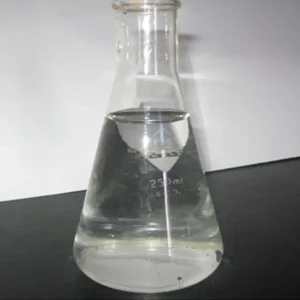
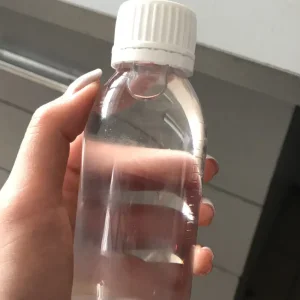
China Squalane CAS 111-01-3
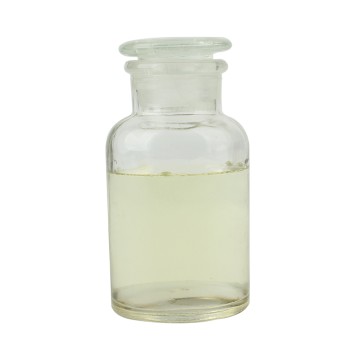
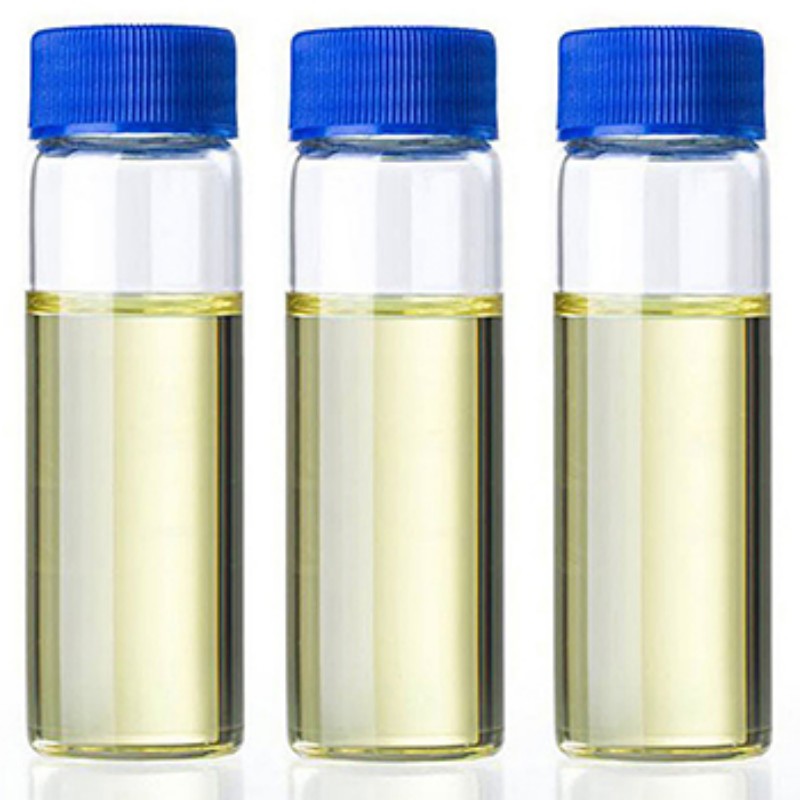
China Squalane CAS 111-01-3 Suppliers - High-Quality Transparent Liquid
View Details & Quote
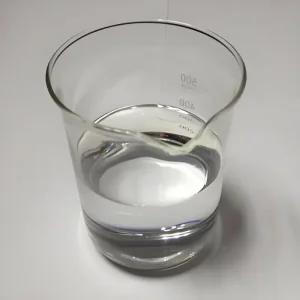
PPG-20 Methyl Glucose Ether
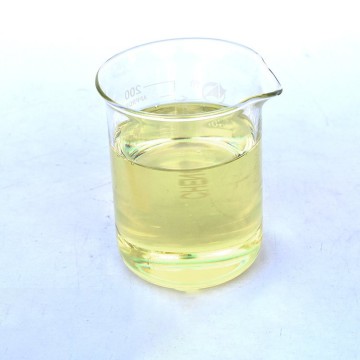
China PPG-20 Methyl Glucose Ether CAS 61849-72-7 - Clear Liquid
View Details & Quote
Ascorbyl Glucoside AA2G
Buy Ascorbyl Glucoside (AA2G) CAS 129499-78-1 - Stable Vitamin C
View Details & Quote
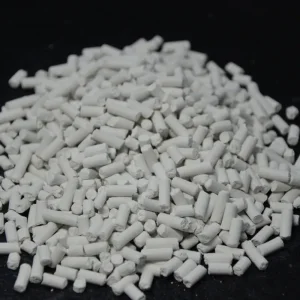
Soda Lime Carbon Dioxide Absorbent
Buy China Soda Lime Carbon Dioxide Absorbent CAS 8006-28-8
View Details & Quote
Ascorbyl Tetraisopalmitate
China Ascorbyl Tetraisopalmitate CAS 183476-82-6 Skincare Material
View Details & Quote
D-Mannose
Buy D-Mannose CAS 3458-28-4 Manufacturer Direct
View Details & Quote
Azelaic Acid
China Azelaic Acid CAS 123-99-9 High-Quality Supplier Raw Material
View Details & Quote
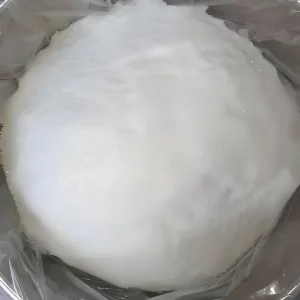
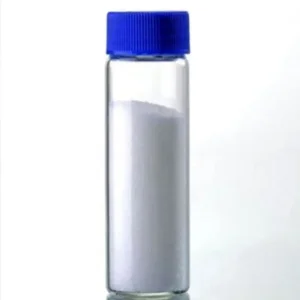
Sodium Pyruvate
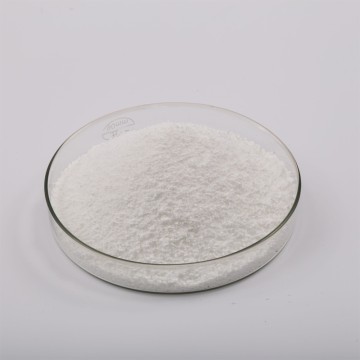
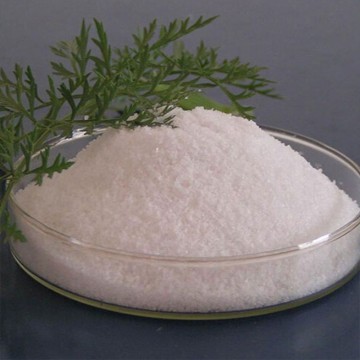
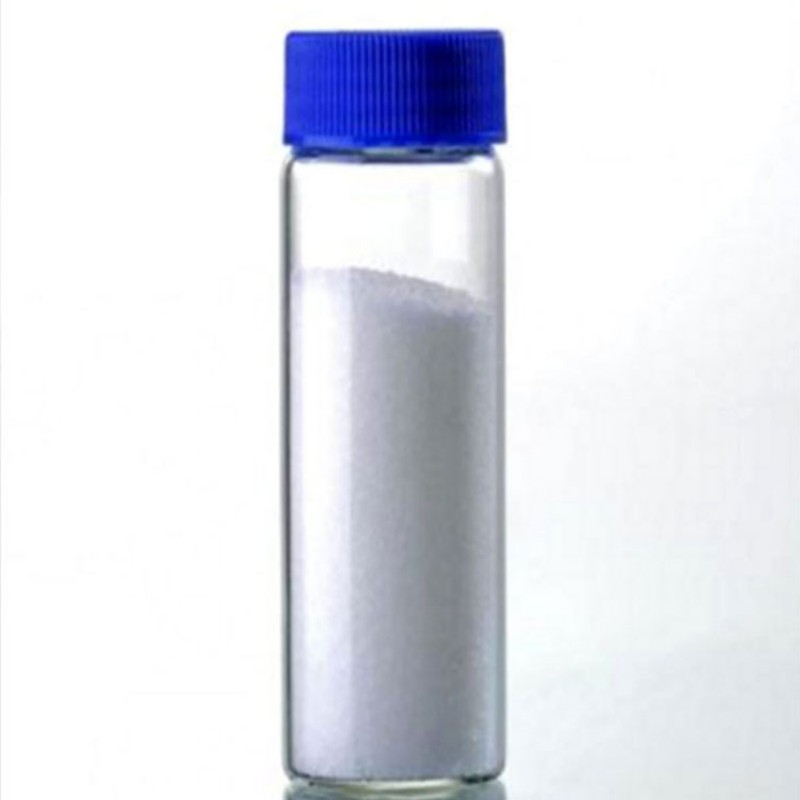
China Sodium Pyruvate CAS 113-24-6 - Quality White Powder
View Details & Quote

🔬 Comprehensive Overview: Sucrose Esters of Fatty Acids (E473)

In modern industrial chemical formulation and food engineering, E473 (Sucrose Esters of Fatty Acids / Sucrose Fatty Acid Esters) represents one of the most versatile, eco-friendly, and non-ionic surfactant classes available. Manufactured via the controlled esterification of natural sucrose (table sugar) with edible fatty acids (such as stearic acid, palmitic acid, oleic acid, or lauric acid), E473 spans a extraordinarily broad Hydrophilic-Lipophilic Balance (HLB) spectrum ranging from 1 to 16.

Key SEO & Technical Benchmark: China has emerged as the premier manufacturing powerhouse for E473 products, leveraging integrated agricultural feedstocks (sucrose and botanical oils), state-of-the-art multi-stage purification technology, and rigid international quality compliance (FDA 21 CFR 172.859, EFSA Regulation EU 231/2012, Kosher, and Halal).

⚙️ Molecular Architecture and Hydrophilic-Lipophilic Balance (HLB) Dynamics

The unique functional performance of E473 lies in its chemical structure. The hydrophilic head consists of eight hydroxyl groups on the sucrose backbone, while the lipophilic tail is comprised of long-chain fatty acids. By altering the degree of esterification—producing mono-esters, di-esters, or tri-esters—manufacturers can precisely tailor the HLB values to suit distinct formulation objectives:

E473 Ester Grade Type Typical Mono-Ester % HLB Value Range Primary Functional Mechanism Key Application Focus
High Mono-Ester (e.g., Sucrose Monostearate / Monolaurate) 70% – 85% HLB 11 – 16 Hydrophilic emulsification, solubilization, foam stabilization Dairy drinks, beverage clarity, skin moisturizers, pharmaceuticals
Medium Mono-Ester 45% – 60% HLB 6 – 10 W/O & O/W dual stabilization, crystal modification Chocolate coatings, starch complexes, fine bakery, sauces
Low Mono-Ester (Di/Tri-Esters) 20% – 40% HLB 1 – 5 Lipophilic emulsification, anti-splattering, viscosity control Margarine, shortening, lipsticks, industrial lubricants

📋 Technical Specifications & Quality Control Standards

Global B2B procurement managers and pharmaceutical formulators demand uncompromising purity. China E473 products supplied by leading manufacturers like JIMPOCHEM adhere strictly to international monographs including FCC (Food Chemicals Codex), JECFA, and European Union Specifications.

Purity & Active Content

Total Ester Content ≥ 90.0%. Low residual free sucrose (< 2.0%) and low free fatty acid (< 3.0%) ensure superior emulsion stability and eliminate color reversion during thermal processing.

Trace Impurity Limits

Heavy Metals (as Pb) ≤ 10 ppm; Arsenic (As) ≤ 3 ppm; Lead ≤ 2 ppm; Cadmium ≤ 1 ppm; Mercury ≤ 1 ppm. Fully compliant with stringent California Prop 65 and EU toxicological baselines.

Physical Parameters

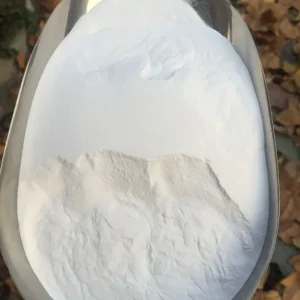
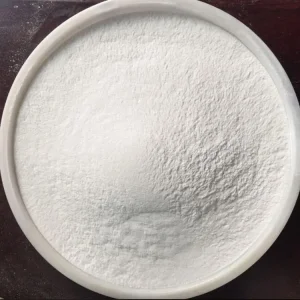
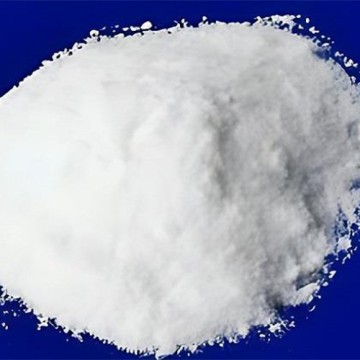
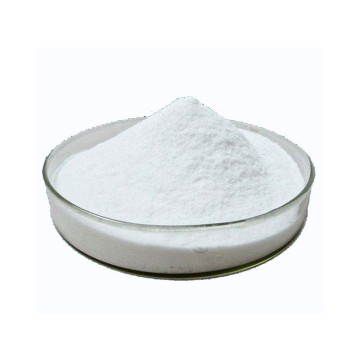
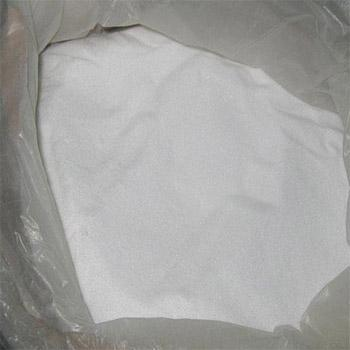
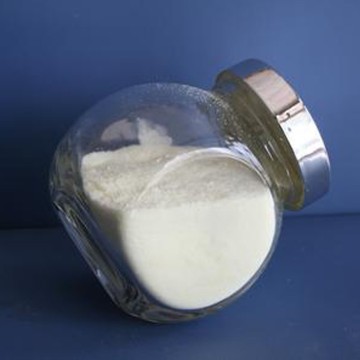
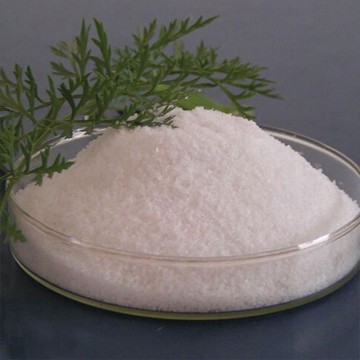
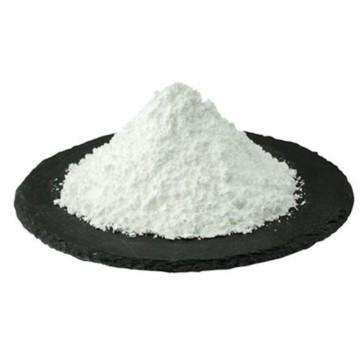
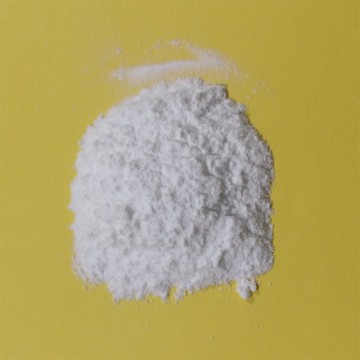
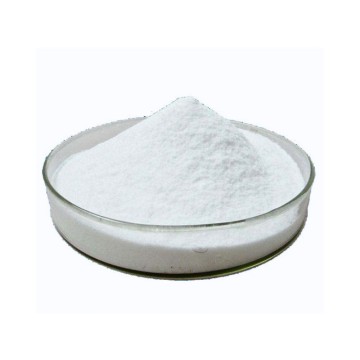
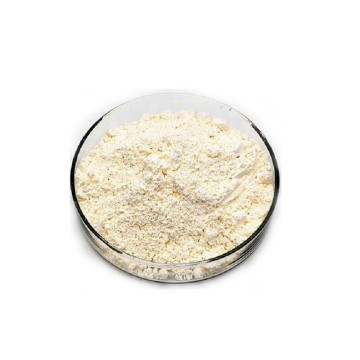
Off-white to light yellow powder or granular form. Melting point ranges from 50°C to 70°C depending on fatty acid carbon chain length (C12 to C18).

🏭 China Factory Supply Chain Advantages & Eco-System Integration

Understanding the strategic purchasing advantages of sourcing China E473 products is vital for multinational procurement executives seeking supply security, cost efficiency, and carbon footprint reduction.

Raw Material Upstream Integration

China's robust agricultural and oleochemical infrastructure provides direct access to non-GMO sugar refiners and RSPO-certified palm oil derivative processors. This vertical integration buffers buyers against global commodity market volatility.

Advanced Enzymatic & Chemical Catalysis

Modern Chinese factories employ advanced green chemical enzymatic esterification techniques. This reduces thermal degradation, eliminates hazardous organic solvent residues (DMF/DMSO free processes), and guarantees ultra-clean taste profiles for food applications.

Scalable Intelligent Production

Facilities equipped with digital automation handle bulk metric-ton orders seamlessly alongside custom micro-granulated or spray-dried custom HLB blends tailored to specific client formulations.

Unrivaled Port Logistics

Strategic manufacturing hubs located near major maritime shipping routes (Qingdao, Shanghai, Tianjin) ensure rapid ocean container turnover, reduced inland freight costs, and predictable lead times worldwide.

🌐 Strategic Partner Profile: JIMPOCHEM CO., LTD

Headquartered in the Chemical Industry Park of Jinan City, Shandong Province, JIMPOCHEM CO., LTD is a premier chemical raw material manufacturer integrating R&D, mass production, global logistics, and multi-sector technical services.

16+
Years Industry Experience
500+
Acres Production Footprint
200+
Countries & Regions Exported
5000+
International Corporate Clients
Designated Chemical Service Provider: Our core technical team comprises seasoned chemists and engineers with over a decade of hands-on fine chemical experience. We offer end-to-end support—from formula optimization and custom HLB tailoring to global regulatory filings and supply chain risk management.

🎯 In-Depth Application Scenarios for E473 Products

Due to its bio-based, non-irritating, non-ionic nature, E473 is used extensively across multiple global sectors:

1. Food & Beverage Engineering

Dairy & Plant Milk Stabilizers: Prevents phase separation, fat globule flocculation, and creaming in milk drinks, soy milk, oat milk, and coconut creams.
Bakery & Starch Complexation: Interacts with amylose to retard starch retrogradation, extending bread softness and shelf life.
Confectionery: Controls fat crystallization in chocolate and cocoa butter substitutes, eliminating bloom.

2. Cosmetics & Personal Care

PEG-Free Green Emulsifiers: Replaces synthetic polyethylene glycol surfactants in natural skin care formulations.
Skin Barrier Biomimicry: Creates lamellar liquid crystal emulsion structures that mimic the natural stratum corneum lipid matrix, providing intense moisture retention.
Mildness Improvement: Reduces skin irritation caused by harsh primary surfactants in facial cleansers.

3. Pharmaceuticals & Drug Delivery

SEDDS / SMEDDS Formulations: Acts as a solubilizing agent for poorly water-soluble Active Pharmaceutical Ingredients (APIs), boosting oral bioavailability.
Controlled Release Matrix: Functions as a binder and enteric release modifier in pharmaceutical tablet compression and micro-encapsulation processes.

📈 Global Market Trends & Procurement Strategy (2024–2030)

Clean-Label & Plant-Based Demand Drivers

Global consumer preferences are shifting rapidly toward clean-label ingredients. Synthetic chemical emulsifiers (such as polysorbates, mono- and diglycerides synthesized from petrochemicals) are increasingly being replaced by bio-derived E473 sucrose esters. Formulators in North America, Western Europe, and Asia-Pacific are reformulating plant-based beverages and eco-friendly cosmetics around E473's non-GMO, readily biodegradable credentials.

Compliance & Total Cost of Ownership (TCO) Optimization

Procuring E473 from verified China factory suppliers allows international enterprise buyers to lower TCO while securing multi-region regulatory safety. Key evaluation factors for global procurement audits include ISO 9001 quality management compliance, ISO 14001 environmental sustainability, full analytical batch traceability, and REACH registration for European distribution.

Frequently Asked Questions (FAQ)

Technical and procurement inquiries addressed by our expert chemical growth and regulatory team:

Q1 What is the exact difference between E473 and E474 emulsifiers?
E473 refers specifically to Sucrose Esters of Fatty Acids, formed by reacting sucrose with fatty acids. E474 refers to Sucroglycerides, which are produced by reacting sucrose with natural triglycerides (fats/oils). E473 offers significantly higher purity, precise HLB controllability, and superior emulsification efficiency compared to E474.
Q2 How do I choose the correct HLB value for my formulation?
For Water-in-Oil (W/O) emulsions (e.g., butter spreads, low-water cosmetics), select low HLB grades (HLB 1 to 5). For Oil-in-Water (O/W) emulsions (e.g., milk beverages, moisturizing lotions, solubilization of active ingredients), choose high HLB grades (HLB 11 to 16). Medium HLB grades (HLB 6 to 10) excel in crystal modification and starch complexation.
Q3 Are JIMPOCHEM's China E473 products non-GMO, Kosher, and Halal certified?
Yes. All E473 products manufactured and exported by JIMPOCHEM utilize non-GMO cane sugar and plant-derived fatty acids. Our facilities hold international Kosher and Halal certifications alongside ISO 9001 and ISO 14001 quality system accreditations.
Q4 How should E473 powder be dissolved or dispersed in aqueous systems?
High HLB E473 powders disperse best when pre-mixed with dry powders (such as sugar or starch) or when dispersed in water heated to 60°C – 80°C under high-shear agitation. Low HLB grades should be melted directly into the oil phase at temperatures above their melting point (~65°C).
Q5 What is the typical shelf life and storage protocol for bulk E473 packaging?
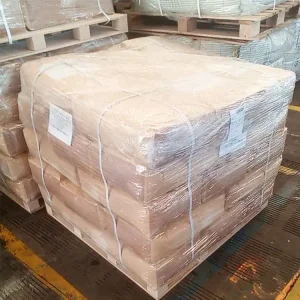
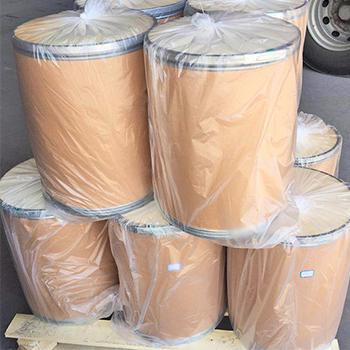
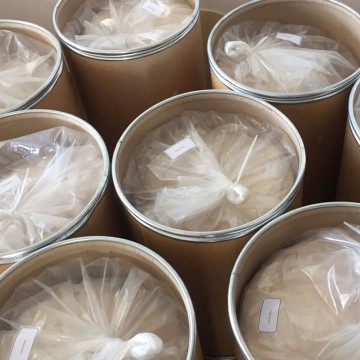
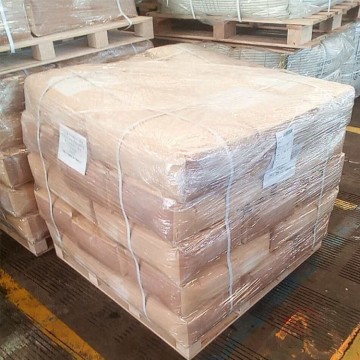
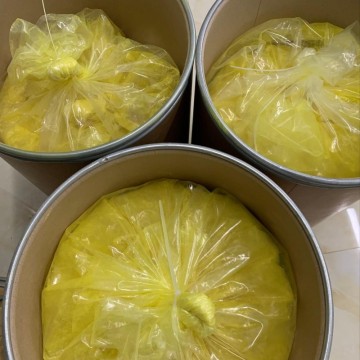
When stored in original unopened packaging (25 kg fiber drums or moisture-barrier PE-lined paper bags) in a cool, dry, well-ventilated warehouse below 25°C, E473 maintains a shelf life of 24 months. Protect from direct heat, sunlight, and high humidity to prevent caking.

🏭 Enterprise Infrastructure & Multi-Sector Solution Capabilities

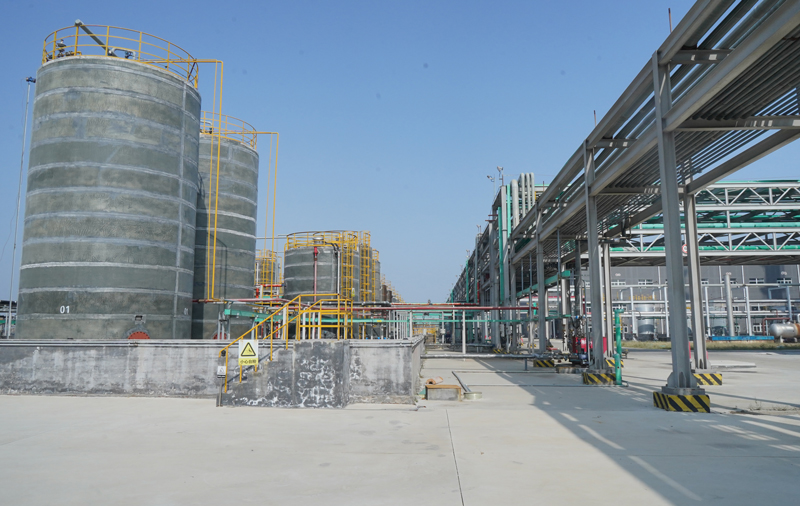
JIMPOCHEM operates an expansive 500+ acre industrial base with modern equipment, laboratory R&D facilities, and standardized bulk packaging systems.

Factory Tour & Operational Excellence

Corporate Exterior

Corporate Exterior

16 Years Experience Base

16+ Years Expertise Base

Customized Chemical Solutions

Customized Chemical Solutions

Industry Application Portfolios

Daily Chemical Industry: Cosmetics, makeup, perfume, facial cleansers, hand sanitizers, body wash, toothpaste, detergents.
Pharmaceutical Industry: Active pharmaceutical ingredients (API), excipients, intermediates, solvents, catalysts, medical anesthesia.
Rubber & Plastics Industry: Packaging, automotive components, tire manufacturing, industrial seals.
Ink & Coating Industry: Architectural/decorative coatings, industrial coatings, printing inks, specialty industrial inks.
Food & Feed Additives: Food additives, green preservatives, bio-colorants, nutritional functional additives.
Electronics & New Energy: Semiconductors, PCBs, display materials, high-purity battery electrolytes.

📦 Global Chemical Raw Material Portfolio

Select from our benchmark chemical raw materials supplied globally with full traceability and third-party laboratory verification.
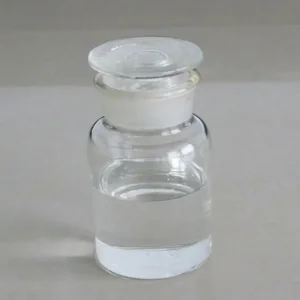
Glycolic Acid
Buy Glycolic Acid CAS 79-14-1 - High-Quality 70% & 99% Free Samples
View Details & Quote
Solketal
Buy Solketal CAS 100-79-8 Manufacturer & High-Purity Supplier
View Details & Quote
Hydroxyapatite
Buy Hydroxyapatite CAS 1306-06-5 Suppliers & Factory Products
View Details & Quote
Casein
China Casein CAS 9000-71-9 Premium Factory Suppliers
View Details & Quote
Sodium Pyruvate China Supplier
Buy Sodium Pyruvate CAS 113-24-6 High-Quality White Powder Supplier
View Details & Quote
AA2G China Supplier
China Ascorbyl Glucoside (AA2G) CAS 129499-78-1 Derivative Factory
View Details & Quote
Squalane Free Samples
China Squalane CAS 111-01-3 Liquid Free Samples Available
View Details & Quote
Ascorbyl Tetraisopalmitate Liquid
Buy Ascorbyl Tetraisopalmitate CAS 183476-82-6 Premium Liquid
View Details & Quote

📂 Extended Chemical Products Catalog

Browse our complete spectrum of fine chemicals, pharmaceutical intermediates, and custom synthesis products.
SUCROSE MONOLAURATE
SUCROSE MONOLAURATE CAS 25339-99-5
View Product
Calcium acetylacetonate
Calcium acetylacetonate CAS 19372-44-2
View Product
OCTYLPHENYLPOLYETHYLENE GLYCOL
OCTYLPHENYLPOLYETHYLENE GLYCOL CAS 9002-93-1
View Product
Propyl disulfide
Propyl disulfide CAS 629-19-6
View Product
Dibenzoylmethane
Dibenzoylmethane CAS 120-46-7
View Product
2,4,6-Tri-(6-aminocaproic acid)
2,4,6-Tri-(6-aminocaproic acid)-1,3,5-triazine CAS 80584-91-4
View Product
Methylhydroquinone
Methylhydroquinone CAS 95-71-6
View Product
Diethylamino Hydroxybenzoyl Hexyl Benzoate DHHB
Diethylamino Hydroxybenzoyl Hexyl Benzoate / DHHB CAS 302776-68-7
View Product
N-3-Aminopropyl morpholine
N-(3-Aminopropyl)morpholine CAS 123-00-2
View Product
PCMX
4-Chloro-3,5-dimethylphenol / PCMX CAS 88-04-0
View Product
4-Isopropyl-3-methylphenol
4-Isopropyl-3-methylphenol CAS 3228-02-2 / 39660-61-2
View Product
Sodium phytate
Sodium phytate CAS 14306-25-3
View Product
Tetradecane
Tetradecane CAS 629-59-4
View Product
LITFSI
Lithium Bis(trifluoromethanesulphonyl)imide / LITFSI CAS 90076-65-6
View Product
Lactitol Monohydrate
Lactitol Monohydrate CAS 81025-04-9
View Product
Sodium lactate
Sodium lactate CAS 72-17-3
View Product
Casein CAS 9000-71-9
View Product
Dioctyl Sulfosuccinate Sodium Salt
Dioctyl Sulfosuccinate Sodium Salt CAS 577-11-7
View Product
Tris Base
Tris Base CAS 77-86-1
View Product
Glutathione
Glutathione CAS 70-18-8
View Product
Zinc Pyrithione
Zinc Pyrithione CAS 13463-41-7
View Product
Diallyl Trisulfide
Diallyl Trisulfide CAS 2050-87-5
View Product
Polylysine
ε-Polylysine CAS 28211-04-3
View Product
Lauryl Hydroxysultaine
Lauryl Hydroxysultaine CAS 13197-76-7
View Product
N,N-Bis(1-methylpropyl)-1,4-phenylenediamine
N,N'-Bis(1-methylpropyl)-1,4-phenylenediamine CAS 101-96-2
View Product
D-Mannose
D-Mannose CAS 3458-28-4
View Product
Sodium caprylate
Sodium caprylate CAS 1984-06-1
View Product
O-Phthalaldehyde
O-Phthalaldehyde CAS 643-79-8
View Product
Bemotrizinol
Bemotrizinol CAS 187393-00-6
View Product