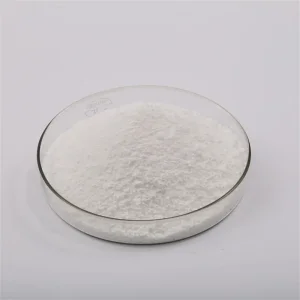
Integrating cutting-edge organic synthesis with strict industrial standards. Explore our high-purity chemical components formulated for construction admixtures, coatings, performance additives, and specialized industrial applications.
The global modern construction sector is undergoing a profound paradigm shift driven by rapid urbanization, massive infrastructure development, and stringent carbon-neutrality mandates. Construction chemicals—spanning polycarboxylate ether superplasticizers, redispersible polymer powders, cellulose ethers, silane hydrophobic agents, and specialty setting accelerators—represent the indispensable foundation of high-performance cementitious matrices. As global demand for high-durability, self-healing, and low-carbon concrete escalates, China has emerged as the global powerhouse for chemical innovation, raw material synthesis, and supply chain resiliency.
In recent years, the market valuation of chemical additives for concrete, mortar, waterproofing, and structural bonding has surpassed USD 35 Billion globally, with a projected compound annual growth rate (CAGR) exceeding 6.2%. The structural change in building codes—emphasizing 100+ year service life for civil structures, oceanic bridges, deep subterranean transit systems, and high-rise commercial complexes—demands chemically consistent raw materials synthesized under rigid quality frameworks.
China's comprehensive chemical value chain allows raw material manufacturers to source essential precursors—including ethylene oxide (EO), acrylic acid, vinyl acetate monomers (VAM), cellulose derivatives, and fluorinated crosslinkers—at unrivaled economies of scale. By controlling the purity of fundamental building blocks, manufacturers can guarantee chemical stability, minimizing batch-to-batch variance in downstream dry-mix mortars and liquid concrete admixtures.
Modern construction chemistry moves beyond simple workability adjustments. Advanced raw materials alter the hydration kinetics of tricalcium silicate ($C_3S$) and dicalcium silicate ($C_2S$), refining the calcium-silicate-hydrate (C-S-H) gel pore structure. This micro-refinement blocks ingress of harmful chloride ions, prevents alkali-silica reactions (ASR), and delivers exceptional freeze-thaw durability under aggressive environmental conditions.
To engineer high-performance building materials, formulators rely on specific active chemicals that modify rheology, setting behavior, adhesion strength, and environmental resistance. Below is an authoritative analysis of core construction chemical raw material groups manufactured and supplied out of China.
| Additive Class | Primary Chemical Composition | Mechanism of Action | Key Application Scenarios |
|---|---|---|---|
| Superplasticizers / Water Reducers | Polycarboxylate Ether (PCE) Macromonomers, Sulfonated Melamine Formaldehyde | Steric hindrance and electrostatic repulsion disperse cement agglomerates, cutting water demand by >30%. | High-Strength Concrete (HSC), Self-Consolidating Concrete (SCC), Ready-Mix Plants. |
| Redispersible Polymer Powders (RDP) | Vinyl Acetate-Ethylene (VAE) Copolymer, Vinyl Ester of Versatic Acid (VeoVa) | Forms a flexible polymer network inside mortar pores, dramatically raising flexural and adhesive strength. | Tile Adhesives (C2TE/S1 standards), ETICS/EIFS Render, Self-Leveling Underlayments. |
| Rheology & Water Retention Modifiers | Hydroxypropyl Methyl Cellulose (HPMC), Hydroxyethyl Cellulose (HEMC) | Increases water viscosity, prevents premature desiccation, ensures full cement hydration on porous substrates. | Wall Putty, Skim Coats, Plaster, Tile Grouts, Machine-Applied Sprayed Mortars. |
| Set Retarders & Accelerators | Gluconates, Tartaric Acid, Calcium Formate, Lithium Carbonate | Regulates initial/final set times by suppressing or accelerating C-S-H crystallization kinetics. | Shotcrete tunneling, tropical climate concrete, fast-setting repair mortars, cold-weather concreting. |
| Hydrophobic & Waterproofing Agents | Silanes, Siloxanes, Calcium Stearate, Fluorinated Specialty Compounds | Lowers surface energy, creating capillary repulsion against liquid water while maintaining vapor permeability. | Façade Sealers, Waterproof Mortars, Coastal Substructure Protection, Aqueducts. |
Polycarboxylate ether superplasticizers rely on synthesized polyether side chains (HPEG, TPEG, EPEG). Customizing side-chain density allows precise control over slump retention versus early-strength development.
Polyether and silicone-based defoamers eliminate entrained macro-bubbles to optimize compressive strength, while controlled micro-air-entrainers impart essential freeze-thaw protection in sub-zero climates.
Advanced organic synthesis components (such as LitFSI derivatives, fluorine compounds, and organic intermediates) provide chemical inertness, UV resistance, and phase stability in high-end polymer sealants and resin mortars.
The global cement industry accounts for approximately 8% of anthropogenic carbon emissions. Consequently, the macro trend in civil engineering focuses on reducing clinker factor by substituting industrial by-products like blast furnace slag (GGBS), fly ash, and calcined clays (LC3 systems). However, low-clinker formulations suffer from slow strength development, severe bleeding, and poor workability.
To unlock the potential of green cements, advanced raw material suppliers have engineered specialized chemical activators, alkanolamine strength enhancers (TEA, TIPA), and tailored PCE polymers that selectively adsorb onto calcined clay particles. These admixtures overcome the high water demand of metakaolin and accelerate early hydration, achieving carbon reductions of up to 40% without compromising 28-day structural capacity.
Environmental certifications such as LEED v4, BREEAM, and EMICODE EC1Plus mandate near-zero volatile organic compound (VOC) emissions from dry-mix mortars and sealants. Leading Chinese raw material manufacturers are replacing fossil-derived coalescing agents with eco-friendly polyols (e.g., Solketal derivatives) and bio-based starch ethers, enhancing indoor air quality for residential and commercial interiors.
Furthermore, modern research focuses on Self-Healing Concrete Systems incorporating crystalline capillary waterproofing technology. When micro-cracks form under tensile stress, reactive crystalline chemicals react with unhydrated cement particles and moisture to precipitate insoluble calcium silicate hydrates, autonomously sealing cracks up to 0.4mm wide.
Construction chemicals cannot be evaluated in isolation; their performance depends heavily on regional ambient temperature, humidity, aggregate quality, and job site requirements. Below are detailed field application scenarios solved by tailored chemical raw material packages.
Challenge: Ambient temperatures above 40°C cause rapid water evaporation, slump loss within 30 minutes, and thermal cracking in massive raft foundations.
Chemical Solution: High-density polycarboxylate retention polymers blended with sodium gluconate retarding complexes extend workability for 3+ hours while suppressing peak hydration temperature rise.
Challenge: High hydro-static water pressure, chloride penetration from seawater, and extreme setting requirements for sprayed shotcrete.
Chemical Solution: Alkali-free shotcrete accelerators combined with organosilane water-repellents and high-purity micro-silica deliver immediate early gelation and long-term waterproof protection.
Challenge: Demanding requirements for ultra-smooth surface finish, zero shrinkage cracking, rapid trafficability within 24 hours, and high flowability.
Chemical Solution: Ternary binder systems (OPC-CAC-Gypsum) optimized with low-viscosity HPMC, highly active defoamers, and flexible RDP powders to achieve self-healing flow dynamics.
As architectural complexity increases and digital automated construction (such as 3D Concrete Printing) matures, the construction chemical raw material industry is entering a decade of transformative technological innovation.
Machine learning models now predict polymer structure performance before laboratory synthesis. By calculating molecular side-chain angles, ionic charge density, and hydrophobic domain distributions, R&D teams design PCE polymers customized for specific aggregate mineralogies (e.g., high-clay sand). Furthermore, nano-silica ($nano-SiO_2$) and graphene oxide dispersions are being scaled to accelerate C-S-H seeding at atomic levels.
Extrusion-based 3D printing of structural walls demands a delicate balance between pumpability (low viscosity under shear rate) and buildability (instant high yield stress after deposition). Next-generation thixotropic additives—utilizing nano-clays, modified cellulose ethers, and responsive polymer networks—allow continuous 3D printing without formwork.
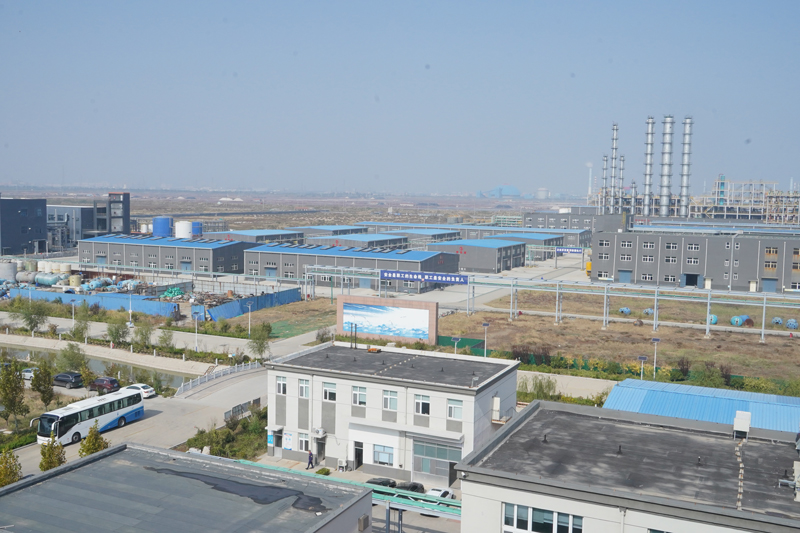
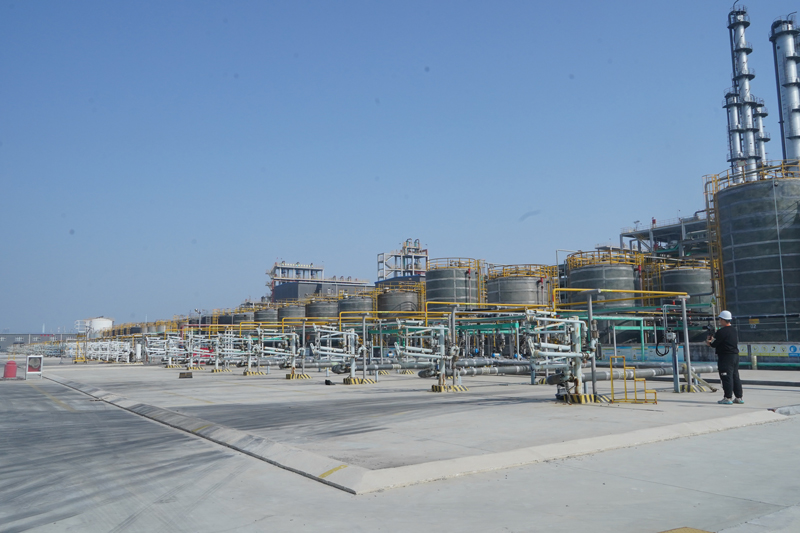
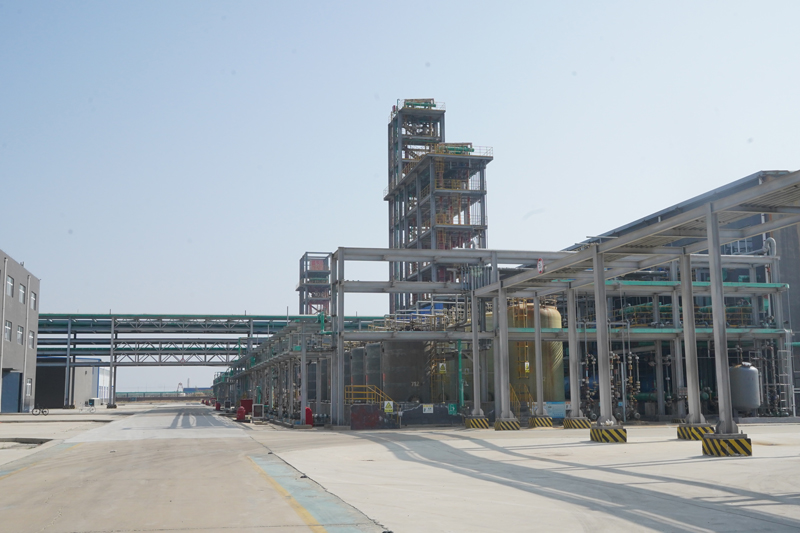
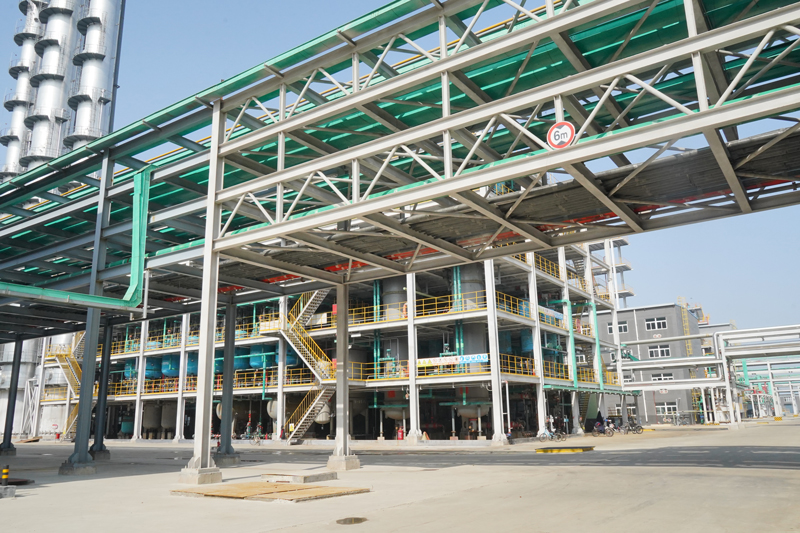
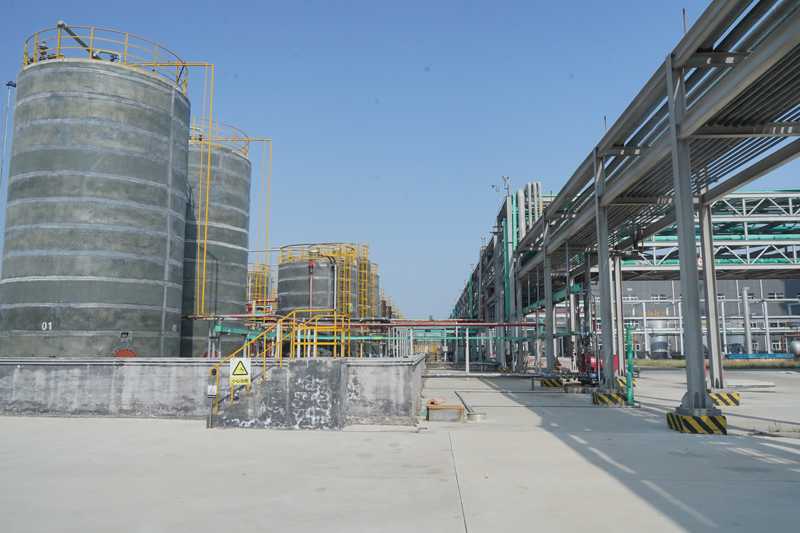
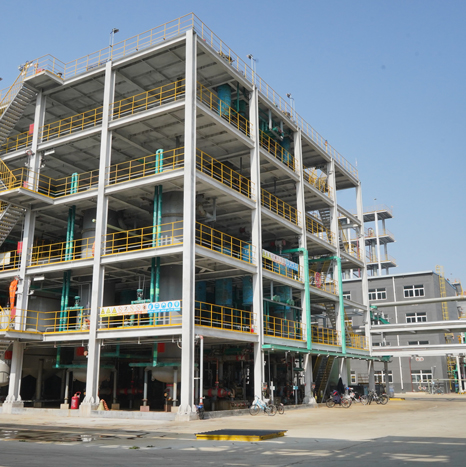
As a designated chemical service provider and globally recognized manufacturer, JIMPOCHEM CO., LTD (established in 2010) serves as a benchmark for high-end fine chemicals, functional additives, and industrial raw material supply. Headquartered in the Chemical Industry Park of Jinan City, Shandong Province, our infrastructure spans over 500 acres, uniting industrial synthesis, R&D labs, and international logistics.
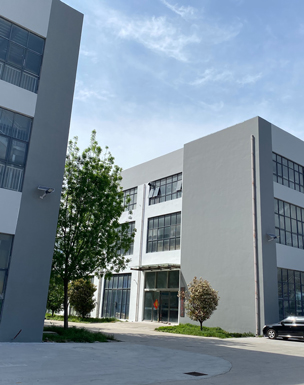
Adhering to the principle that "Quality is the lifeline of an enterprise," JIMPOCHEM operates under certified ISO 9001 Quality Management and ISO 14001 Environmental Management Systems. Every raw material batch is subjected to high-performance liquid chromatography (HPLC), gas chromatography (GC), and hydration calorimetry.
Our digital batch traceability system allows customers across 200+ countries to trace raw material origin, exact reactor control parameters, QC laboratory test certificates, and shipping logs via unique batch numbers.
Expert insights on chemical selection, dosage optimization, quality compliance, and international bulk transport logistics.
Browse our secondary suite of organic compounds, specialty intermediates, and industrial chemical solutions engineered for international manufacturing standards.
 JIMPOCHEM