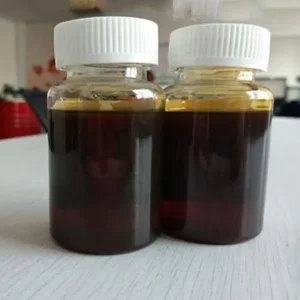
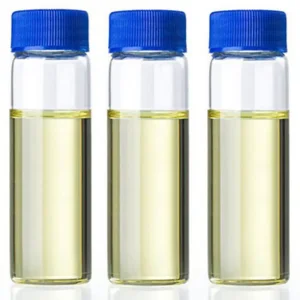
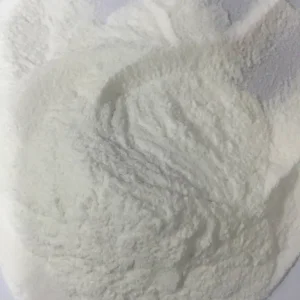
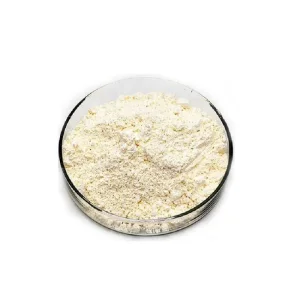
Explore our factory-direct portfolio of high-purity cosmetic actives and specialty raw materials synthesized under rigid quality control standards for global distribution.
In the rapidly evolving landscape of global personal care and pharmaceutical formulation, the convergence of high-efficacy active ingredients has shifted from simple single-molecule marketing to targeted multi-pathway biochemical synergies. Among the most researched and commercially successful raw materials produced by Chinese chemical manufacturing clusters are Alpha-Arbutin, Niacinamide (Vitamin B3), and Azelaic Acid.
This technical whitepaper provides cosmetic chemists, formulation scientists, global procurement executives, and brand owners with an exhaustive evaluation of China's industrial manufacturing capabilities, raw material synthesis technologies, chemical purity standards, formulation stability strategies, and global regulatory compliance frameworks governing these three powerhouse ingredients.
Sourcing active ingredients from certified Chinese chemical manufacturers offers up to 45% cost efficiency while maintaining bio-equivalent or superior purity metrics (>99.5% HPLC). Integration of enzymatic glycosylation for Alpha-Arbutin and eco-friendly catalytic oxidation for Azelaic Acid has established Chinese chemical plants as indispensable nodes in the global cosmetic supply chain.
To formulate next-generation brightening, anti-acne, and skin-barrier restorative products, formulators must understand the biochemical pathways of each active and why their combination yields exponential efficacy.
CAS Number: 84380-01-8 | Molecular Formula: C12H16O7
Alpha-Arbutin is a pure, water-soluble biosynthesized active derived via enzymatic glycosylation of hydroquinone. Unlike its beta-isomer (Beta-Arbutin), Alpha-Arbutin exhibits an α-glucosidic bond that grants significantly higher stability and 9 times greater tyrosinase enzyme inhibition capacity.
CAS Number: 98-92-0 | Molecular Formula: C6H6N2O
Niacinamide is a pivotal co-enzyme precursor (NAD+/NADP+) indispensable for cellular energy metabolism, DNA repair, and epidermal lipid barrier integrity.
CAS Number: 123-99-9 | Molecular Formula: C9H16O4
Azelaic Acid is a naturally occurring saturated dicarboxylic acid engineered industrially through eco-friendly ozonolysis or catalytic oxidation of oleic acid.
Combining Alpha-Arbutin, Niacinamide, and Azelaic Acid into a single cohesive delivery system addresses skin hyperpigmentation, inflammatory post-acne erythema (PAE), and post-inflammatory hyperpigmentation (PIH) through three complementary, non-overlapping physiological stages:
Alpha-Arbutin penetrates to the basal layer of the epidermis, acting directly on tyrosinase to prevent the enzymatic oxidation of L-tyrosine into L-DOPA and subsequent dopaquinone cascade.
Niacinamide interrupts the physical translocation of synthesized melanosomes from melanocyte dendrites to surrounding epidermal keratinocytes, stopping pigment from surfacing.
Azelaic Acid targets hyperactive or abnormal melanocytes selectively (sparing normal pigment cells), reduces local follicular inflammation, and accelerates skin cell turnover to shed existing melanin deposits.
China has established itself as the global powerhouse for active cosmetic ingredient manufacturing. Factories in chemical infrastructure hubs such as Shandong Province utilize integrated supply chains, advanced bio-fermentation facilities, and rigorous environmental compliance systems to deliver unsurpassed cost-performance ratios.
Chinese manufacturers possess complete vertically integrated supply chains. From basic petrochemical and agricultural feedstocks down to refined precursor molecules (e.g., glucosyltransferases for arbutin synthesis, oleic acid sources for azelaic acid), raw material availability is fully insulated from external geopolitical disruptions.
Legacy chemical synthesis methods are rapidly being replaced in China by eco-friendly bio-catalysis and enzymatic transformation. Enzymatic synthesis of Alpha-Arbutin eliminates organic solvent residues, yields 100% stereospecificity (pure alpha form), and reduces energy consumption by over 40% compared to traditional pathways.
Established in 2010 and headquartered in the high-tech Chemical Industry Park of Jinan City, Shandong Province, JIMPOCHEM CO., LTD covers a state-of-the-art facility spanning over 500 acres. As a premier professional chemical manufacturer, JIMPOCHEM integrates advanced research and development, large-scale production, global sales, and one-stop technical services.
Our primary operational focus centers on high-end fine chemicals, pharmaceutical intermediates, and specialized cosmetic raw materials. With 16 years of operational history, JIMPOCHEM holds ISO 9001 Quality Management System, ISO 14001 Environmental Management System, and ISO 45001 Occupational Health and Safety certifications.
Our core leadership and scientific team comprises industry veterans with over 10 years of chemical engineering expertise. We serve more than 5,000 international business partners across 200+ countries and regions throughout Europe, North America, South America, Southeast Asia, the Middle East, and Oceania.
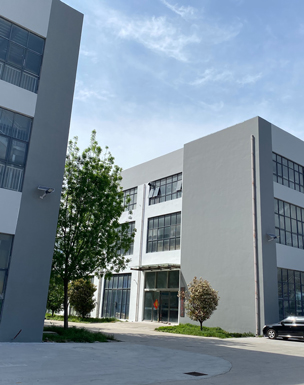

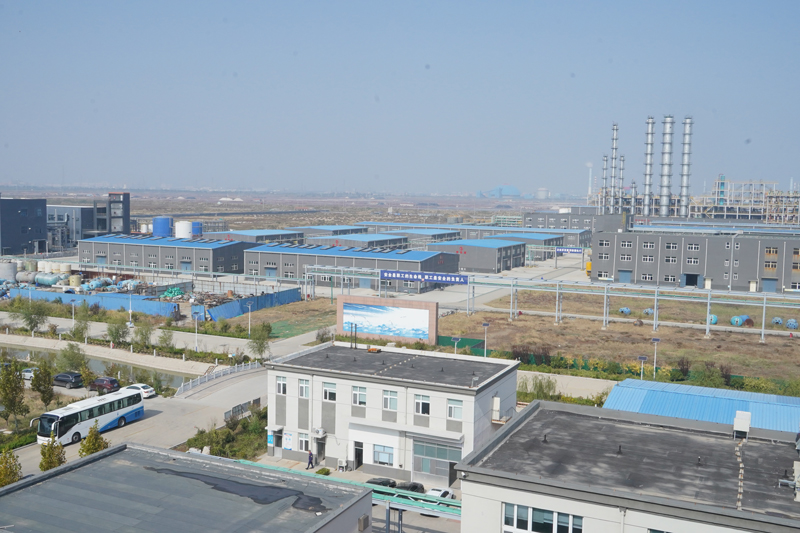
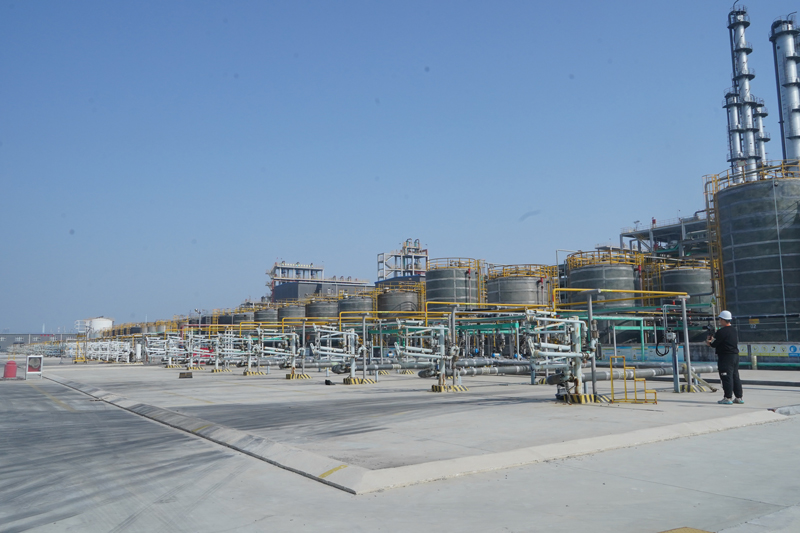
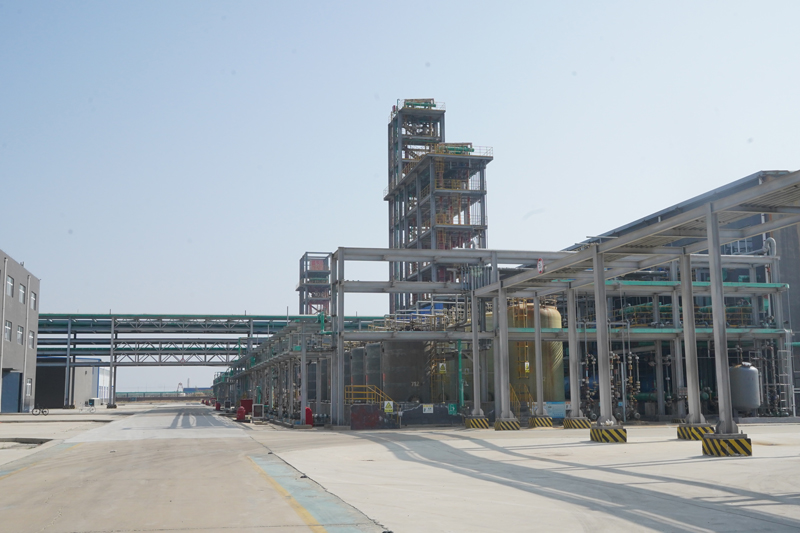
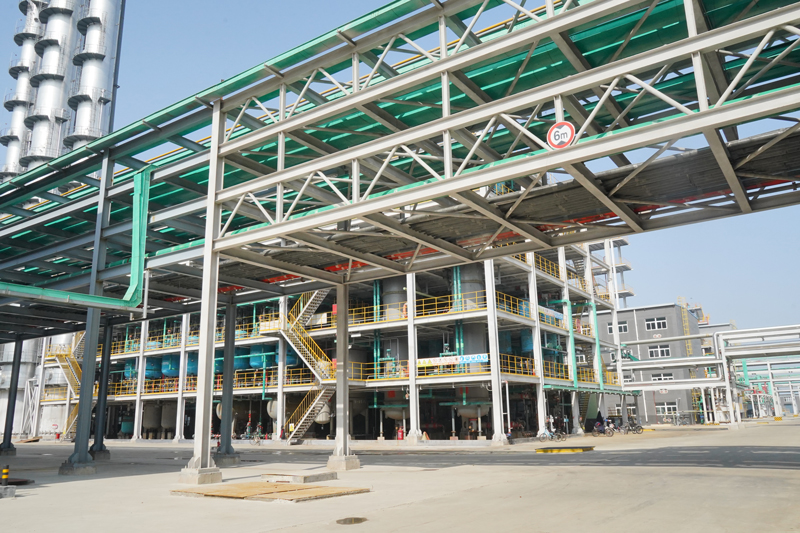
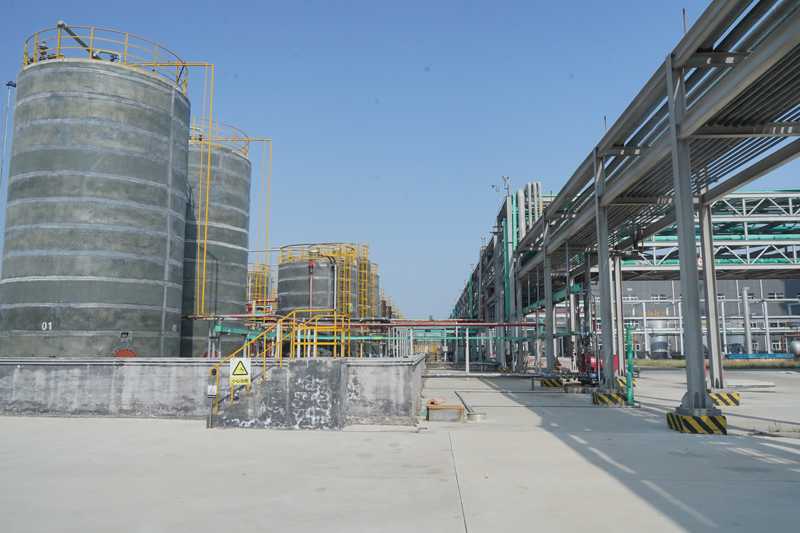
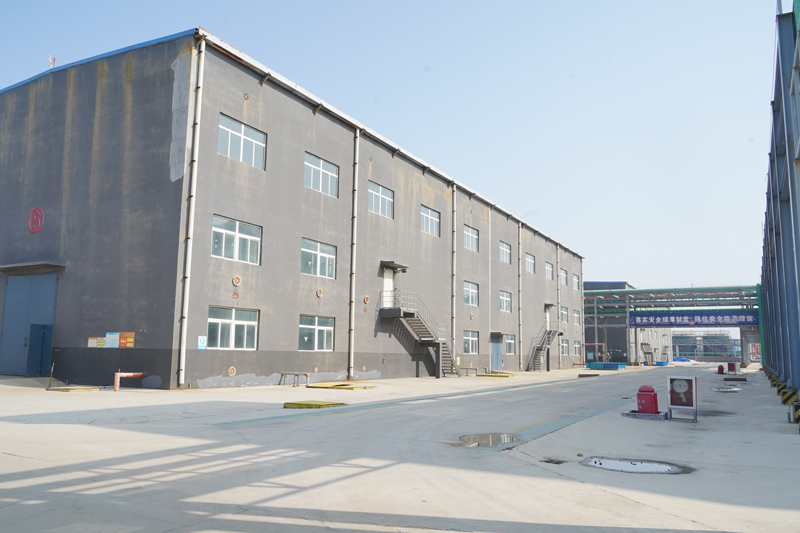
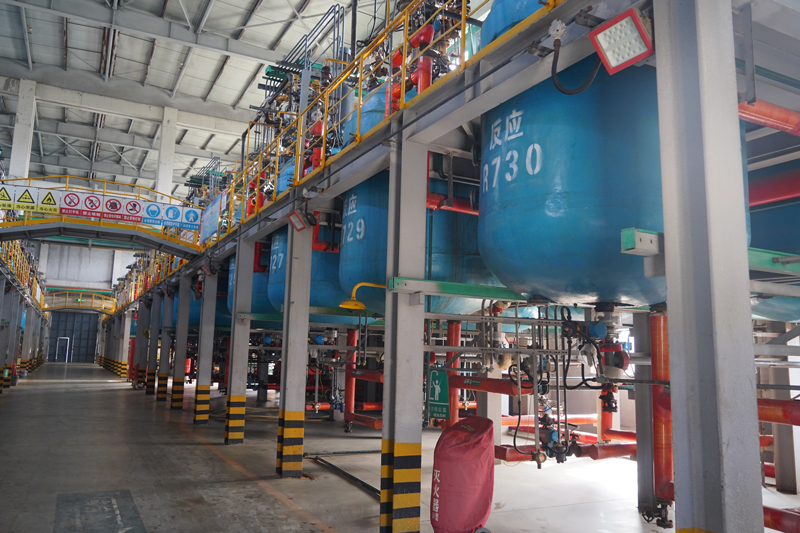
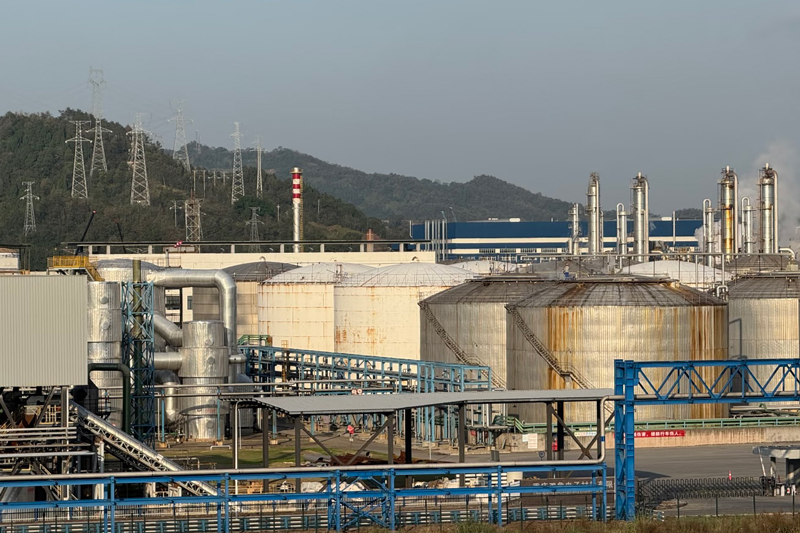
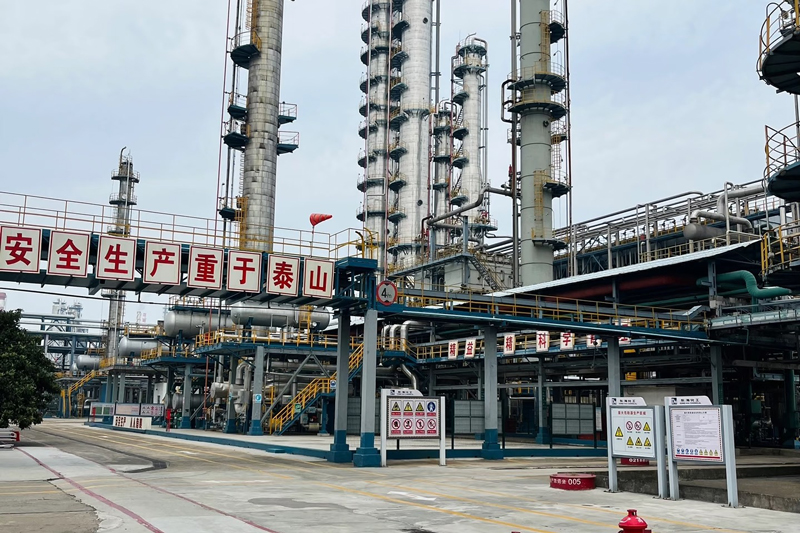
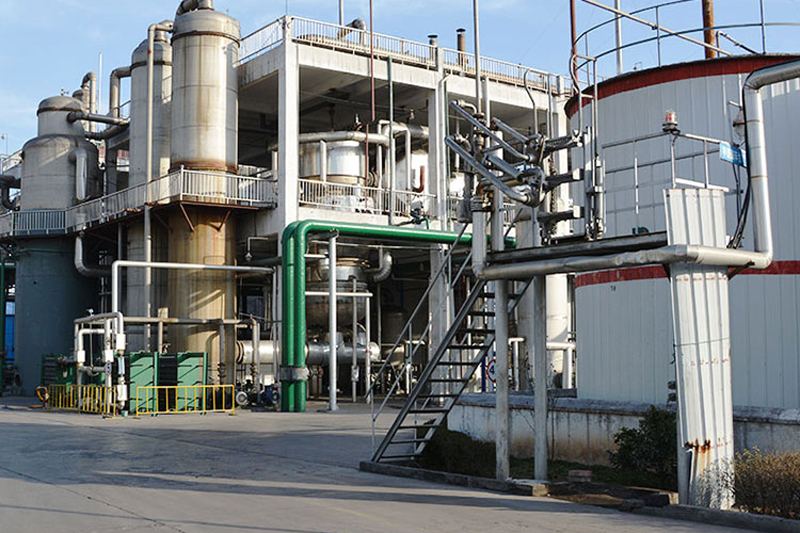
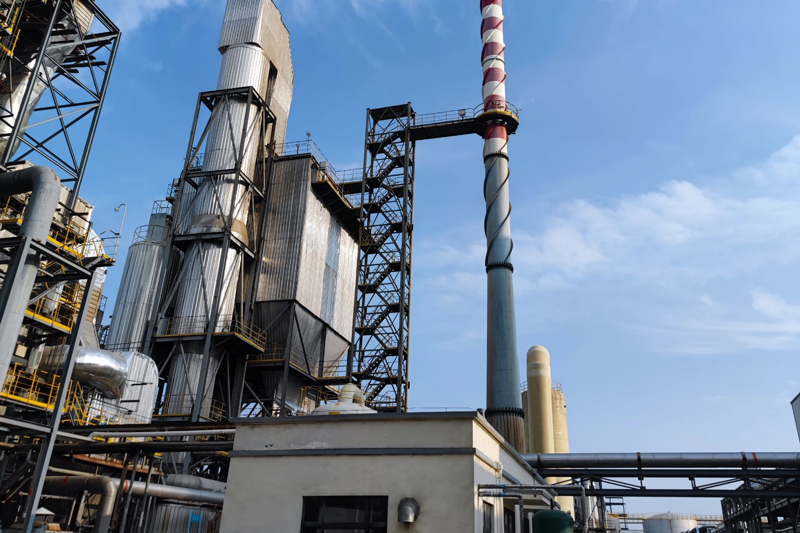
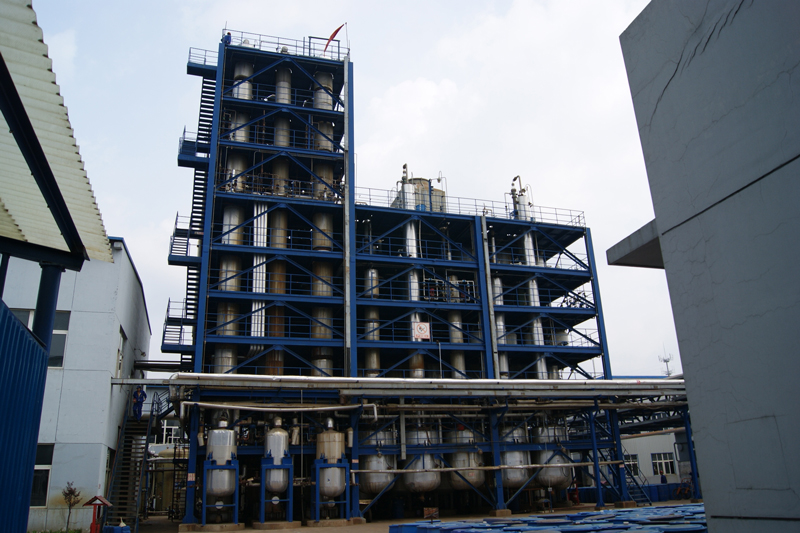
In addition to skin-brightening actives like Alpha-Arbutin, Niacinamide, and Azelaic Acid, JIMPOCHEM’s technical matrix covers six major industrial verticals, supplying customized chemical solutions globally.
High-purity actives, preservatives, UV filters (e.g., Bemotrizinol), solubilizers, and surfactants for lotions, serums, sunscreens, shampoo, and oral care products.
Active Pharmaceutical Ingredients (APIs), pharmaceutical excipients, high-purity solvents (e.g., Isopropyl Myristate), synthesis intermediates, and medical anesthetics.
Specialty antioxidants (such as N,N'-Bis(1-methylpropyl)-1,4-phenylenediamine), thermal stabilizers, plasticizers, and industrial seal additives.
Architectural and decorative coating additives, specialty monomers, industrial corrosion inhibitors, and UV-curable printing ink solvents.
Nutritional fortifiers, microbial preservatives (e.g., ε-Polylysine), acidulants, and natural chelating agents (e.g., Sodium Phytate).
Ultra-pure fluorinated solvents (HFE-7200, HFE-7100), semiconductor cleaning agents, and lithium battery electrolyte salts (LITFSI CAS 90076-65-6).
While combining Alpha-Arbutin, Niacinamide, and Azelaic Acid delivers clinical-grade skin results, formulating them into a physically stable, non-irritating, cosmetically elegant product requires precise engineering.
Problem: Azelaic Acid performs best at acidic pH (4.0–4.5). However, if pH drops below 3.5, Alpha-Arbutin runs the risk of hydrolyzing into free hydroquinone. Conversely, if pH rises above 7.0 at elevated temperatures, Niacinamide can hydrolyze into Nicotinic Acid, causing severe skin flushing.
Solution: Buffer the aqueous phase to pH 4.8 – 5.2 using Sodium Citrate / Citric Acid or Tris Base (CAS 77-86-1). This golden range maintains 99%+ stability for all three components without thermal degradation.
Problem: Azelaic Acid has a high melting point (106°C) and low solubility in water and oil, frequently resulting in gritty recrystallization or grainy product textures.
Solution: Incorporate specialized glycols such as PPG-20 Methyl Glucose Ether (CAS 61849-72-7) or Isopropyl Myristate (CAS 110-27-0) as co-solvents. Alternatively, utilize micronized Azelaic Acid (<5 μm) dispersed within a liquid crystal emulsion system.
Our industrial enzymatic-grade Alpha-Arbutin (CAS 84380-01-8) maintains a certified HPLC assay purity of ≥99.5%. Crucially, free hydroquinone impurities are kept strictly below 10 ppm, fully complying with European Commission SCCS regulations and US FDA cosmetic standards.
Alpha-Arbutin features an α-glucosidic linkage that offers superior enzymatic stability against human skin microflora. Clinical studies demonstrate that Alpha-Arbutin inhibits tyrosinase 9 times more effectively than Beta-Arbutin at identical concentrations (e.g., 1% Alpha-Arbutin out-performs 5% Beta-Arbutin).
At JIMPOCHEM, we utilize advanced continuous crystallization and catalytic synthesis technologies. Our refined Niacinamide (CAS 98-92-0) exhibits residual nicotinic acid levels under 20 ppm (far lower than the standard market limit of 100 ppm), eliminating flushing or irritation risks in sensitive skin products.
Yes. When formulated within a buffered pH window of 4.8 to 5.2, these three ingredients operate synergistically without chemical degradation. This combination simultaneously targets melanin synthesis, melanosome transfer, and epidermal inflammation.
Solid raw materials (such as Alpha-Arbutin, Niacinamide, and Azelaic Acid) are packed in 25kg fiber drums with double PE inner bags. Liquid products (such as Squalane or Isopropyl Myristate) are available in 200kg steel/plastic drums or 1000kg IBC totes with nitrogen blanketing.
Yes. All active ingredients manufactured by JIMPOCHEM come with comprehensive documentation sets, including Certificates of Analysis (CoA), Safety Data Sheets (SDS / MSDS compliant with GHS), Technical Data Sheets (TDS), REACH registration dossiers, Halal/Kosher certificates, and BSE/TSE-free statements.
Alpha-Arbutin has a shelf life of 24 months when stored in unopened original packaging at controlled room temperatures below 25°C, away from direct sunlight and moisture. Nitrogen sealing is applied to drum inner bags prior to dispatch.
We provide free 50g–200g evaluation samples for verified corporate clients and R&D institutions. Express air freight (DHL/FedEx/TNT) can be arranged directly to your laboratory facility within 3-5 working days.
Standard order quantities (1 to 10 Metric Tons) are fulfilled within 7 to 10 business days from our Jinan manufacturing base. Customized particle sizing (e.g., micronized azelaic acid) or custom packaging requires 12-15 days lead time.
China offers unmatched scale, robust chemical infrastructure, eco-efficient bio-catalytic technology, and deep raw material integration. This enables manufacturers like JIMPOCHEM to maintain steady supply continuity, strict batch-to-batch uniformity, and competitive pricing worldwide.
Browse our extended enterprise product list covering industrial acids, specialized antioxidants, preservatives, and organic synthesis intermediates.
 JIMPOCHEM